Blog

Who Are the Top Freeze Dried Snacks Suppliers in China?
China has become an important sourcing destination for Freeze Dried Snacks, including fruit, vegetables, and ready-to-eat blends. A supplier may offer bright strawberry slices, crisp apple cubes, or lightweight yogurt bites, but appearance alone says little about consistency. Moisture control, raw-material sourcing, production capacity, and protective packaging all affect the product that reaches a buyer. Details matter.
This guide introduces Chinese suppliers and explains what buyers can examine before making a shortlist. Rather than treating any ranking as permanent, it considers practical signals: product range, documented quality systems, traceability, sample quality, communication, and export experience. Buyers can ask how batches are tested, how the product is packed against humidity, and whether specifications remain consistent across repeat orders. Taste still counts.
No single supplier suits every business. A small brand may need flexible minimum orders and custom packaging, while a large retailer may prioritize dependable volume and established quality controls. Price comparisons can help, but they may miss differences in ingredient grades, processing, or service. Some information also needs direct confirmation; online catalogs do not show everything. Use the profiles as a starting point, request current documents and samples, and compare like with like. A careful review takes time, and even then, a first order is a useful test rather than a guarantee.
Read more »
 By:Amelia
- November 2, 2026
How to Buy Freeze Dried Vegetables in Bulk?
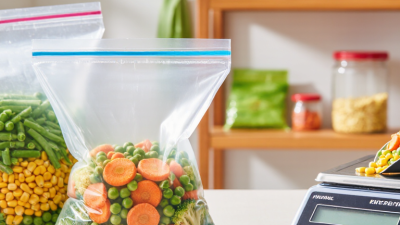
Buying Freeze Dried Vegetables in bulk can look simple: compare prices, choose a supplier, and place an order. In practice, the details matter. A low price may not tell you how the vegetables were processed, how consistently they are cut, or how well the package protects them from moisture. Those differences can affect texture, shelf life, and how reliably each batch works in soups, meal kits, or food production.
Start by defining what you need. Consider the vegetable type, cut size, ingredient list, intended use, and expected order volume. Ask suppliers for product specifications, ingredient statements, packaging details, and storage guidance. If possible, request a sample before committing to a large shipment. Check how quickly the pieces soften, whether their color and aroma seem consistent, and how much usable product remains after preparation. Small checks help.
Then compare the full cost, not just the quoted price per pound. Freight, minimum order quantities, packaging formats, and lead times can change the real value of an offer. Review the supplier’s quality documents and ask how it handles batch consistency and customer concerns. Requirements vary by product and destination, so confirm that the documentation fits your own purchasing needs. That step can feel tedious. It is still worthwhile.
Bulk buying also means planning for storage. Keep unopened packages sealed, dry, and within the conditions recommended by the supplier. Once opened, use an appropriate airtight container and track the date. Even careful buyers can misjudge demand or storage space. A measured first order is often wiser than a dramatic one. This guide explains how to evaluate suppliers, compare quotes, inspect samples, and choose a bulk order with fewer surprises.
Read more »
 By:Oliver
- October 29, 2026
10 Tips for Buying Freeze Dried Food in Bulk
Freeze Dried Food is moving from emergency shelves into everyday pantries, hiking packs, and family kitchens. The shift reflects convenience, long shelf life, and growing interest in reducing food waste. Grand View Research identifies freeze-dried food as a growing global category, supported by demand for lightweight meals and convenient ingredients. Research and Markets also reports continued expansion in the broader freeze-dried food sector, especially through online retail and long-term storage products.
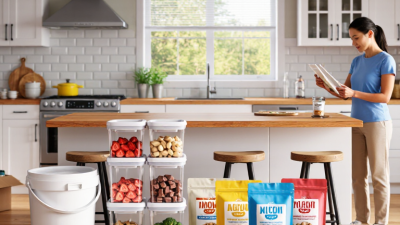
Yet bulk purchasing is not automatically economical. A tall bucket may look impressive beside a kitchen cabinet. The real value depends on serving size, ingredient quality, packaging, and realistic household use. The U.S. Department of Agriculture emphasizes checking storage conditions, package integrity, and date information when evaluating shelf-stable foods. Those details matter when products may sit for months in a warm garage.
Read the label carefully. Check calories, protein, sodium, allergens, preparation instructions, and net weight. Compare cost per serving, not cost per package. A pouch containing six servings may suit a family, but it can disappoint a single buyer after opening. Moisture is another quiet risk. Damaged seals, swollen packaging, or a musty odor should never be ignored.
This guide presents ten practical tips for buying Freeze Dried Food in bulk. It considers supplier credibility, product testing, storage space, rotation habits, and emergency planning. Some recommendations may seem obvious. They are still easy to forget. Buying less first can reveal whether the texture, flavor, and preparation time actually fit real life.
Read more »
By:Oliver
- October 29, 2026

China Top 10 Freeze Dried Fruit Manufacturers?
China is an important sourcing destination for buyers exploring Freeze Dried Fruit, from bright strawberry slices to crisp apple pieces. Yet a manufacturer’s website rarely tells the whole story. Buyers need to look beyond product photos and compare processing capabilities, ingredient declarations, packaging options, and export experience. Details matter.
This guide introduces ten Chinese manufacturers for further evaluation, not as a final ranking or endorsement. Company information and product ranges can change, so verify key claims directly with each supplier. Ask about fruit origins, batch traceability, quality checks, and how the finished product is protected from moisture. Request samples, then compare color, aroma, texture, and how well the pieces hold their shape in your intended application. Small tests can reveal differences that a brochure cannot.
A dependable supplier should answer technical questions clearly and provide documentation relevant to the product and destination market. Buyers may also want to discuss minimum order quantities, lead times, customization, and sample-to-production consistency. No directory can replace due diligence. Some details may remain unclear until a real conversation or trial order. Use the profiles below as a practical starting point, and confirm specifications before making a purchasing decision.
Read more »