0%

Buying Freeze Dried Vegetables in bulk can look simple: compare prices, choose a supplier, and place an order. In practice, the details matter. A low price may not tell you how the vegetables were processed, how consistently they are cut, or how well the package protects them from moisture. Those differences can affect texture, shelf life, and how reliably each batch works in soups, meal kits, or food production.

Start by defining what you need. Consider the vegetable type, cut size, ingredient list, intended use, and expected order volume. Ask suppliers for product specifications, ingredient statements, packaging details, and storage guidance. If possible, request a sample before committing to a large shipment. Check how quickly the pieces soften, whether their color and aroma seem consistent, and how much usable product remains after preparation. Small checks help.

Then compare the full cost, not just the quoted price per pound. Freight, minimum order quantities, packaging formats, and lead times can change the real value of an offer. Review the supplier’s quality documents and ask how it handles batch consistency and customer concerns. Requirements vary by product and destination, so confirm that the documentation fits your own purchasing needs. That step can feel tedious. It is still worthwhile.

Bulk buying also means planning for storage. Keep unopened packages sealed, dry, and within the conditions recommended by the supplier. Once opened, use an appropriate airtight container and track the date. Even careful buyers can misjudge demand or storage space. A measured first order is often wiser than a dramatic one. This guide explains how to evaluate suppliers, compare quotes, inspect samples, and choose a bulk order with fewer surprises.
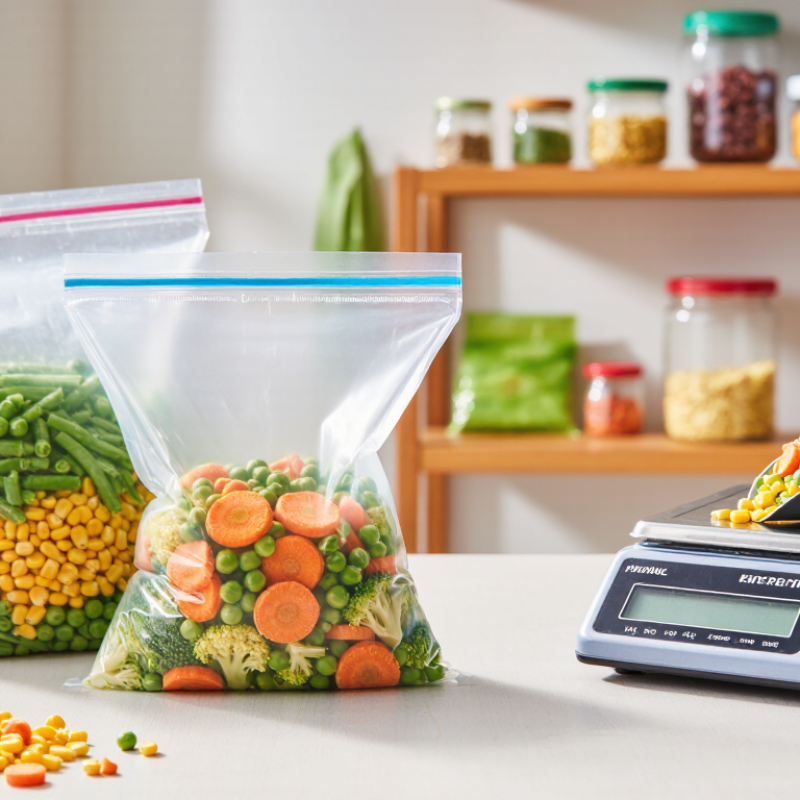
How to Buy Freeze Dried Vegetables in Bulk?

Determine Your Bulk Freeze-Dried Vegetable Needs

Before requesting a bulk quote, estimate how much your kitchen or household will actually use. List the meals you plan to make, such as soups, trail meals, or weeknight pasta. Note the vegetables and portions each recipe needs. A half-cup of dried peas may suit one pot, while a larger batch could use several cups. Check package weights carefully, since dried vegetables weigh far less than fresh ones.

Track your use for a week or two. Record how many servings you prepare and how much of each vegetable goes into the pot. Then multiply that amount by your expected number of meals. Leave a modest allowance for recipe changes or guests, but avoid buying years’ worth before testing the product. Start with a sample. Texture and rehydration time can vary, and a vegetable that looks useful may not fit your cooking habits.

Storage matters too. Measure the shelf or pantry space available, and check that containers can stay cool, dry, and tightly sealed after opening. Think about how quickly you can use each package. A large bag may cost less per serving, yet lose practicality if it sits open for months. I have underestimated pantry space before; it is an easy detail to miss. Compare the total amount with your meal plan, not just the price per pound.

Identify Suppliers and Verify Their Credentials

When buying freeze dried vegetables in bulk, assess suppliers before comparing price per kilogram. Request a current food safety certification, facility audit summary, product specification, and recent lot-specific certificate of analysis. Verify that documents match the actual processing site, not only the seller’s office. Ask how the supplier controls moisture, foreign material, and microbial hazards. A clear answer should identify testing methods, sampling frequency, and corrective steps.

The FAO report The State of Food and Agriculture 2019 estimates that 14 percent of food is lost between harvest and retail. Shelf-stable processing can help manage availability, but it does not prove a supplier’s quality. Request samples from the same production lot you may purchase. Check color, aroma, cut size, and rehydration in warm water. Then compare the sample with written specifications. Small inconsistencies matter.

Tips: Confirm lot traceability and packaging details before payment. Ask for a sealed sample, production date, best-before date, and storage guidance. Keep records of documents and sample results. One detail is easy to miss: a certificate may be genuine but outdated. Verify its issuer and validity directly. If answers remain vague, pause the order and ask for evidence in writing.

Compare Product Quality, Packaging, and Shelf Life

How to Buy Freeze Dried Vegetables in Bulk?

Compare Product Quality, Packaging, and Shelf Life

When buying freeze dried vegetables in bulk, inspect the pieces before focusing on price. Look for even color, a crisp texture, and a clean, vegetable-like smell. Dull patches, excess powder, or a stale odor may indicate rough handling or poor storage. Ask for a sample and compare it with the product description. A sample cannot tell you everything, but it can reveal obvious differences.

Packaging matters. Choose sealed, food-grade bags or containers that protect against moisture, oxygen, and light. Check whether the package can be resealed after opening, especially if you will use only a small amount at a time. Confirm the listed net weight and whether it refers to the vegetables alone. Bulk packs can look generous while containing more air than expected.

Tips: Check the production or best-before date, storage instructions, and stated shelf life. Ask how long the product has been stored and whether the packaging has been opened. Keep a small test batch in your usual storage area; real conditions may differ from a supplier’s estimate. That is worth checking. Shelf life depends on intact packaging and cool, dry storage, so avoid treating a printed date as a guarantee.

Evaluate Pricing, Minimum Orders, and Shipping Terms

How to Buy Freeze Dried Vegetables in Bulk?

Evaluate Pricing, Minimum Orders, and Shipping Terms

Bulk pricing looks simple until freight and packaging enter the picture. Ask suppliers for a written quote that separates product cost, shipping, and any packing fees. Compare the price per usable pound, not just the price per case. A 10-pound carton may contain different amounts of vegetables depending on the product’s moisture level and cut size. Request a sample and check color, texture, and rehydration time before placing a large order.

Minimum orders can tie up cash and storage space. Confirm whether the minimum applies to each vegetable or to the whole order. Also ask if mixed cases are available. Shipping terms matter just as much: clarify delivery estimates, carrier arrangements, and who pays if cartons arrive damaged. Freeze-dried pieces can crush in transit, so inspect the box promptly and photograph any damage. One detail buyers sometimes overlook is storage space. A bargain is less useful if the cartons sit in a warm, damp storeroom.

Tips: Calculate the landed cost per pound, including freight. Ask how long the quoted price remains valid, and get lead times in writing. If the first order is large, consider a smaller test shipment. It may cost more per pound, but it can reveal issues before they become expensive. That extra step is not always convenient. Still, it can prevent a costly guess.

Place a Sample Order and Inspect the Delivery

Before committing to a bulk purchase, order a representative sample from the same product specification you plan to buy. Check the delivered carton for crushed pieces, loose powder, broken seals, and moisture damage. Then inspect the vegetables in good light. Compare color, piece size, aroma, and visible foreign matter against the supplier’s written specification. A sample is useful, but it cannot prove every future lot will match. Ask how production lots are identified and whether inspection records are available.

Test the product in your kitchen, too. Weigh a small portion, add a measured amount of water, and record the rehydration time and texture. Taste it plain, then in a familiar recipe. A few minutes’ difference can matter in a busy kitchen. The FAO’s 2023 report, The State of Food and Agriculture, estimates that 13.2% of food was lost between harvest and retail in 2021. That broad supply-chain figure is not specific to dried vegetables, but it underscores why receiving checks and clear lot records matter.

Tips: Photograph the unopened sample carton, save its lot details, and keep a sealed portion as a reference. Record any mismatch in writing before approving a larger order. Slightly awkward, perhaps, but useful.

FAQS

How can I estimate how many freeze-dried vegetables to buy?

Track your meals for one or two weeks. Record servings and the amount used in each pot, then estimate future use.

Should I buy a large quantity right away?

Try a sample first. Texture and rehydration time can vary, and a vegetable may not suit your recipes.

How should I compare package sizes?

Check package weights and compare usable amounts. Dried vegetables weigh much less than fresh ones, and cuts can differ.

What should I consider before choosing a large bag?

Measure your pantry space and check that opened packages can stay cool, dry, and tightly sealed. Space is easy to misjudge.

How do I compare bulk prices fairly?

Ask for a written quote separating product, freight, and packing fees. Calculate the landed cost per usable pound.

What should I ask about minimum orders?

Confirm whether the minimum applies to each vegetable or the whole order. Ask whether mixed cases are available.

What shipping details should I check?

Get delivery estimates, carrier arrangements, and damage terms in writing. Inspect cartons promptly and photograph crushed packaging.

Is a smaller test shipment worth the extra cost?

It may reveal problems before a large purchase. Start small. The added cost can feel inconvenient, but guessing can cost more.

Conclusion

Buying Freeze Dried Vegetables in bulk starts with defining what you need. Estimate your expected usage, choose the vegetable varieties and quantities that suit your plans, and consider how often you will need to restock. Then research potential suppliers and check their experience, product information, and ability to answer questions clearly. Comparing several options can help you make a more informed choice.

Before placing a large order, compare product quality, packaging, and stated shelf life, as well as prices, minimum order quantities, and shipping terms. Ask about storage recommendations and how products are protected during delivery. A sample order is a practical way to assess appearance, texture, packaging, and delivery condition before committing to a larger purchase. Reviewing these details helps you select Freeze Dried Vegetables that fit your requirements and budget.

Oliver

Oliver

Oliver is a professional marketing specialist with a strong understanding of the company’s products and the needs of the customers they serve. He regularly contributes practical, informative articles to the company website, helping readers understand product features, compare options, and make......