0%

Freeze Dried Food is moving from emergency shelves into everyday pantries, hiking packs, and family kitchens. The shift reflects convenience, long shelf life, and growing interest in reducing food waste. Grand View Research identifies freeze-dried food as a growing global category, supported by demand for lightweight meals and convenient ingredients. Research and Markets also reports continued expansion in the broader freeze-dried food sector, especially through online retail and long-term storage products.

Yet bulk purchasing is not automatically economical. A tall bucket may look impressive beside a kitchen cabinet. The real value depends on serving size, ingredient quality, packaging, and realistic household use. The U.S. Department of Agriculture emphasizes checking storage conditions, package integrity, and date information when evaluating shelf-stable foods. Those details matter when products may sit for months in a warm garage.

Read the label carefully. Check calories, protein, sodium, allergens, preparation instructions, and net weight. Compare cost per serving, not cost per package. A pouch containing six servings may suit a family, but it can disappoint a single buyer after opening. Moisture is another quiet risk. Damaged seals, swollen packaging, or a musty odor should never be ignored.

This guide presents ten practical tips for buying Freeze Dried Food in bulk. It considers supplier credibility, product testing, storage space, rotation habits, and emergency planning. Some recommendations may seem obvious. They are still easy to forget. Buying less first can reveal whether the texture, flavor, and preparation time actually fit real life.
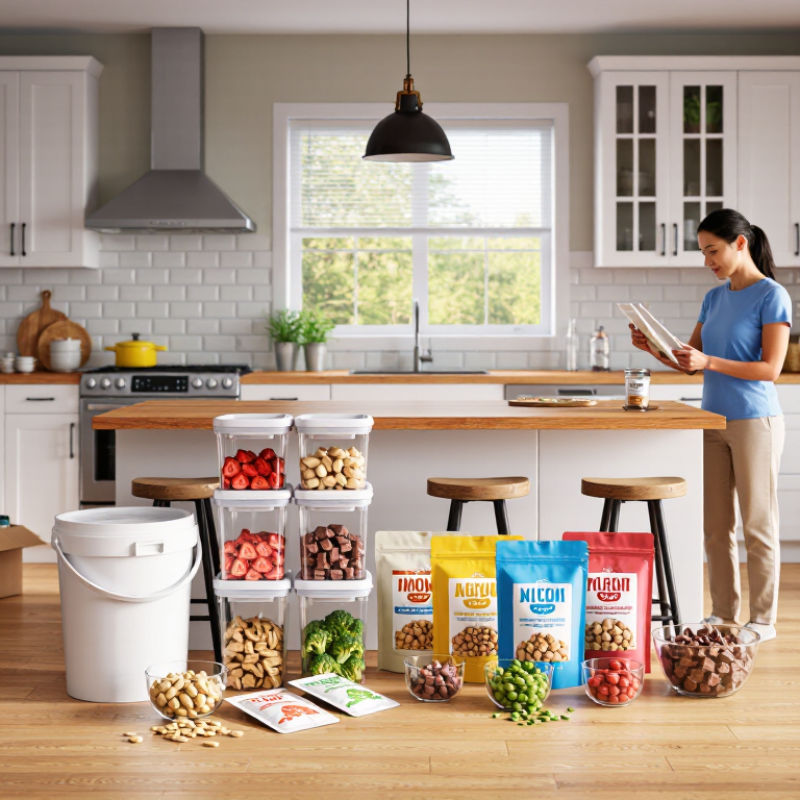
10 Tips for Buying Freeze Dried Food in Bulk

Understanding Freeze-Dried Food and Bulk Purchasing Goals

Freeze-dried food is made by freezing ingredients, then removing ice under low pressure. The process helps preserve shape and flavor, but it does not make every meal nutritionally identical to its fresh version.

The United Nations Environment Programme’s Food Waste Index Report 2024 estimates that households wasted 631 million tonnes of food in 2022. That figure is not specific to freeze-dried products, but it highlights why storage life and realistic meal planning matter.

Set a clear purchasing goal before comparing bulk packs. Are you stocking breakfasts for hiking, keeping quick dinners at home, or building a reserve for disruptions? Write down servings, dietary needs, and how often you will actually eat the food.

Then check the serving size, ingredients, preparation instructions, and package weight. A pouch may look substantial but contain several small portions. Compare cost per prepared serving, not just cost per package. This calculation is imperfect: appetite, added water, and side dishes change the real value.

Storage conditions matter. Moisture and damaged seals can undermine a product’s intended shelf life, so inspect packaging and follow the supplier’s storage directions. USDA’s FoodKeeper resource offers food-storage guidance, though product-specific dates should come from the package maker.

Start with a modest quantity and taste-test a meal at home. That step can feel unnecessary. It can also prevent a costly case of food you dislike.

Assessing Nutritional Needs, Shelf Life, and Storage Capacity

10 Tips for Buying Freeze Dried Food in Bulk

Bulk buying works best when portions match real meals, not optimistic guesses. List each person’s daily meals, dietary restrictions, and likely appetite before calculating servings. The National Academies set the adult protein RDA at 0.8 grams per kilogram of body weight daily; use it as a planning reference, not a one-size-fits-all prescription. Check nutrition labels for sodium, too. The Dietary Guidelines for Americans recommend less than 2,300 milligrams daily for adults and adolescents aged 14 and older. A pouch that looks generous may provide several small servings.

Shelf life depends on the food, processing, packaging, and storage conditions. North Dakota State University Extension advises keeping freeze-dried foods sealed and protected from moisture; follow each package’s storage instructions. Don’t assume every product lasts for decades. Count your usable storage space before ordering: a cool, dry cupboard is better than a damp garage, and bulky cartons can block access to other supplies. Check best-by dates and use older packages first. Small detail, big difference.

Tip: Estimate how many meals fit on one shelf, then compare that number with package servings. Keep it cool. Store opened food in an airtight container and note the opening date. Inspect seals when deliveries arrive; dented or compromised packaging deserves extra caution. Revisit your quantities seasonally, since household needs and available space can change. A little overbuying is easy. It is not always useful.

10 Tips for Buying Freeze-Dried Food in Bulk

Start with daily energy needs, then check each product’s nutrition, labeled shelf life, and storage requirements before buying in bulk.

How to use this chart: These are approximate daily calorie ranges for adults by age and sex; individual needs vary with activity and other factors. Use them as a starting point when estimating portions. Shelf life depends on the specific food, packaging, and storage conditions, so follow the product label and keep supplies in a cool, dry place. Check package dimensions and your available storage space before ordering.

Comparing Ingredients, Quality Standards, and Rehydration Results

When comparing bulk freeze-dried food, read the ingredient list before judging the price. A short list can still hide excessive sodium or added sugar. Compare the same serving size, and check whether vegetables, meat, or fruit appear near the beginning. Ask for a lot-specific certificate of analysis showing moisture, microbiological results, and test methods. “Lab tested” alone is not enough. Codex Alimentarius’ General Principles of Food Hygiene (CXC 1-1969) describes preventive controls, including HACCP; it is a useful benchmark, not proof that a particular product meets every buyer’s needs. Look for sealed, high-barrier packaging and clear lot codes. Small details matter.

Test rehydration before committing to a large order. Weigh a dry portion, add the stated amount of water, and record the time and final texture. Try cold water if that matches your intended use; not every product rehydrates well without heat. Compare color, odor, and chewiness across samples from different lots. A glossy label cannot tell you whether diced carrots stay firm or become mushy. USDA Food Safety and Inspection Service guidance stresses safe handling and storage; follow the supplier’s directions after opening, especially for moisture-sensitive foods. Rehydration results can vary with water temperature, cut size, and age. I once overlooked that last factor. It changed the result.

Calculating Unit Costs, Serving Sizes, and Overall Value

When comparing bulk freeze-dried food, start with the cost per serving, not the price printed on the case. Divide the total price, including shipping, by the number of servings listed. Then check what “serving” means. A pouch may count a small scoop as one serving, while your family expects a full bowl. Read the rehydration directions, too; water adds weight, but it does not add calories or protein.

A kitchen scale can make the numbers more useful. Weigh one portion after rehydration and compare it with the amount your household actually eats. For example, if a package costs $60 and contains 30 stated servings, each listed serving costs $2. But if you use one and a half servings for dinner, the meal portion costs $3. Small differences add up. I sometimes find package math less tidy than it looks.

Shelf life and storage affect value as well. A low unit cost is not a bargain if the food sits open in a humid pantry and loses quality. Check whether the package can be resealed, and estimate how quickly you will use it after opening. Consider flavor variety, preparation time, and whether the texture suits your household. These details are harder to put into a spreadsheet. Still, they matter. Leave room for imperfect estimates, especially when appetites change or serving labels feel optimistic.

Checking Packaging, Supplier Reliability, and Delivery Conditions

When buying freeze-dried food in bulk, inspect each pouch and the outer case before accepting delivery. Look for intact seals, punctures, crushed corners, moisture, and missing lot or date information. A small pinhole can let moisture and oxygen reach the food. Ask the supplier how products are packed, stored, and rotated, and request written specifications for pouch materials and shelf-life dating. “Food-grade packaging” alone is vague. Ask for details.

Supplier reliability shows up in records, not promises. Request recent lot documentation, clear storage guidance, and a process for handling damaged shipments. The FAO’s 2019 report, The State of Food and Agriculture, estimated that 13.8% of food was lost between harvest and retail in 2016. That figure covers food generally, not freeze-dried goods, but it underlines why handling and transport matter. Confirm delivery dates, tracking, and whether cartons are protected from rain and prolonged heat. Check the shipment promptly, before signing off if possible. Keep photos. I might still overlook a subtle seal defect, so sample a few pouches from different cartons and record what you find. A careful supplier should welcome specific questions, even if the answers take a little time.

FAQS

What is freeze-dried food?

Ingredients are frozen, then ice is removed under low pressure. The process can help preserve shape and flavor, but nutrition may differ from fresh food.

How should I decide how much to buy?

Write down your meal plans, dietary needs, and likely use. Start with a modest quantity and taste-test it at home. A small trial helps.

What should I check on a package?

Read the serving size, ingredients, preparation directions, package weight, and lot code. A large-looking pouch may contain several small portions.

How can I compare prices fairly?

Include shipping, then divide the total cost by the listed servings. Check whether one serving matches your usual bowl. It may not.

How can I test rehydration?

Weigh a dry portion, add the stated water, and note the time and texture. Try the temperature you expect to use. Carrots can turn mushy.

What quality information should I request?

Ask for a lot-specific certificate of analysis with moisture results, microbiological findings, and test methods. “Lab tested” alone leaves questions.

How does storage affect quality?

Keep food in suitable conditions and inspect seals for damage. Moisture can reduce quality. Follow the package directions after opening.

Does added water increase a meal’s nutrition?

No. Water adds weight, but not calories or protein. Compare portions based on what you actually eat.

How can I estimate the real cost of dinner?

If $60 buys 30 listed servings, each costs $2. Using one and a half servings makes dinner $3. Appetite changes the math.

What details matter beyond price?

Consider flavor variety, preparation time, texture, and how quickly you can use an opened package. Spreadsheet estimates are imperfect.

Conclusion

Buying Freeze Dried Food in bulk can be a practical way to prepare meals, simplify shopping, and manage costs, but the best choice depends on your needs. Start by estimating how many people you are feeding, how often the food will be used, and which meals or ingredients you want on hand. Check nutrition information, expiration or best-before guidance, and whether you have a cool, dry place with enough room to store the quantity you plan to buy.

Compare ingredient lists, product quality information, portion sizes, and rehydration instructions to understand how each option may fit your cooking routine. Calculate the cost per serving rather than relying only on the package price, and consider whether the expected yield offers good overall value. Before placing an order, review packaging details, supplier communication, shipping timelines, and delivery conditions. A little planning can help you choose a useful supply while reducing waste and avoiding purchases that exceed your storage capacity.

Oliver

Oliver

Oliver is a professional marketing specialist with a strong understanding of the company’s products and the needs of the customers they serve. He regularly contributes practical, informative articles to the company website, helping readers understand product features, compare options, and make......