China is an important sourcing destination for buyers exploring Freeze Dried Fruit, from bright strawberry slices to crisp apple pieces. Yet a manufacturer’s website rarely tells the whole story. Buyers need to look beyond product photos and compare processing capabilities, ingredient declarations, packaging options, and export experience. Details matter.
This guide introduces ten Chinese manufacturers for further evaluation, not as a final ranking or endorsement. Company information and product ranges can change, so verify key claims directly with each supplier. Ask about fruit origins, batch traceability, quality checks, and how the finished product is protected from moisture. Request samples, then compare color, aroma, texture, and how well the pieces hold their shape in your intended application. Small tests can reveal differences that a brochure cannot.
A dependable supplier should answer technical questions clearly and provide documentation relevant to the product and destination market. Buyers may also want to discuss minimum order quantities, lead times, customization, and sample-to-production consistency. No directory can replace due diligence. Some details may remain unclear until a real conversation or trial order. Use the profiles below as a practical starting point, and confirm specifications before making a purchasing decision.
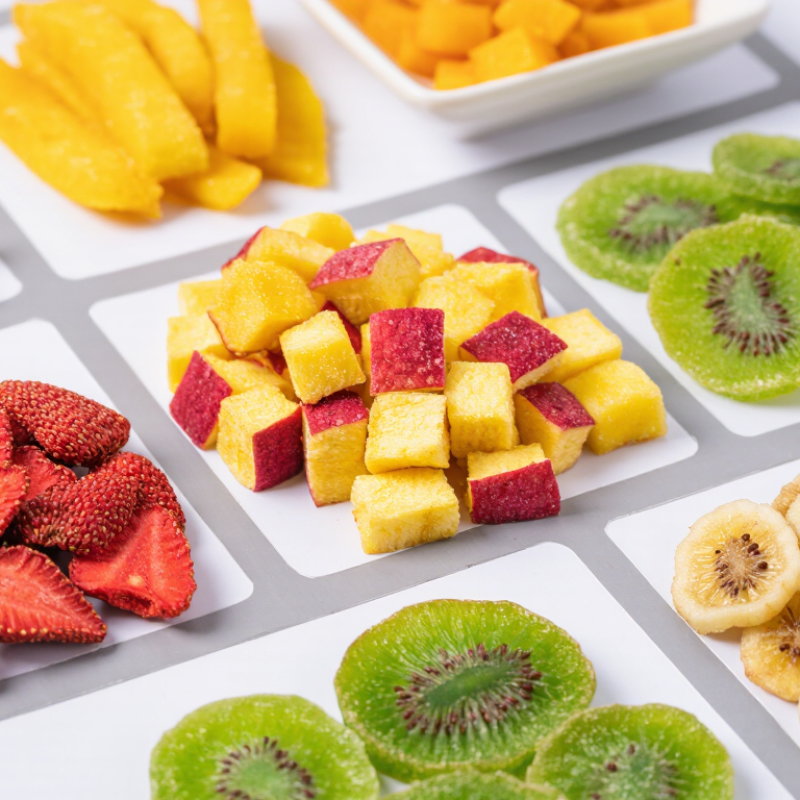
Understanding China's Freeze-Dried Fruit Manufacturing Industry
China Top 10 Freeze Dried Fruit Manufacturers?
China’s freeze-dried fruit industry combines agricultural sourcing, food processing, and export-focused production. Manufacturers may work with apples, strawberries, mangoes, and other fruits, depending on regional harvests and buyer needs. The process removes moisture under low-temperature vacuum conditions, helping preserve shape, flavor, and much of the fruit’s original color. The result is light and crisp. But quality can still vary.
Reliable production depends on more than the freeze-drying equipment. Fruit maturity, washing, cutting thickness, and pre-treatment all affect the finished texture. A batch of strawberry slices, for example, may contain uneven pieces if the fruit varies in size. Buyers should review product specifications, facility certifications, test reports, and traceability records. Ask how suppliers manage moisture and packaging, too. A good document does not guarantee a good batch.
Tips: Request samples from more than one production lot. Compare aroma, crispness, color, and piece size after opening. Confirm packaging protects the fruit from moisture during shipping and storage. Ask for clear answers about origin and processing steps. Small details matter. It is easy to overvalue a polished brochure; I would treat it as a starting point, not proof of consistent performance.
China Top 10 Freeze Dried Fruit Manufacturers? - Understanding China's Freeze-Dried Fruit Manufacturing Industry
Scope note: This is an industry sourcing overview, not a verified ranking of manufacturers. Publicly comparable data does not establish a definitive top 10. The regions and fruit examples below reflect well-known fruit-growing areas in China; they do not identify or endorse specific processors.
| No. | Fruit-Sourcing Region | Representative Fruits | Potential Relevance to Freeze-Dried Fruit Supply |
|---|---|---|---|
| 1 | Shandong | Apples, pears, peaches, strawberries | A major fruit-growing province; diverse crops can support sourcing for single-fruit products and blends. |
| 2 | Shaanxi | Apples, kiwifruit, dates | Its established apple-growing areas provide a potential raw-material base for dried apple products. |
| 3 | Xinjiang | Grapes, apricots, pears, melons | Known for fruit cultivation in an arid climate; harvest timing and transport conditions matter when selecting suppliers. |
| 4 | Yunnan | Blueberries, strawberries, citrus, mangoes | Its varied elevations and climates support a range of fruit crops and seasonal sourcing options. |
| 5 | Fujian | Mandarins, longan, lychee, loquat | A southern fruit-growing region with citrus and subtropical fruit varieties that may be used in dried-fruit assortments. |
| 6 | Guangdong | Lychee, longan, bananas, citrus | Subtropical crops offer a broad seasonal selection; delicate fruits require careful handling before processing. |
| 7 | Guangxi | Citrus, mangoes, bananas, lychee | A significant southern fruit-growing area with several crops suitable for evaluating as freeze-dried ingredients. |
| 8 | Hainan | Mangoes, pineapples, bananas, papayas | Tropical fruit production can provide options for distinctive products, subject to seasonality and quality specifications. |
| 9 | Liaoning | Apples, strawberries, cherries | Northeastern fruit-growing areas contribute temperate fruit options and seasonal supply to the broader market. |
| 10 | Hebei | Pears, apples, peaches, jujubes | Its varied fruit crops can broaden sourcing choices for processors seeking regional supply diversity. |
FAQS
Freeze-dried fruit has moisture removed under low-temperature vacuum conditions. It becomes light, crisp, and flavorful. Quality still varies.
Manufacturers may process apples, strawberries, mangoes, and other fruits. Availability often depends on regional harvests and buyer requirements.
Fruit maturity, washing, cutting thickness, and pre-treatment all influence texture. Uneven fruit sizes can create irregular pieces in one batch.
Request samples from multiple production lots. Compare aroma, crispness, color, and piece size after opening. Small differences matter.
Check product specifications, facility certifications, test reports, and traceability records. Ask for batch-specific moisture data and processing details.
No. Bright color proves little. Also check texture, aroma, moisture consistency, and whether pieces rehydrate evenly.
Review equipment, batch controls, routine testing, production history, and traceability systems. A factory visit may reveal issues online research misses.
Compare fruit variety, cut size, packaging, minimum order quantity, lead time, and shipping conditions. A lower price may not reduce the real cost.
It is essential during shipping and storage. Poor protection can soften crisp fruit and reduce its usable quality.
No. Samples can mislead. Keep written specifications, approve samples, and allow time for occasional variation. I would remain cautious.
Conclusion
This article explores China’s freeze-dried fruit manufacturing industry and explains how to assess leading suppliers using clear, practical criteria. It outlines the factors behind a top-ten selection, including production capacity, processing expertise, product consistency, quality management, and the ability to meet varied customer needs. The profiles offer a framework for understanding the different strengths manufacturers may bring to the market, without assuming that one supplier is the right choice for every buyer.
Readers will also find guidance on comparing product ranges, manufacturing capabilities, and relevant certifications, as well as key considerations when choosing a Chinese supplier. By evaluating fruit selection, processing standards, quality controls, communication, and order requirements, buyers can make more informed decisions and identify a partner suited to their goals.