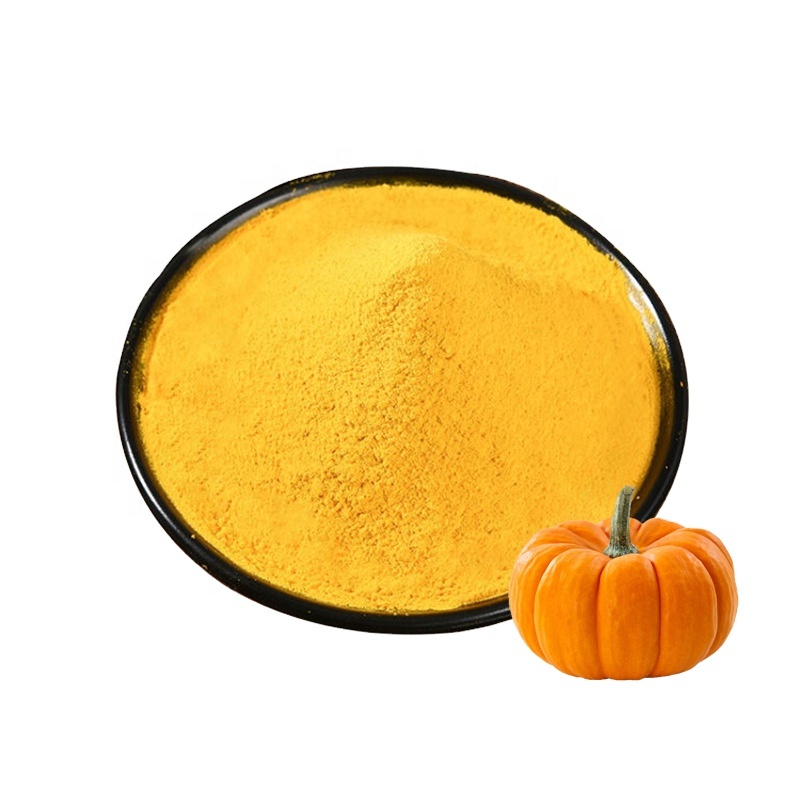
Featured Commercial Freeze-Dried & Extracted Ingredients
Standardized, industrial-scale botanical and fruit powders engineered with ultra-low residual moisture (≤5%) to satisfy international microbiological, enzymatic, and shelf-stability criteria.
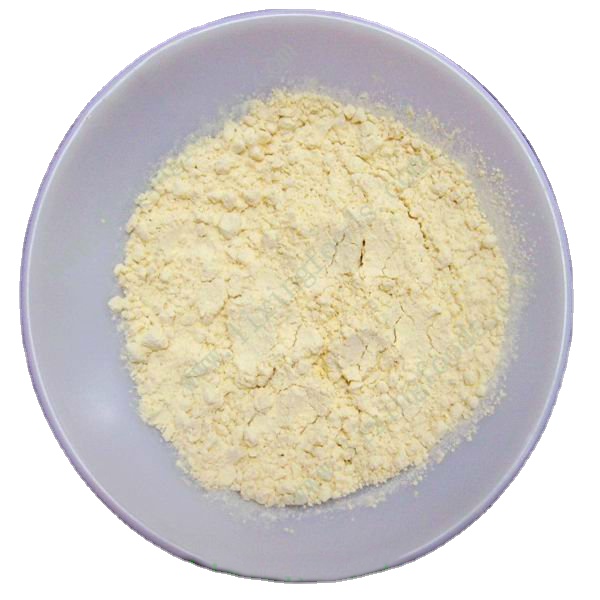
Organic Fruit Freeze Dried Banana Powder
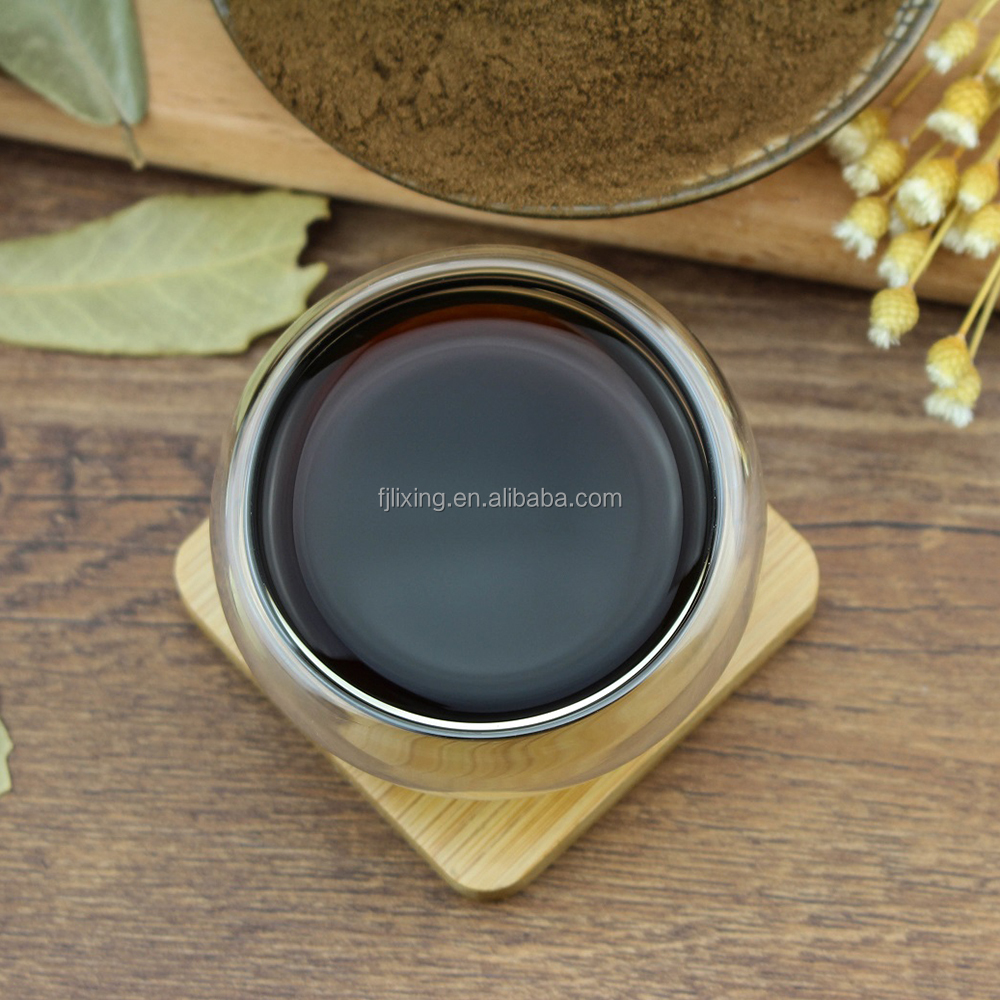
Factory Supply Dried Mesona Chinensis Powder, Mesona Procumbens Extract Powder
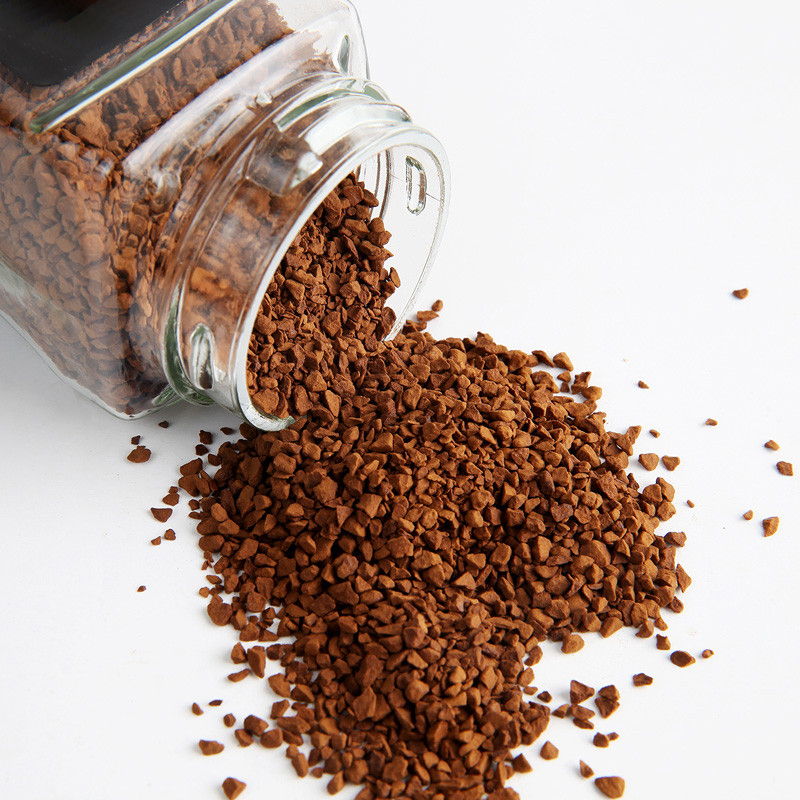
OEM Freeze Dried Instant Coffee Particle, Arabica Robusta Instant Coffee Powder
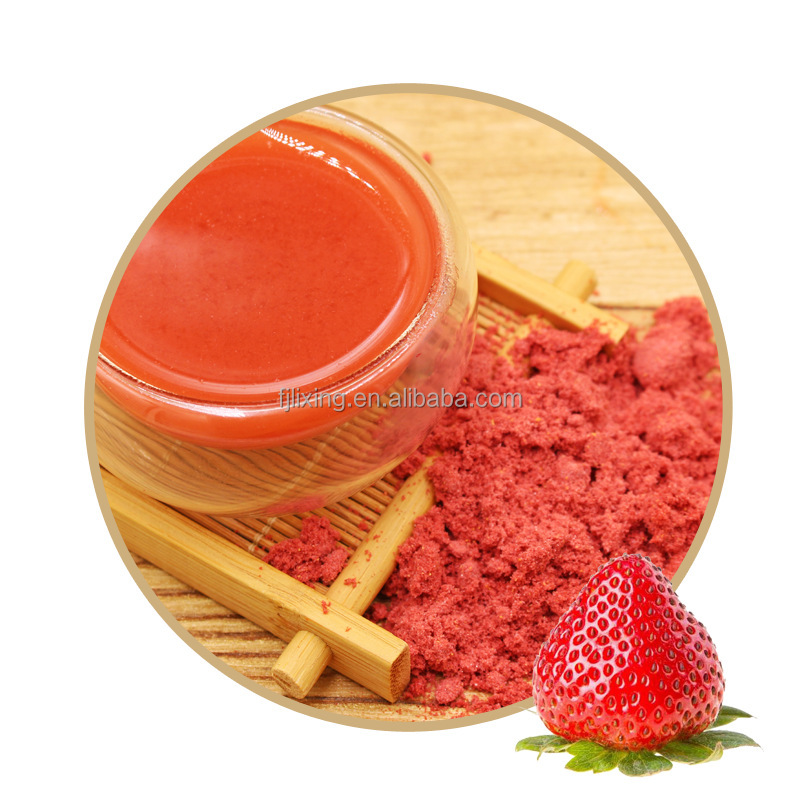
High Quality New Stock Freeze Dried Instant Strawberry Powder Taste Customization
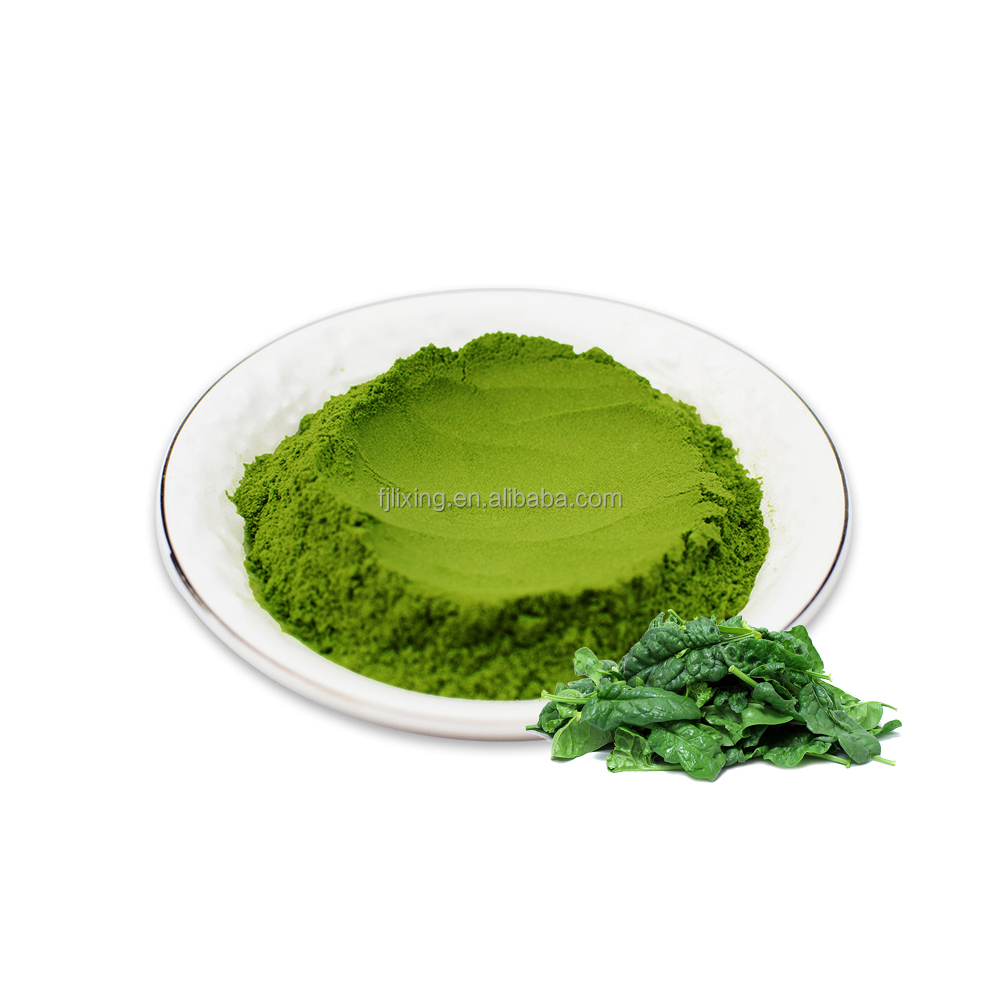
China Freeze Dried FD Spinach Vegetable Powder
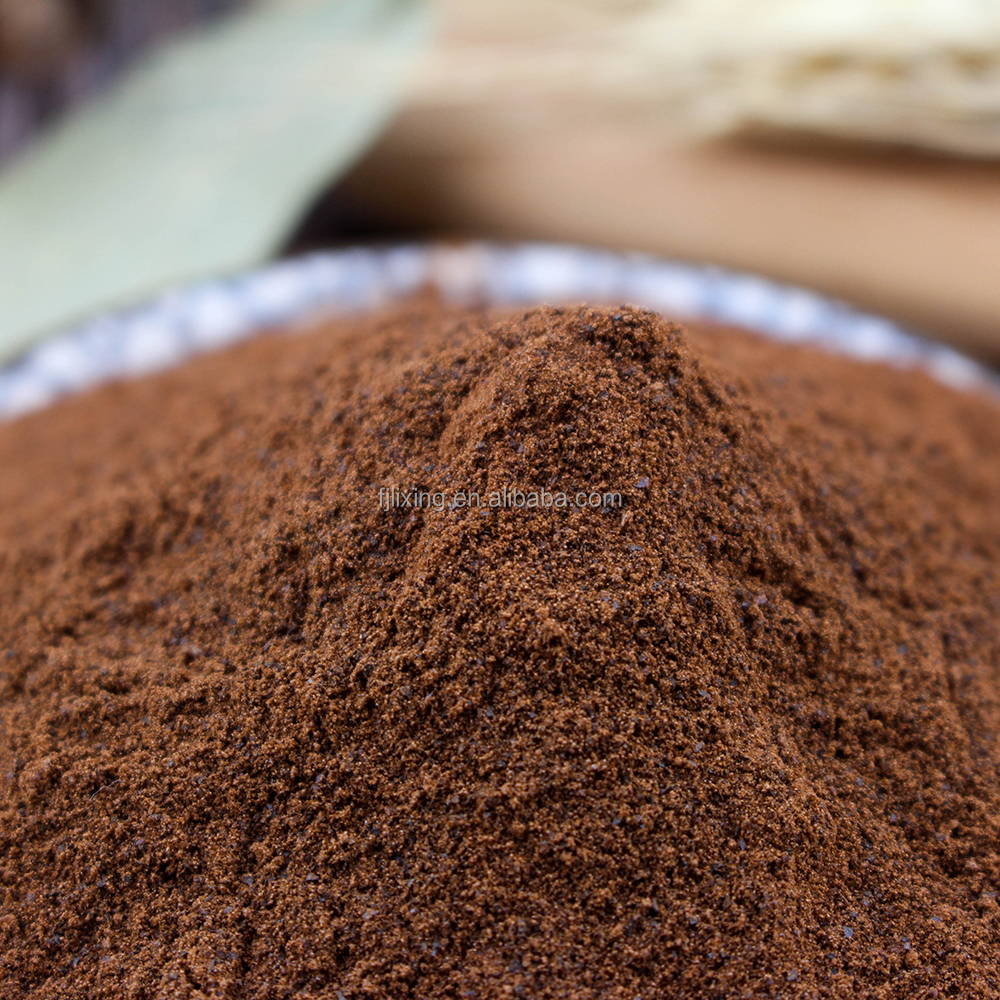
Customized Or Bulk Spray Dried Puer Tea Powder
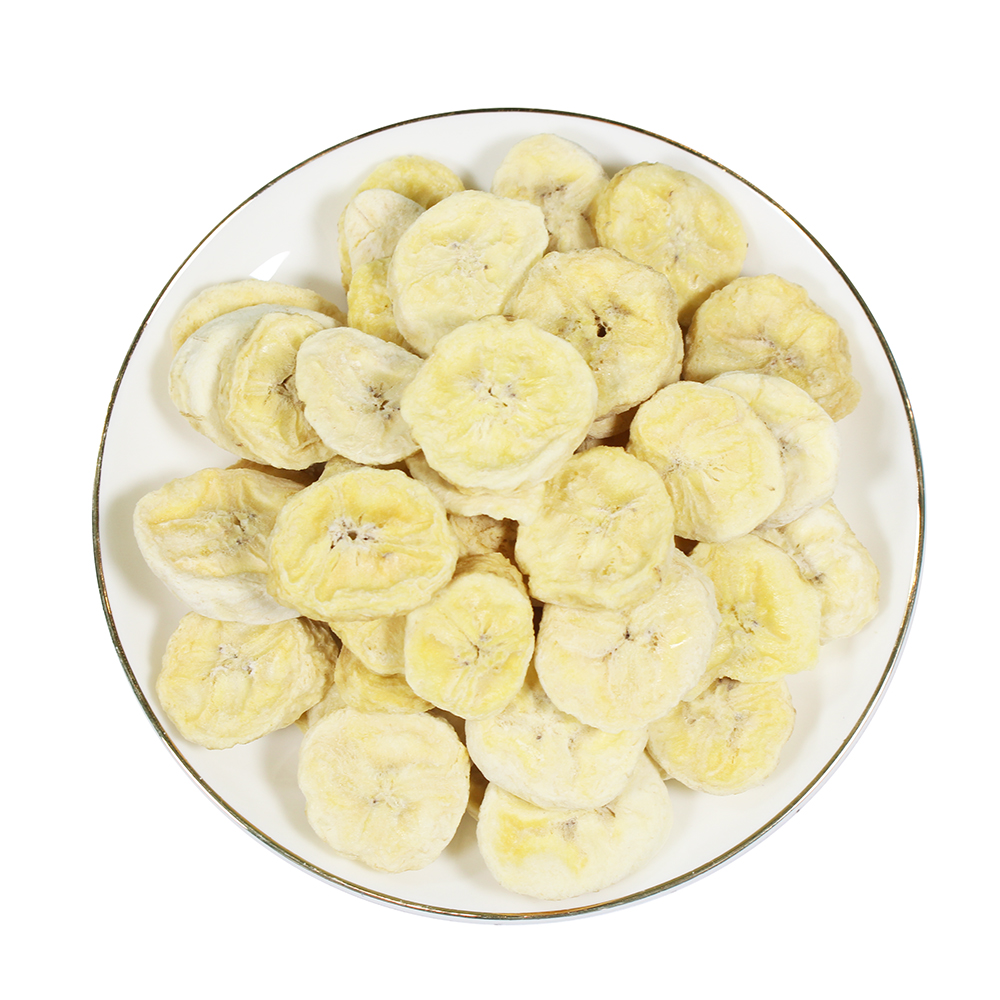
OEM Selling Freeze Dried Organic Banana Bulk Chips/Slice/Extract Powder
20+
Years Lyophilization Mastery
62,718 m²
Total Plant Infrastructure
37
Industrial FD Lines
8,000 m²
Vacuum Chamber Surface
41
Patented Technologies
255+
Certified Technical Staff
Comprehensive Technical Whitepaper: Freeze-Dried Kiwi Supply for Industrial & Retail Procurement
As food science, confectionery formulation, and active beverage manufacturing advance, procurement professionals face increasing challenges when sourcing moisture-sensitive botanical and fruit ingredients. Freeze-dried (FD) kiwi—derived predominantly from high-grade Actinidia deliciosa (green cultivars) and Actinidia chinensis (gold cultivars)—stands apart due to its distinct nutritional profile, high ascorbic acid (Vitamin C) concentration, intense tart-sweet aromatic balance, and native presence of actinidain, a proteolytic enzyme system.
For buyers servicing markets such as Tyre and the broader Levant trade routes, securing a partner that understands the thermodynamic behavior of freeze-drying is essential. Our production facility in Zhangzhou, Fujian (operating under Fujian Fynergy Foods Co., Ltd.) processes raw materials under rigorous pharmaceutical-grade cleanroom protocols. We manage sublimation curves with precision to prevent collapse, maintaining cellular integrity, cellular matrix porosity, and original pigments without synthetic additives.
The Thermodynamics of Lyophilization vs. Thermal Dehydration
Conventional hot-air drying or thermal vacuum evaporation subjects delicate fruit flesh to sustained thermal degradation. This process breaks down polyphenols, degrades natural chlorophyll into dull brown pheophytins, carmelizes natural sugars, and shrinks cellular walls, resulting in a dense, tough texture. Vacuum freeze-drying operates via triple-point phase physics: fresh kiwi is rapidly flash-frozen to ≤ -38°C, turning intra- and extracellular water into micro-ice crystals. Under vacuum pressures below 0.1 mbar, radiant heating sublimation shelves vaporize water molecules directly from solid crystal into gas, bypassing the damaging liquid stage.
| Evaluation Parameter | Vacuum Freeze-Drying (FD Method) | Hot-Air Dehydration (AD Method) |
|---|---|---|
| Moisture Content | ≤ 3.0% – 5.0% (Stable Matrix) | 12.0% – 20.0% (Prone to microbial growth) |
| Nutrient & Vitamin C Retention | > 92% Intact Bioactive Value | < 35% (Severe thermal oxidation) |
| Cellular Morphology | Porous, intact, zero shrinkage | Collapsed, dense, case-hardened |
| Rehydration Dynamics | Near-instantaneous (< 30 seconds) | Prolonged, partial, chewy core |
| Color & Flavor Integrity | Vibrant emerald green / true-to-fruit tartness | Dull brown / caramelized aftertaste |
| Commercial Shelf-Life | 18 to 24 Months in barrier foil | 6 to 9 Months (Susceptible to hardening) |
Actinidain Control & Rheological Considerations for Formulators
A critical consideration for commercial buyers in Tyre—particularly dairy manufacturers and bakeries—is the behavior of native actinidain. While natural green kiwi retains its enzymatic activity post-lyophilization, direct incorporation into milk-based yogurts or gelatin-stabilized desserts can induce peptide cleavage and cause phase separation or bitterness over shelf storage. Fynergy provides controlled low-temperature pre-treatments upon OEM request. These treatments denature the protease without caramelizing monosaccharides or degrading the brilliant green appearance, ensuring formula stability across dairy and confectionery production.
Tailored Industrial Applications for Tyre & Regional Markets
From historic culinary traditions to modern FMCG food processing, our freeze-dried kiwi and companion fruit solutions serve diversified commercial ecosystems across the Mediterranean basin.
Artisanal Confectionery & Nougat (Halawa/Malban)
Regional confectioners in Tyre, Saida, and Beirut are upgrading traditional starch jellies, lokum, and sesame nougats by replacing synthetic food colorants with freeze-dried kiwi cubes and powders. Our pieces deliver clean, tart accents, visual eye appeal, and reliable crispness that won't bleed moisture into hygroscopic sugar matrices.
Dairy, Labneh & Artisanal Gelato
With Mediterranean gelato shops and modern dairy creameries diversifying into clean-label offerings, our de-seeded kiwi powder and 5mm dices disperse uniformly into cultured dairy bases. Low moisture (≤3%) prevents ice crystallization defects, delivering pure fruit flavors without diluting overrun or butterfat profiles.
Industrial Cereals, Muesli & Snack Packs
Private-label breakfast packers across coastal trading hubs use our 100% natural, crisp freeze-dried kiwi slices alongside strawberries and bananas. With water activity maintained below 0.25 aw, our ingredients won't soften toasted oat flakes or puffed grains during extended maritime distribution.
Regional Consumption Trends: Transitioning to Clean-Label Lyophilization
The Levant region and Mediterranean supply corridors are undergoing a shift in FMCG consumption patterns. Institutional buyers, hotel chains, and supermarket private brands are adjusting their supply chains in response to several key commercial drivers:
- Elimination of Artificial Colors: Importers serving modern distribution chains face consumer resistance to synthetic food dyes (such as tartrazine and brilliant blue). Our vacuum-lyophilized kiwi offers a clean-label alternative, delivering a natural, lightfast emerald hue for pastry crumbles, beverage mixes, and functional snacks.
- High Ambient Temperature Resiliency: In regional summer temperatures exceeding 35°C, conventional gummy candies and candied fruit bits suffer from moisture weeping, thermal melt, and microbial fermentation. Freeze-dried kiwi slices, stored in multi-layer hermetic pouches, remain shelf-stable for up to 24 months without cold-chain logistics.
- Rise of Ready-to-Blend Wellness Powders: Growing retail interest in gut health and immune-support botanicals has accelerated demand for single-origin functional fruit powders. Kiwi is valued for its dietary fiber, natural actinidain, and Vitamin C, driving wholesale procurement for instant smoothie bases and hydration drink mixes.
- Premiumization of Coastal Hospitality: Coastal tourism, boutique resorts, and upscale catering operations require shelf-stable fruit toppings that look fresh when hydrated. Freeze-dried kiwi rehydrates within seconds, matching the visual appeal of sliced fresh fruit without daily prep spoilage or seasonal price swings.
Verified Factory Advantages & Cleanroom Control
Backed by over two decades of processing experience, Fujian Fynergy Foods Co., Ltd. provides certified quality, continuous production scale, and complete batch traceability.
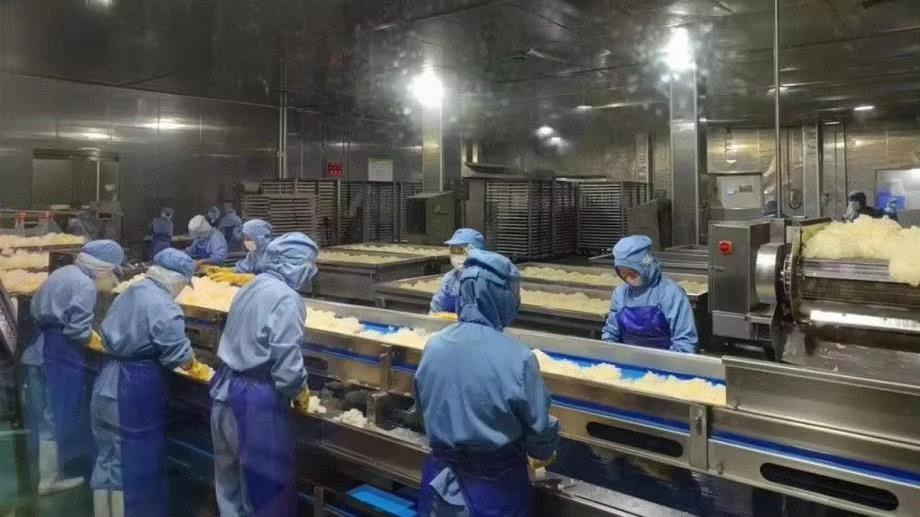
Class-100,000 Cleanroom Processing
From initial automated peeling and washing to cross-cut slicing, freezing, and vacuum chamber discharge, all processing steps take place inside positive-pressure Class-100,000 cleanrooms. This setup maintains precise environmental humidity, preventing re-absorption of ambient moisture and eliminating pathogen risks.
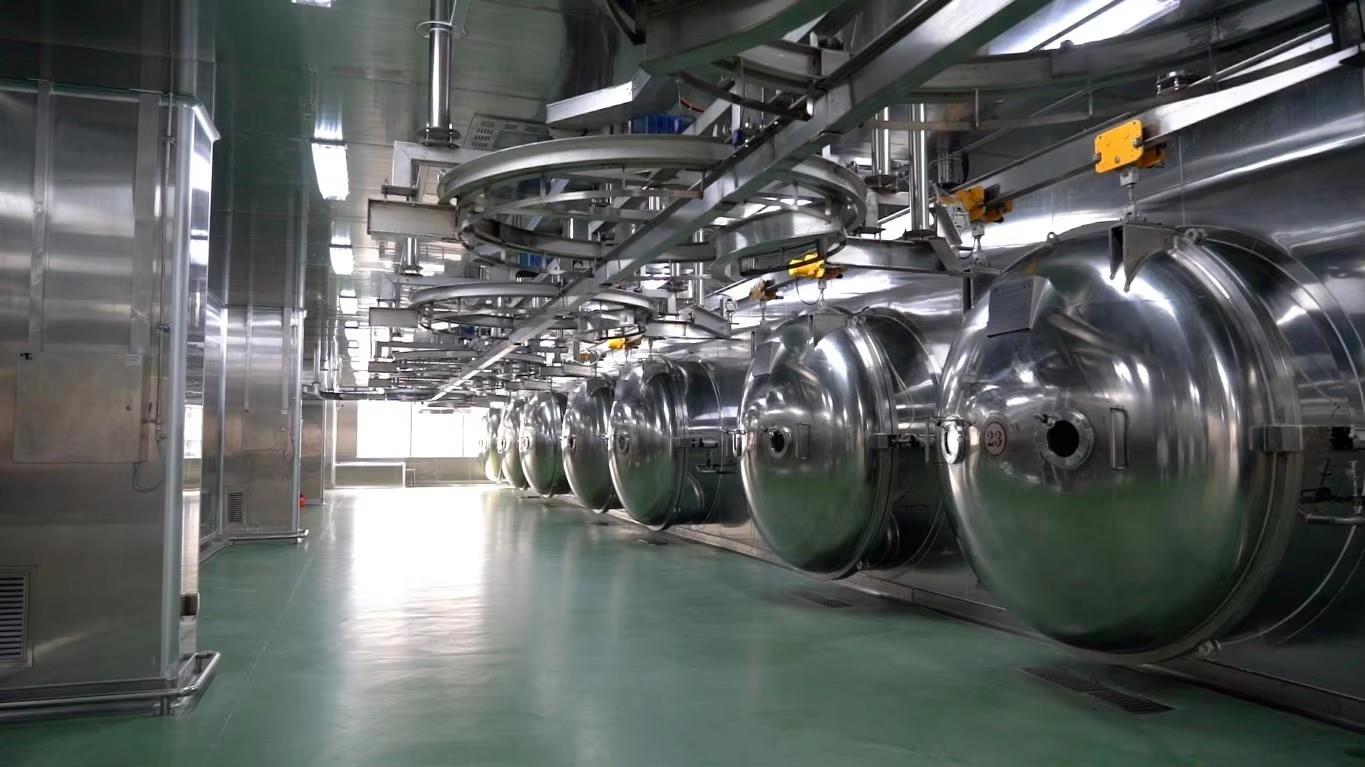
37 Dedicated FD Chambers (8,000 m²)
Our facility runs 37 industrial-scale vacuum freeze-drying lines across an 8,000 m² drying chamber footprint. This distributed capacity enables us to fulfill large container-load contracts reliably while running flexible batches for custom cuts, organic certifications, and private-label programs.
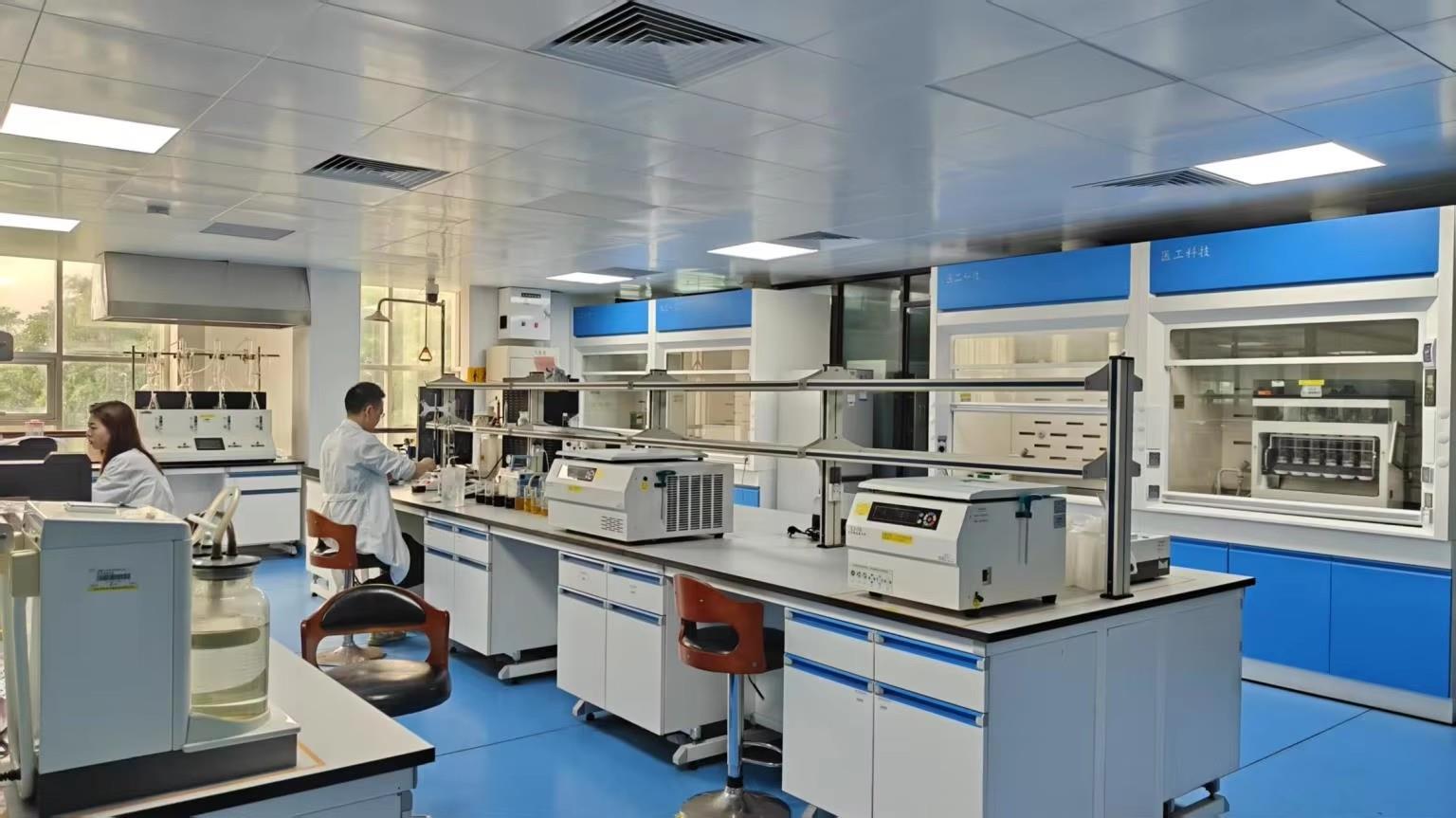
In-House Analytical Laboratory
Our onsite QA facility uses liquid chromatography (HPLC), atomic absorption spectrophotometry, and automatic Kjeldahl equipment. We run per-lot testing for pesticide residues, heavy metals (Pb, As, Cd), water activity, and aerobic plate counts to comply with EU, US, and regional import mandates.
Frequently Asked Questions by Commercial Importers
Direct technical and operational guidance addressing MOQ structures, logistics, customs clearance, and product customization for regional and Mediterranean supply lanes.
What are the standard commercial packaging specifications and bulk MOQs for freeze-dried kiwi? +
For industrial B2B procurement, our standard packing format consists of double food-grade polyethylene virgin inner liners, heat-sealed inside corrugated master export cartons (typically 10 kg or 12.5 kg net weight per carton, depending on cut dimensions). For bulk baseline orders, our typical MOQ is 100 kg to 500 kg. For fully customized private-label retail packaging (such as nitrogen-flushed stand-up pouches, PET clear jars, or composite tins), the standard operational starting MOQ is 10,000 to 30,000 units per artwork SKU.
How do you maintain the emerald green color of freeze-dried kiwi slices without adding sulfur dioxide or artificial colorants? +
Thermal degradation and enzymatic browning (caused by polyphenol oxidase) are prevented through rapid cryogenic processing and sublimation under deep vacuum conditions. Raw kiwis are processed at peak ripeness, sliced with water-cooled blades, and transferred to blast-freezing tunnels at ≤ -38°C within minutes. The vacuum environment stops oxidative conversion of natural chlorophyll into pheophytin, locking in the natural green color without the use of sulfur dioxide (SO₂), sulfites, or artificial food dyes.
What international food safety and product origin certifications accompany each export consignment? +
Every commercial batch from our Zhangzhou plant ships with a comprehensive quality documentation packet. This includes a lot-specific Certificate of Analysis (COA) detailing physical, chemical, and microbiological values. Our operations hold verified BRCGS (Brand Reputation Compliance Global Standards), HACCP, and ISO 22000 certifications. We also provide third-party facility verification via TÜV Rheinland, as well as genuine Halal and Kosher certifications on applicable production runs.
What cut dimensions and mesh specifications are available for OEM product formulation? +
We provide four main structural cuts: (1) Whole Cross-Cut Slices: 5–7mm thickness, ideal for retail snacking, artisanal pastry displays, and premium muesli; (2) Dices and Tidbits: 5x5x5mm or 10x10x10mm cubes, optimized for chocolate inclusion, granola clusters, and nougats; (3) Crushed Flakes: 1–3mm bits for loose leaf tea blends and baking mixes; (4) Ultra-Fine Powder: 60–120 mesh powders for instant rehydration, beverage flavoring, dairy flavoring, and nutraceutical tablets.
How should bulk containers of freeze-dried kiwi be warehoused in coastal Mediterranean climates like Tyre? +
Because freeze-dried fruits are hygroscopic, with residual moisture held between 3% and 5%, exposure to coastal ambient air will pull in moisture and cause loss of crispness. We recommend storing sealed cartons in a cool, dark, dry warehouse maintained at temperatures below 22°C and relative humidity (RH) below 50%. Partial bags should be heat-resealed or purged with food-grade nitrogen immediately after sampling or batch discharge.
What is the standard production and shipping lead time for multi-ton container shipments? +
Standard production lead times for 20-foot and 40-foot high-cube containers run between 15 and 25 working days from formulation and label sign-off. Bulk orders from standing warehouse inventory can ship within 7 working days. Freight routes from the deep-water Port of Xiamen to Eastern Mediterranean discharge ports typically require 22 to 32 ocean transit days. We provide comprehensive export customs documentation, including Phytosanitary Certificates, Certificates of Origin, and packing declarations.