Curated Industrial Freeze-Dried Ingredients
Continuous-capacity freeze-dried botanical, fruit, and specialty items engineered for high-performance reconstitution, color retention, and international compliance.
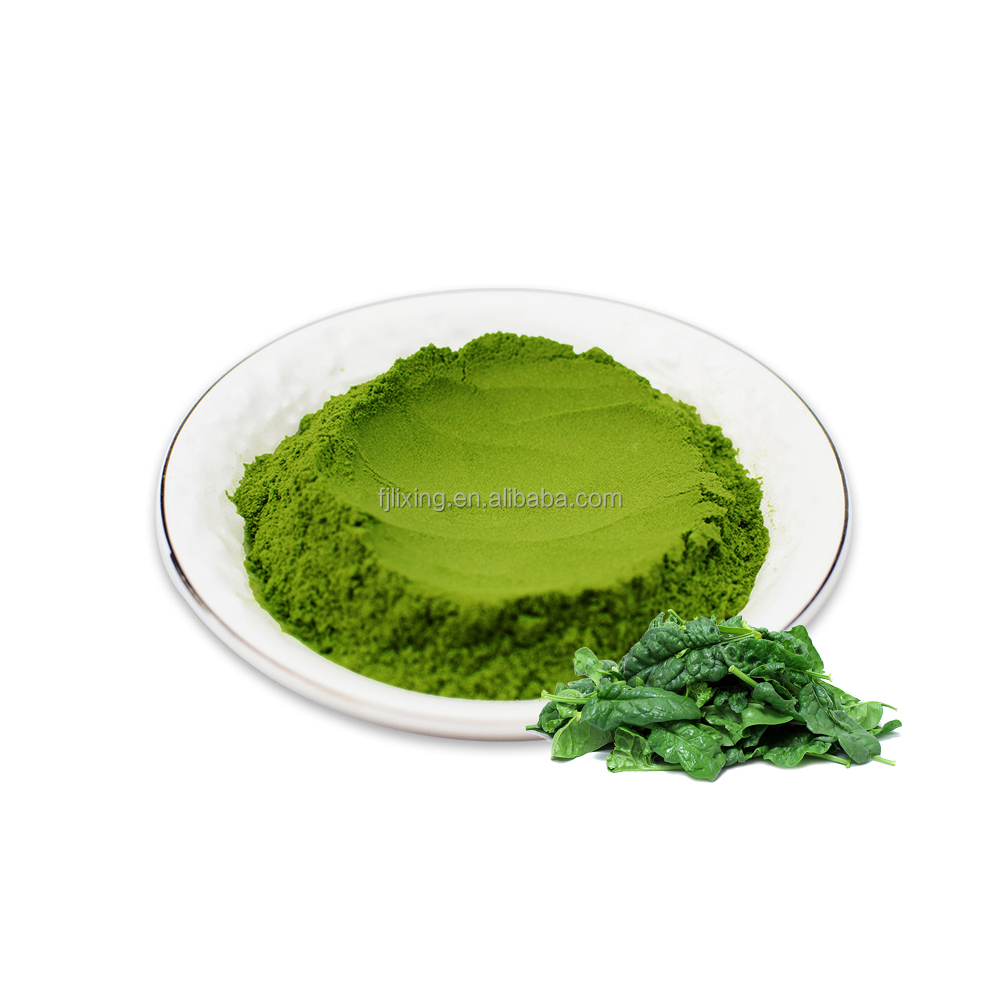
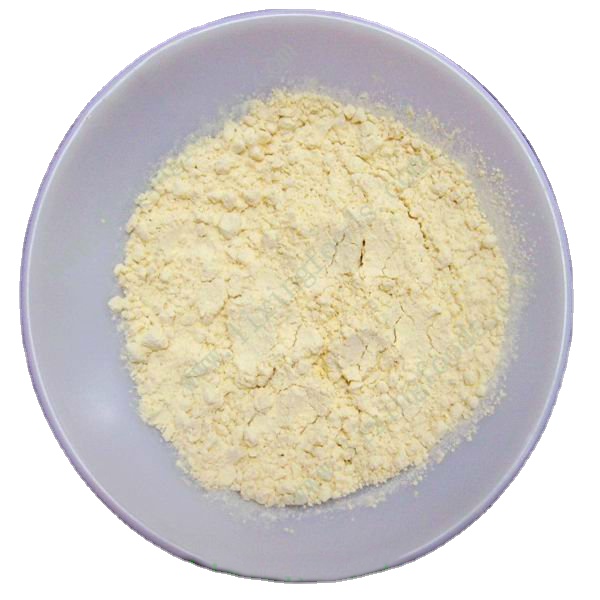
- Moisture:≤ 5.0%
- Mesh Size:80 - 120 Mesh
- Color Index:Vibrant Natural Green
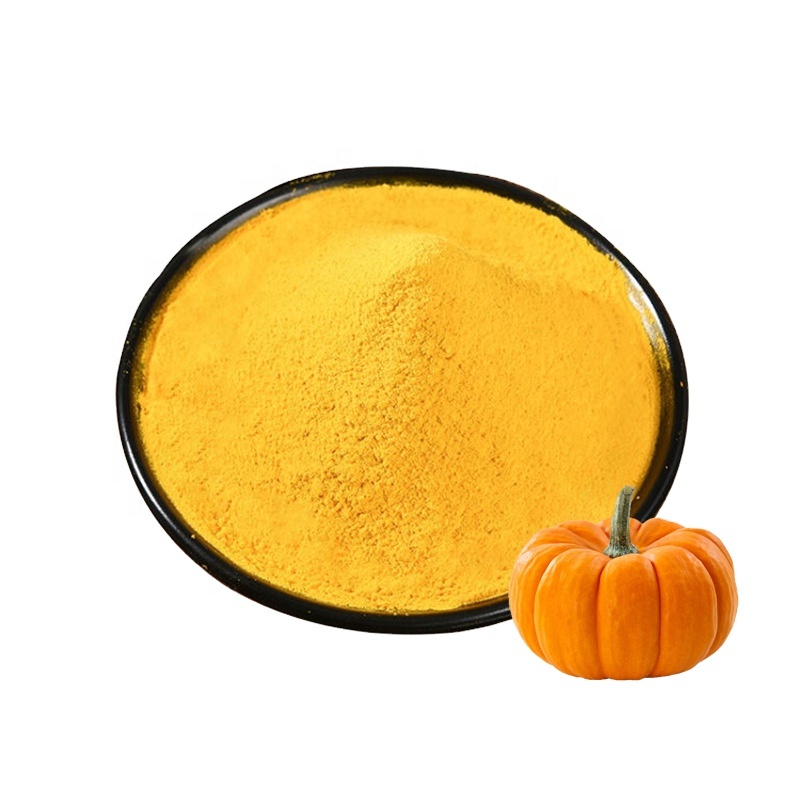
- Application:Culinary & Soups
- Purity:100% Monofloral
- Additives:Zero Carrier / Starch
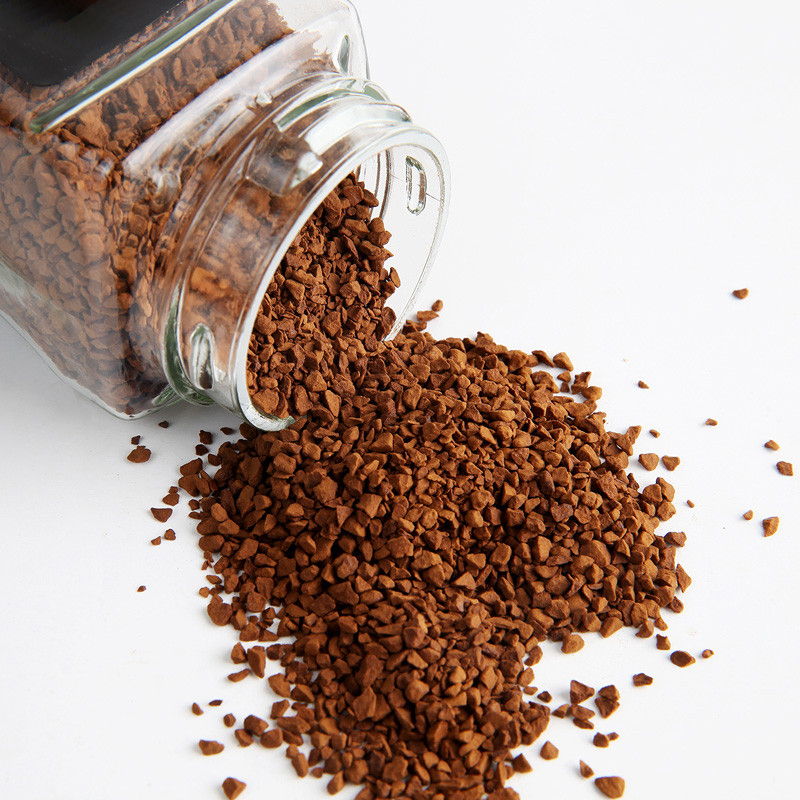
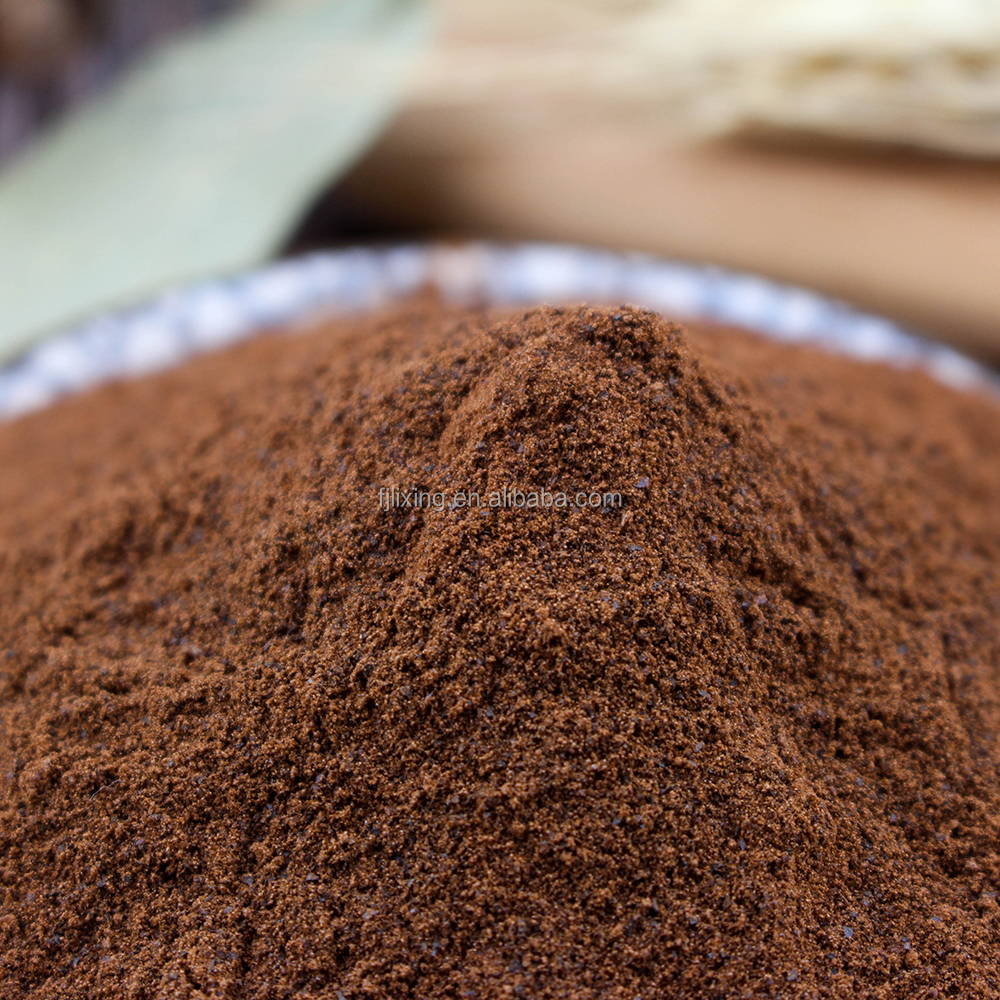
- Roast Profile:Medium / Dark
- Granule Density:Target Uniformity
- Aroma Tech:Cold Sublimation
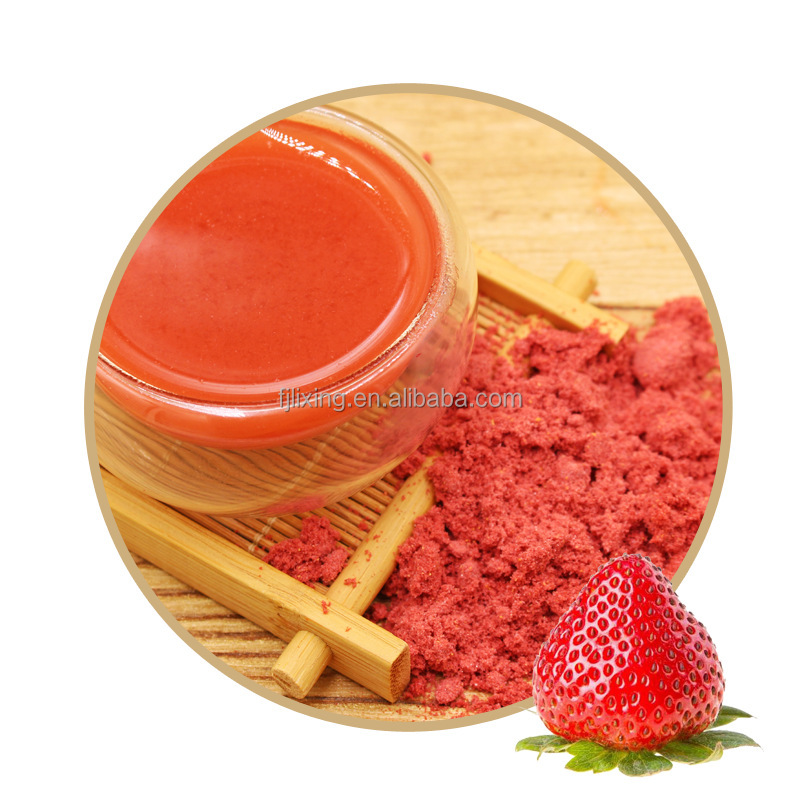
- Raw Input:Clean Ripe Berry
- Solubility:Hydrophobic Dispersible
- Flavour:Authentic Berry Acid
- Certification:Standard Compliant
- Moisture:≤ 4.0%
- Processing:Low-Temp Vacuum
- Extraction Ratio:Standardized 10:1
- Polyphenols:Verified Assayed
- Clarity:Complete Aqueous Solution

- Active Compounds:Natural Polysaccharides
- Function:Texturizer & Flavorant
- Packaging:Double Aseptic Polybag
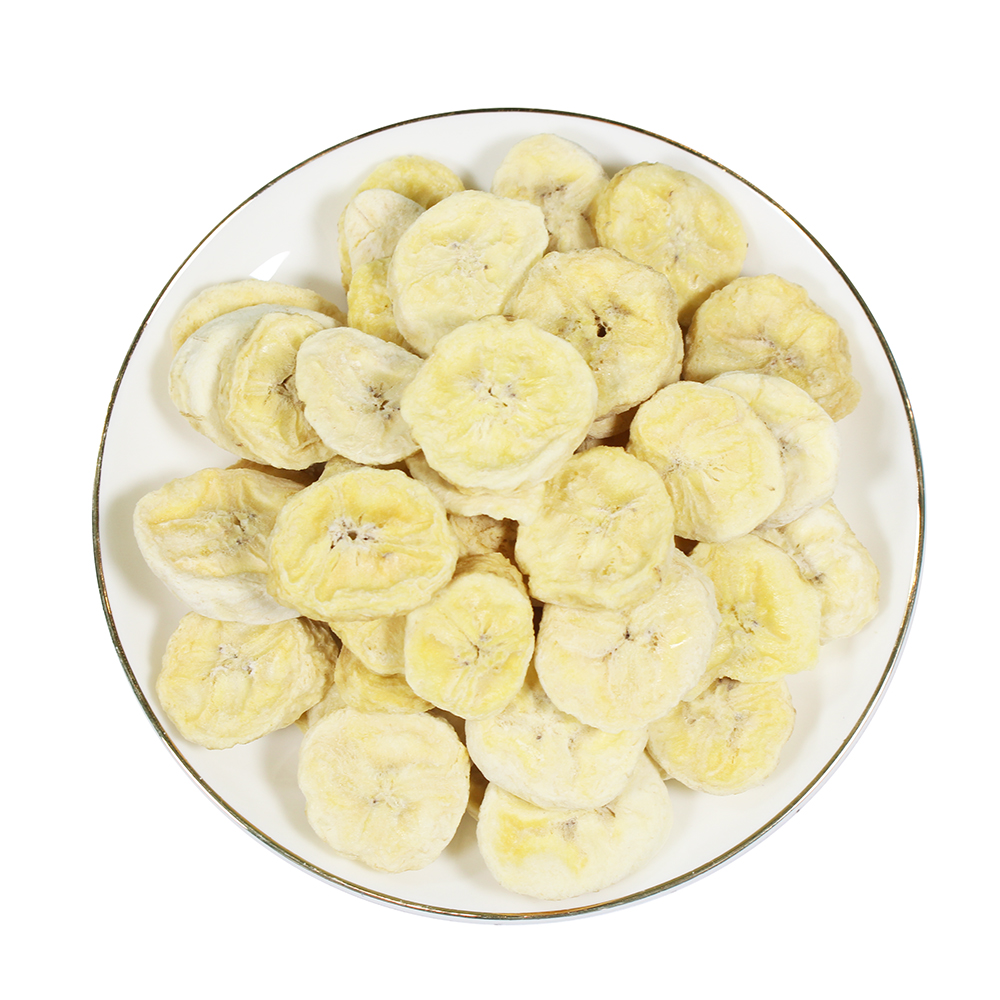
- Cut Dimension:6 - 8mm Uniform Cut
- Texture:Cellular Porous Crunch
- Shelf Stability:18 - 24 Months
Strategic Sourcing: The Industrial Case for Freeze-Dried Asparagus in Nouvelle-Aquitaine
The Gironde department and the broader Nouvelle-Aquitaine region occupy a globally renowned position in epicurean excellence. While historically revered for prestigious viticulture, Bordeaux has emerged as a powerhouse for advanced agro-food transformation, artisanal fine food consolidation, and clean-label gastronomy. Asparagus (specifically Asparagus officinalis) holds deep cultural significance in South-West France, celebrated through regional delicacies such as the protected geographical indications of white asparagus from the Sands of the Landes (Asperge des Sables des Landes) and the Blaye asparagus (Asperge du Blayais). However, the fresh asparagus market faces insurmountable operational constraints: an intensely compressed spring harvest window lasting barely eight weeks, extreme biological perishability driven by rapid post-harvest lignification, and drastic price volatility.
To maintain steady production lines of premium veloutés, bistronomic ready-meals, dehydrated culinary bases, and vacuum-infused delicatessen creations throughout the year, Nouvelle-Aquitaine food formulators are actively replacing energy-intensive cold chain fresh storage and nutritionally damaged canned asparagus (appertisation) with industrial-grade Freeze-Dried (FD) Asparagus. By transitioning to lyophilized asparagus sourced directly from China's primary agricultural and industrial freeze-drying clusters, Bordeaux processors secure a hedge against raw material price shocks while achieving immaculate structural preservation, intact chlorophyll pigments, and identical organoleptic fidelity upon rehydration.
The Biophysics of Lyophilization: Preserving Cellular Tissue & Phytonutrients
Freeze-drying, or industrial lyophilization, operates under thermodynamic principles of ice sublimation below the triple point of water (0.01°C at 6.11 mbar). Freshly harvested asparagus spears undergo rapid IQF (Individually Quick Frozen) treatment at temperatures below -38°C, immobilizing intracellular moisture into microscopic ice crystals without rupturing delicate cell wall cellulose or the parenchymal vascular bundles. Once placed inside the vacuum sublimation drying chambers, low-temperature thermal conduction triggers direct vapor phase transition without entering liquid state.
Unlike hot-air dehydration (AD), which causes severe shrinkage, thermal browning, surface case-hardening, and the total degradation of volatile terpenes and aromatic pyrazines, freeze-drying leaves the physical geometry of the asparagus cut 100% intact. The resultant internal sponge-like microstructure guarantees near-instantaneous capillary reabsorption of moisture, maintaining the delicate snap of asparagus spears and the authentic vegetal sweetness prized by French culinary panels.
| Evaluation Parameter | Industrial Lyophilization (FD) | Hot-Air Dehydration (AD) | Canned / Retort Sterilization |
|---|---|---|---|
| Pore Morphology & Shape | Zero shrinkage, rigid porous sponge network | Heavy collapse, distorted shrinkage (>60%) | Soft, pulpy, waterlogged tissue rupture |
| Residual Moisture & Water Activity | ≤ 3.0% - 5.0% (Aw < 0.30) | 8.0% - 14.0% (Aw 0.55 - 0.70) | Fully saturated aqueous brine matrix |
| Rehydration Speed & Integrity | 180 seconds, restores fibrous crunch | 15 - 35 mins, tough, leathery chew | Not applicable (already hydrated) |
| Chlorophyll & Color Preservation | ≥ 94% retention of natural chlorophyll a/b | Severe oxidation (dull brownish-khaki) | Olive-gray discoloration from heat acid |
| Thermal Degradation of Phytonutrients | Minimal (Sub-zero vacuum process) | Massive losses of rutin, folate, vit C | Water-soluble leach into discarded brine |
| Preservatives / Additive Requirement | Zero additives, 100% clean-label clean deck | Often requires sulfur dioxide (SO²) | Salt, citric acid, calcium chloride |
Localized Applications Across the Bordeaux Gastronomy & Processing Matrix
The inclusion of freeze-dried asparagus in the South-West French supply chain spans traditional fine dining to massive automated packing lines. Below are the verified technical application pathways where our industrial freeze-dried asparagus formats provide immense cost, processing, and flavor advantages:
Veloutés, Bisques & Dehydrated Bases
Instant dissolution of 100-mesh FD asparagus powder into roux and bouillon bases. Yields an intense, luminescent emerald coloration and an unadulterated spring vegetable flavor without gritty sedimentation.
Bistronomic Garnish & Wine Pairings
Intact 3-5cm FD asparagus spear tips serve as crisp, moisture-absorbing textural toppers for roasted duck breast, truffled eggs, or goat cheese spreads tailored for dry Graves and Entre-Deux-Mers white wines.
Artisanal Terrines & Charcuterie Inclusions
Because freeze-dried cut cross-sections hold negligible free water, they prevent hydrostatic pockets when blended into rich foie gras emulsions, duck terrines, and pâté en croûte, cooking evenly without jelly separation.
Clean-Label Dry Seasoning Rubs
Micro-milled asparagus powder serves as a functional colorant and umami booster for savory barbecue rubs, dry dip blends, and salad seasonings marketed across premium regional epiceries and supermarket chains.
Ready-to-Cook (RTC) Meal Kits & Risottos
Dry-blended directly with Carnaroli rice, cep mushrooms, and herbs. During cooking, FD asparagus absorbs the seasoned wine reduction at identical velocity to arborio starch release, preserving structural bite.
Functional Health & Nutricosmetic Blends
Asparagus contains exceptional levels of natural asparagine, glutathione, and dietary saponins. Regional French nutraceutical laboratories utilize our ultra-pure FD asparagus powder for detox and metabolic dietary formulations.
Macro-Economic & Sustainability Trends in the French Food Processing Landscape
Procurement directors and product managers across Nouvelle-Aquitaine are confronting four simultaneous shifts in consumer expectations and regulatory mandates:
1. Decarbonization and Anti-Waste Mandates (Loi AGEC): France's aggressive legislative push against food waste has compelled processors to reduce raw vegetable culling. Fresh asparagus typically generates 20% to 35% of post-harvest biomass waste due to tough fibrous bottoms and field sorting. By sourcing standardized, 100% usable freeze-dried cuts, factories eliminate organic landfill liabilities and dramatically slash freight carbon footprints, transporting 1 ton of freeze-dried produce rather than 13 tons of wet weight.
2. The Radical "Clean-Label" Imperative: French retail consumers systematically scrutinize packaging for E-numbers, synthetic stabilization agents, and sulfites. Lyophilized asparagus requires absolutely zero artificial additives, anti-caking agents, or color boosters. The single ingredient listed on the specification is 100% Asparagus, satisfying the highest tier of IFS, Nutri-Score, and private-label clean deck protocols.
3. Extreme Price Stability Versus Regional Volatility: The local Blaye and Landes asparagus yields are highly sensitive to spring frost in the Aquitaine basin and labor shortages during selective hand-cutting. A single adverse climatic event can send wholesale market prices soaring past €14/kg. Chinese industrial freeze-drying clusters operate from deep vertical integrations across thousands of continuous hectares, guaranteeing 12-month forward contract stability for Bordeaux volume buyers.
Why Leading European Brands Anchor Their Lyophilization Supply with Fynergy
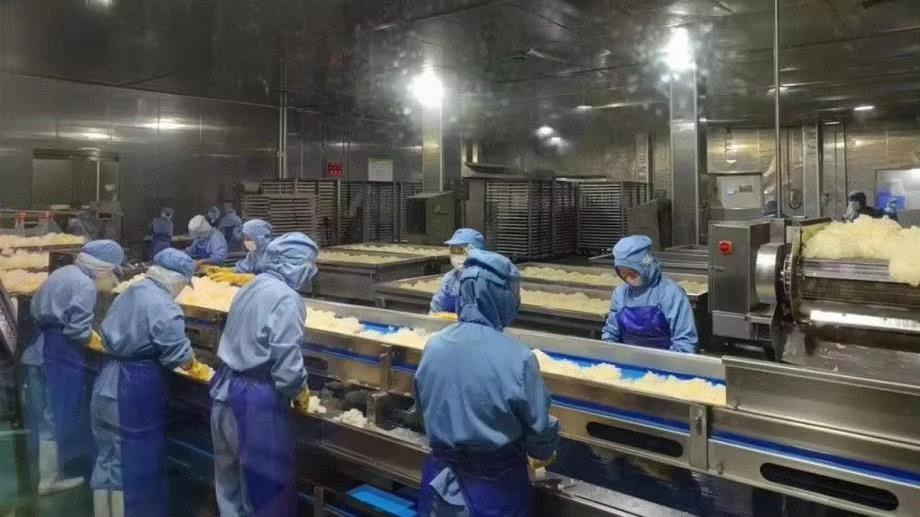
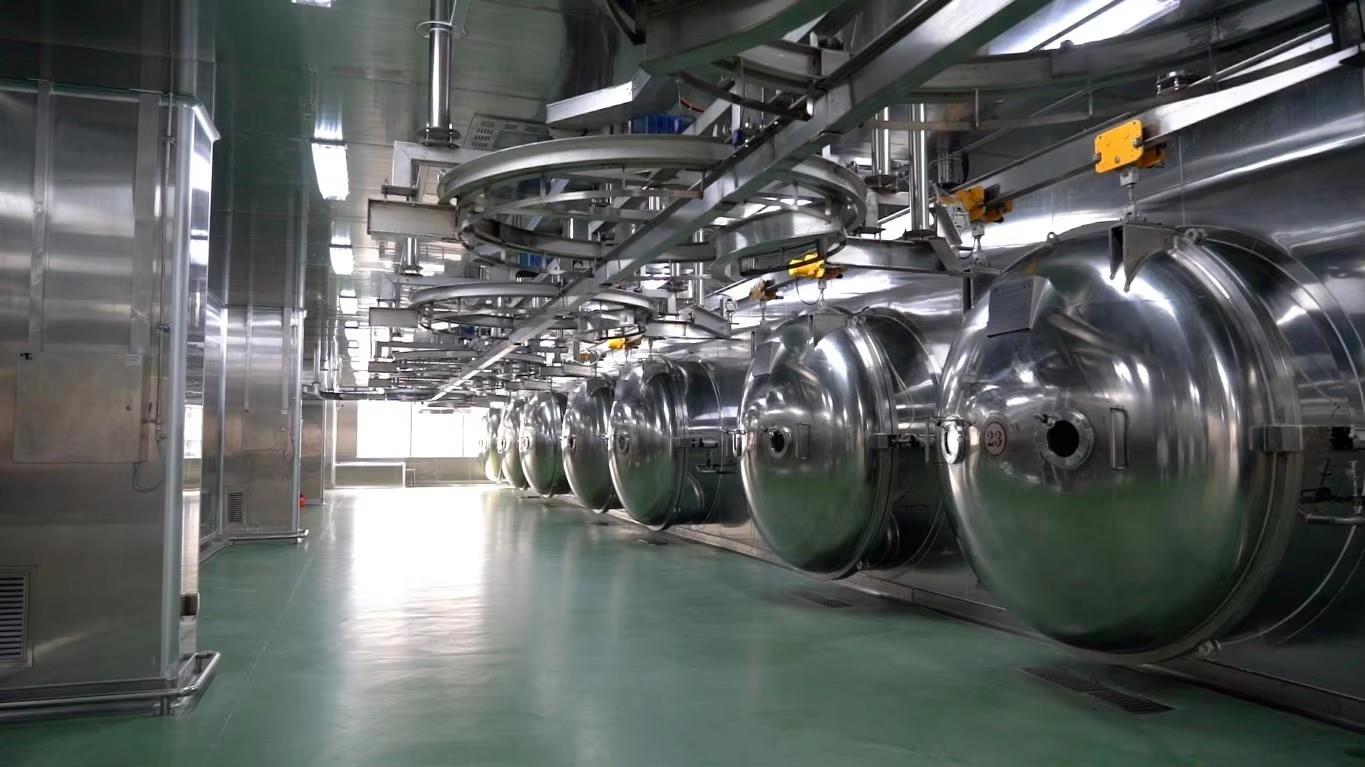
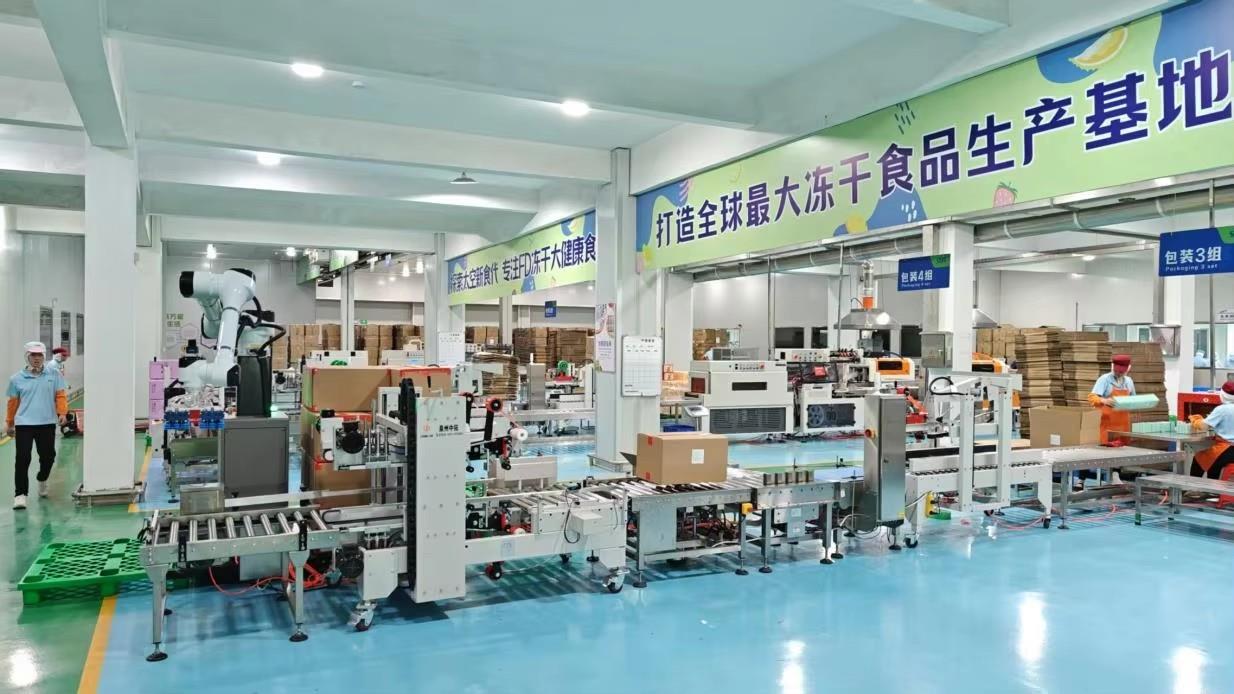
Fujian Fynergy Foods Co., Ltd. represents the zenith of Asian freeze-drying engineering. Operating from our vast 62,718 m² specialized manufacturing campus in Zhangzhou, Fujian, we integrate direct farm sourcing, automated sorting, precision flash sublimation, and cleanroom vacuum barrier packaging.
- Facility Scale:62,718 m² Total Footprint • 255 Verified Technicians
- Sublimation Infrastructure:37 Automated FD Lines • ~8,000 m² Chamber Area
- Cleanroom Standard:Class-100,000 Temperature & Humidity Controlled
- Intellectual Property:41 Authorized Technical Patents in Lyophilization
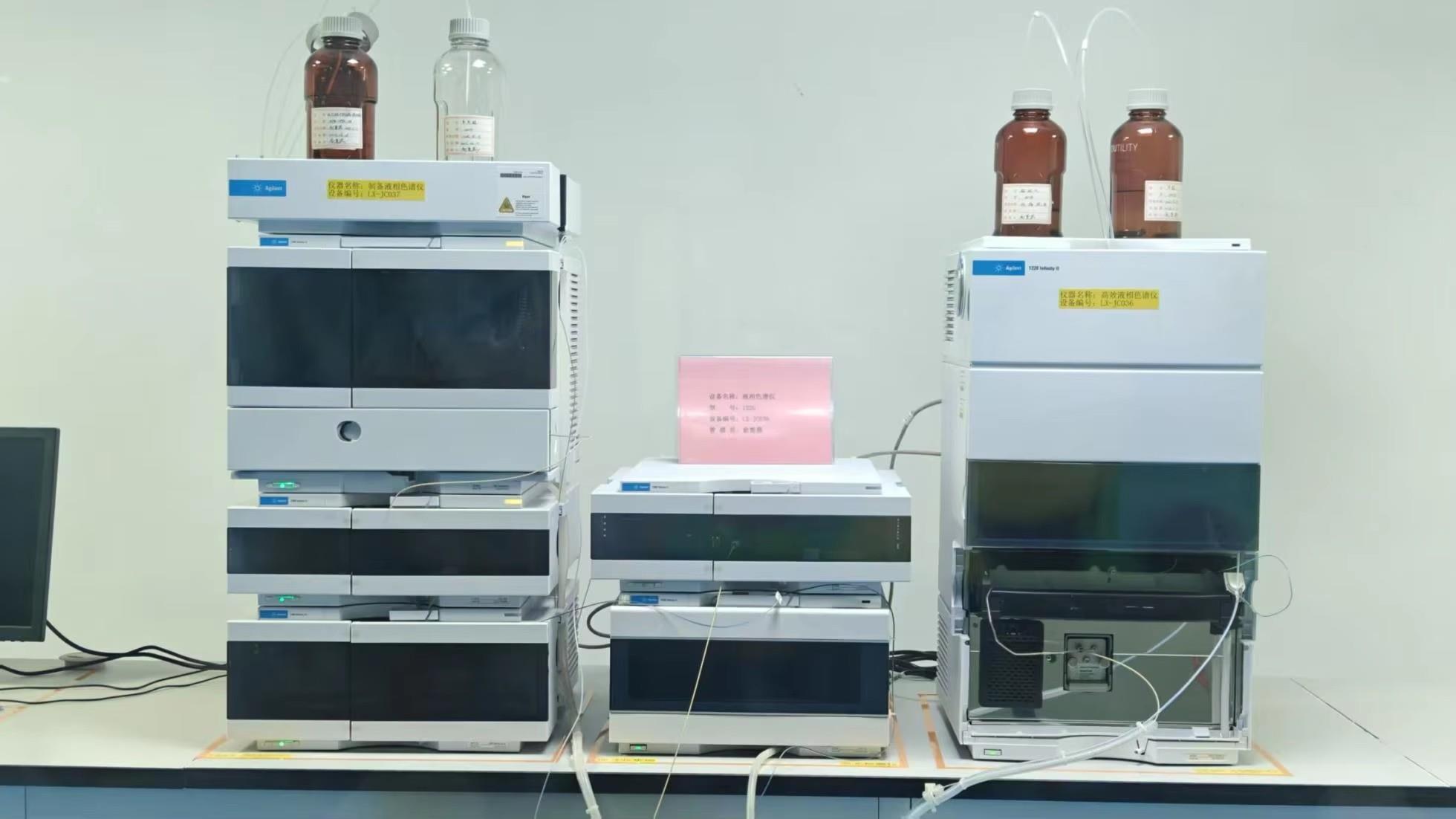
- Analytical Chemistry:In-house HPLC, Atomic Absorption & Fluorescence Labs
- Audited Track Record:Long-term supplier to global Fortune 500 Food Giants
Bordeaux & European Buyer Technical Procurement FAQ
Procuring freeze-dried botanical ingredients internationally requires absolute clarity on EU pesticide regulations, logistical transit, moisture barriers, and microbiological baselines. Below are key technical clarifications for French quality assurance and purchasing teams: