Featured Commercial Powders & Dehydrated Food Solutions
Complementing our core bulk tomato powders, our Fujian manufacturing facility exports high-purity spray-dried and freeze-dried botanical, fruit, and beverage bases directly to Kota Kinabalu industrial procurement teams.
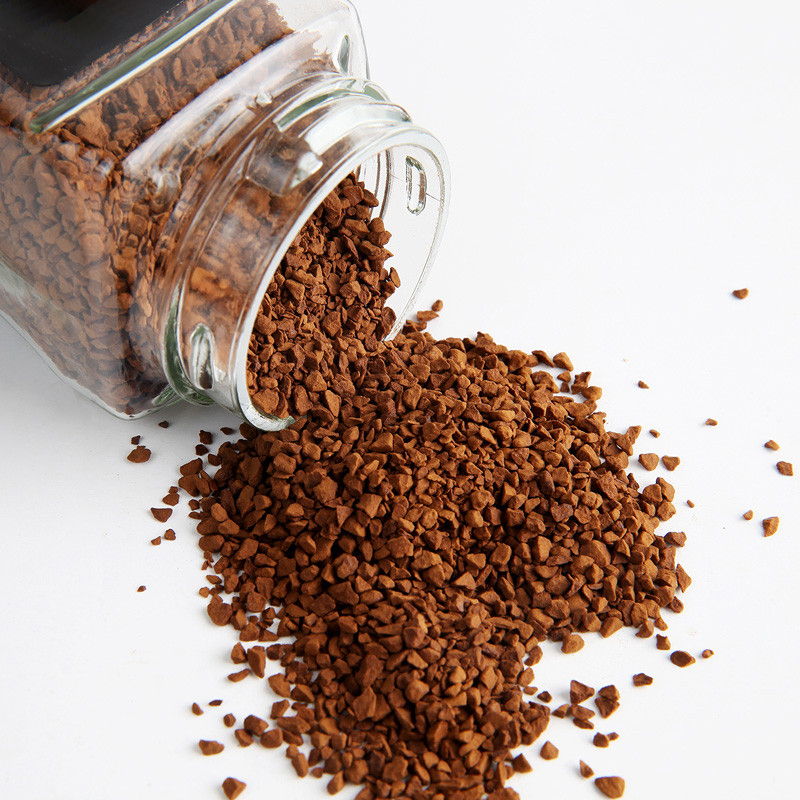
OEM Freeze Dried Instant Coffee Particle, Arabica Robusta Powder
View Specifications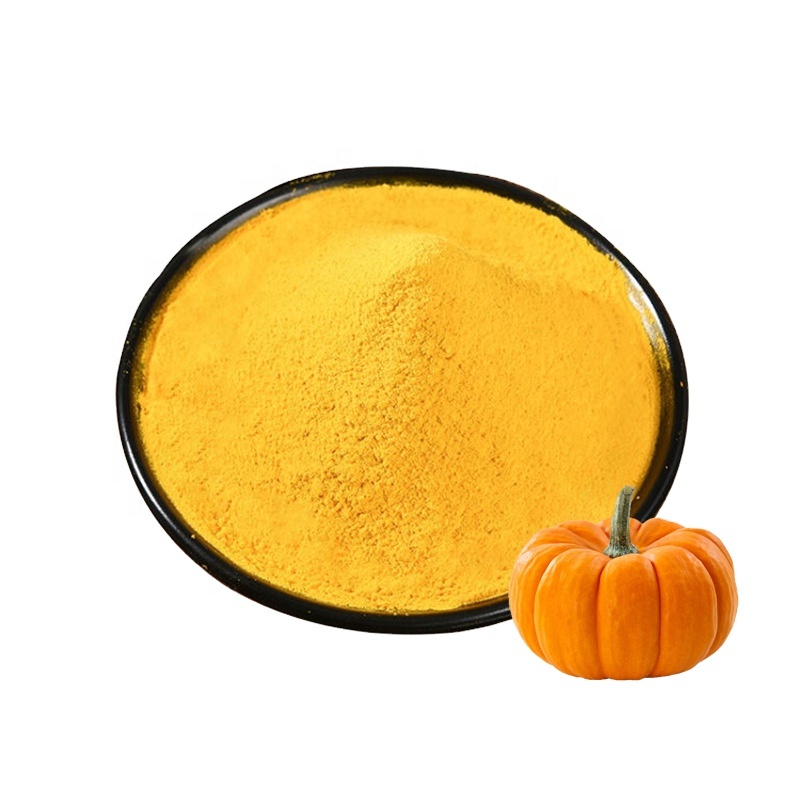
Wholesale Freeze Dried Vegetable Powder – Pure Pumpkin Powder
View Specifications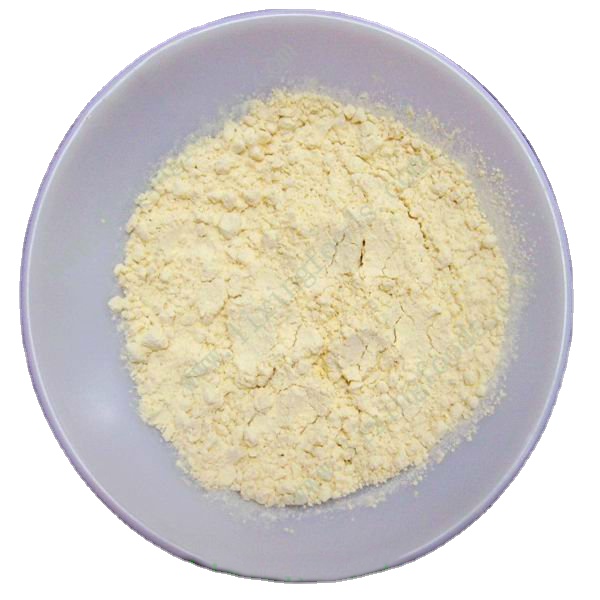
Organic Fruit Freeze Dried Banana Powder (Clean Label)
View Specifications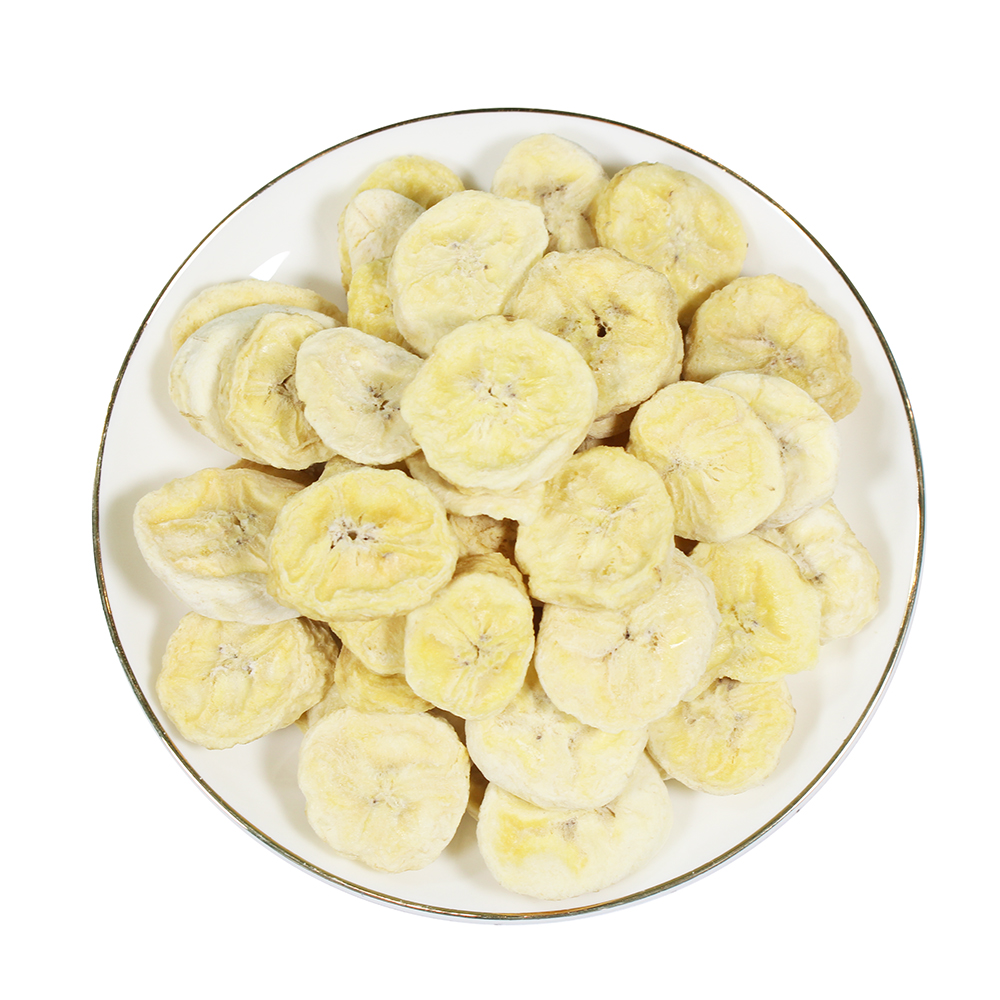
OEM Bulk Organic Freeze Dried Banana Chips, Slices & Powder
View Specifications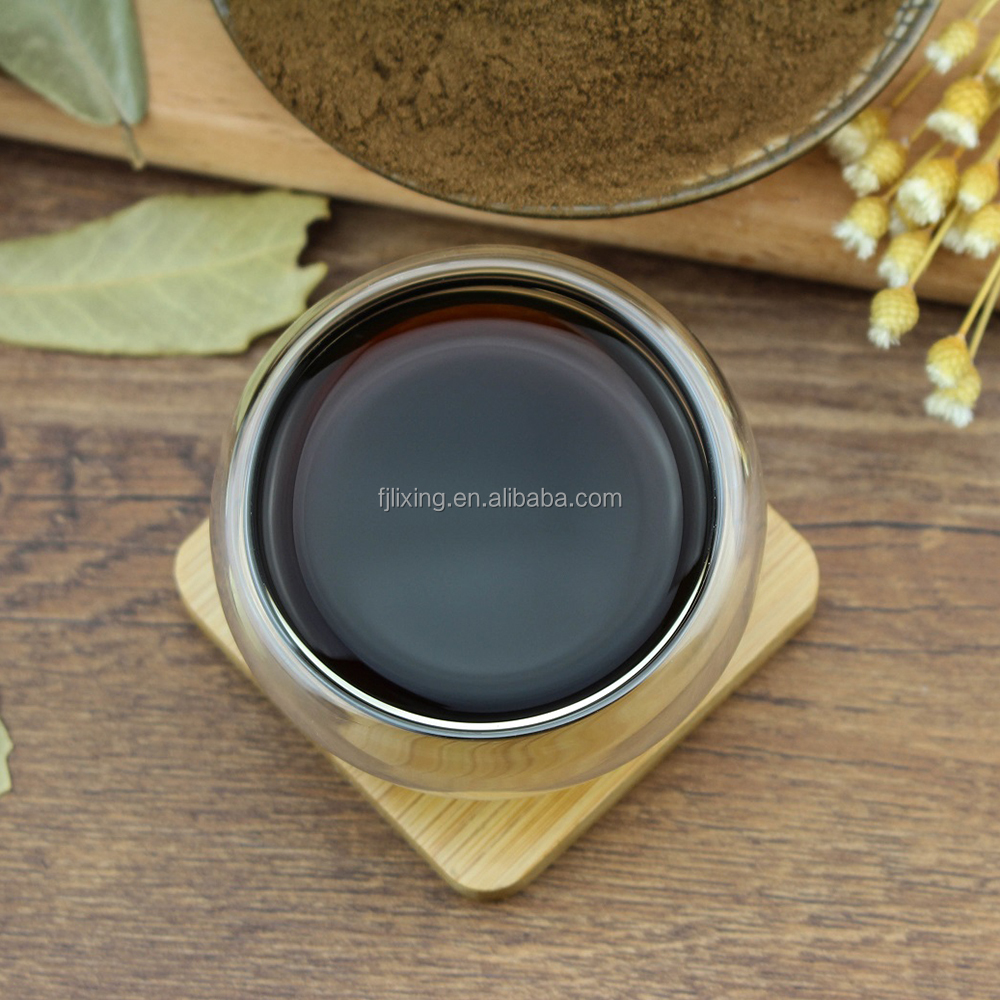
Factory Supply Dried Mesona Chinensis (Grass Jelly) Extract Powder
View Specifications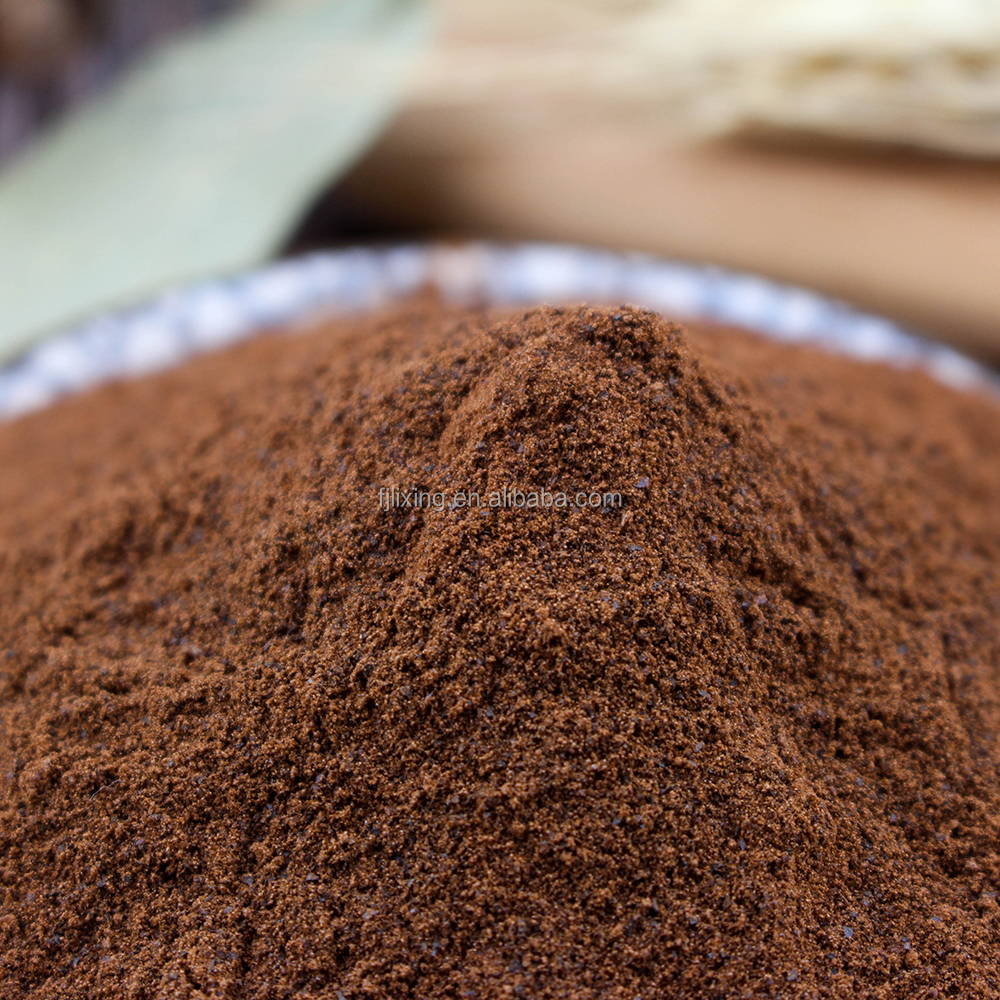
Customized Or Bulk Spray Dried Pu-erh Tea Extract Powder
View Specifications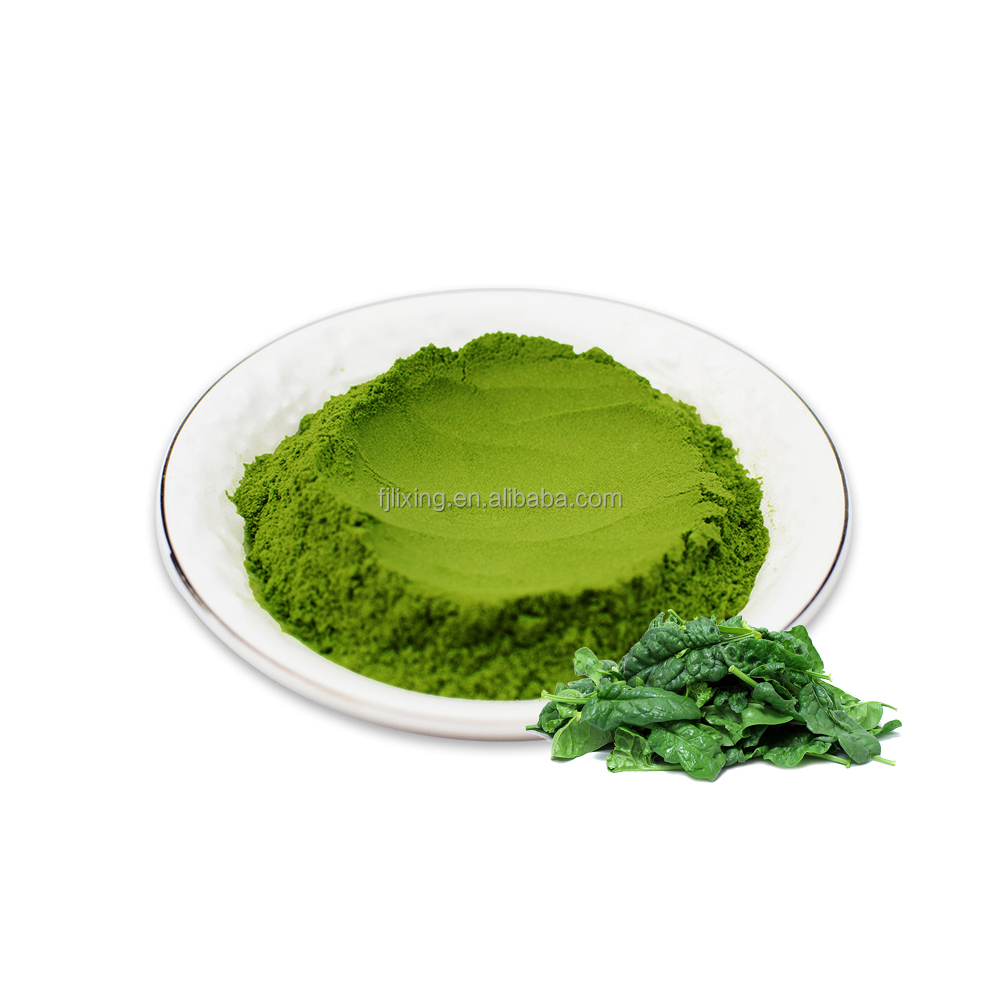
China Freeze Dried (FD) Spinach Vegetable Powder for Noodles & Soups
View Specifications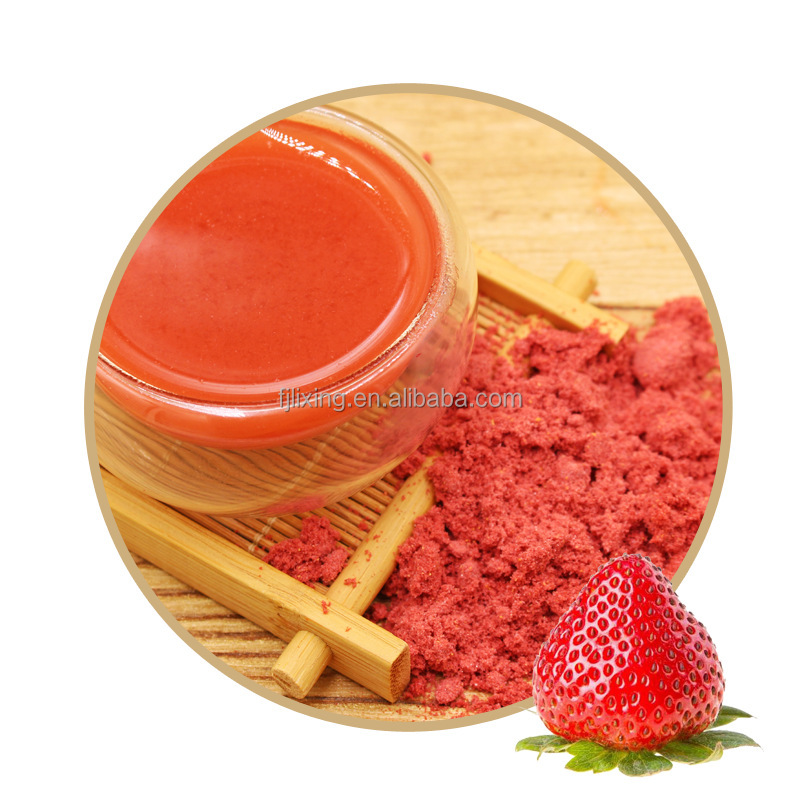
High-Quality Freeze Dried Instant Strawberry Fruit Powder
View SpecificationsVerified Production Metrics Underpinning Our East Malaysia Supply Chain
Procuring raw ingredients across the South China Sea into the Sepanggar Bay Container Port demands unyielding manufacturing capacity, rigorous batch traceability, and rapid export documentation clearance.
Engineering High-Brix Tomato Powder for Equatorial & Maritime Climates
Kota Kinabalu and the wider state of Sabah present distinct food processing and logistics challenges characterized by year-round high ambient temperatures (averaging 27°C to 32°C) and relative atmospheric humidity regularly exceeding 80% to 88%. Under these equatorial maritime conditions, conventional liquid or semi-viscous tomato inputs—such as double-concentrated (28–30° Brix) or triple-concentrated (36–38° Brix) canned tomato paste packaged in steel tins or aseptic drums—pose steep operational liabilities. Once an aseptic steel drum is opened in an East Malaysian central kitchen or sauce-blending plant, rapid enzymatic breakdown, oxidation, and microbial contamination create substantial product wastage unless kept under continuous, costly industrial refrigeration.
Our engineered dehydrated tomato powders solve this vulnerability at the molecular level. Derived from field-ripened, non-GMO processing tomatoes harvested at peak chromatic maturity, our facility utilizes two targeted industrial thermal methods: Vacuum Freeze-Drying (Sublimation) and Gentle Low-Temperature Spray-Drying. By capturing tomatoes at low thermal thresholds, we protect thermosensitive phytochemical compounds—specifically natural all-trans-lycopene, volatile aroma aldehydes (hexanal, (E)-2-hexenal), and organic fruit acids (citric and malic acids)—yielding a clean-label dry powder with an ultra-low water activity level (aw ≤ 0.28) that guarantees biological stability without the use of chemical preservatives or synthetic additives.
Hot Break (HB) Powder
Enzymatically deactivated above 90°C during pulping to preserve natural pectin chains. Yields exceptional viscosity, mouthfeel, and emulsion stability for thick Sabah BBQ sauces, commercial ketchup, and rich seafood hotpot broths.
Cold Break (CB) Powder
Milled at temperatures below 65°C to preserve natural pectolytic enzymes, delivering a brighter ruby-red color, higher natural acidity, and fresh, herbaceous flavor notes. Ideal for instant drinking soups, vegetable juices, and dry seasonings.
Vacuum Freeze-Dried (FD) Flakes
Dried at negative chamber temperatures via ice-crystal sublimation. Preserves 98%+ of raw nutrient density and cellular structure, offering rapid 10-second rehydration for instant noodle condiments and premium HoReCa recipes.
Tropical Barrier Packaging
To withstand Sabah’s maritime moisture exposure during sea transit and warehouse staging, our bulk tomato powder is sealed inside high-barrier multi-ply aluminum-foil laminate bags with food-grade dry nitrogen purging.
Physical, Chemical & Microbiological Export Standards
Rigorous parameters maintained by our in-house testing laboratory equipped with Liquid Chromatography (HPLC) and Atomic Absorption Spectrophotometry to guarantee frictionless customs clearance under the Malaysian Food Act 1983.
| Analytical Parameter | Spray-Dried HB Tomato Powder | Spray-Dried CB Tomato Powder | Vacuum Freeze-Dried (FD) Pure Powder | Testing Methodology |
|---|---|---|---|---|
| Raw Material Equivalent | 1 kg powder = ~20–22 kg fresh tomatoes | 1 kg powder = ~19–21 kg fresh tomatoes | 1 kg powder = ~22–24 kg fresh tomatoes | Mass Balance Conversion |
| Brix Equivalent (Reconstituted) | ≥ 28–30° Brix at 1:4 dilution | ≥ 24–28° Brix at 1:4 dilution | ≥ 30–32° Brix at 1:4.5 dilution | Refractometer (20°C) |
| Moisture Content | ≤ 4.0% | ≤ 4.0% | ≤ 3.0% | Vacuum Oven Drying (70°C) |
| Water Activity (aw) | ≤ 0.32 | ≤ 0.30 | ≤ 0.25 | Chilled Mirror Dew Point |
| Lycopene Content | ≥ 1,200 mg/kg dry basis | ≥ 1,450 mg/kg dry basis | ≥ 1,800 mg/kg dry basis | HPLC / Spectrophotometry |
| Particle Size Distribution | 60–80 Mesh (Customizable) | 80–100 Mesh (Fine) | 40–80 Mesh Granular / Powder | Standard Sieve Analysis |
| Total Plate Count (TPC) | < 5,000 CFU/g | < 5,000 CFU/g | < 1,000 CFU/g | ISO 4833-1 Standard |
| Yeast & Mold | < 50 CFU/g | < 50 CFU/g | < 20 CFU/g | ISO 21527-2 Standard |
| Heavy Metals (Pb, As, Cd) | Conforms to Malaysia MRL / Codex | Conforms to Malaysia MRL / Codex | Conforms to Malaysia MRL / Codex | Atomic Absorption Spectrometry |
Localized Commercial Applications Across Kota Kinabalu Industries
From the bustling seafood emporiums along the Kota Kinabalu Waterfront and Gaya Street dining precincts to high-capacity noodle manufacturing facilities in Inanam and Kolombong, our tomato powders seamlessly integrate into regional product lines.
Sabah Seafood Hotpot & Tomato Fish Noodle Broths
Kota Kinabalu’s signature tomato fish noodle soups (a culinary staple from Hilltop to Damai) require consistent sweet-and-sour depth and rich red coloration. Using our hot-break tomato powder allows culinary operators to achieve instantaneous emulsion stability and uniform viscosity across large-volume boiling kettles without batch-to-batch variations associated with off-season fresh market produce.
Extruded Snack Coatings & Sabah Keropok Dustings
Local snack food extruders and keropok processors in the Kota Kinabalu Industrial Park (KKIP) blend our 80-mesh cold-break tomato powder with native spices to craft sweet tomato chili dustings. The microscopic surface adherence of our spray-dried particles prevents oil clumping and creates a brilliant chromatic appearance on fried and baked starch substrates.
Dry Soup Sachets & Instant Sabah Bihun Mixes
East Malaysia's dry noodle manufacturers leverage our ultra-low moisture powder (≤3.5%) to formulate instant sachet seasonings that resist caking inside humid retail display racks. The powder reconstitutes instantly upon contact with boiling water, reproducing the savory mouthfeel and pleasant acidity of long-simmered vine tomatoes.
Emulsified Sausages, Corned Beef & Meat Canning
For Sabah-based meat processors producing Halal poultry frankfurters, burger patties, and canned stews, our hot-break tomato powder acts as both a natural colorant and moisture-binding hydrocolloid partner. It stabilizes fat-water emulsions while imparting a clean-label savory acidity that balances rich poultry and beef lipids.
Industrial Sambal & Malaysian Tomato Chili Pastes
Commercial sauce producers manufacturing ambient bottled sambal and dipping pastes across East Malaysia utilize concentrated tomato powder to control initial water activity. By reconstituting powder directly with oil and vinegar, processors accelerate reduction cooking times by up to 60%, drastically cutting liquid diesel and natural gas expenditures.
Functional Lycopene Blends & Instant Soup Cups
Urban wellness consumers in Kota Kinabalu increasingly demand functional, preservative-free convenience foods. Our vacuum freeze-dried tomato powder serves as an optimal whole-food base for shelf-stable instant meal replacement shakes, tomato collagen beverages, and clean-label dietary soup formulations.
Overcoming Sabah’s Freight Constraints: The Total Cost of Ownership Advantage
Analyzing the logistical transition from wet canned pastes to dehydrated powders through the Sepanggar Bay Container Port.
Commercial food processors in Kota Kinabalu, Sandakan, and Tawau face unique logistical overheads. Due to cabotage and regional maritime feeder routing, freighting goods from Peninsular Malaysia (Port Klang) or direct transshipment across the South China Sea incurs significant TEU (Twenty-Foot Equivalent Unit) ocean rates and local port handling fees at the Sepanggar Bay Container Port. Importing standard 28–30° Brix tomato paste means purchasing and shipping approximately 70% to 72% deadweight water volume, packaged in cumbersome steel drums that consume valuable warehouse floor space in industrial hubs like Inanam and Kolombong.
By transitioning to high-potency dehydrated tomato powder (which concentrates fresh tomato solids by a factor of 20:1), Sabah manufacturers achieve dramatic operational efficiencies:
75% Freight Weight Reduction
One metric ton of our spray-dried tomato powder yields the equivalent solids of up to 20 metric tons of fresh vine tomatoes. Eliminating hydrated bulk allows Kota Kinabalu importers to maximize container payload weight limits while slashing landed transportation cost per kilogram of active tomato solids.
Zero Cold-Chain Overhead
Unlike open drums of concentrated paste that degrade rapidly under tropical heat, sealed nitrogen-flushed powder bags remain biologically stable at ambient warehouse conditions (20–28°C) for 24 months, completely eliminating costly walk-in chiller energy usage.
Zero Metal Capping & Leaching Risk
Canned pastes often suffer from acidic tinplate corrosion and lacquer pinholing when stored in coastal warehouses with high salinity and humidity. Our foil laminate barrier packaging avoids all metal migration hazards, guaranteeing pure sensory purity.
Fujian Manufacturing Prowess: Why Leading Brands Partner With Us
Operating one of China's most technologically integrated dehydration complexes, our facility blends decades of raw agricultural expertise with advanced analytical chemistry.
Class-100,000 Cleanroom Workshops
All post-drying milling, sieving, and primary packaging operations occur inside positively pressurized Class-100,000 pharmaceutical-grade cleanrooms. This prevents environmental airborne microflora and ambient humid air from contacting low-moisture powders during the critical sealing window.
State-of-the-Art In-House Laboratory
Every commercial production run undergoes comprehensive multi-stage screening. Our testing center is equipped with High-Performance Liquid Chromatography (HPLC) for lycopene and organic acid assay, Atomic Absorption Spectrophotometry (AAS) for heavy metals, and automated microplate readers for rapid microbiological screening.
Global Quality & Halal Governance
Certified under BRCGS Global Standard for Food Safety (Grade AA), HACCP, and ISO 22000:2018. Crucially for Sabah's diverse multi-ethnic market, our processing pathways strictly adhere to international Halal guidelines, fully compliant for downstream JAKIM-certified manufacturing lines.
Frequently Asked Questions by Kota Kinabalu Food Importers
Clear, direct answers regarding shipping logistics to Sepanggar Port, humidity management, Halal certification, and custom formulation blending.
What is the standard shipping transit time to Sepanggar Bay Container Port?
Shipments depart directly from Xiamen Port (Fujian), offering direct or quick feeder connections to Sepanggar Port (Kota Kinabalu). Ocean transit typically ranges between 10 to 16 days depending on line scheduling, ensuring rapid order fulfillment and fresh inventory cycles for East Malaysian processors.
How do you prevent the powder from clumping in Sabah's high humidity?
Tomato powder is naturally hygroscopic due to its rich fructose and glucose content. We package bulk powders in heavy-duty multi-layer aluminum barrier bags flushed with high-purity dry nitrogen gas. Bags are heat-welded and packed inside heavy-ply corrugated cartons. Once opened in your facility, we advise resealing immediately or storing in climate-controlled dispensing zones.
Are your tomato powders certified for Halal production lines in Malaysia?
Yes. Our tomato powders are derived solely from 100% natural processing tomatoes without animal derivatives, alcohol processing aids, or synthetic processing chemicals. Our plant undergoes periodic Halal audit verifications, making our raw ingredients suitable for manufacturers holding or pursuing JAKIM or MUIS Halal certification in Sabah.
What is the standard rehydration ratio to match commercial tomato paste?
To reconstitute our spray-dried hot break powder to standard double-concentrated tomato paste (approximately 28° Brix), blend 1 part powder with 3.5 to 4.0 parts potable water by weight. For a standard single-strength culinary tomato juice or broth base (approx. 5.5° Brix), use 1 part powder to 18–20 parts water.
What are the minimum order quantities (MOQ) for custom mesh sizes?
Standard export stock (60–80 mesh) is available with an MOQ of 500 kg to 1,000 kg for trial sea freight consolidation. For custom superfine milling (100–120 mesh) or customized anti-caking formulations (such as incorporating food-grade silicon dioxide ≤ 1% or rice starch), standard production runs begin at 2,000 kg.
Can you provide comprehensive testing documentation for import clearance?
Every commercial container is accompanied by a batch-specific Certificate of Analysis (COA), Phytosanitary Certificate issued by China Customs, Certificate of Origin (Form E for ASEAN tariff reduction), Non-GMO Statement, Heavy Metal & Pesticide Residue Test Reports, and Packing List.
Connect Directly with Our Export Engineering Desk
Whether you are formulating a new instant noodle soup sachet, scaling commercial seafood hotpot production, or seeking containerload CIF Sepanggar pricing, our food scientists and export logistics specialists are prepared to assist.