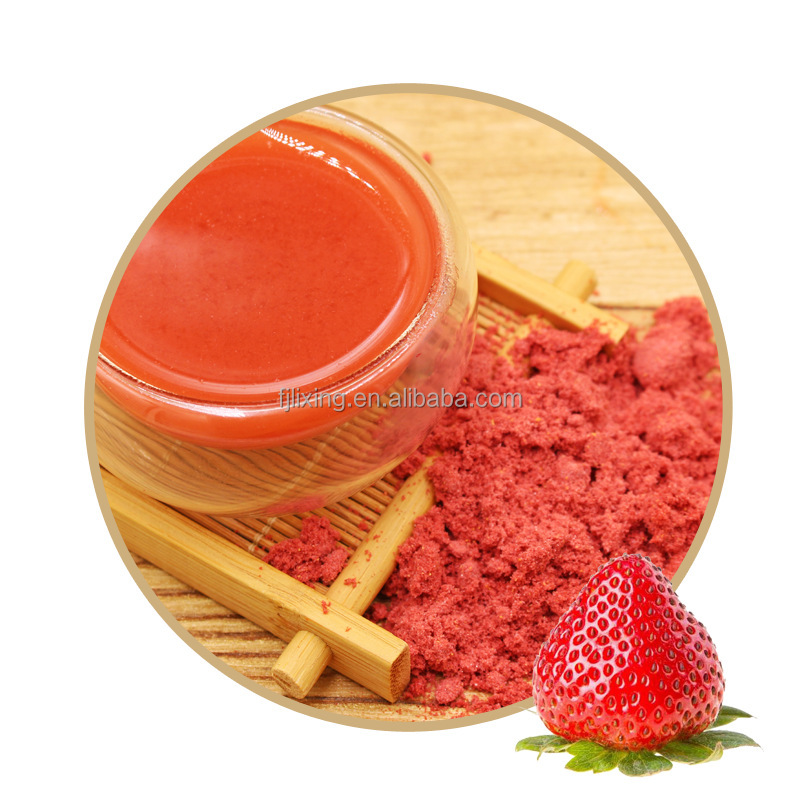
Factory Catalog Showcase
High-Quality Freeze-Dried Ingredients & Finished SKUs
Explore our export-grade freeze-dried fruits, coffee, vegetable powders, and extract ingredients tailored for Kosovan food manufacturers and retail distributors.
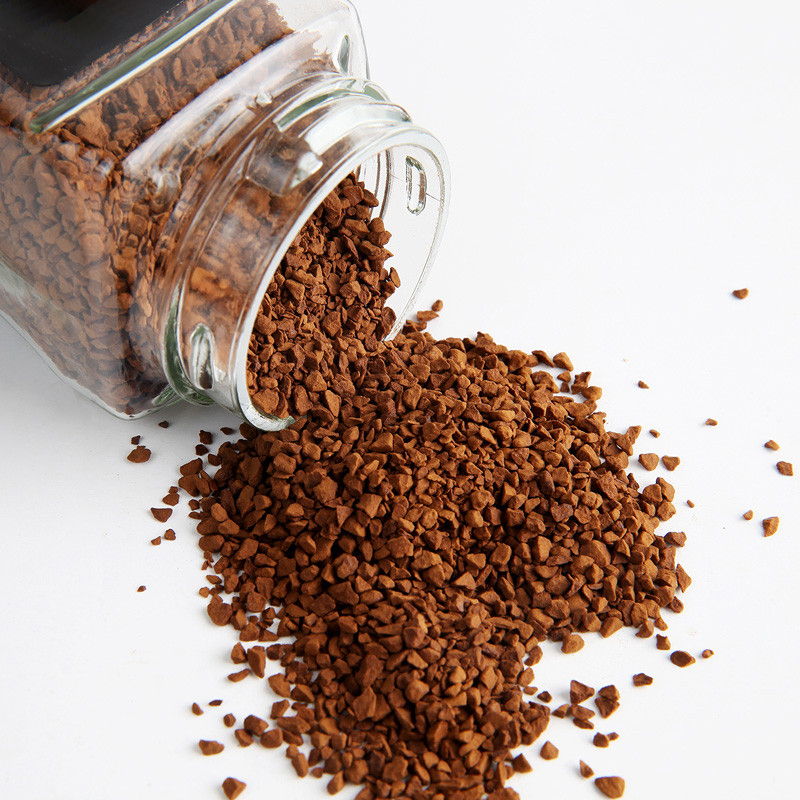
OEM Freeze Dried Instant Coffee Particle, Arabica Robusta Freeze Dried Instant Coffee Powder
View Details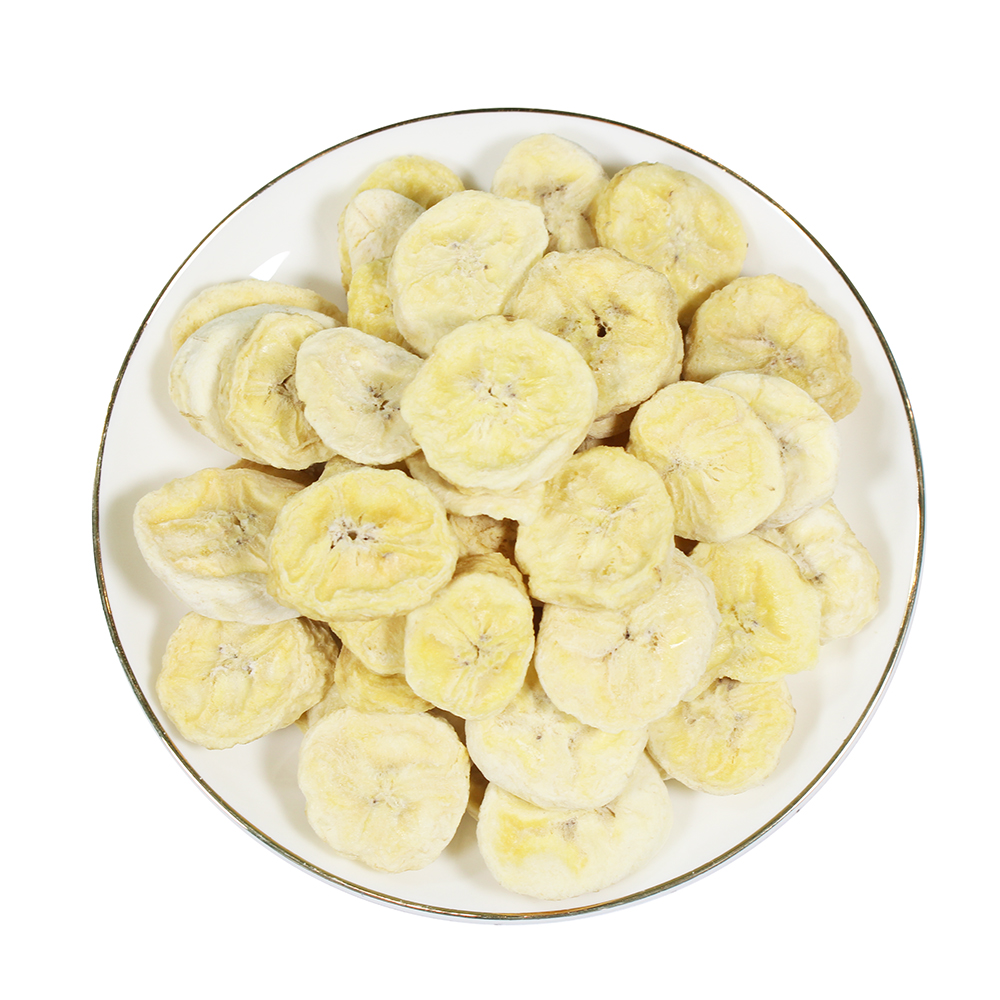
OEM Selling Freeze Dried Organic Banana Bulk Chips/slice/extract Powder Freeze Dried Fruit Natural Organic Freeze Dried Banana
View Details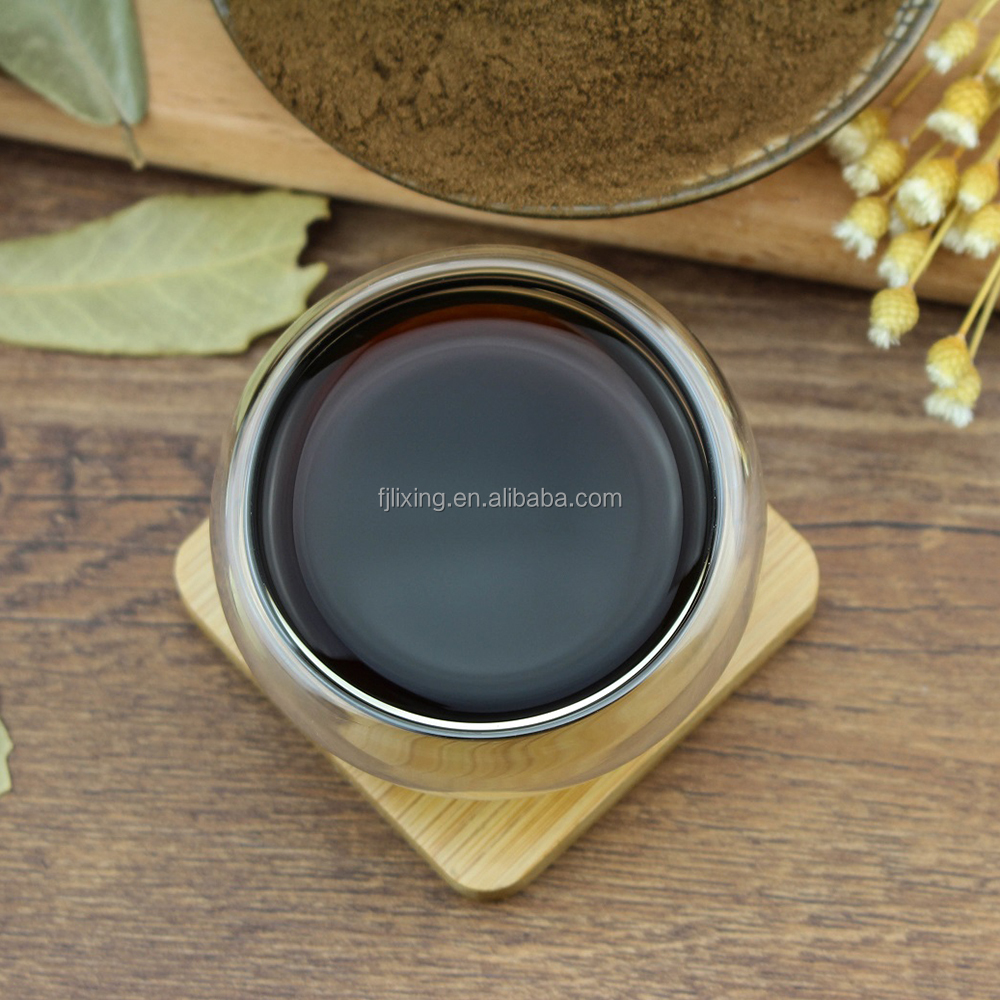
Factory Supply Dried Mesona Chinensis Powder, Mesona Procumbens Extract Powder
View Details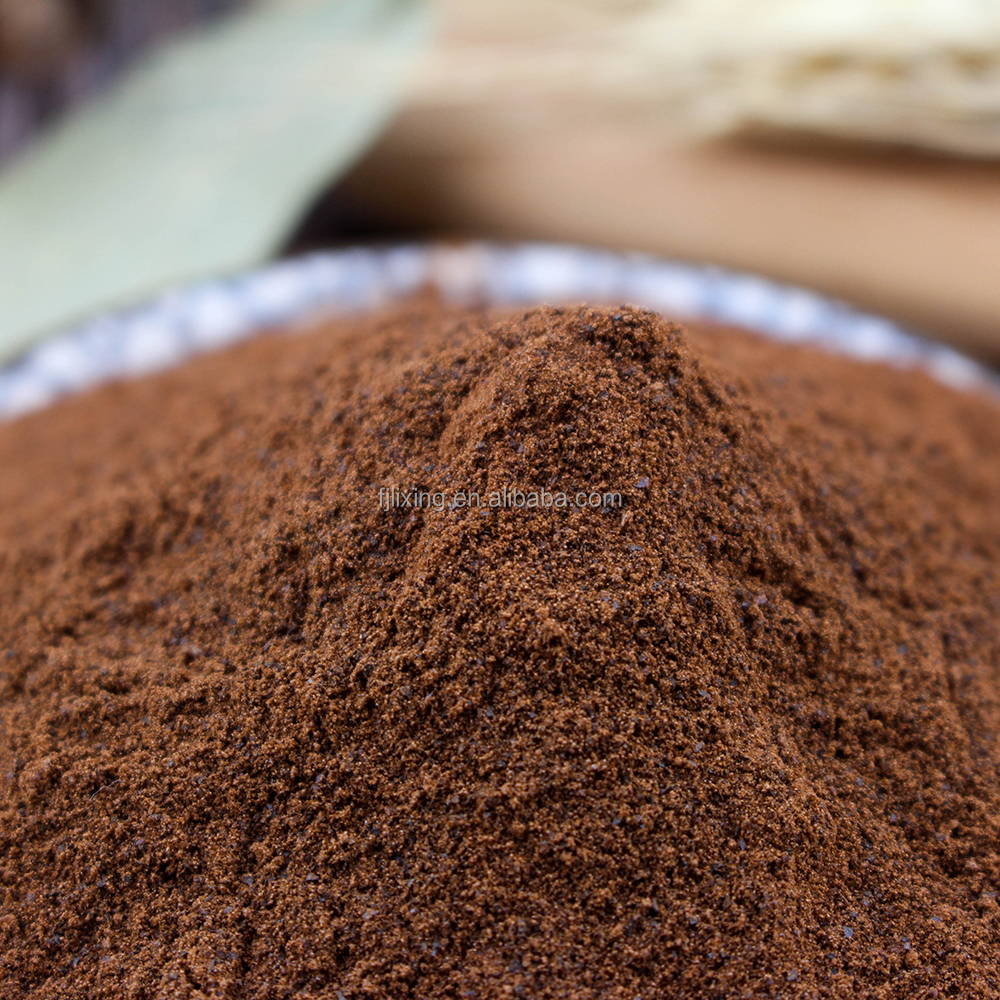
Customized Or Bulk Spray Dried Puer Tea Powder
View Details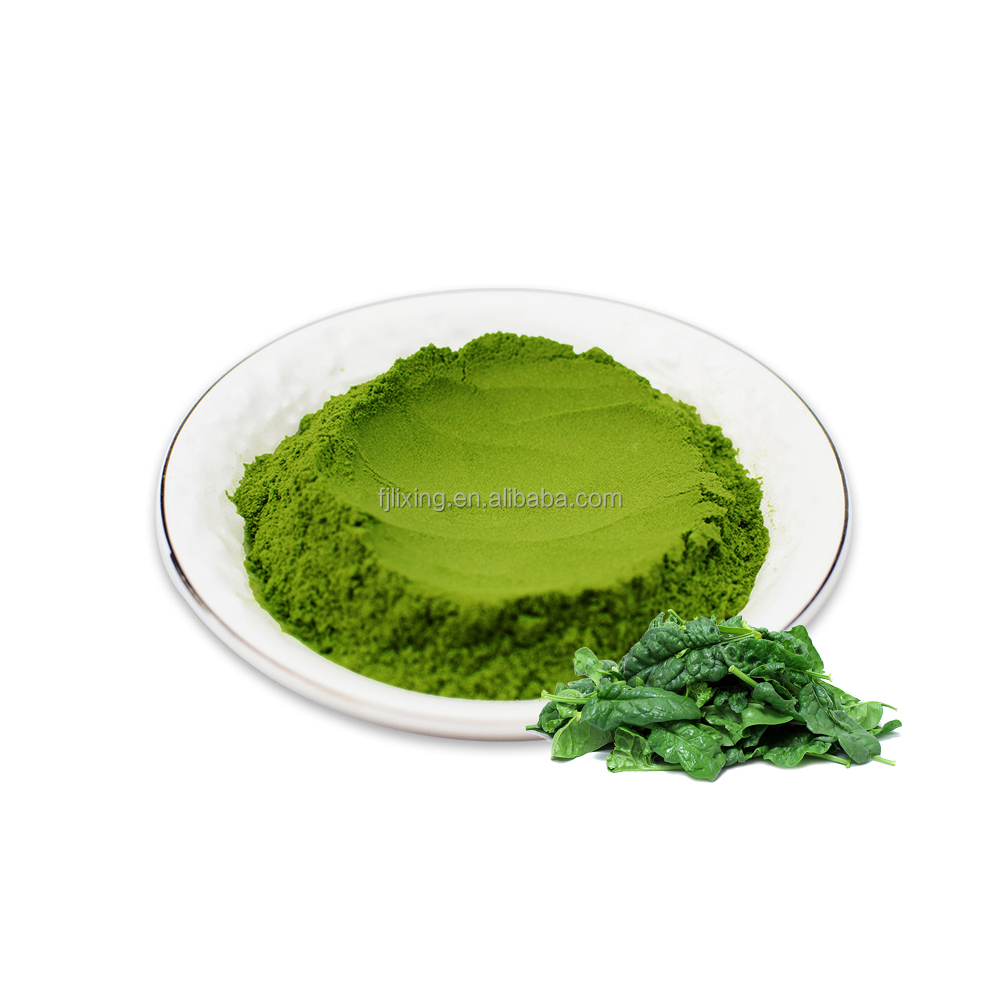
China Freeze Dried Fd Spinach Vegetable Powder
View Details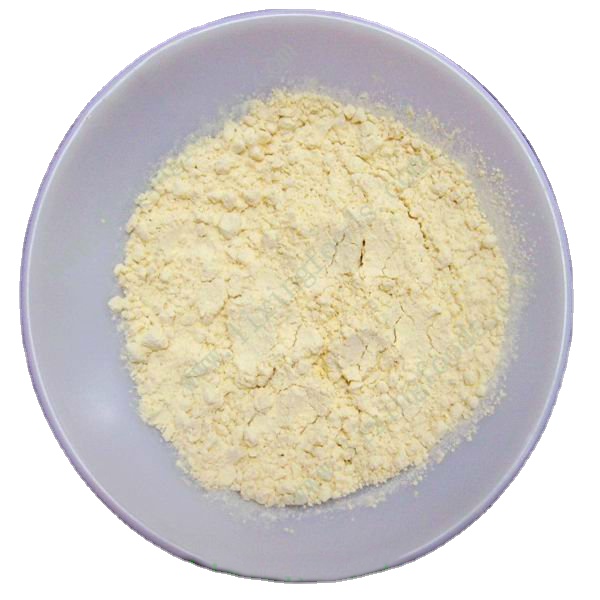
Organic Fruit Freeze Dried Banana Powder
View Details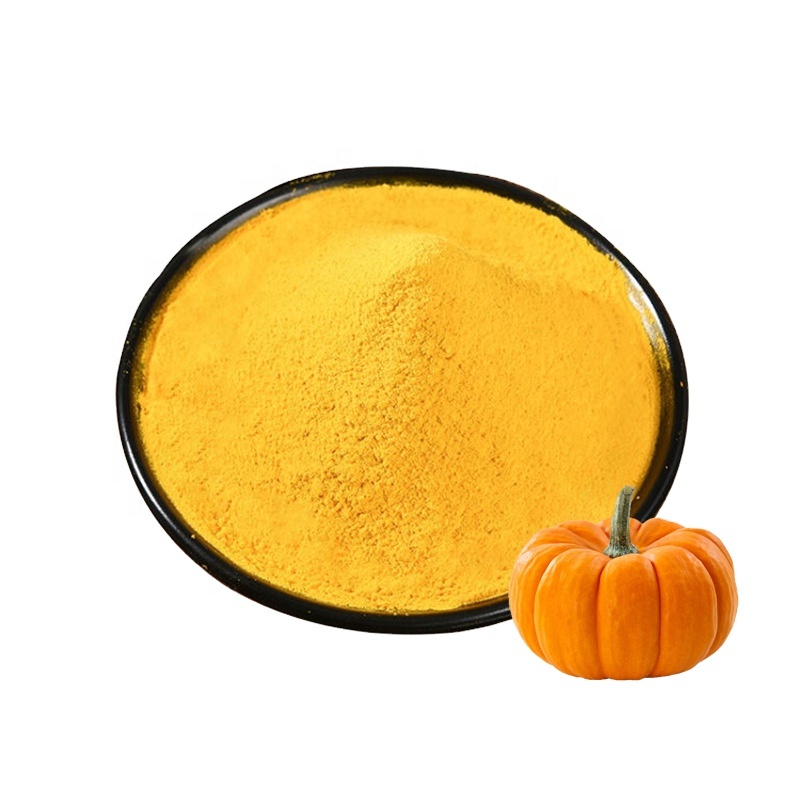
Wholesale Freeze Dried Vegetable Fruit Powder of Freeze-dry Pumpkin Powder
View Details37
Industrial FD Lines
62,718 m²
Production Base Area
8,000 m²
FD Chamber Area
41
Authorized Patents
Executive Industry Whitepaper
Freeze-Dried Yogurt Manufacturing Dynamics in Kosovo & The Western Balkans
The global dairy sector is undergoing a structural paradigm shift from short-shelf-life, chilled fermented products to ultra-stable, light-weight, and nutrient-dense snack formats. In Kosovo, where domestic dairy farming (accounting for significant agricultural output across regions like Dukagjini and Anamorava) produces rich raw milk resources, food processing enterprises face a strategic challenge: how to convert perishable dairy solids into high-margin, shelf-stable consumer products capable of international export without relying on expensive cold-chain logistics.
Freeze-dried yogurt melts, drops, and functional probiotic yogurt powders represent the pinnacle of modern dairy dehydration technology. Unlike conventional hot-air drying or spray drying—which degrades heat-sensitive proteins, destroys active probiotic strains (such as Lactobacillus bulgaricus and Streptococcus thermophilus), and causes sugar caramelization—vacuum freeze-drying (lyophilization) preserves the complete structural, micro-ecological, and sensory integrity of natural yogurt.
This technical whitepaper provides Kosovo dairy processors, brand owners, FMCG importers, and retail distributors across Pristina, Prizren, Peja, and Ferizaj with an in-depth analysis of freeze-dried yogurt manufacturing. It explores the physical thermodynamics of freeze-drying, localized Balkan market application scenarios, compliance frameworks governed by the Food and Veterinary Agency of Kosovo (AUV - Agjencia e Ushqimit dhe Veterinarisë), and contract OEM manufacturing strategies via international production hubs like Fujian Fynergy Foods Co., Ltd.
1. Technical Foundation: The Lyophilization Thermodynamics of Cultured Dairy
Freeze-drying yogurt is a sophisticated multi-stage thermodynamic process that hinges on phase transition physics. Natural yogurt is composed of a complex matrix containing approximately 85%–88% water, milk fats, whey proteins (beta-lactoglobulin, alpha-lactalbumin), casein micelle networks, lactic acid, and live microbial cultures. Converting this fluid gel into a porous, crisp solid requires precise control over three core operational phases:
1
Deep Cryogenic Freezing
Yogurt formulations are rapidly chilled to below their eutectic point (-35°C to -45°C). Fast freezing induces micro-crystallization, forming tiny ice crystals that prevent casein network rupture and preserve a homogeneous porous matrix.
2
Primary Sublimation
Under deep vacuum pressures (typically 10 to 50 Pa) within sealed chambers, operational heat is carefully introduced. Water transitions directly from solid ice to vapor, removing over 90% of free moisture without melting the product structure.
3
Secondary Desorption
Bound moisture inside the protein matrix is desorbed by elevating chamber temperatures up to 30°C–40°C under ultra-low vacuum. Final residual moisture drops below 3% (water activity $a_w < 0.20$), ensuring room-temperature stability.
4
Hermetic Packaging
Extracted cubes are immediately transferred inside Class-100,000 cleanrooms to high-barrier aluminum laminate packaging under nitrogen flushing to prevent moisture re-absorption and fat oxidation.
Maintaining active probiotic counts is a key indicator of freeze-drying excellence. Conventional thermal evaporation reduces live bacterial counts by up to 6 logs (99.9999% mortality). In contrast, Fujian Fynergy Foods Co., Ltd. utilizes specialized cryoprotectant matrix blends (incorporating natural prebiotics like inulin and non-digestible oligosaccharides) and controlled shelf heating algorithms. This technology guarantees a survival rate exceeding 1×10^7 CFU/g of active probiotics throughout the product's 18 to 24-month shelf life.
2. Localized B2B Application Scenarios in Kosovo
Kosovo’s food market is experiencing rapid diversification. Driven by urbanization, rising disposable income, and strong alignment with European food trends, local brands are integrating freeze-dried yogurt into five major product categories:
Infant & Toddler Nutrition
Melt-in-the-mouth freeze-dried yogurt bites (strawberry, blueberry, banana) are gaining traction in Kosovan pharmacy chains and supermarket infant aisles. Their quick dissolution eliminates choking hazards while providing organic calcium and beneficial digestive cultures for toddlers.
Confectionery & Bakery Inclusions
Kosovo’s chocolate and biscuit manufacturers utilize crisp 2-5mm freeze-dried yogurt cubes as inclusions inside premium chocolate bars, praline fillings, and biscuit coatings. The low moisture content ($a_w < 0.2$) prevents sugar bloom and cocoa butter degradation.
Breakfast Cereal & Muesli Blends
Local breakfast food brands blend real fruit freeze-dried yogurt drops into oats, granola, and puffed wheat mixes. When milk or water is added, the yogurt drops instantly rehydrate, releasing fresh cultured flavor and rich creaminess.
HORECA & Artisanal Gelato Toppings
Pristina’s growing cafe and gelato culture relies on freeze-dried yogurt crumble as a dry topping for frozen yogurt, ice creams, milkshakes, and specialty desserts. It delivers a crunch that retains crispiness even in high-moisture dessert environments.
Functional Probiotic Powders
Fine-mesh freeze-dried yogurt powder serves as a functional ingredient for wellness beverage formulations, protein powders, and dietary supplements distributed across Western Balkan health stores.
Private Label FMCG Snack Pouches
Retail supermarket chains in Kosovo (such as local retail networks in Pristina) outsource private-label production of stand-up pouch yogurt snacks (15g–30g zip pouches) to expand their store-brand healthy snack category with zero operational overhead.
3. Quantitative Technical Comparison: Dehydration Technologies
To assist procurement directors and R&D engineers in Kosovo when assessing raw material inputs, the following data matrix highlights the operational differences between vacuum freeze-drying and alternative industrial drying formats:
| Performance Parameter | Vacuum Freeze-Drying (FD) | Spray Drying (SD) | Hot-Air Tray Drying (AD) |
|---|---|---|---|
| Operating Temperature | -40°C to +35°C (Sublimation) | +150°C to +220°C (Thermal) | +60°C to +90°C (Evaporative) |
| Probiotic Viability (CFU/g) | High Retention (> 1×10^7 CFU/g) | Severe Loss (< 1×10^2 CFU/g) | Complete Destruction (0 CFU/g) |
| Final Water Activity ($a_w$) | < 0.15 - 0.20 (Ultra Stable) | 0.25 - 0.35 (Hygroscopic) | 0.40 - 0.55 (Microbial Risk) |
| Structural Morphology | Porous, Crispy, Light Matrix | Dense Fine Powder | Shriveled, Hard, Chewy |
| Rehydration Speed | Instant (< 5 seconds) | Moderate (Requires Agitation) | Slow (> 10 minutes) |
| Shelf Life (Ambient Storage) | 18 - 24 Months | 6 - 12 Months | 3 - 6 Months |
4. Localized Development Trends & Sourcing Compliance in Kosovo
Sourcing freeze-dried dairy products into Kosovo requires navigating regulatory pathways and commercial trends unique to the Western Balkans. Key considerations for procurement teams include:
A. Regulatory Compliance under AUV Standards: Imported dairy derivatives must comply with Kosovo Law No. 04/L-191 on Livestock, Law No. 2004/21 on Food, and food hygiene standards overseen by the Agjencia e Ushqimit dhe Veterinarisë (AUV). Sourcing from certified manufacturers holding BRCGS (Global Food Safety Standard), HACCP, and ISO 22000 certifications simplifies import customs release at Border Crossing Points (such as Hani i Elezit and Vërmica).
B. Clean-Label Formulation & Halal Certification: Over 90% of Kosovo’s consumer demographic seeks clean-label, natural ingredients free from synthetic preservatives, artificial dyes, or hydrogenated fats. Furthermore, obtaining Halal Certification is essential for seamless market penetration across Kosovo, Albania, North Macedonia, and broader regional markets.
C. High-Barrier Packaging Against Balkan Climate Fluctuations: Kosovo experiences continental climate shifts, ranging from hot summers to humid winters. Freeze-dried yogurt is highly hygroscopic; if exposed to humidity above 40%, it quickly absorbs moisture, leading to structural collapse and loss of crunch. Enterprise suppliers like Fujian Fynergy Foods Co., Ltd. utilize 4-layer aluminum foil pouches (PET/AL/NY/PE) with inert nitrogen flushing to maintain zero degradation in ambient retail settings.
Manufacturing Partner Profile
Fujian Fynergy Foods Co., Ltd.: Enterprise OEM Infrastructure
While local Kosovan dairy factories excel at raw milk collection and traditional fluid processing, establishing an in-house vacuum freeze-drying plant requires capital expenditures exceeding €15 million for high-capacity equipment, cleanroom infrastructure, and continuous vacuum refrigeration systems. Partnering with a specialized international OEM manufacturer offers Kosovo brands immediate scale, uncompromised quality, and competitive unit pricing.
Fujian Fynergy Foods Co., Ltd. stands as a premier enterprise freeze-dried food manufacturer based in Zhangzhou, Fujian, China. Operating a massive 62,718 m² manufacturing complex equipped with 37 automated freeze-drying production lines and over 8,000 m² of vacuum chamber area, Fynergy supports global brand owners, food industrial buyers, and supermarket chains.
Fynergy's technical advantages include:
- Class-100,000 Cleanroom Workshops: Ensuring zero cross-contamination during product slicing, tray loading, and primary pouch sealing.
- Advanced In-House Analytical Testing Suite: Equipped with High-Performance Liquid Chromatography (HPLC), Atomic Absorption Spectrophotometry, Atomic Fluorescence Spectrophotometry, and automated Kjeldahl protein analyzers to test every batch for heavy metals, pesticide residues, and nutritional parameters.
- 41 Authorized Patents & Custom R&D Capabilities: In-house food technology engineers capable of co-developing custom yogurt formulations (e.g., sugar-free stevia blends, high-protein Greek yogurt bites, real fruit purees mixed with live cultured yogurt).
- Proven Global Track Record: Trusted OEM partner supplying leading international brands, retail chains, and Fortune 500 enterprises across Europe, North America, and Asia.
Procurement Guidance
Frequently Asked Questions for Kosovo Procurement Managers
What is the Minimum Order Quantity (MOQ) for custom private label freeze-dried yogurt bites in Kosovo?
For custom retail-ready pouches (e.g., 20g–30g printed stand-up zipper pouches), our standard manufacturing MOQ starts from 30,000 bags per SKU. For bulk raw material supply (supplied in double PE-lined 5kg or 10kg cartons for industrial food re-packers or bakeries in Kosovo), the MOQ starts from 100 kg to 300 kg depending on the specific flavor formulation.
How do you maintain live probiotic viability during long-distance maritime and land transport to Kosovo?
Our freeze-drying process lowers water activity ($a_w$) to under 0.20, placing live bacterial cultures into a stable state of suspended animation (anhydrobiosis). Combined with our 4-layer aluminum foil hermetic packaging and nitrogen gas flushing, the probiotics remain stable at room temperature (+25°C) for up to 24 months without requiring refrigerated transport containers.
Can Fujian Fynergy Foods formulate Kosovan regional flavor preferences, such as local berry or honey blends?
Yes. Our R&D application lab specializes in custom recipe development. We can formulate yogurt bases using natural wild blueberry, sour cherry, forest honey, organic strawberry, or tropical fruit purees, as well as adjusting sweetness levels or utilizing sugar-free natural sweeteners (such as erythritol or stevia) to meet your exact market brief.
What documentation is provided to clear customs through the Kosovo Food and Veterinary Agency (AUV)?
Every export shipment is accompanied by a complete food safety documentation pack, including Certificate of Analysis (COA) from our accredited lab, Health/Sanitary Certificate, Phytosanitary Certificate (for fruit ingredients), Certificate of Origin, Packing List, Commercial Invoice, and copies of our BRCGS, HACCP, ISO 22000, and Halal certificates.
What are the lead times for OEM production and delivery to the Port of Durrës / Pristina logistics hubs?
Sample development and specification sign-off take approximately 7–10 days. Once artwork for private label pouches is approved, mass production requires 20–25 days. Transit time via ocean freight to regional ports (such as Durrës or Thessaloniki), followed by bonded truck transport to Pristina or Prizren, typically ranges between 28 and 35 days.
Accelerate Your Freeze-Dried Product Launch in Kosovo
Partner with an enterprise OEM manufacturer backed by 37 freeze-drying lines, BRCGS certifications, and full R&D support. Request our full product catalog, technical specification sheets, and trial sample kits today.