Bakery & Dairy
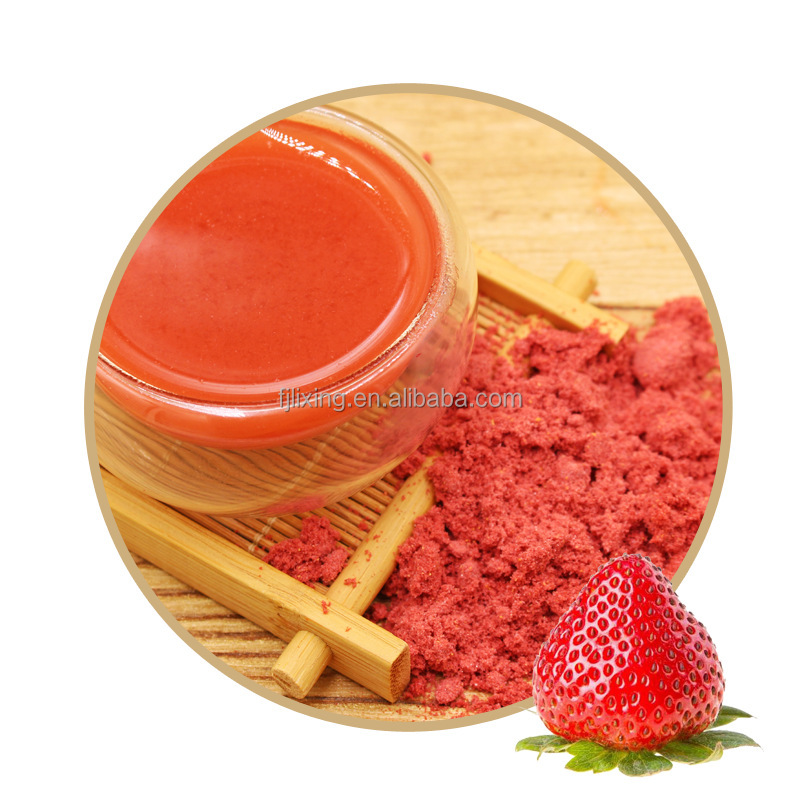
Explore our core product lines manufactured under verified BRCGS, HACCP, and ISO 22000 processing conditions. Designed for rapid reconstitution, clean-label compliance, and direct multimodal logistics into Warsaw warehousing hubs.
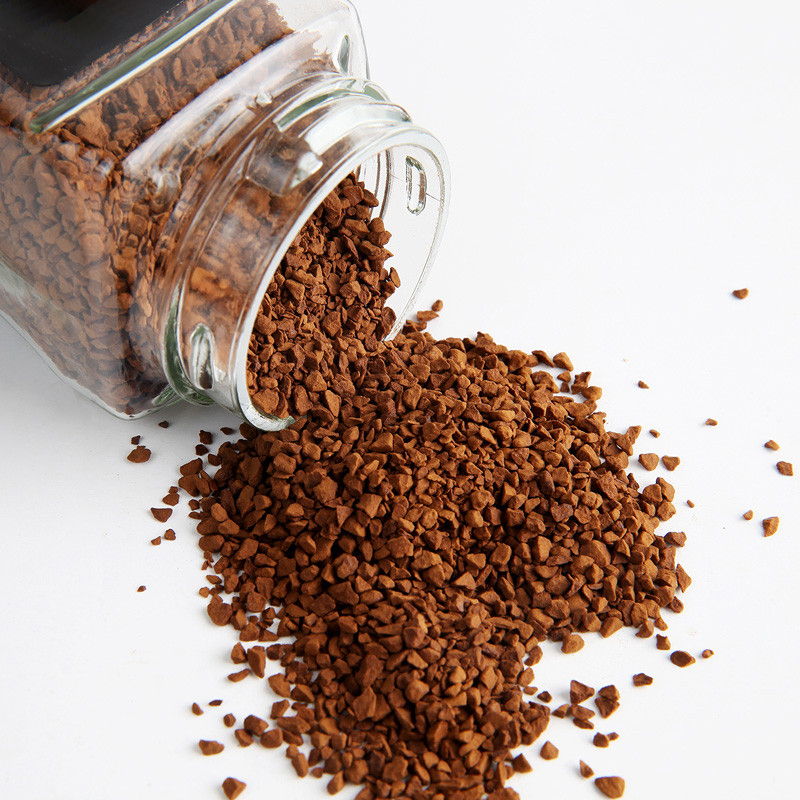
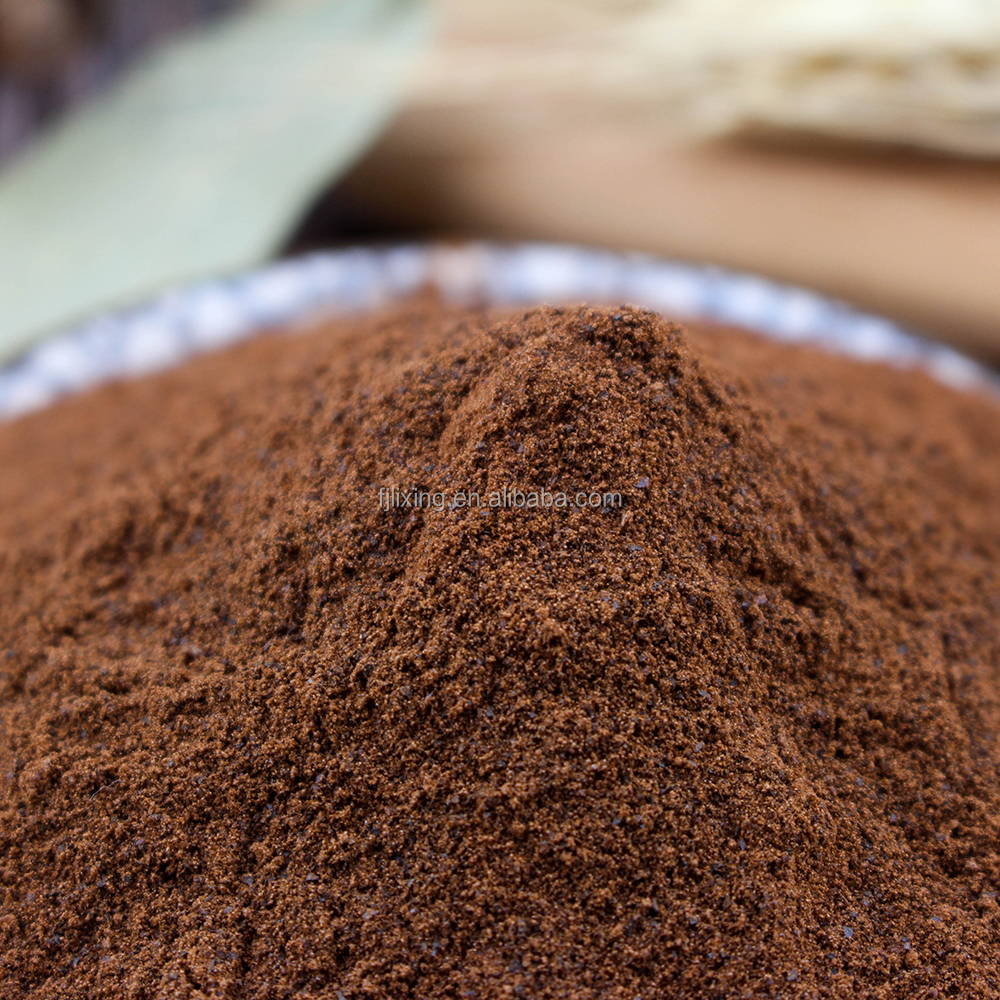

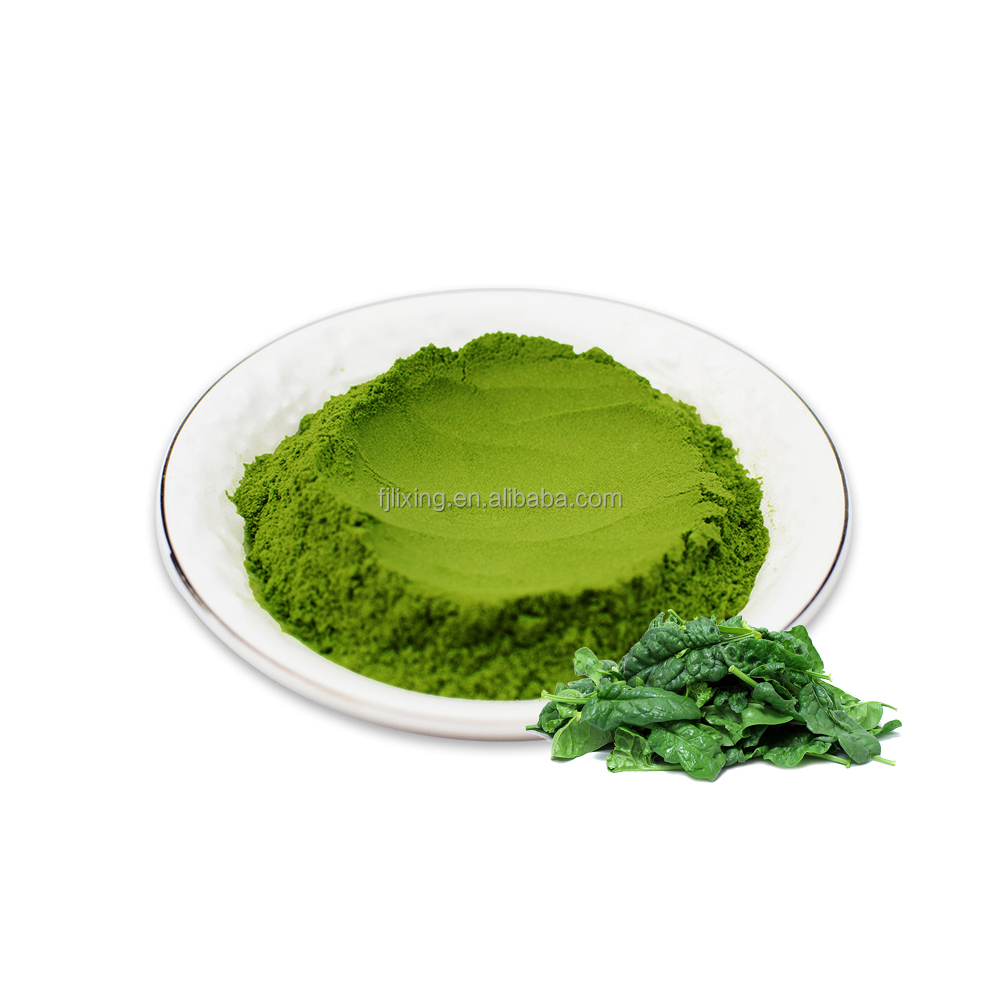
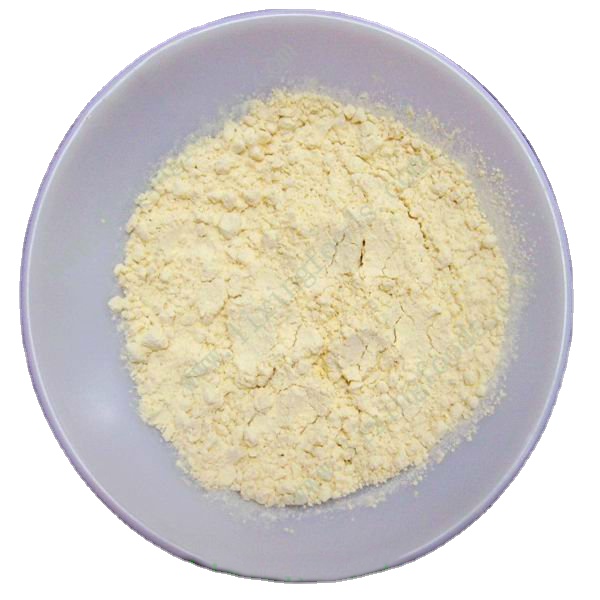
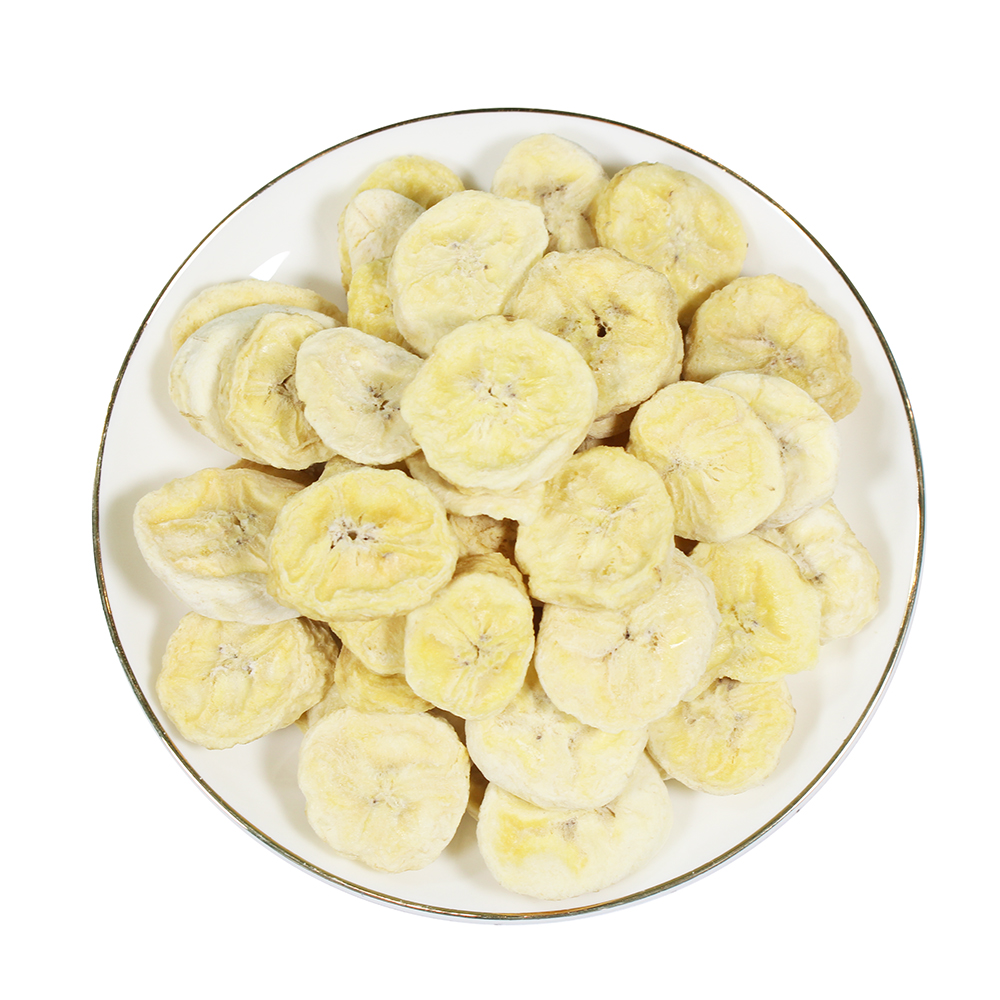

For industrial food processors across the Masovian Voivodeship and Poland's national FMCG corridors, ingredient performance relies heavily on microscopic structural preservation. Conventional thermal drying methodologies (such as hot-air belt drying or rotary drum evaporation) rely on convective thermal transfer above the evaporation point of water. This mechanism induces severe cellular collapse, denaturation of protective pectins, thermal Maillard browning, and significant vitamin oxidation. In contrast, vacuum freeze-drying (lyophilization) operates below the triple point of water (0.01°C at 611.65 Pa), driving the transition of solid ice crystals directly into water vapor via primary sublimation.
At Fujian Fynergy Foods Co., Ltd., our engineering protocol utilizes a dual-phase cryogenic crystallization profile. Raw agricultural products—sourced from certified GAP farm hubs and audited for zero pesticide drift—are blast-frozen at temperatures ranging between -38°C and -45°C. Rapid eutectic point crossing ensures the formation of microscopic, homogeneously distributed ice crystals within the intracellular parenchyma. When transferred into our 8,000 m² vacuum sublimation chambers under controlled pressures (≤ 20 Pa), heat is applied via radiant heat platen shelves under strictly calibrated PID control algorithms. The porous structural lattice of the original vegetable remains 100% intact, eliminating surface case-hardening and maintaining instant capillary-driven rehydration kinetics upon exposure to aqueous media.
| Performance Indicator | Fynergy Industrial Freeze-Drying (FD) | Hot-Air Dehydration (AD / Air Dried) | Spray Drying (SD) | Individual Quick Freezing (IQF) |
|---|---|---|---|---|
| Operating Temperature | -35°C to +40°C (Sublimation Under Vacuum) | +65°C to +110°C (Hot Air Convection) | +160°C to +200°C (Inlet Air Blast) | -18°C to -25°C (Cryogenic Blast) |
| Nutrient & Polyphenol Retention | 94% – 97% Bioactive Preservation | 35% – 55% (Substantial Thermal Degradation) | 50% – 65% (Surface Heat Impact) | 85% – 90% (Degrades via Freeze-Thaw) |
| Cellular Microstructure | Rigid Sponge Honeycomb Matrix (Pore Intact) | Dense, Shrunken, Collapsed Cell Walls | Spherical Hollow Droplet Shells | Intact Cells (Prone to Freeze Fractures) |
| Residual Moisture Specification | ≤ 2.5% – 3.0% (Aw < 0.20) | 7.0% – 12.0% (Aw 0.45 – 0.60) | 4.0% – 5.0% (Hygroscopic Tendency) | N/A (≥ 85% Free Water Unchanged) |
| Rehydration Velocity in Water (20°C) | 30 – 90 Seconds (Capillary Porosity) | 15 – 45 Minutes (Simmering Often Required) | Instant (Dissolves, No Native Texture) | Requires Controlled Thawing Phase |
| Cold-Chain Logistics Dependence | Zero Cold-Chain Needed (Ambient Storage) | Ambient (Hygroscopic Risks) | Ambient (Prone to Caking) | Mandatory -18°C Controlled Chain |
| Logistics Weight Ratio Reduction | 88% – 93% Lower Transportation Mass | 70% – 80% Weight Reduction | Concentrated Liquid Carrier Ratio | 0% Mass Reduction (High Carbon Cost) |
This technical superiority translates into operational dividends for manufacturing operations centered around Warsaw, Ożarów Mazowiecki, and Pruszków. With an average water activity (Aw) maintained rigorously below 0.20, enzymatic spoilage and microbiological proliferation are chemically immobilized without requiring sulfur dioxide, sodium metabisulfite, benzoates, or synthetic anti-caking silica.
From Warsaw’s bustling quick-service gastronomy scene to Masovia's vast dairy, soup canning, and extrusion processing corridors, Fynergy's freeze-dried vegetables deliver precise sensory and functional advantages.
Poland is historically one of Europe’s premier soup markets. Processors formulating modernized dry concentrates of Barszcz Czerwony, Żurek, and vegetable broth rely on our freeze-dried pumpkin, beetroot, spinach, and sweet corn to provide vibrant natural pigment, crisp textural chunks, and total rehydration within 3 minutes of contact with boiling water.
Central Poland is the core of national dairy manufacturing. Our ultrafine freeze-dried spinach, asparagus, and bell pepper powders integrate smoothly into twaróg curd formulations, soft cream cheeses, and artisanal butter spreads. Because moisture content is strictly below 3%, these inclusions prevent weeping (syneresis) and extend retail shelf stability.
Warsaw leads Central Europe in plant-based dining and alternative protein adoption. Polish vegan sausage, patty, and pierogi manufacturers incorporate our vegetable powders as natural non-GMO coloring agents (clean replacement for Red 40 / titanium dioxide) and flavor enhancers that withstand the high shear stress of twin-screw extrusion.
Artisanal bakeries and industrial bread producers in Warsaw leverage whole lyophilized peas, sliced sweet corn, and vibrant pumpkin powders in clean-label sourdoughs, crispbreads, and cracker coatings. Unlike standard oven-dried inclusions, freeze-dried vegetables never impart scorched or bitter notes under high-temperature baking cycles.
With Warsaw's surging demand for functional nutrition and clean-label dietary supplements, our ultra-fine 100-mesh freeze-dried spinach, carrot extract, and plant powders serve as bioactive bases. Low water activity protects thermolabile carotenoids, lutein, and iron bioavailability throughout a 24-month sealed shelf life.
Facing labor shortages and volatile vegetable commodity prices, Warsaw commercial caterers, hotel commissaries, and ghost kitchens use bulk freeze-dried vegetables for portion control and prep-free staging. Ambient storage eliminates energy costs associated with industrial walk-in freezers while eliminating wet prep spoilage.
B2B search behavior across Polish food enterprise buyers has shifted dramatically over the past 24 months. Procurement directors at major Polish brands are actively pivoting away from high-moisture frozen vegetables (IQF) and chemically treated air-dried commodities. Three underlying macro drivers explain this procurement evolution:
With electricity costs and fuel surcharges remaining volatile in Poland, industrial refrigeration has become a significant liability. Transitioning from -18°C frozen logistics to ambient freeze-dried cargo slashes freight mass by up to 90% and eliminates cold-chain electricity overhead entirely during inland storage.
Polish retail consumers actively scrutinize ingredient statements at chains like Biedronka, Lidl, and Dino. Freeze-dried vegetables require zero synthetic additives, humectants, or E-number preservatives. On packaging, they are declared simply as "100% Spinach" or "Pumpkin", offering brands clean-label credibility.
Heightened geopolitical awareness throughout Central and Eastern Europe has accelerated government, institutional, and consumer investment in shelf-stable rations, MREs, and outdoor emergency food kits. Freeze-dried vegetables provide an unmatched 24-to-36-month shelf life without organoleptic degradation.
Procurement assurance requires verifiable data. Our facilities, located in Zhangzhou, Fujian, are independently inspected by TÜV Rheinland and audited against strict international standards.
With 37 industrial vacuum freeze-drying lines and roughly 8,000 m² of operational chamber sublimation surface, we accommodate high-tonnage contracts for multinational distributors without splitting batches.
Fynergy operates under full BRCGS, HACCP, and ISO 22000 management systems. Our specialized products also maintain full Halal and Kosher compliance, audited directly for European import conformance.
Secondary handling, custom granulating, sieving, and vacuum barrier packing are conducted within Class-100,000 cleanroom environments to prevent microbial settlement and environmental moisture absorption.
Our analytics wing utilizes high-performance liquid chromatography (HPLC), atomic absorption spectrophotometry (AAS), atomic fluorescence, and automated Kjeldahl apparatus for rigorous multi-residue and heavy metal testing.
We provide fully managed door-to-door or hub delivery into Warsaw (via rail through Małaszewicze terminal or ocean freight through Port of Gdańsk). All EUR.1 customs documentation, phytosanitary declarations, and commercial invoices are handled efficiently.
Whether you require whole vegetables, specific diced cuts (4x4mm, 6x6mm, 10x10mm), flaked fragments, or superfine 200-mesh powders, our CNC dicing lines configure raw materials to match your technical specs.
Detailed answers addressing regulatory compliance, customs handling, quality parameters, and delivery workflows for Polish food manufacturers.