Precision-Processed Freeze-Dried Portfolio for Importers
Retaining cellular integrity, vibrant color, aromatic compounds, and 97%+ nutritional retention for dry soup, snacks, functional blends, and industrial culinary processing.
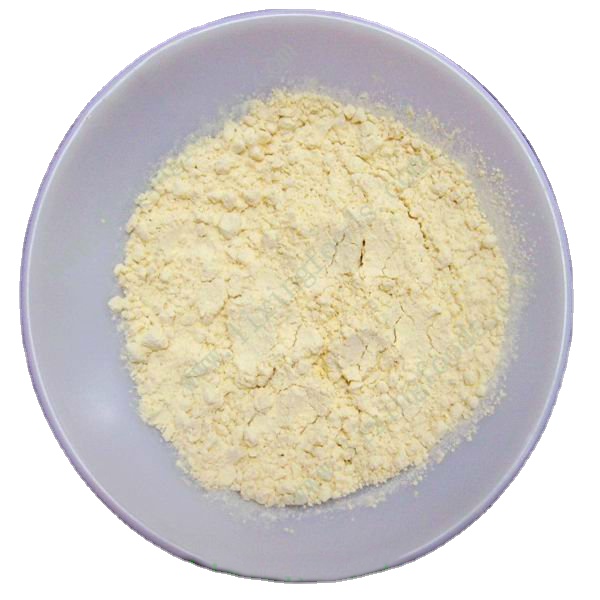
Organic Fruit Freeze Dried Banana Powder
- Residual Moisture: ≤ 3.0%
- Mesh Size: 60-120 Mesh
- Certifications: BRCGS / Organic
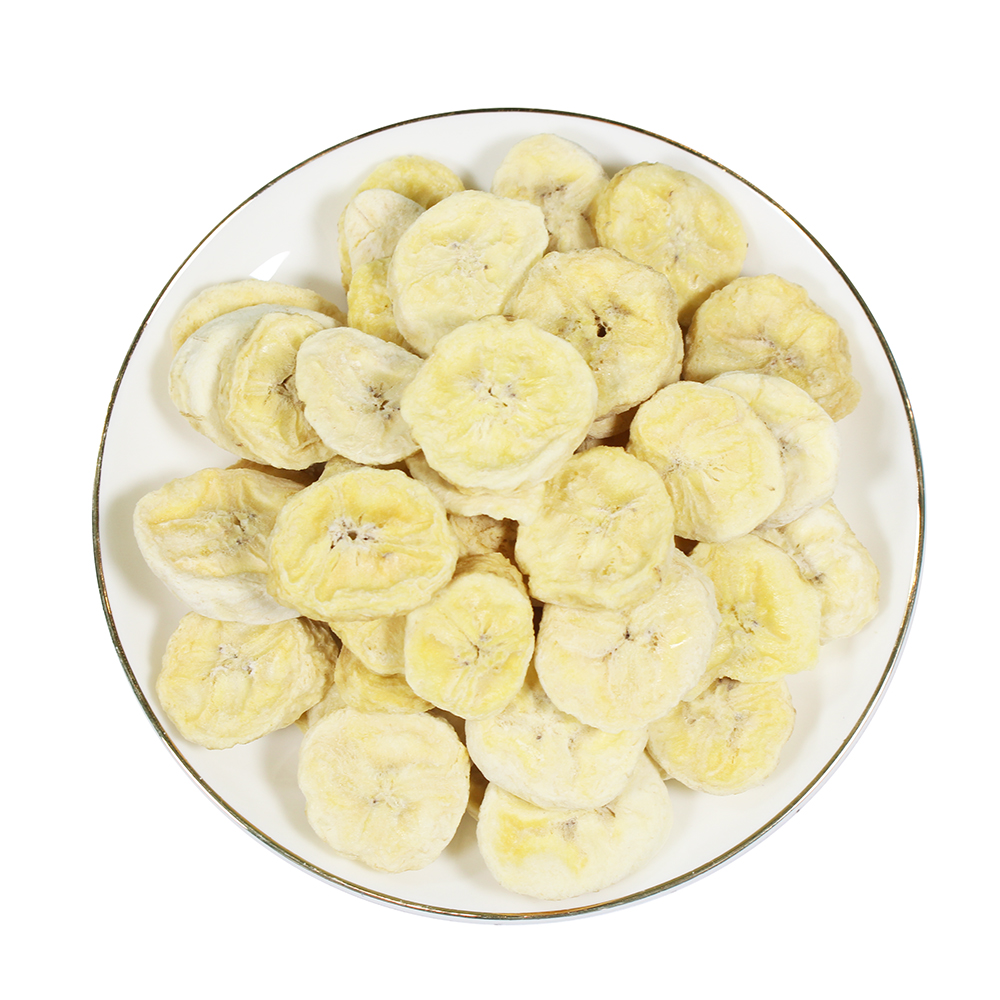
OEM Bulk Organic Freeze Dried Banana Chips
- Cut Thickness: 6mm - 8mm Slice
- Rehydration: Rapid < 90s
- Preservatives: 100% Free
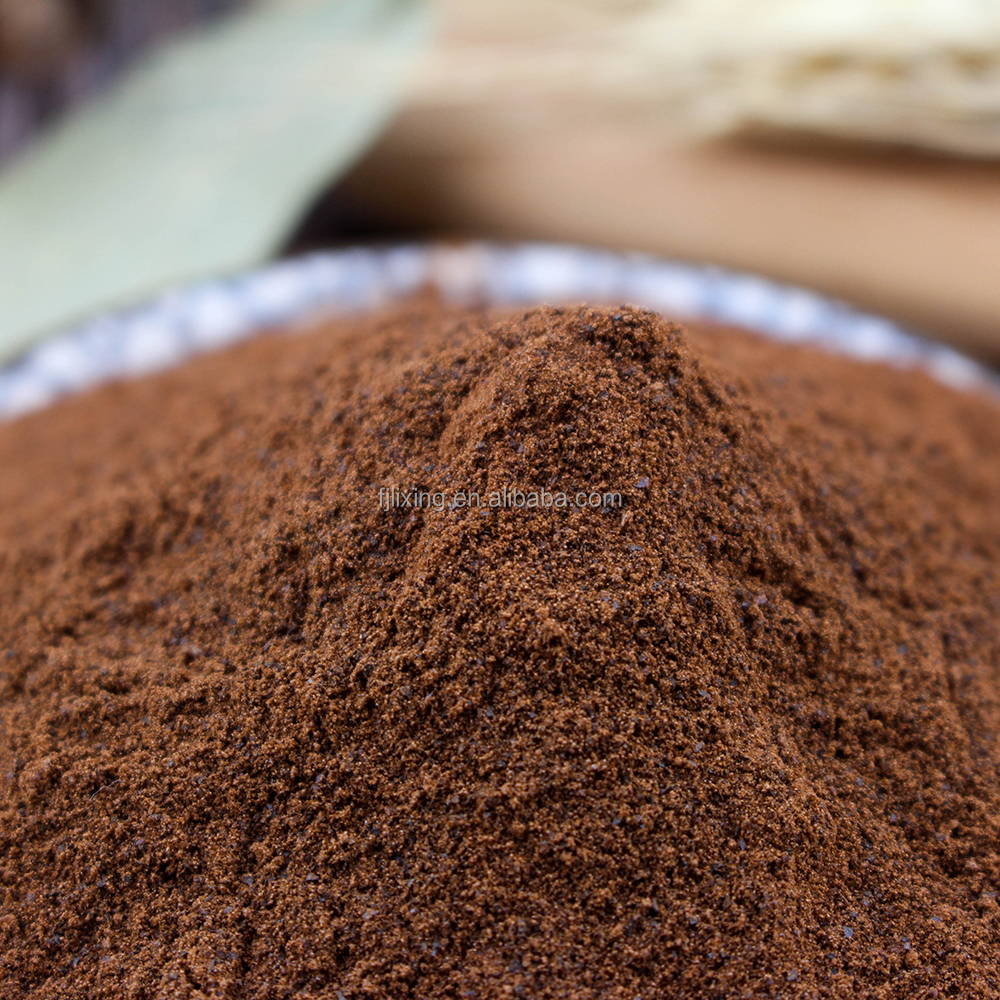
Customized Or Bulk Spray Dried Puer Tea Powder
- Solubility: Instant Cold/Hot
- Polyphenols: Standardized
- Application: Beverage/Nutra
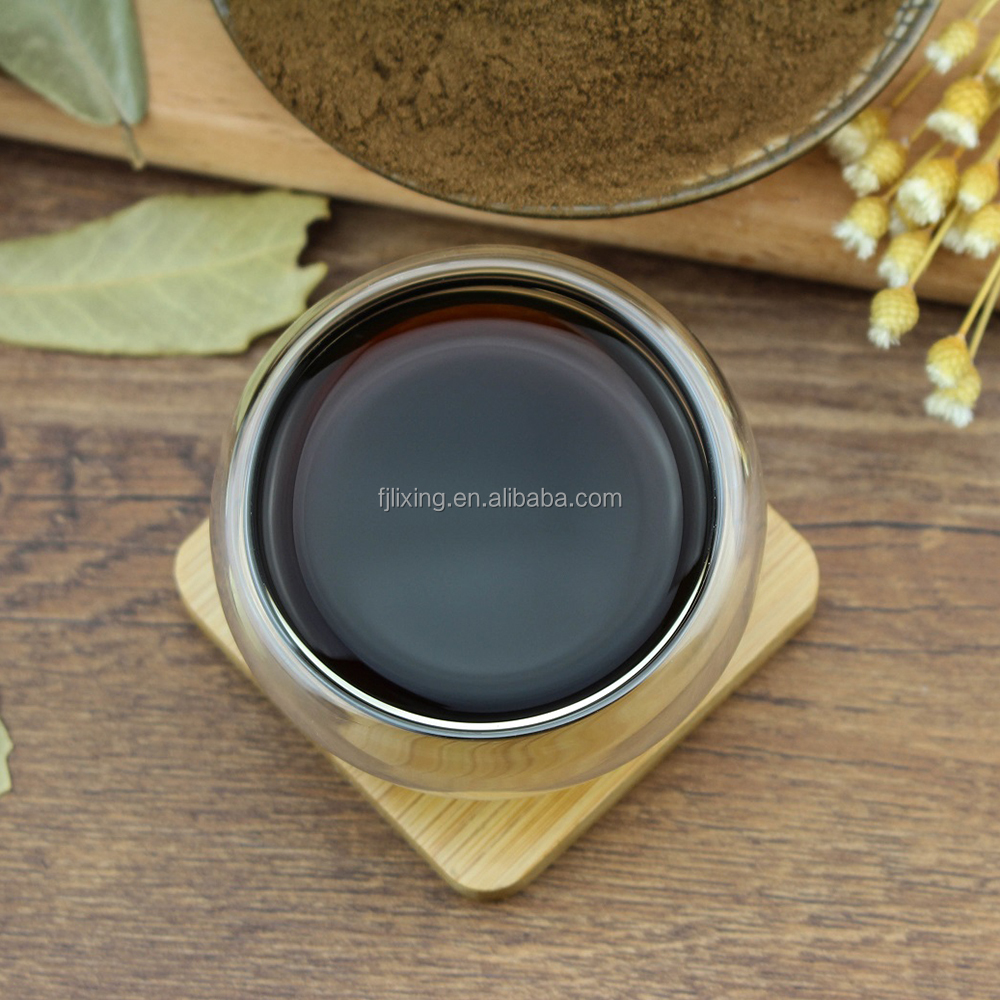
Dried Mesona Chinensis Extract Powder
- Extraction Ratio: Customized (10:1)
- Application: Herbal Jelly/Extract
- Assay: HPLC Verified
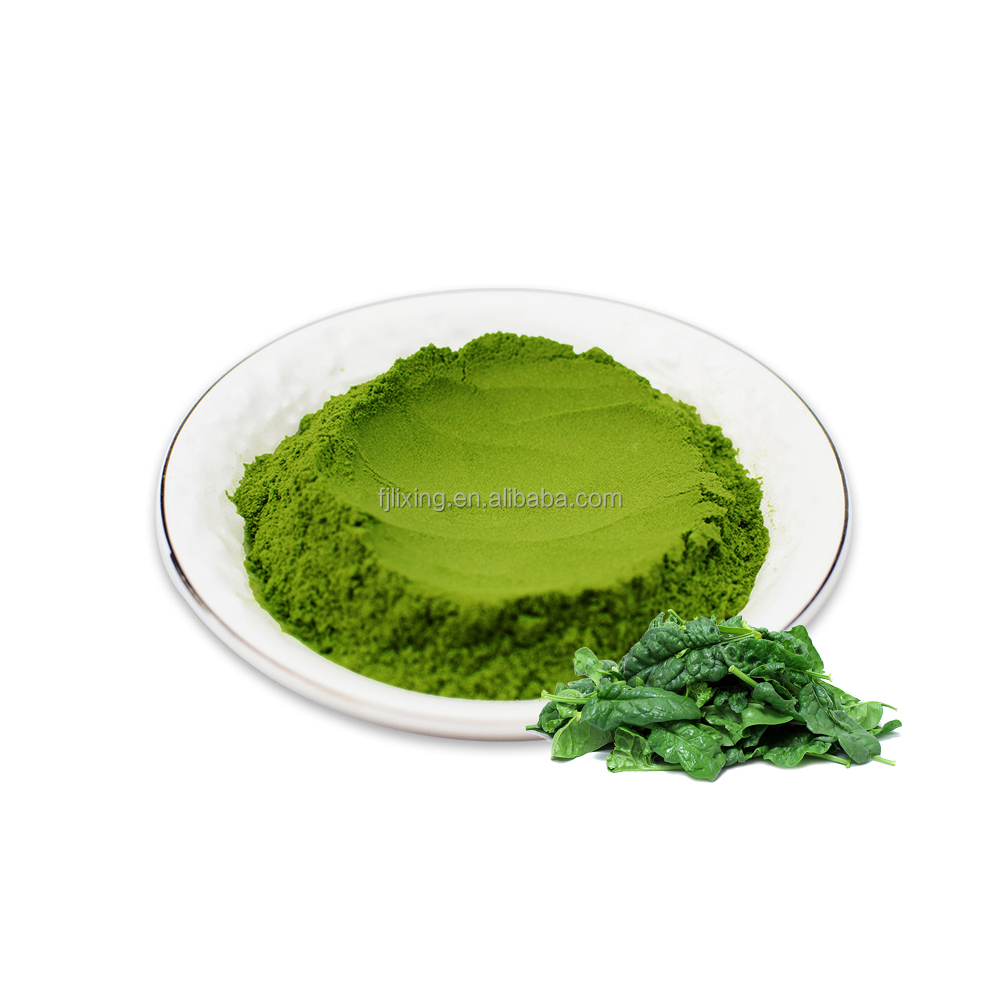
China Freeze Dried FD Spinach Vegetable Powder
- Chlorophyll: Natural Pigment Kept
- Heavy Metals: Compliant with EU/TGK
- Moisture: ≤ 4.0%
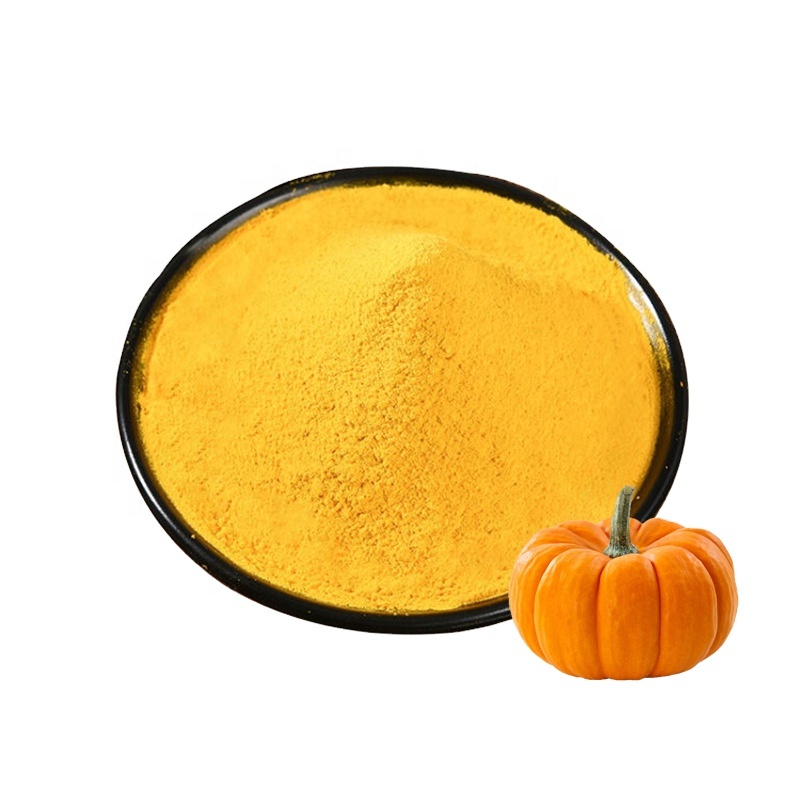
Wholesale Freeze-Dried Pumpkin Vegetable Powder
- Beta-Carotene: High Retention
- Bulk Density: 0.30 - 0.50 g/ml
- Flavor: Authentic Sweet Pumpkin
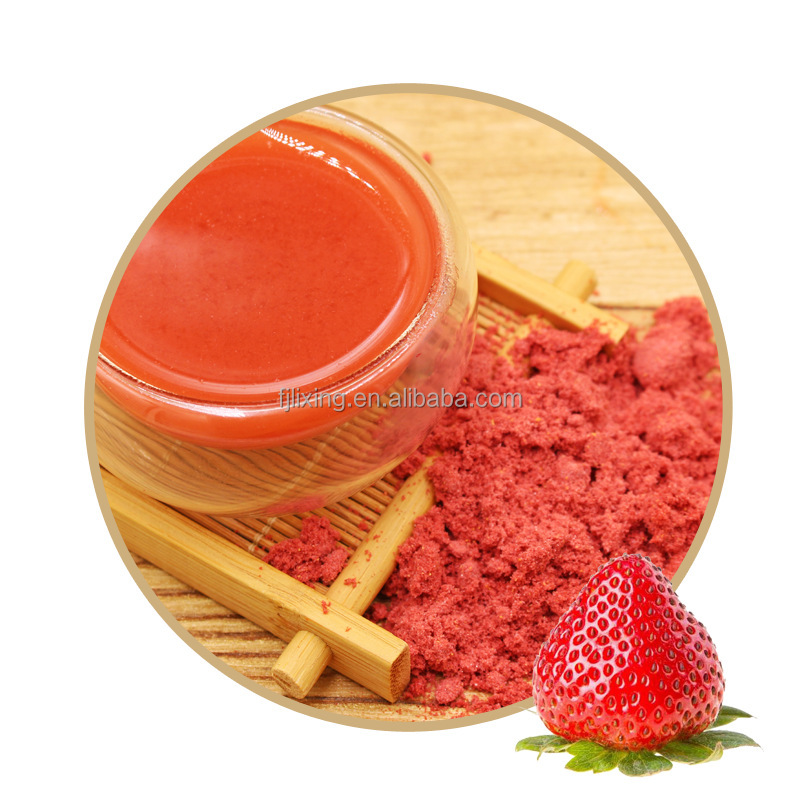
FD Instant Strawberry Pure Powder
- Carrier: None (100% Pure Fruit)
- Solubility: Homogeneous
- Color: Natural Vivid Red
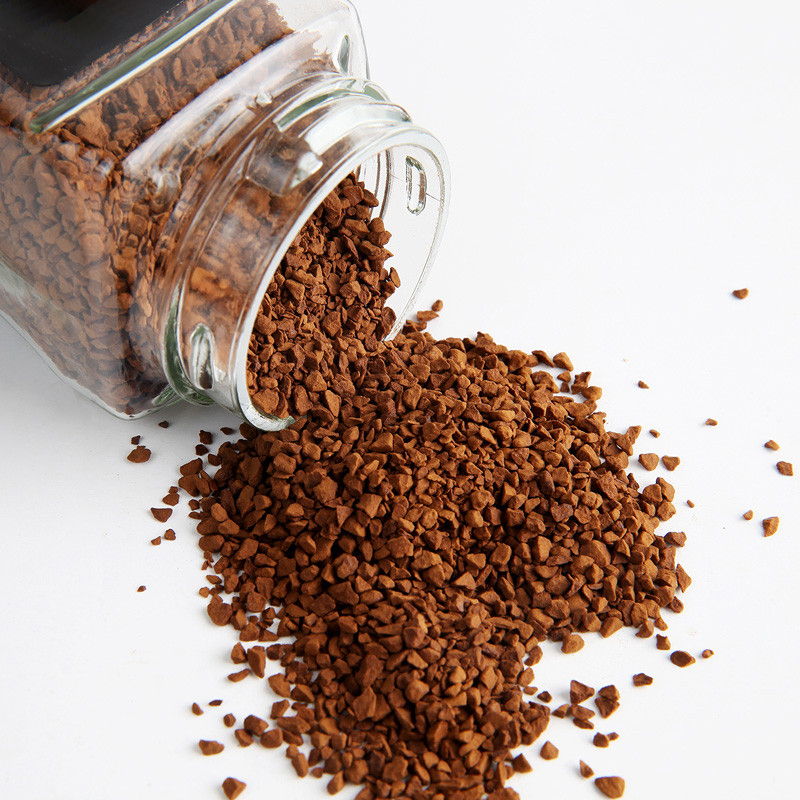
OEM Freeze Dried Instant Coffee Granules
- Blend: Arabica & Robusta
- Aroma: Cold Vacuum Trapped
- Particle: Crisp Agglomerated
Strategic Engineering of Freeze-Dried Vegetables for the Turkish Food Sector
A comprehensive assessment of structural dehydration, sensory retention, and supply chain synergy bridging high-capacity manufacturing with Turkish import requirements.
Sublimation Mechanics vs. Conventional Hot-Air Drying (AD/Air Dehydration)
In modern industrial food science, the structural preservation of vegetal matrices dictates both commercial value and culinary utility. Conventional thermal dehydration relies on convective heat transfers ranging from 60°C to 90°C. While cost-effective, this mechanical vector triggers the thermal collapse of cell walls, enzymatic browning via Maillard reactions, and extensive degradation of thermolabile micro-nutrients (notably ascorbic acid, carotenoids, and delicate folates). Furthermore, air-dried vegetables undergo severe volumetric shrinkage, which impedes capillary rehydration, yielding tough, fibrous organoleptic profiles.
Our vacuum freeze-drying (lyophilization) infrastructure circumvents cellular degradation by operating strictly along the sublimation line of water's phase diagram. Fresh vegetables (spinach, pumpkin, peas, carrots, sweet corn, and aromatics) undergo ultra-rapid cryogenic freezing at -35°C to -40°C, solidifying intra- and extracellular water into micro-crystalline ice lattices without lysing vegetative cell membranes. Inside our vacuum sublimation chambers (operating at pressures below 50 Pa), sublimation sublimates frozen ice directly into vapor without transiting through the liquid state. The physical geometry of the cellular matrix remains unaltered, generating a micro-porous, honeycombed sponge architecture. Consequently, our freeze-dried vegetable series delivers immediate rehydration characteristics (restoring original mouthfeel within 60 to 180 seconds in ambient or hot liquid), a residual moisture profile kept tightly below 5%, and an unbroken 97%+ nutritional retention curve.
Industrial Applications Across the Turkish Food Processing Landscape
Türkiye serves as a premier transcontinental manufacturing epicentre for confectionery, bakery, savory snacks, and ready meals across Southeastern Europe, the Levant, and North Africa. Industrial food formulators in Istanbul, Bursa, İzmir, and Gaziantep demand specialized freeze-dried ingredients calibrated to exact mechanical properties:
1. Instant Soups and Traditional Broths (Çorba): Türkiye's packaged dry soup market is among the most competitive globally. Formulators require uniform cut sizes (1-3mm flakes, 5x5mm dice) of freeze-dried spinach, onions, sweet corn, and pumpkin that rehydrate instantly upon boiling without creating sediment, while preserving the vibrant emerald green and golden hues expected in traditional Anatolian recipes.
2. Artisanal & Industrial Bakery (Unlu Mamuller): With Turkish biscuit, borek, and cracker manufacturers exporting globally, micro-fine freeze-dried vegetable powders (such as 80-120 mesh spinach, beet, and carrot powders) function as 100% natural, clean-label functional colorants and flavor boosters, eliminating artificial azo-dyes while remaining heat-stable during baking extrusion.
3. Healthy Savory Snacks & Extruded Products: As the Turkish consumer base pivots toward non-fried, high-fiber dietary profiles, our whole freeze-dried peas, crunchy sweet corn, and okra chips provide clean-label, oil-free crunch bases for premium snack mixes targeted at national retail banners including Migros, BIM, and CarrefourSA.
4. Seasoning Mixes and Instant Noodle Condiments: The surging adoption of Asian noodles and instant meal cups in Turkish universities and urban centers relies heavily on rapid-hydration vegetable garnishes that offer authentic mouthfeel under high-speed industrial sachet packaging lines.
Macro Trends Reshaping Türkiye’s Food Ingredients Landscape
Multiple structural shifts are accelerating the demand for imported freeze-dried raw materials across the Turkish Republic:
Regulatory Compliance with Turkish Food Codex (TGK): Compliance mandates concerning pesticide maximum residue limits (MRLs), heavy metals (lead, cadmium, arsenic), and mycotoxin controls have tightened, aligning closely with EU directives. Sourcing from uncertified smallholders exposes brands to serious batch seizure risks at Turkish customs ports like Ambarlı and Mersin. Our fully integrated facility leverages in-house liquid chromatography and atomic absorption spectrophotometers to guarantee batch-by-batch TGK and EU compliance.
The Clean-Label & Halal Imperative: The contemporary Turkish middle class intensely scrutinizes back-of-pack labeling for monosodium glutamate (MSG), synthetic stabilizers, and added maltodextrins. Lyophilized pure powders eliminate synthetic anti-caking agents entirely. Simultaneously, universal Halal integrity is mandatory; our production ecosystem adheres strictly to verified Halal manufacturing procedures verified by global standard bodies.
Supply Chain Resilience Against Climatic Volatility: Anatolian agriculture increasingly faces drought risks and seasonal raw material price spikes. Global Turkish enterprise processors insulate operational gross margins through multi-ton container contracts with large-scale manufacturers whose vast chamber capabilities guarantee supply volume consistency and locked price terms year-round.
Engineering Strengths Backing Every Shipment
Operating a verified 62,718 m² footprint with dedicated technical cleanrooms and an in-house analytic laboratory.
37 Industrial Lyophilization Lines
Housing approximately 8,000 m² of vacuum chamber area, our facility executes large-batch continuous sublimation drying, ensuring scale advantages, rapid container-level lead times, and unified cross-batch consistency.
Class-100,000 Cleanroom Workshops
From primary sorting and IQF pre-freezing to vacuum unloading, slicing, and automatic sealing, all processing occurs within environmental cleanrooms to eliminate cross-contamination and guarantee micro-hygiene specifications.
In-House Analytical Laboratory
Equipped with Liquid Chromatography, Atomic Absorption Spectrophotometry, Atomic Fluorescence, and automated Kjeldahl protein analyzers to test for heavy metals, moisture, microbial loads, and active marker compounds.
Complete OEM / ODM Flexibility
From bulk aseptic aluminum foil lined drums for secondary industrial processing to private-label retail pouching, nitrogen-flushed cups, and custom granulation cuts (whole, 3mm, 6mm dice, 80-200 mesh powder).
BRCGS, Halal & ISO 22000 Certified
Third-party audited by TÜV Rheinland, our manufacturing pipeline holds global benchmark credentials ensuring frictionless customs clearance and total documentation transparency for the Republic of Turkey's inspection regimes.
Institutional R&D & 41 Patents
Continuous collaborative research with food science institutions has generated 41 commercial patents, allowing us to engineer tailored hygroscopic barriers and specialized multi-vegetable soup formulations.
Frequently Asked Questions by Turkish Importers
Practical answers covering Turkish customs compliance, maritime logistics, shelf stability, and sampling protocols.
What are the standard documentation deliverables for Turkish Customs?
We provide full documentation sets required by the Turkish Ministry of Agriculture and Forestry, including Commercial Invoice, Packing List, Clean Ocean Bill of Lading, Certificate of Origin, Phytosanitary Certificate, Non-GMO Declaration, Certificate of Analysis (COA) specifying heavy metal and pesticide limits, and Halal Certification.
What are the typical MOQs for bulk industrial vs. retail OEM packaging?
For bulk ingredients packed in double-layer polyethylene liners protected by corrugated master cartons (typically 10kg to 20kg net), our standard MOQ starts at 500 kg to 1,000 kg depending on the crop. For customized retail-ready standing pouches with custom gravure printing, MOQ begins at 10,000 to 30,000 units.
How do freeze-dried vegetables resist degradation in Turkish storage conditions?
Freeze-dried botanical products are intensely hygroscopic. Because our moisture specification is strictly maintained at ≤ 3-5%, we package materials under desiccated cleanroom environments inside heavy-duty multi-layer barrier foil liners. In unopened original packaging, products guarantee an ambient shelf life of 18 to 24 months without requiring refrigeration.
What shipping routes and transit times apply to Turkish ports?
Shipments depart directly from Xiamen Port (Fujian), servicing key Turkish maritime destinations including Istanbul (Ambarlı/Haydarpaşa), Izmir (Aliağa), and Mersin. Standard ocean transit times range between 24 to 32 days via regular liner services, with reefer or dry container options based on seasonal transit temperatures.
Can you provide tailored cut sizes or pre-blended vegetable recipes?
Yes. Our automated sorting, cutting, and sifting machinery allows us to calibrate specifications to exact buyer demands: powders (60-200 mesh), granules (1-3mm, 2-4mm), cross-cut dice (5x5x5mm, 10x10x10mm), or whole intact florets and beans. Pre-blended soup ratios can be prepared in-house to optimize factory loading lines.
What is the protocol for pre-order laboratory testing and evaluation samples?
We supply sample packages (typically 200g-500g per SKU) accompanied by comprehensive specification sheets and batch COAs via international air express. This allows your QA teams to conduct internal sensory, micro-biological, and rehydration assays prior to contracting commercial container orders.