Featured Freeze-Dried Portfolio for Wholesale & Private Label
Engineered to support industrial instant soup bases, functional broth enrichment, and Scandinavian retail packaging. Our products maintain biological cell integrity, instantaneous rehydration, and clean organoleptic profiles.
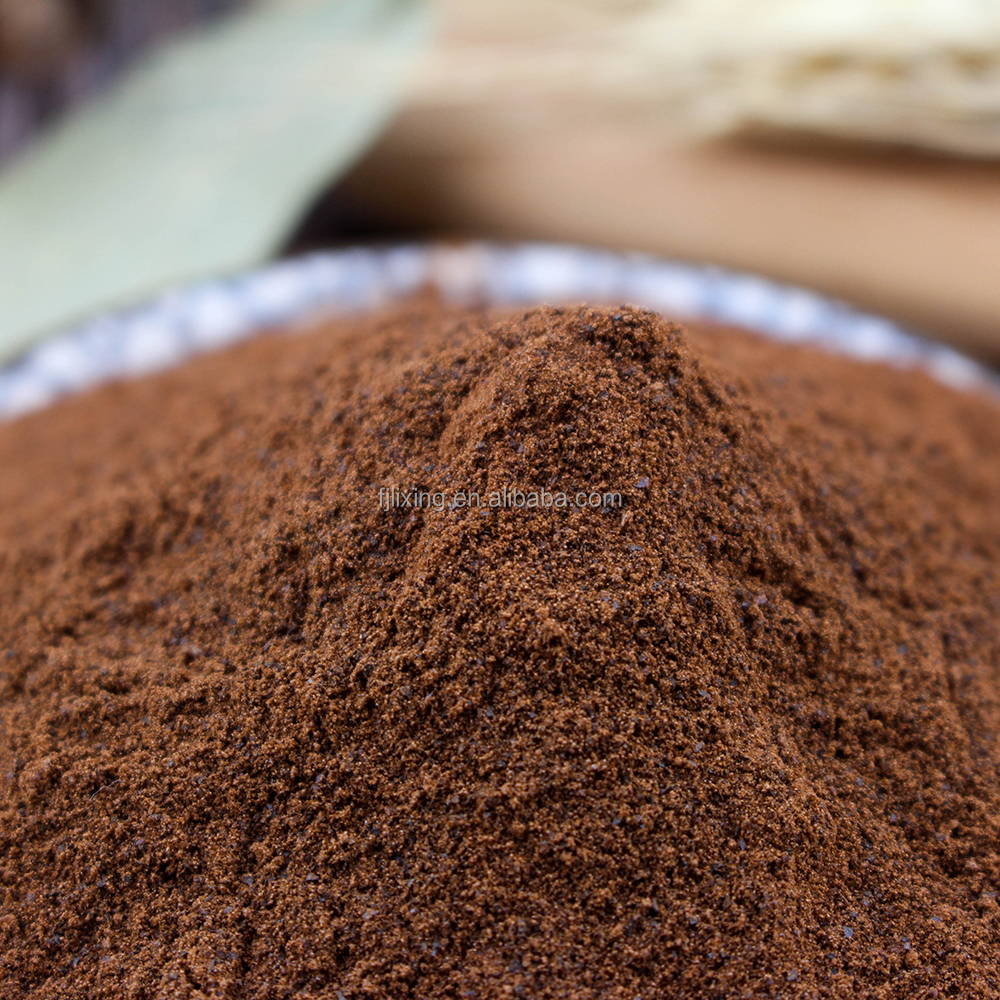
Customized Or Bulk Spray Dried Puer Tea Powder
Product Details →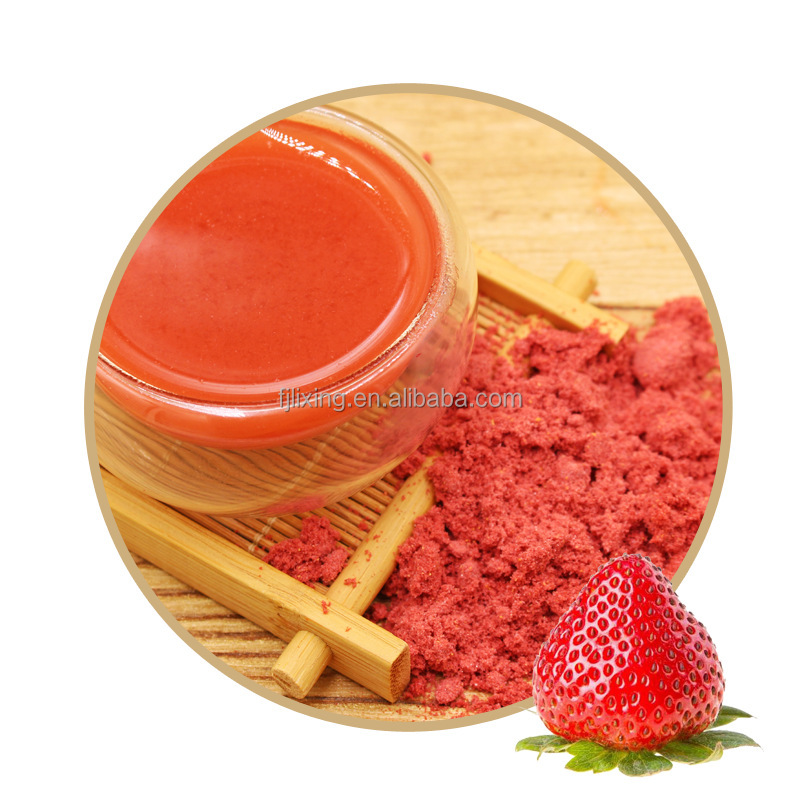
High Quality Freeze Dried Instant Strawberry Powder
Product Details →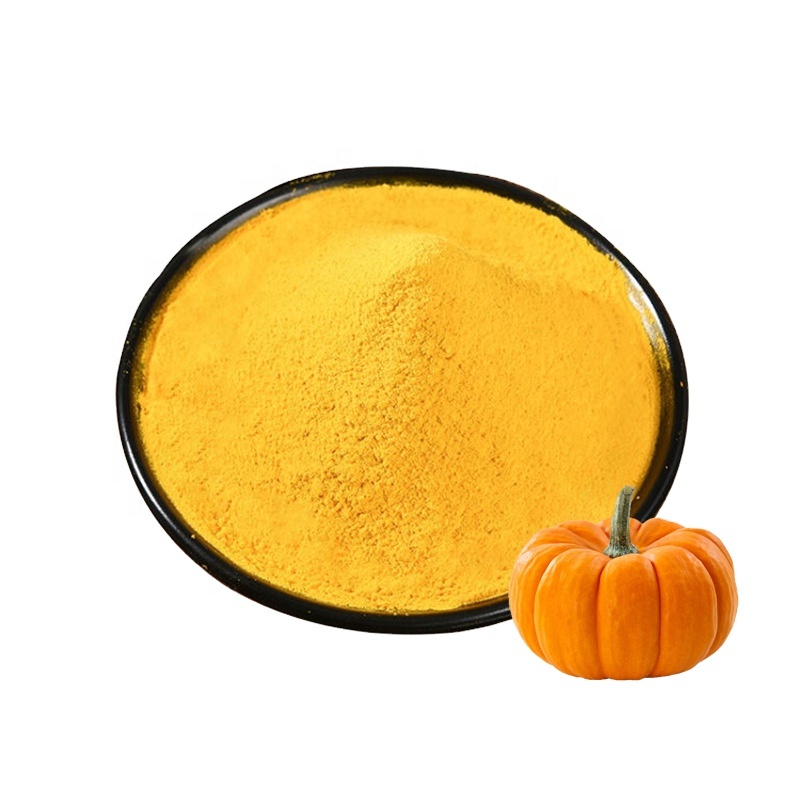
Wholesale Freeze Dried Pumpkin Vegetable Powder
Product Details →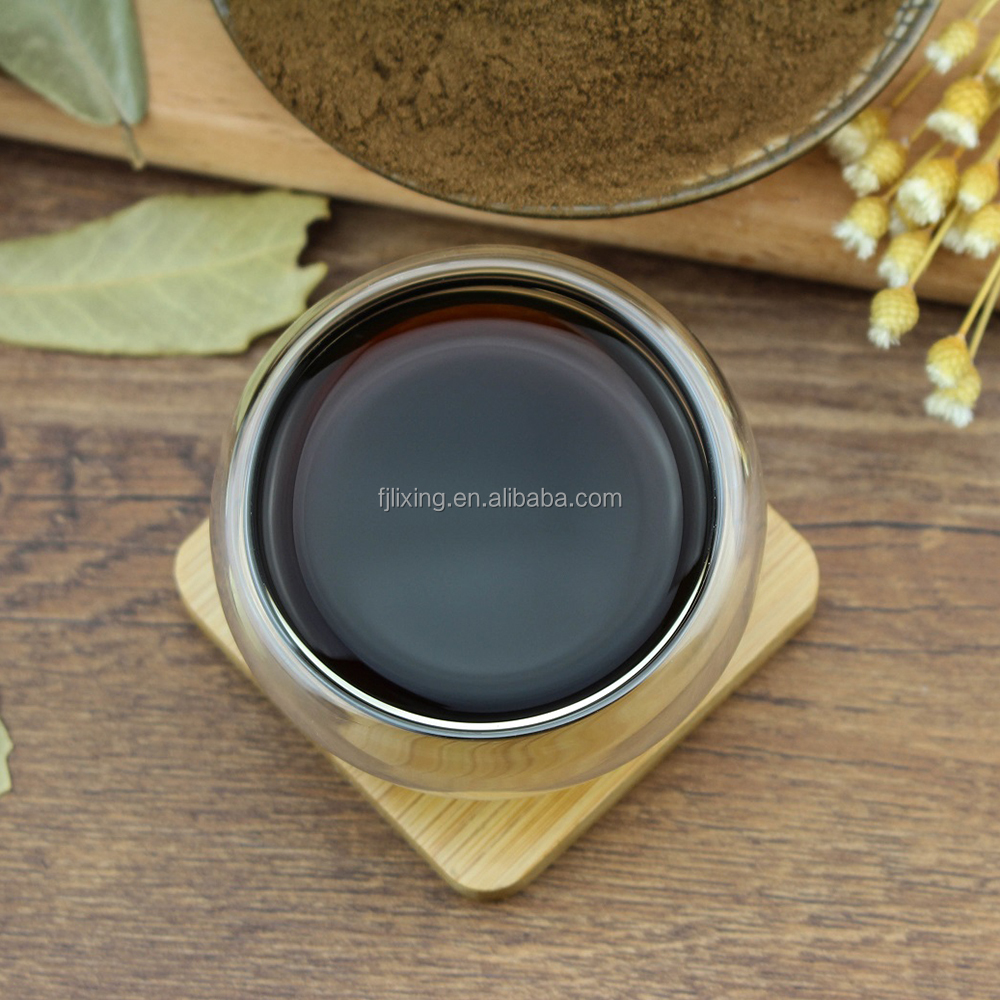
Factory Supply Dried Mesona Chinensis Powder Extract
Product Details →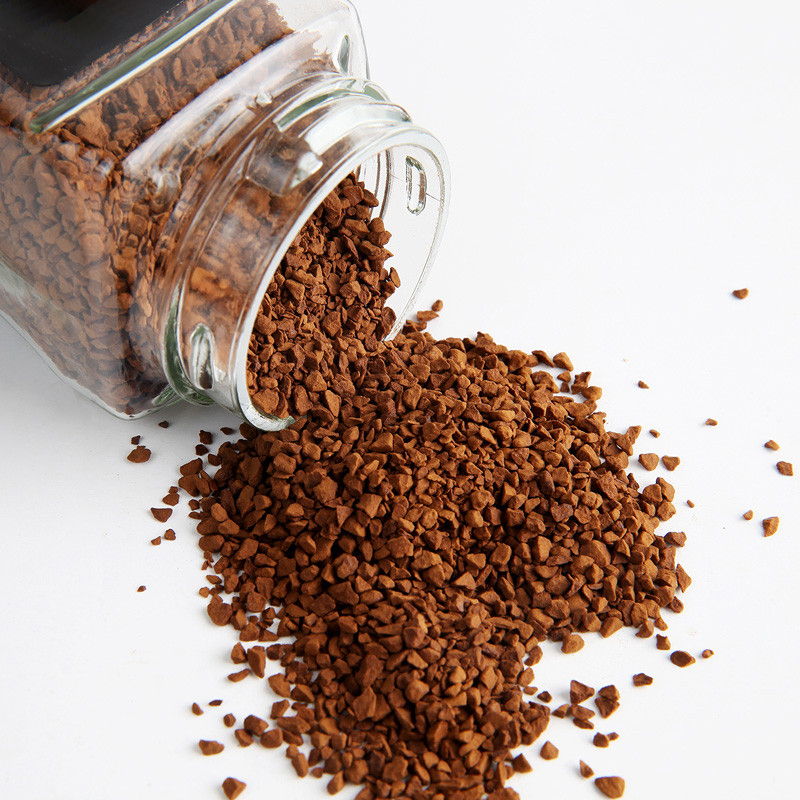
OEM Freeze Dried Instant Coffee Particle Arabica
Product Details →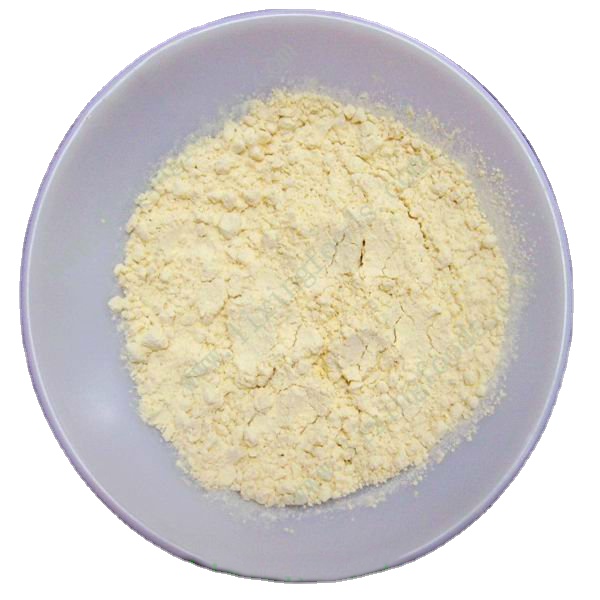
Organic Fruit Freeze Dried Banana Puree Powder
Product Details →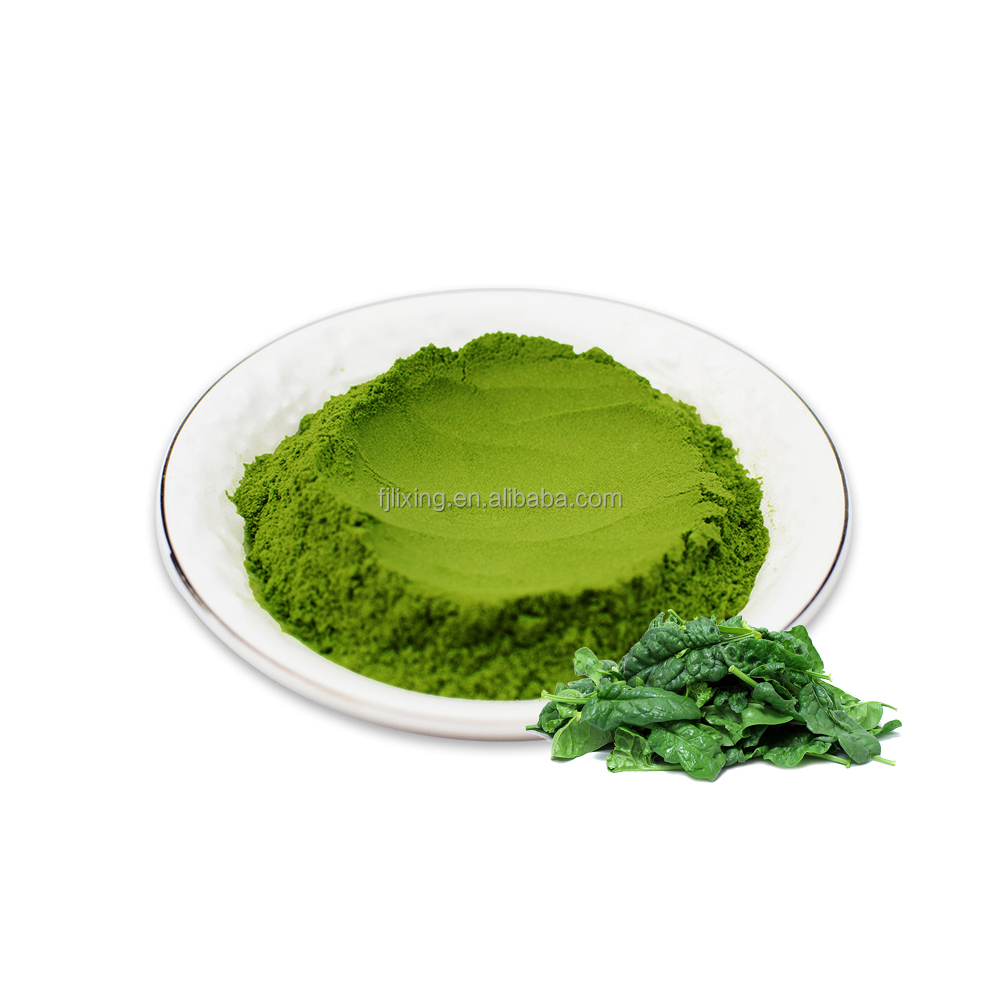
China Freeze Dried FD Spinach Vegetable Powder & Flakes
Product Details →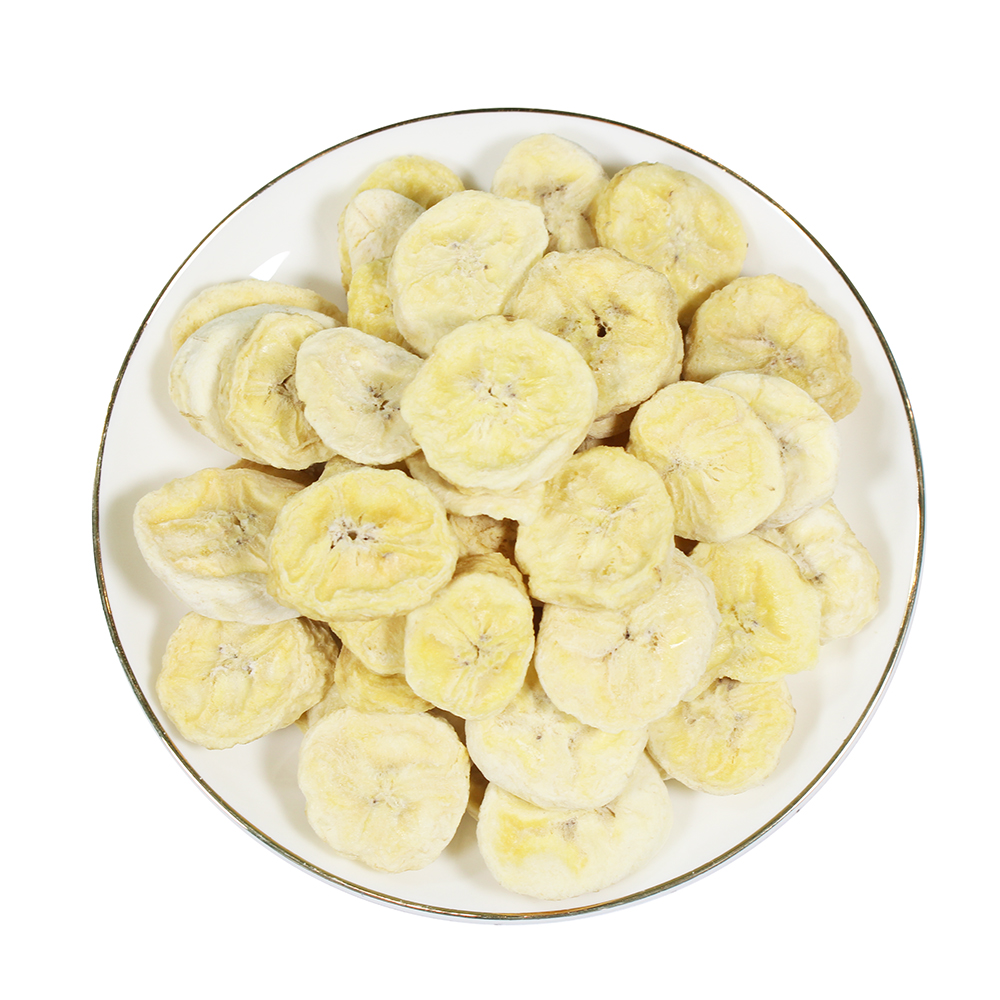
OEM Bulk Organic Freeze Dried Banana Chips & Slices
Product Details →Engineering Freeze-Dried Soup Solutions for the Danish Market
Understanding how cryogenic sublimation elevates nutritional delivery, shelf stability, and supply chain resilience for Denmark's discerning commercial food sector.
In modern industrial food manufacturing, lyophilization (freeze-drying) represents the zenith of preservation technology. For Nordic procurement directors, grocery brand developers, and institutional catering suppliers throughout Denmark—from Copenhagen and Aarhus to Odense and Aalborg—sourcing top-tier freeze-dried soup blocks and broth enrichment powders addresses two critical market dynamics: uncompromised nutritional preservation and superior logistics efficiency.
Unlike thermal spray-drying or hot-air dehydration (AD), which subject cellular structures to intense heat, causing Maillard browning, volatile aroma degradation, and structural collapse, freeze-drying operates through direct ice-to-vapor sublimation under strict vacuum conditions (< 20 Pa) at cryogenic temperatures between -35°C and -45°C. The physical matrix of delicate ingredients—such as fresh organic spinach flakes, rich winter squashes, culinary fungi, and clean-label poultry or miso broths—is immobilized in a rigid ice scaffold. When water molecules sublimate, they leave behind an intact, microscopic porous capillary network. The consequence is immediate rehydration within 3 to 10 seconds upon contact with hot water, yielding mouthfeel, color, and macro-nutritional profiles practically indistinguishable from freshly simmered scratch stocks.
As a verified high-capacity producer operating 37 vacuum freeze-drying lines and holding premier certifications including BRCGS, HACCP, and ISO 22000, our manufacturing facility in Fujian provides scalable, containerized export capabilities directly serving Danish import hubs. Whether your program requires custom single-serve bouillon cubes, individual portion-packed instant soup pouches, or 25kg vacuum-sealed drum liners for secondary dry blending, our engineering team executes formulations tuned specifically to the stringent expectations of Scandinavian consumers and statutory EU food guidelines.
Verified Scale, In-House Analytics & Process Precision
How our 62,718 m² production complex and rigorous testing workflows support demanding global private-label programs.
Class-100,000 Cleanrooms
Controlled atmospheric environments regulate microbiological load, humidity, and airborne particulates from preliminary freeze-drying discharge to final hermetic heat sealing.
37 Freeze-Drying Lines
With approximately 8,000 m² of chamber capacity, our plant handles immense bulk throughput while maintaining continuous batch stability across complex custom flavor matrices.
Comprehensive In-House Lab
Liquid chromatographs, atomic absorption, fluorescence spectrophotometers, and automated Kjeldahl apparatus verify nitrogen protein indices, moisture, and absence of heavy metals.
41 Commercial Patents
Collaborative alliances with leading agricultural research universities drive innovation in thermal sublimation efficiency, aroma re-capture systems, and oil dispersion mechanics.
Full-Category Sourcing
Consolidate supply chains with a single enterprise capable of supplying freeze-dried vegetables, whole proteins, instant noodle accompaniments, fruit powders, and tea extracts.
Fortune 500 Proven Track Record
Longstanding partner to multinational FMCG leaders, delivering consistent containerized shipments under rigorous supplier social compliance and technical food safety audits.
Localized Application Scenarios in Denmark
Aligning advanced shelf-stable food systems with Danish dietary habits, corporate wellness culture, and outdoor lifestyle expectations.
1. Scandinavian Outdoor Retail & "Friluftsliv" Rations
Denmark has a vibrant outdoor recreation culture (Friluftsliv), from coastal kayaking across Jutland and the Zealand archipelago to hiking expeditions across Scandinavia and Greenland. Traditional canned wet meals impose heavy transit penalties and require refrigeration once breached. Our ultralight, high-calorie freeze-dried soup portions—ranging from robust wild mushroom creams to clear chicken-vegetable broths—weigh 85% less than wet equivalents while remaining shelf-stable up to 24 months in multi-laminate, tear-resistant barrier pouches.
2. Workplace "Frokost" & Institutional Canteen Solutions
The Danish corporate lunch (frokostordning) is a national institution focusing on balanced, clean nourishment. In urban hubs such as Copenhagen and Aarhus, modern offices, shared workspaces, and educational dining halls seek nutritious, instant snacking alternatives to sugary options. Freeze-dried organic vegetable purees and rich miso-egg soup cubes empower workplace pantries to provide a chef-caliber, steaming bowl of soup simply by dispensing kettle-boiled water—zero waste, zero mess, and free of synthetic preservatives.
3. Civil Readiness & Institutional Strategic Reserves
With heightened European geopolitical awareness and civil preparedness guidelines issued by agencies such as the Danish Emergency Management Agency (Beredskabsstyrelsen), household emergency readiness is increasingly prioritized across Denmark. Freeze-dried soups packed in nitrogen-flushed cans or heavy-duty foil-sealed buckets provide dependable macro-nutrition without requiring cold storage or complex heating systems, serving municipality reserves and private home resilience plans.
4. Private Label Grocery Retail (Coop, Salling Group, Discounters)
The Danish grocery landscape places intense commercial focus on premium convenience items that showcase clean label certifications. We partner with Danish supermarket suppliers to produce retail-ready carton boxes and single-serve stand-up pouches. Formulations are tuned to regional taste profiles: lowering sodium levels, removing artificial flavor boosters (No MSG, No yeast extract), and highlighting plant-forward, allergen-conscious whole ingredients.
Danish & Nordic Industry Trends Shaping Procurement
How shifts in environmental regulations, consumer dietary expectations, and supply-chain transparency redefine the freeze-dried procurement model.
1. Organic Sourcing & Strict Conformity with EU Regulations: Denmark consistently maintains one of the world's highest per-capita consumptions of organic foods, supported by both the EU Organic Leaf standard and the national Danish red "Ø-mærket" (Stats-kontrolleret økologisk). Importers of processed instant soup bases demand complete chemical traceability, batch-level pesticide screening, and non-GMO certification. Our Fujian manufacturing facilities utilize contract agricultural bases with dedicated agronomic oversight, ensuring raw vegetables, tea, and grains satisfy EU Maximum Residue Limits (MRLs) verified by in-house liquid chromatography and mass spectrometry.
2. Decarbonization and Lower Transport Footprints: Transporting conventional canned soups involves shipping up to 90% water by weight across maritime corridors. In contrast, lyophilized food removes up to 98% of free and bound moisture. For Danish import distributors bringing goods through the Port of Aarhus or the Port of Copenhagen, freeze-dried bulk soup components radically reduce shipping weight, slashing Scope 3 logistical carbon emissions per serving while cutting container drayage expenses.
3. Clean Label & Sodium Optimization: Nordic shoppers are exceptionally vigilant regarding nutritional labels. High sodium and hidden emulsifiers are rapidly discarded in favor of whole food ingredients. Fynergy’s R&D culinary team excels in formulating freeze-dried soup bases that rely on naturally occurring umami from freeze-dried mushrooms, slow-simmered vegetable broths, and fermented soy bases rather than salt or artificial glutamates. The resulting soup maintains rich depth and authentic savoriness while respecting Nordic Keyhole nutrition targets.
4. Recyclable and Monomaterial Packaging Innovation: Under Denmark's national producer responsibility regulations and broader European circular economy directives, packaging recyclability is an essential operational requirement. Fynergy offers flexible mono-material barrier laminates (such as recyclable PE/PE or PP structures) with advanced water-vapor transmission rates (WVTR < 0.1 g/m²/day), ensuring the fragile porous structure of freeze-dried foods remains crisp and dry without defaulting to non-recyclable multi-foil plastics.
Freeze-Drying (FD) vs. Dehydration (AD) vs. Retort Canned
Engineering parameters highlighting rehydration kinetics, shelf stability, and nutrient conservation.
| Performance Criterion | Vacuum Freeze-Drying (FD) | Hot-Air Dehydration (AD) | Retort Wet Canning |
|---|---|---|---|
| Operating Temperature | -30°C to +40°C (Sublimation) | +60°C to +95°C (Evaporation) | +121°C (Thermal Sterilization) |
| Residual Moisture Content | ≤ 3.0% - 5.0% | 8.0% - 15.0% | 75.0% - 90.0% (Liquid state) |
| Rehydration Speed | Instantaneous (3 - 10 sec) | Sluggish (10 - 20 min in boil) | N/A (Ready to consume) |
| Cellular Structure Integrity | Porous, Honeycombed, Intact | Shrunk, Hardened, Compacted | Degraded, Softened, Macerated |
| Thermosensitive Vitamin Retention | 92% - 97% Retained | 35% - 55% Retained | 30% - 50% Retained |
| Volatile Aromatics & Flavor | Cryogenically Trapped | Severely Evaporated / Distorted | Cooked / Metallic notes common |
| Shelf Life Without Preservatives | 18 - 24 Months Hermetic | 6 - 12 Months | 24 Months |
| Gross Shipping Weight Ratio | ~ 10% - 15% (Ultra-light) | ~ 20% - 25% | 100% (High logistics cost) |
B2B Procurement FAQ for Danish & Nordic Importers
Clear operational guidance on Minimum Order Quantities, customs clearance, regulatory paperwork, and factory customization.
What are your standard Minimum Order Quantities (MOQs) for containerized and trial shipments to Denmark?
For industrial bulk orders (e.g., 20kg poly-lined corrugated cartons of freeze-dried pumpkin, spinach, or tea powders), our baseline MOQ starts at 500 kg to 1,000 kg per SKU. For fully printed, private-label retail pouching, shelf-ready display boxes, or single-serve soup block packaging, MOQ is generally 10,000 to 30,000 units per formulation. For initial market entry tests in Denmark, our export desk accommodates tiered sample runs and consolidated test pallets.
Which European food safety, traceability, and organic standards do your shipments satisfy?
Our facility operates under BRCGS (British Retail Consortium Global Standard), HACCP, and ISO 22000 quality systems, with annual onsite factory verifications conducted by TÜV Rheinland. Our commodities satisfy European Commission regulations regarding pesticide residues (EC 396/2005), microbiological criteria for foodstuffs (EC 2073/2005), and heavy metal ceilings (EC 1881/2006). Selected botanical and vegetable ingredients are also certified Kosher and Halal.
What are typical maritime logistics lead times to Danish sea ports such as Aarhus or Copenhagen?
Production lead time for standard bulk ingredients ranges between 15 and 25 calendar days post-sample confirmation. Custom printed packaging requires an initial tooling phase of 10 to 15 days. Ocean freight from Xiamen port to Aarhus or Copenhagen typically spans 32 to 38 transit days. We routinely execute FOB, CIF, or DDP shipments, delivering full sets of compliant customs documents including Bills of Lading, Certificate of Origin, Phyto-sanitary certificates, and Certificate of Analysis (COA).
Can your R&D department engineer custom, low-sodium soup recipes specifically tailored to Danish palates?
Yes. Our in-house research laboratory and commercial patent pipeline frequently formulate OEM/ODM flavor bases. We can match target nutritional guidelines like the Nordic Keyhole logo (Nøglehulsmærket), formulating recipes that cut sodium while elevating savoriness via umami-rich natural shiitake, miso, and vegetable broths, completely free of artificial yeast extracts, colors, or MSG.
How are fragile freeze-dried soup blocks and powders safeguarded against ocean moisture?
Because freeze-dried foods possess aggressive hygroscopic properties (water activity Aw < 0.25), all items are sealed in controlled Class-100,000 cleanrooms immediately upon leaving the vacuum chambers. We utilize multi-layer metallized barrier laminates (e.g., PET/AL/PE) or advanced high-barrier recyclable mono-polymers, accompanied by nitrogen gas flushing. Outer master cartons are reinforced double-wall corrugated boxes secured on fumigated ISPM-15 heat-treated export pallets wrapped in industrial shrink film.