Precision Freeze-Dried Ingredients & OEM Confectionery
Explore our export-certified freeze-dried and spray-dried ingredient lines ready for direct container dispatch to Baltic sea transport corridors and Gdańsk distribution hubs.
Lyophilized Confectionery Engineering & Strategic Value in Gdańsk & Pomerania
The confectionery consumption architecture within Poland has experienced a profound shift over recent fiscal cycles, centered intensely around tactile sensory disruption, clean-label formulation, and structural novelty. In northern industrial corridors—specifically Gdańsk, Gdynia, and Sopot (the Tri-City metropolitan complex)—food distributors, private-label confectioners, and HoReCa specialty operators are navigating rapidly evolving consumer expectations. The emergence of freeze dried rainbow candy (lyophilized puffed multi-flavor sugar dragée) represents one of the highest information-gain phenomena in modern snack manufacturing.
Conventional chewy rainbow candies depend upon water activity (a_w) figures typically ranging between 0.55 and 0.65 to sustain an elastic, gelatinous hydrocolloid matrix. Under maritime conditions characteristic of Gdańsk and the broader Pomeranian Voivodeship, traditional confections face moisture volatility, risk of stickiness, and thermal distortion during summer distribution cycles. Lyophilization fundamentally transforms this physical profile. By exposing frozen confectionery cores to deep vacuum pressure below the triple point of water (0.01°C at 611.65 Pa), internal moisture sublimates directly from solid ice crystals into gaseous vapor without entering an intermediary liquid state.
Why the Gdańsk Port Hub Serves as Northern Europe’s Strategic Inflow Gateway
The Port of Gdańsk, hosting the Baltic Hub Container Terminal (formerly DCT Gdańsk), serves as Poland’s preeminent deepwater maritime gateway. For commercial importers, national supermarket central purchasing offices, and co-packers situated along the A1 amber highway and S7 trade corridors, sourcing freeze-dried rainbow candy directly from primary production facilities in Fujian provides substantial landed-cost advantages over regional repackagers.
With ocean freight arriving directly into Gdańsk’s terminal without the necessity for secondary feeder vessel transshipment from Rotterdam or Hamburg, Polish buyers minimize handling breakage, reduce transit oxidation risks, and optimize tariff declaration procedures under European Union unified custom classifications (CN codes 1704 90 65 and 1704 90 99).
Micro-Structural Transformation: Sublimation vs. Standard Hot-Air Dehydration
A frequent error among commercial purchasing agents is equating industrial freeze-drying with vacuum microwave puffing or forced hot-air dehydration. The structural and chemical discrepancies between these two food processing methodologies are irreconcilable from a food quality and shelf-life perspective:
| Critical Engineering Parameter | Industrial Lyophilization (Vacuum Freeze-Drying) | Hot-Air Evaporative Dehydration |
|---|---|---|
| Phase Transition Physics | Solid ice to vapor sublimation under high vacuum (<30 Pa) | Capillary moisture evaporation through applied heat (55°C–85°C) |
| Final Residual Moisture | ≤ 1.5% – 2.5% across entire batch | 8.0% – 14.0% resulting in high residual water activity |
| Cellular & Core Morphology | Expands 1.8x to 2.5x original volume; microporous airy crust | Case hardening, volumetric shrinkage, structural collapse |
| Texture & Sensory Crispness | Instant brittle crunch, melts rapidly upon saliva contact | Tough, leathery chew with elevated tooth adherence |
| Thermal Flavor Preservation | Sub-zero sublimation preserves delicate esters and acid profiles | Caramelization, scorched sugar off-notes, ester dissipation |
| Shelf Stability in Coastal Climates | 18–24 months inside high-barrier tri-laminate metalized film | Prone to microbial mold proliferation and rapid stale clumping |
Localized Application Scenarios in the Pomeranian Market
Deploying freeze dried rainbow candies into northern Poland requires alignment with high-margin retail channels, coastal seasonal dynamics, and innovative food services.
Baltic Summer Confectionery & Resort Retail
The Pomeranian coastline—encompassing Gdańsk, Sopot, Gdynia, Władysławowo, and the Hel Peninsula—experiences an enormous influx of seasonal tourists between May and September. Traditional gummies and chocolates degrade rapidly inside open-air kiosks and beachfront retail points due to solar radiant heat.
Freeze dried rainbow candy possesses an exceptional thermal tolerance threshold; with zero water content to mobilize gelatin, it will not melt or fuse together even at temperatures exceeding 35°C, ensuring flawless display presentation throughout peak seasonal trading.
Private-Label FMCG & Retail Convenience Brands
Poland's leading retail convenience networks and discount hypermarket chains are actively expanding their novelty snacking segments to capture Generation Z and millennial impulse buyers. Branded stand-up pouches (Doypack) featuring tactile window cut-outs show immediate conversion velocity.
Our OEM manufacturing facility supports complete private-label packaging adaptation, offering nitro-flushed matte pouches with Polish-language nutritional declarations fully conforming to Regulation (EU) No 1169/2011.
Artisan Cukiernia & Modern Bakery Innovation
Gdańsk’s esteemed bakery and pastry sector (Cukiernie) is renowned for integrating modern gastronomy concepts into heritage baking. Conventional candies cannot be integrated into whipped frostings, mascarpone creams, or chocolate garnishes because they leach syrupy moisture, causing aesthetic bleeding.
Freeze-dried rainbow candy pieces can be used as vibrant, crunch-retaining toppings or crushed into micro-granules to coat artisan cakes, cake-pops, and gelato cups without immediate moisture collapse.
Emerging Market & Purchasing Trends in Poland
Actionable intelligence derived from European consumer telemetry, wholesale order patterns, and local distribution requirements.
The TikTok & ASMR Viral Surge
Sensory snacking has outpaced standard sweet categories. Polish youth demographics engage aggressively with ASMR audio-visual content showcasing the hyper-brittle explosion of freeze-dried confections, generating high organic sell-through across urban centers.
Demand for Clean & Gelatin-Free Formulations
Polish health-conscious parents and vegan demographics increasingly scan product ingredient statements. Our facility offers pectin-based and vegan-compliant raw rainbow dragée formulas devoid of pork-derived gelatin or artificial azo-dyes.
Maritime Climate Moisture Barrier Demands
Because Gdańsk sits directly on the Baltic Bay, high relative humidity (RH often exceeding 75%–85%) poses an existential rehydration risk to lyophilized products upon initial package opening. Advanced multi-layer barrier foil laminates have become an essential specification.
Bulk Repacking by Local Pomeranian Brands
Rather than importing finished retail-ready units, several large regional confectioners import in bulk food-grade poly-lined 10kg cartons. This enables localized brand identity, smaller batch releases, and tailored packaging suitable for boutique Polish gifting markets.
Why Tier-1 European Importers Partner with Fujian Fynergy Foods
Onsite-verified by TÜV Rheinland and trusted by Fortune 500 multinationals as a benchmark lyophilization enterprise.
Massive Industrial Footprint
Spanning an expansive 62,718 m² manufacturing base in Zhangzhou, Fujian, our operations utilize 37 computerized freeze-drying production lines offering approximately 8,000 m² of vacuum chamber area. This scale guarantees non-fluctuating delivery cycles even during high Q3/Q4 global order volume spikes.
International Safety Certifications
Our quality management infrastructure is strictly certified under BRCGS (Global Food Safety Standard), HACCP, and ISO 22000 systems. We maintain continuous audit readiness for demanding European QA protocols, offering verified Halal and Kosher manufacturing lines upon request.
Precision Laboratory Verification
Fynergy maintains a state-of-the-art analytical testing center on premises equipped with High-Performance Liquid Chromatography (HPLC), Atomic Absorption Spectrophotometers, Atomic Fluorescence Spectrophotometers, and automated Kjeldahl apparatus to guarantee zero heavy metal, pesticide, or microbiological contaminants.
41 Patents & Custom R&D Center
Backed by partnerships with prestigious academic food science institutions, our engineering team holds 41 authorized patents covering proprietary sublimation temperature profiling, candy core moisture migration, and anti-collapse vacuum curve stabilization.
Flexible OEM / ODM & Co-Packing
We provide full-spectrum private-label solutions: from plain bulk master cases to shelf-ready customized Doypack standing pouches, rigid PET display cylinders, nitrogen-flushed cans, and branded display trays printed with multilingual nutritional tables.
Consolidated Container Sourcing
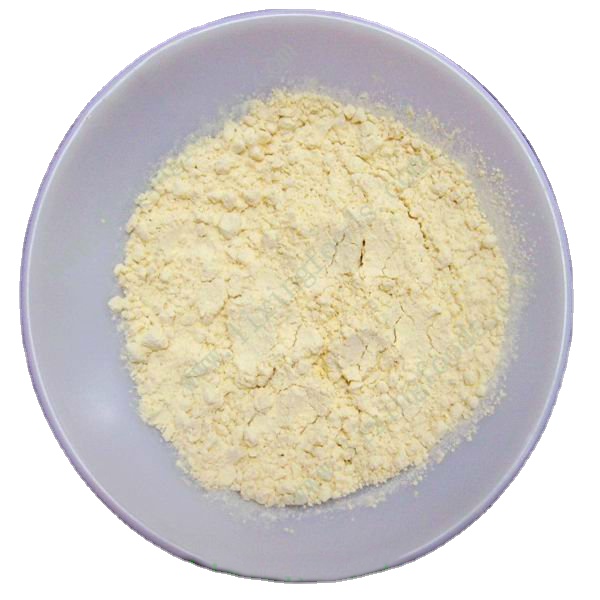
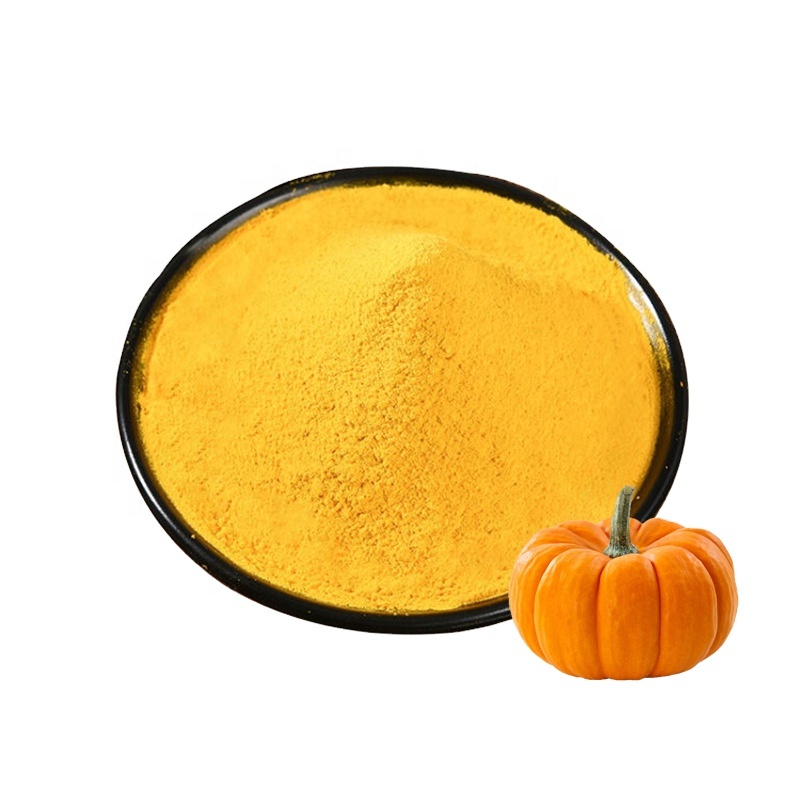
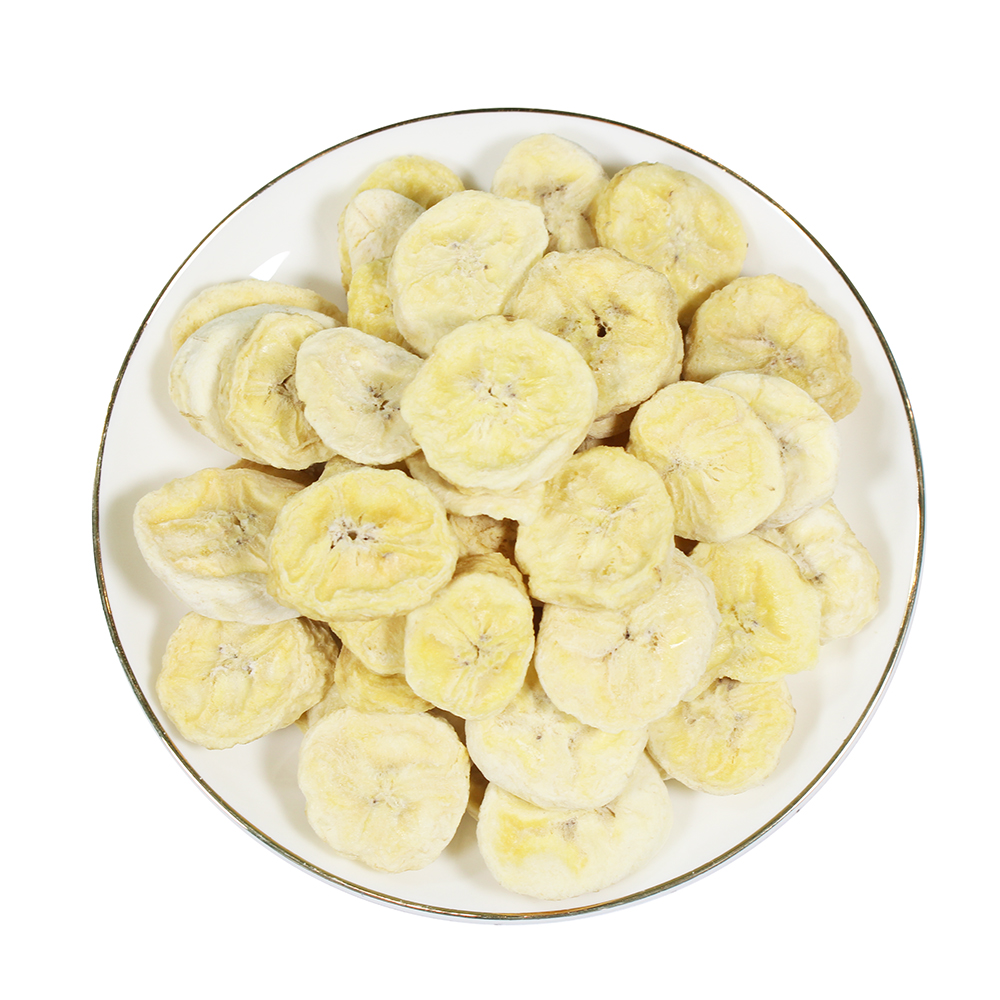
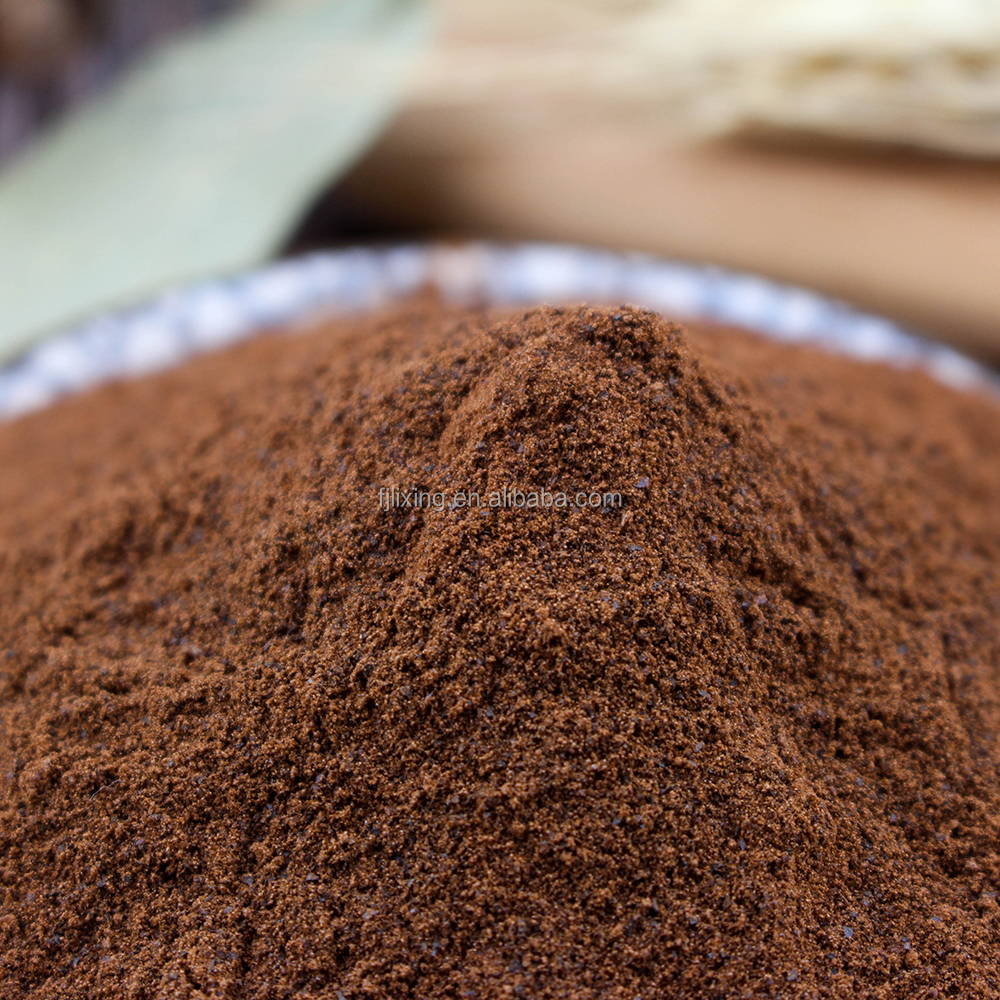
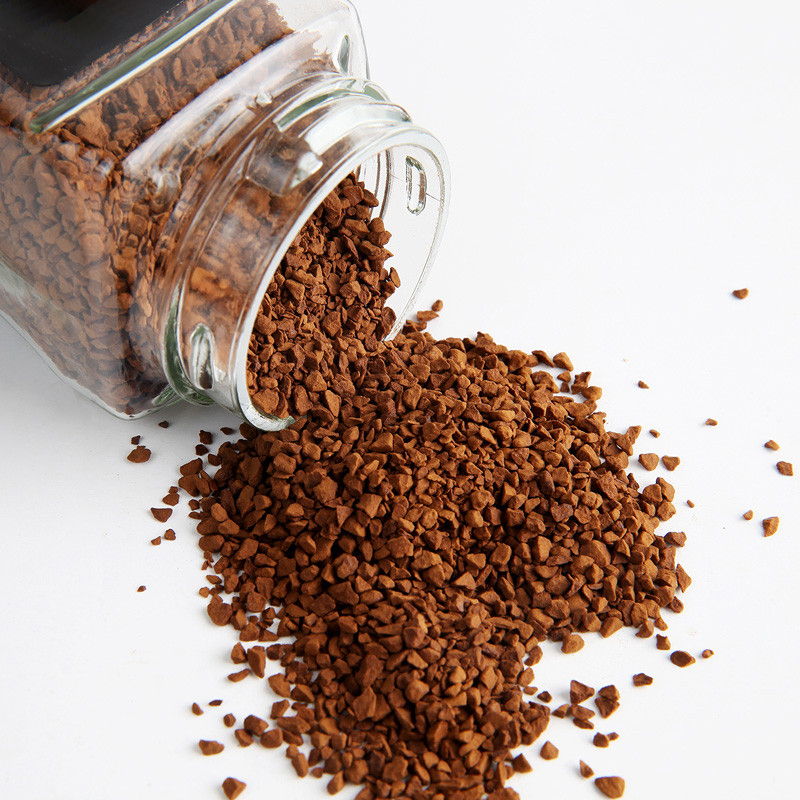
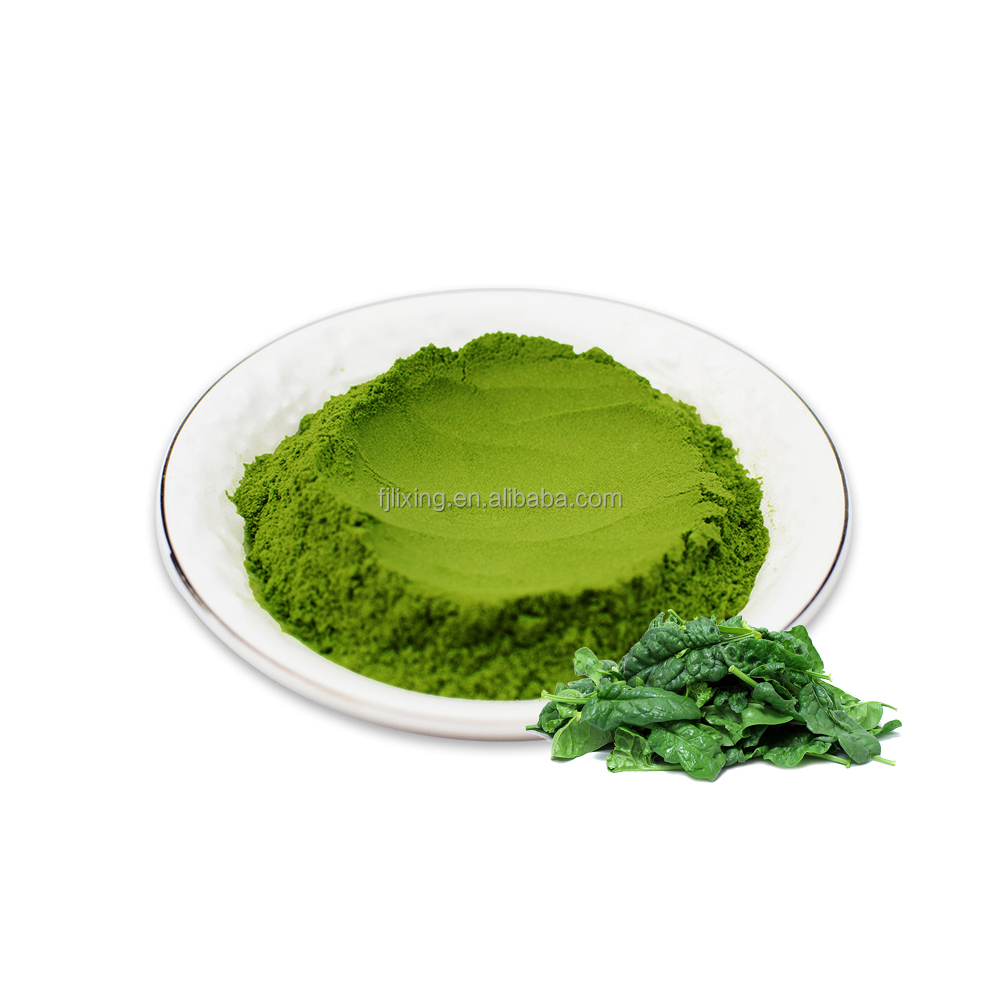
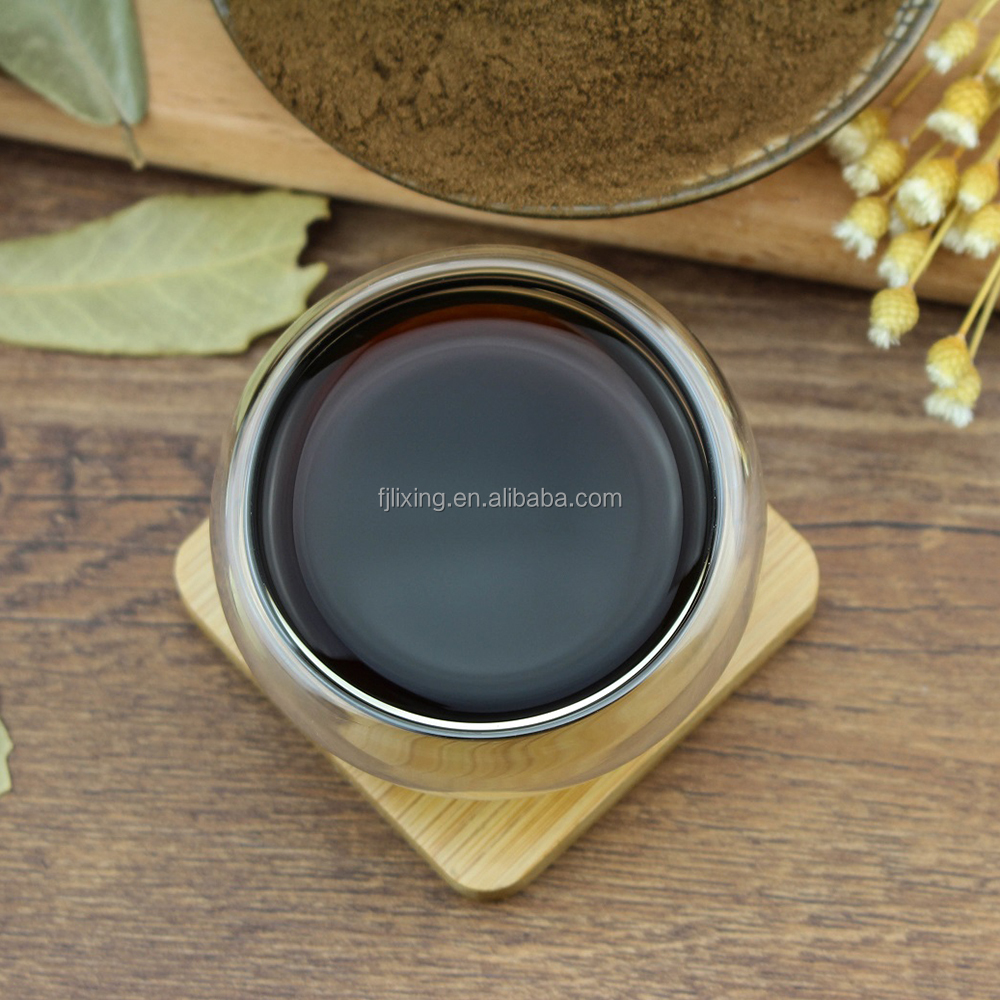
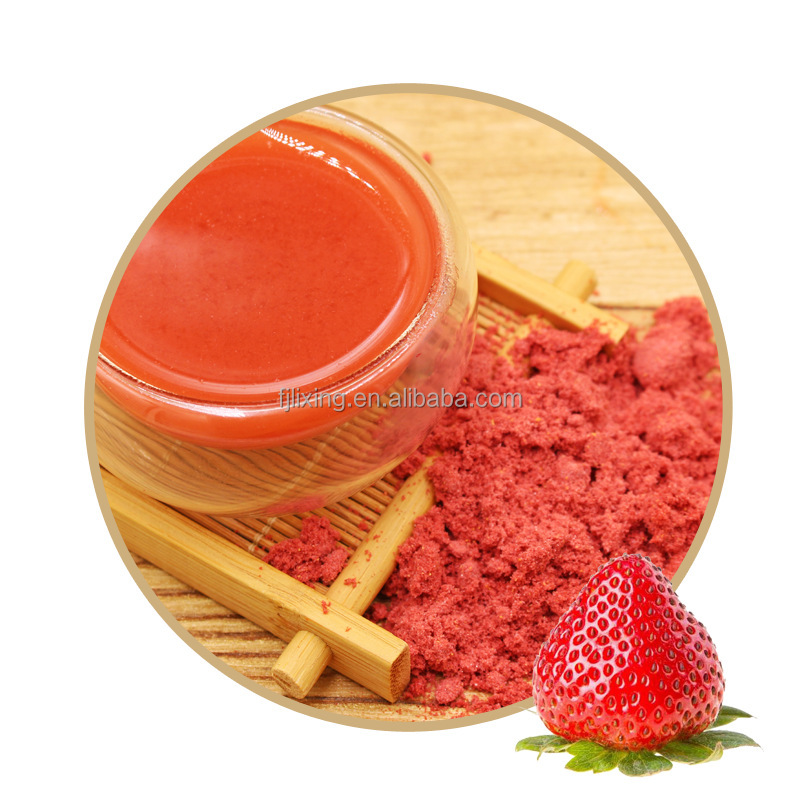
In addition to rainbow confections, buyers can consolidate containers with freeze-dried fruits (strawberry, mango, banana), freeze-dried instant specialty coffees, vegetable powders, and instant botanical teas under a unified BRCGS quality umbrella.
Frequently Asked Questions by Polish Importers & B2B Buyers
Essential guidance covering maritime transit, European food compliance, testing documentation, and order parameters.
What are the shipping routes, lead times, and customs clearance procedures for the Port of Gdańsk?
Shipments depart from Xiamen Port (adjacent to our Zhangzhou factory) via premier direct container lines (such as Maersk, MSC, or COSCO) calling directly at the Baltic Hub in Gdańsk. Ocean transit generally ranges from 28 to 35 calendar days. Our dedicated export documentation department provides commercial invoices, packing lists with net/gross weights, ocean bills of lading (or sea waybills), Certificates of Origin (Form A or REX system documentation), and detailed Certificates of Analysis (COA).
Upon arrival in Gdańsk, Polish customs authorities process imports under EU Combined Nomenclature codes 1704 90 65 / 1704 90 99. The Polish Agricultural and Food Quality Inspection (IJHARS) and State Sanitary Inspection (Sanepid) review document packages prior to fiscal release.
What are the Minimum Order Quantities (MOQ) for bulk shipments versus OEM private-label packaging?
For standard bulk packaging (double-sealed polyethylene inner liner bags protected by 5-ply corrugated export master cartons, typically 8kg–10kg net weight), our baseline MOQ starts at 500 kg. This allows regional Polish repackagers and bakery ingredient distributors to perform market tests without excessive inventory capital lockup.
For fully customized, high-barrier retail private-label packaging (custom rotogravure or digital printed Doypacks with euro-slot hang holes and degassing/resealable zipper closures), the standard production run MOQ is 20,000 to 30,000 pouches depending on bag dimensions. We also offer lower-volume trial solutions utilizing unprinted metallized bags fitted with custom Polish-language high-gloss adhesive labels.
How does your factory ensure compliance with European Union food safety and additive regulations?
All confections destined for the European common market are manufactured in strict compliance with Regulation (EC) No 178/2002 (General Food Law) and Regulation (EC) No 1333/2008 on food additives. Specifically, we exclude banned colorants and ensure our rainbow candy formulations omit Southampton six azo-dyes (E102, E104, E110, E122, E124, E129) unless explicitly specified and labeled under European warning mandates.
We utilize naturally derived anthocyanins, spirulina concentrate, curcumin, and paprika oleoresin to deliver brilliant spectral colors while preserving a clean, uncompromised EU ingredient profile. Heavy metal thresholds (lead, cadmium, arsenic) are routinely verified below maximum residue limits (MRLs) via on-site atomic absorption testing.
What barrier packaging specifications are implemented to counteract Baltic maritime ambient humidity?
Because freeze-dried candy has an expansive capillary internal network and moisture levels under 2%, it acts as a vigorous natural desiccant if exposed to open air. In northern maritime climates such as Gdańsk, standard mono-layer polyethylene bags will fail, leading to progressive softening and texture deterioration within weeks.
To eliminate this vulnerability, our OEM packaging specifications utilize high-barrier laminates: PET / VMPET / PE or PET / ALU / PE, providing an ultra-low Water Vapor Transmission Rate (WVTR < 0.5 g/m²/24hr) and Oxygen Transmission Rate (OTR < 0.5 cm³/m²/24hr). During automated packaging in our Class-100,000 cleanroom workshops, retail pouches can be flushed with industrial-grade nitrogen (N₂) to maintain an inert internal atmosphere and an 18 to 24-month crunchy shelf life.
Can Polish buyers obtain pre-shipment pilot samples and testing documentation?
Yes. We regularly supply sample kits to qualified Polish food brokers, corporate buyers, and confectionery development teams via express courier (DHL/FedEx directly to Gdańsk addresses within 4–6 business days). Sample packs contain complete specification sheets documenting moisture percentage, sensory profile, bulk density (g/L), granulation data, and microbiological assays (Total Plate Count, Yeast & Mold, Coliforms, Salmonella, and Listeria).
Click below to request a tailored sample box with your target sizing, coating styles (sour vs. sweet), or private label concept.
Initiate Your Freeze-Dried Confectionery OEM Program for Gdańsk
Partner directly with Fujian Fynergy Foods Co., Ltd. Leverage our 37 lyophilization production lines, BRCGS-certified safety systems, and specialized container export routing to establish market leadership across Poland and the Baltic Sea basin.