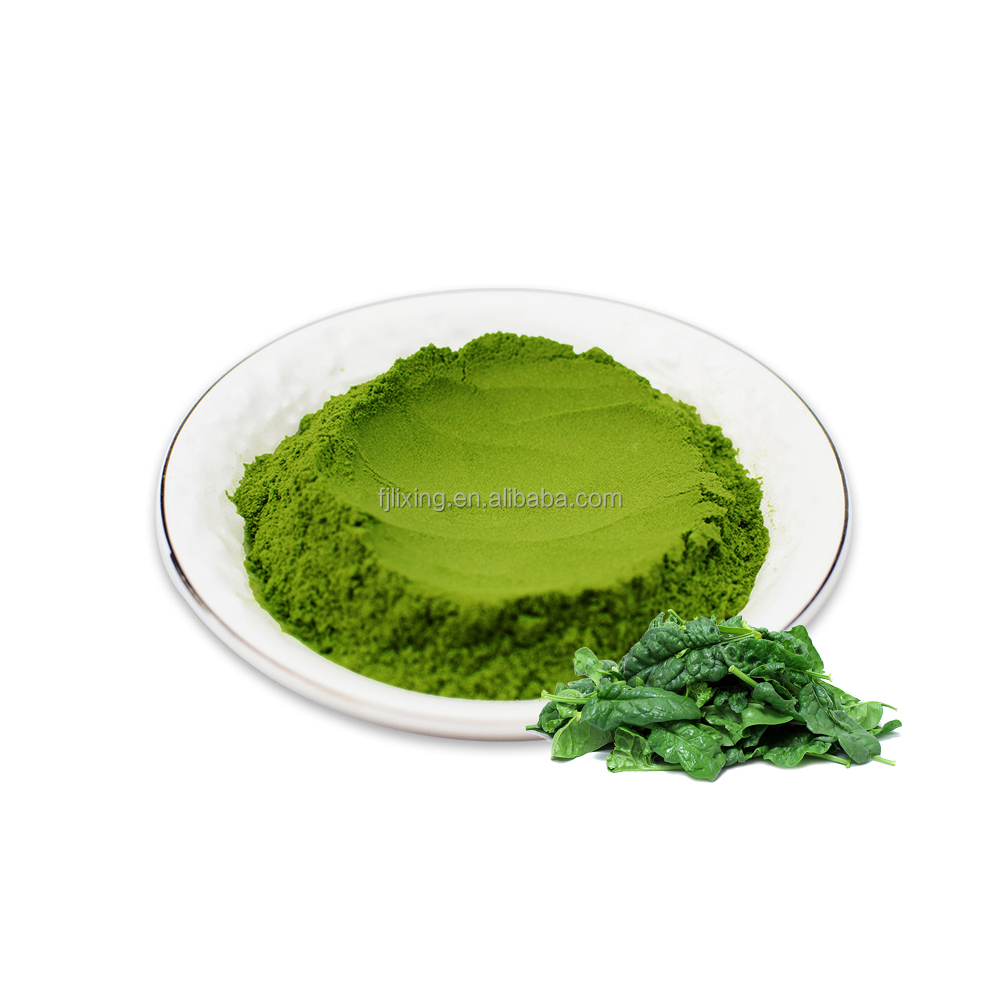
China Freeze Dried Fd Spinach Vegetable Powder
- Mesh Profile: 60 - 200 Mesh
- Moisture Level: ≤ 5.0% Karl Fischer
- Standard MOQ: 100 kg Bulk Carton
As the metropolitan core of Kanagawa Prefecture, Kawasaki occupies a uniquely pivotal position bridging Tokyo and Yokohama within the world's most demanding food manufacturing corridor. Driven by rigorous regulatory frameworks under Japan's Food Sanitation Act (食品衛生法), intensifying carbon footprint audits across the Keihin Industrial Corridor, and an accelerating consumer pivot toward clean-label, preservative-free convenience foods, institutional buyers require uncompromising supply reliability. Fujian Fynergy Foods Co., Ltd. presents this comprehensive industrial blueprint examining the structural mechanics, thermodynamic parameters, and localized supply chain integration of freeze-dried mixed vegetable matrices tailored expressly for Kawasaki food processing hubs, central commissaries, and emergency food relief stockpiling systems.
Manufactured under ISO 22000, HACCP, and BRCGS food safety protocols with custom mesh sizing, rapid moisture restoration kinetics, and zero chemical additives.
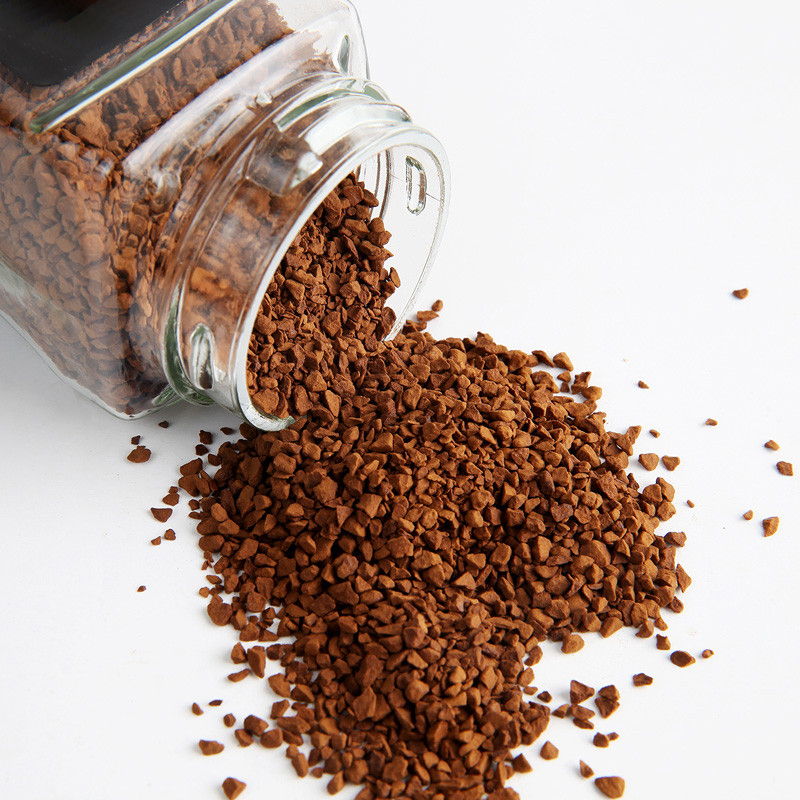
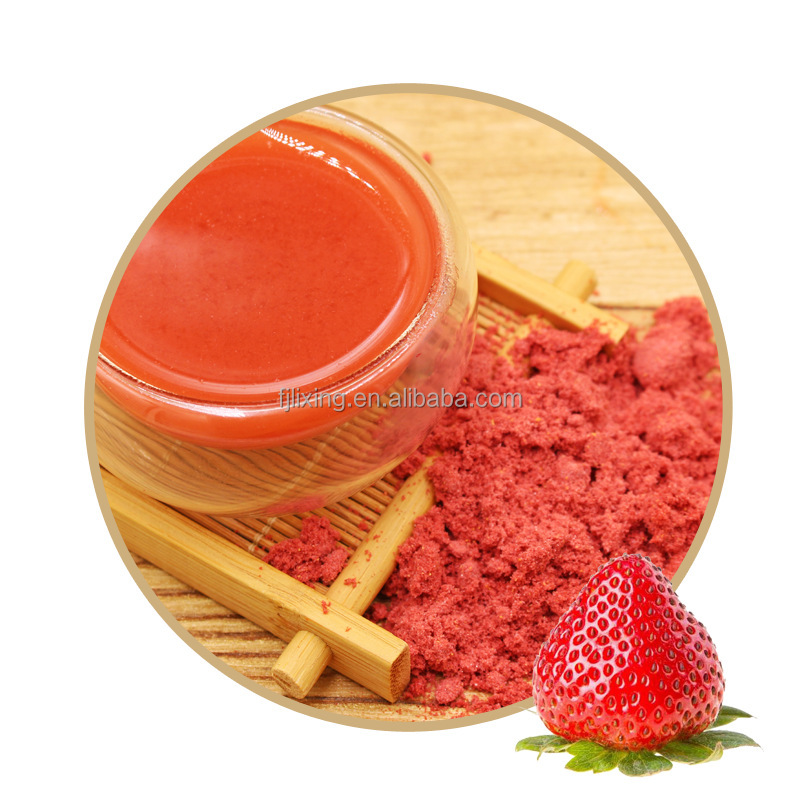
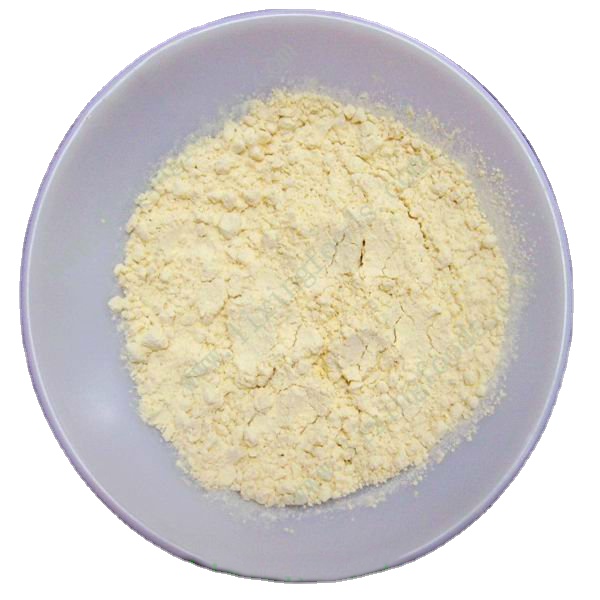
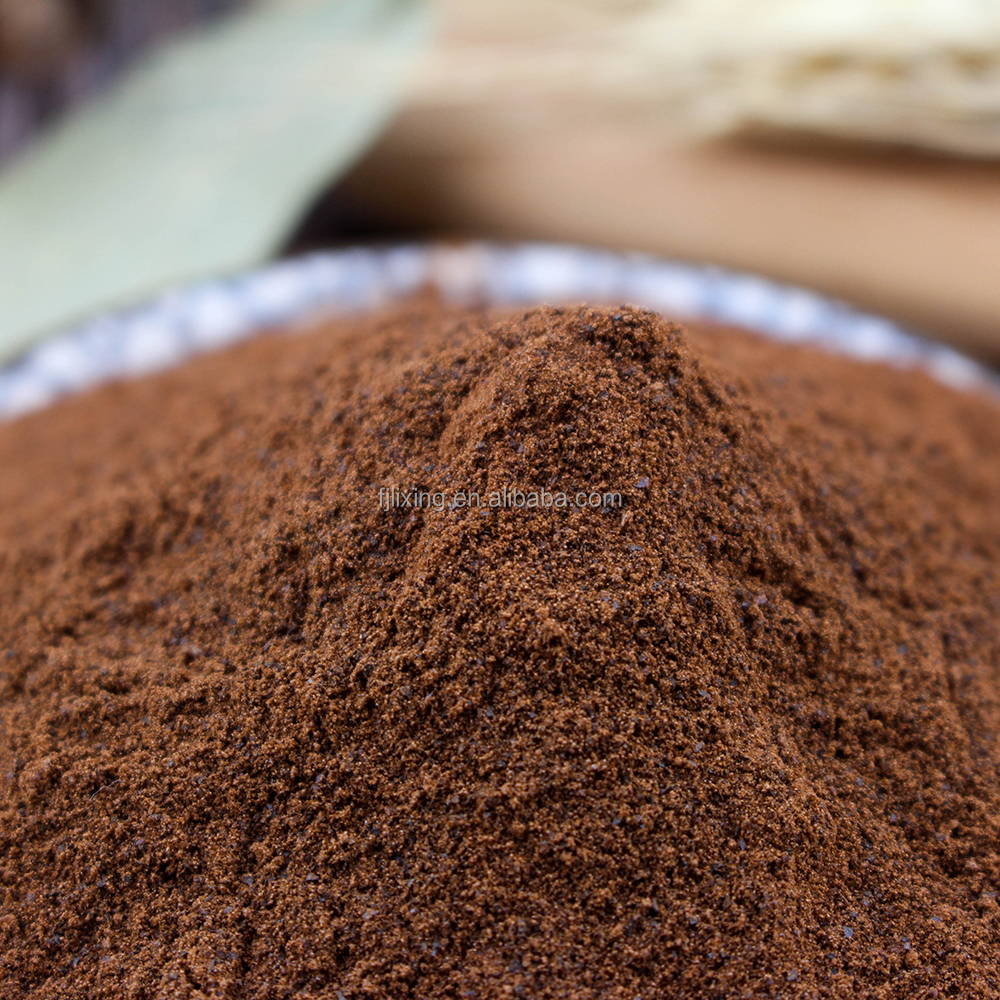
Comprehensive comparative performance metrics for food engineering specialists, procurement auditors, and institutional QA managers operating within the Kawasaki industrial ward.
| Evaluation Parameter | Industrial Vacuum Freeze-Drying (Fynergy FD) | Hot-Air Dehydration (Conventional AD) | Industrial Impact in Kawasaki Applications |
|---|---|---|---|
| Operating Mechanism | Sublimation under high vacuum (<20-50 Pa) at -35°C to +40°C | Thermal moisture evaporation at +65°C to +95°C | Zero heat-induced caramelization; prevents cellular collapse in vegetable tissue |
| Pore Morphology & Capillarity | Highly porous honeycomb structure; lattice uncompromised | Dense, shrunken matrix with collapsed vascular fibers | Ensures full rehydration in under 120 seconds in instant ramen & miso bases |
| Ascorbic Acid & Thermolabile Nutrients | 92% – 96% Bioactive Retention Rate | 18% – 35% Retention Rate (Severe degradation) | Fulfills clean-label Japanese institutional nutritional criteria without synthetics |
| Water Activity (aw) & Equilibrium Moisture | aw ≤ 0.25 | Residual Moisture ≤ 3.0% – 5.0% | aw 0.55 – 0.68 | Residual Moisture 10.0% – 16.0% | Guarantees 24-month stability under humid Tokyo Bay maritime coastal logistics |
| Organoleptic Fidelity (Color & Aroma) | 100% natural color index, original ester & terpene profile | Browning, oxidized aroma notes, degraded pigments | Eliminates the need for artificial food colorants (Tar dyes) regulated by MHLW |
Direct supply line integration for Kanagawa's premier manufacturing plants, convenience central kitchens, and cold-chain logistics hubs.
Kawasaki hosts major convenience distribution centers serving the Tokyo-Yokohama artery. Our freeze-dried mixed vegetables (sweet corn, shredded cabbage, carrots, spinach, shiitake) integrate into retort pouches, ready-to-heat bentos, and refrigerated prepared side salads, rehydrating instantly in residual broths while maintaining an audible crispness.
Kanagawa's high-throughput cup noodle and freeze-dried soup block factories demand tight uniform cut tolerances (typically 5x5mm to 10x10mm dice). Fynergy's multi-vegetable blends rehydrate within 90-180 seconds in hot dashi or broth without rubbery core textures, satisfying the exacting mouthfeel expected by Japanese domestic consumers.
With coastal flood mitigation and earthquake preparedness top priorities across the Tokyo Bay industrial rim, regional disaster prevention units stock shelf-stable rations. Our vacuum nitrogen-flushed, multi-layer aluminum barrier bulk packs achieve certified 3-to-5-year shelf lives under variable ambient temperatures without nutrient breakdown.
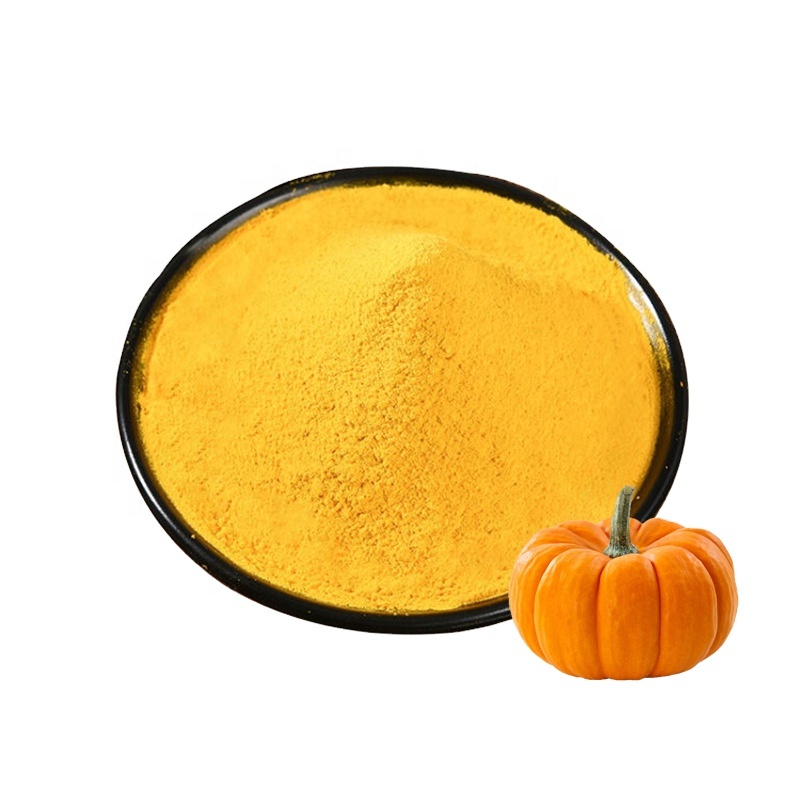
Kawasaki seasoning blenders and dry seasoning packet packers utilize our freeze-dried vegetable powders (spinach, pumpkin, carrot, and green onion) as 100% natural pigments and flavor boosters, replacing artificial tartrazine and sunset yellow with organic, nutrient-dense natural chlorophylls and carotenoids.
Pet humanization in the Tokyo-Kawasaki metropolitan area has generated double-digit retail growth for freeze-dried raw pet diets. Our freeze-dried peas, carrots, pumpkin cubes, and broccoli florets provide clean-label fiber, micronutrients, and attractive color contrasts in premium wet and dry pet formulations.
With Japan's demographic aging, Kanagawa welfare and hospital chains rely heavily on easily chewable, nutritionally uncompromised foods. Our freeze-dried vegetables soften completely on tongue contact when lightly misted, eliminating choking hazards while delivering full garden-fresh flavor profiles to elderly patients.
Market intelligence for purchasing executives navigating supply-chain volatility, decarbonization targets, and changing Japanese consumer preferences.
Operating deep-freeze refrigerated storage along the Tokyo Bay coastline carries heavy corporate electricity overhead and carbon penalties. Commercial buyers are aggressively transitioning shelf-stable components from frozen (IQF) to ambient freeze-dried (FD). Because freeze-dried vegetables transport and warehouse at standard ambient temperature (15°C - 25°C) without spoilage, companies in the Keihin industrial corridor slash their cold-chain Scope 3 greenhouse gas allocations by up to 68% per ton of dry vegetable equivalent.
Japan's Ministry of Health, Labour and Welfare (MHLW) enforces uniform maximum residue limits (MRLs) for hundreds of agricultural chemicals. Sourcing from non-specialized farm gate collectors creates massive quarantine rejection risk at Yokohama Port. Fynergy mitigates this by maintaining audited contracted farming bases where agricultural inputs are logged from seedling to harvest, followed by pre-shipment GC-MS/MS and LC-MS/MS screening for more than 500 pesticide compounds.
Kawasaki food brands are shifting away from procuring single vegetables from disconnected suppliers. Sourcing sweet corn, carrot cubes, green peas, and green beans independently multiplies inbound freight, quality paperwork, customs clearing, and storage footprint. Fynergy's automated homogenizers combine tailor-made vegetable blends into calibrated ratios within single sterile barrier packs, streamlining manufacturing schedules and line handling.
Urban consumers across Kanto are reducing sodium and rejecting artificial preservatives. Food scientists are substituting conventional sodium-laden dehydrated vegetables with unadulterated freeze-dried varieties that maintain crispness and sweet garden aromatics without sulfur dioxide bleaching, salt glazing, or MSG coatings.
Backed by over two decades of high-vacuum freeze-drying leadership, class-100,000 cleanrooms, and on-site testing infrastructure.
Our Zhangzhou, Fujian mega-facility spans 62,718 m² with approximately 8,000 m² of dedicated vacuum sublimation chambers. We deliver rock-solid, multi-ton monthly batch stability, insulating Japanese corporate partners from domestic harvest shortages and weather shocks.
Secondary handling, custom ratio blending, and barrier packaging occur strictly within HEPA-filtered, positive-pressure class-100,000 cleanroom workshops, consistently holding total plate counts (TPC) well under standard Japanese import limits (<10,000 CFU/g).
Our facility houses analytical testing suites including Liquid Chromatography (HPLC), Atomic Absorption Spectrophotometry (AAS for lead, arsenic, mercury, cadmium), and Kjeldahl apparatus, verifying physical-chemical specs before port departure.
Fynergy operates under top-tier food safety systems verified through on-site audits by TÜV Rheinland. We supply Fortune 500 multinationals and maintain full lot-traceability down to precise farm plot coordinates.
Collaborating with academic food institutes, our R&D center holds 41 authorized industrial patents covering sublimation vacuum curves, anti-caking particle engineering, and aroma retention, delivering custom mouthfeel and dispersion rates.
From whole florets to uniform dices (3mm, 5mm, 10mm), slices, or sub-micron powders, we produce custom-proportioned vegetable medleys packaged in bulk 10kg nitrogen-flushed poly bags or shelf-ready private-label retail pouches with multilingual labels.
Fresh vegetables undergo mechanical sorting, optical inspection, and continuous multi-stage ozone microbubble washing to eradicate surface residues.
Rapid cryo-tunnel stabilization crystallizes intracellular water into micro-ice lattices, preventing cellular shear damage and preserving texture.
Under controlled low pressure (20-40 Pa), bound water sublimes directly into vapor, dropping residual moisture below 3-5% without thermal breakdown.
Laser defect sorters, multi-frequency metal detection, and X-ray scanners check every gram prior to nitrogen-flushed hermetic packaging.
Specific answers covering lead times, documentation, Japanese customs clearance, pesticide testing, and custom mixture MOQs.
Every agricultural raw material batch processed by Fynergy is sourced from contracted Good Agricultural Practice (GAP) bases where pesticide use is strictly recorded and monitored. Before processing and export packaging, samples are tested via dual GC-MS/MS and LC-MS/MS systems in our in-house chromatography laboratory to confirm all compound residues fall strictly below the uniform default limit (0.01 ppm) or specific MRLs set by Japan's Ministry of Health, Labour and Welfare (MHLW). Comprehensive Certificate of Analysis (COA) dossiers are supplied with every bill of lading.
Our manufacturing complex is strategically located in Zhangzhou, Fujian, directly adjacent to Xiamen Port. Direct sea vessel departures from Xiamen to Yokohama/Kawasaki container terminals take only 4 to 6 days. Factoring in pre-shipment sampling, phytosanitary inspection, and export customs clearance, standard production-to-port arrival cycles run approximately 14 to 21 working days for repeat industrial batch orders.
Yes. Custom ingredient matrix formulation is an enterprise specialty. Buyers can specify individual vegetable varieties (e.g., sweet corn kernels, diced carrot 5x5mm, cut spinach 10x10mm, green scallion flakes, freeze-dried shiitake cubes) along with precise ratio percentages by dry weight. Our cleanroom automated ribbon blenders achieve consistent homogeneous mixing without fracturing delicate freeze-dried cellular structures.
For standard bulk single-ingredient cartons (e.g., 10kg or 15kg double-PE food-grade barrier liner packs), our standard MOQ starts at 100 kg to 500 kg depending on the vegetable species. For custom-ratio mixed vegetable formulations, the MOQ typically begins at 500 kg. For fully branded retail-ready packaging (stand-up nitrogen barrier pouches or single-serve soup cups), MOQs range from 5,000 to 20,000 units depending on printing parameters.
Raw vegetables undergo multistage ultrasonic wash baths, vortex stone-removal channels, and high-resolution optical sortation. Following lyophilization, bulk products pass through dual inline rare-earth magnetic grids (12,000 Gauss), high-sensitivity metal detectors (capable of identifying Fe ≥ 0.6mm, Non-Fe ≥ 0.8mm, SUS ≥ 1.0mm), and high-definition industrial X-ray scanners to ensure complete absence of foreign bodies.
We welcome third-party technical audits and customer QA inspections. Our facility has undergone onsite audit verifications by TÜV Rheinland, SGS, and corporate audit delegations representing Fortune 500 food groups. We provide open transparency into cleanroom operating logs, autoclave records, water purification readouts (reverse osmosis), and internal testing traceability matrices.
Consult with our senior food science engineers and export logistics directors. Request custom product specification dossiers, heavy metal and pesticide residue documentation, or bench samples tailored to your product launch timeline.