High-Performance Freeze-Dried & Functional Ingredients
Engineered for global food manufacturers, retail brand aggregators, and HORECA supply chains requiring strict physical-chemical consistency, low water activity, and uncompromised cellular integrity.
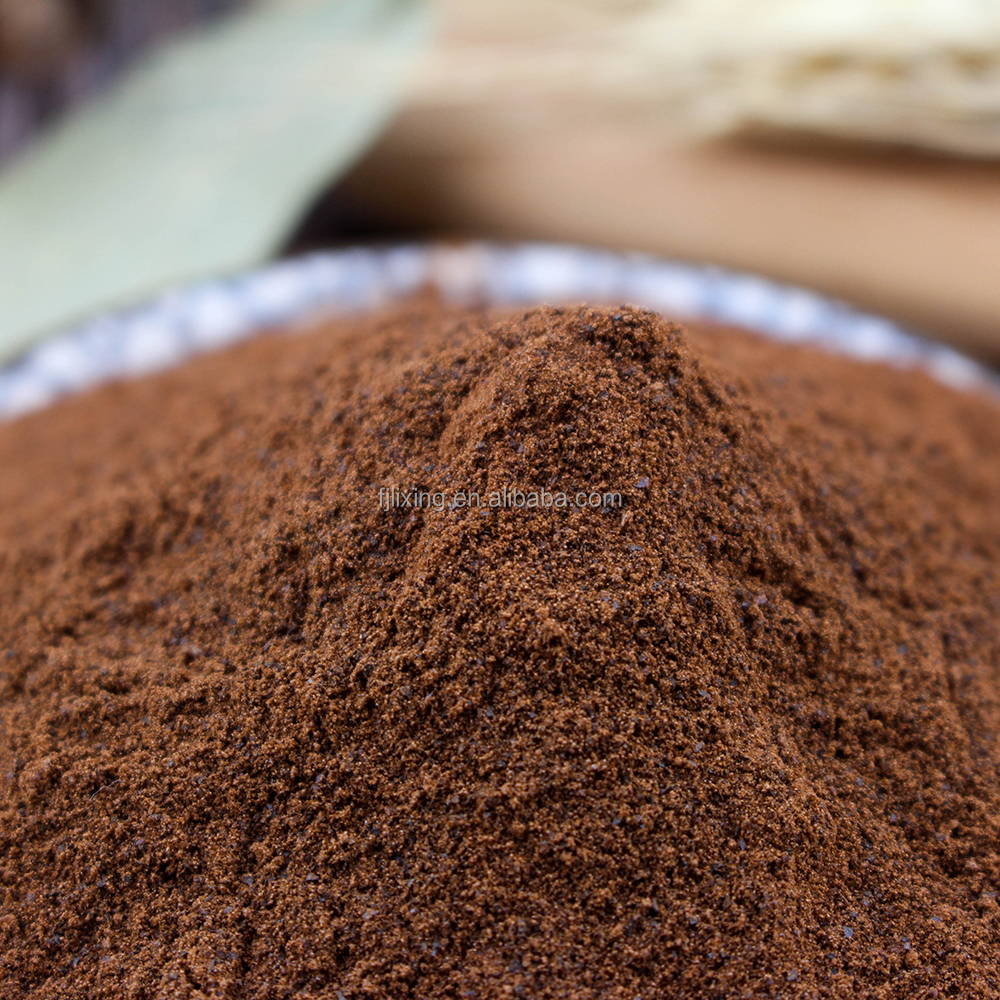
Customized Or Bulk Spray Dried Puer Tea Powder
- Mesh Spec: 80–120 Mesh
- Solubility: 100% Cold Water
- Application: RTD & Premix
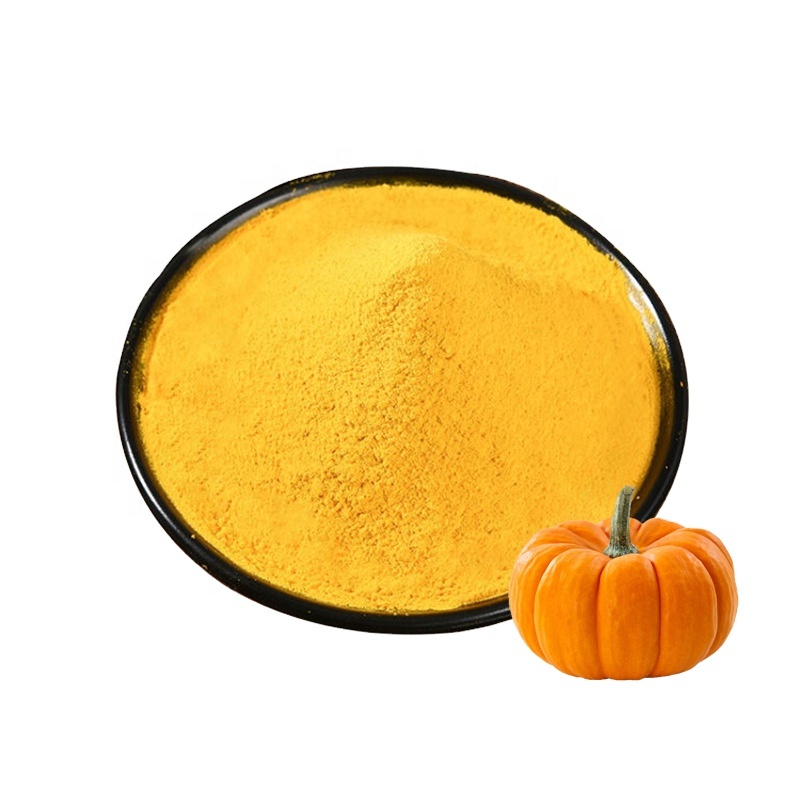
Wholesale Freeze Dried Vegetable Fruit Pumpkin Powder
- Moisture: ≤ 4.0%
- Color Index: Natural Gold Beta-Carotene
- Purity: Additive Free
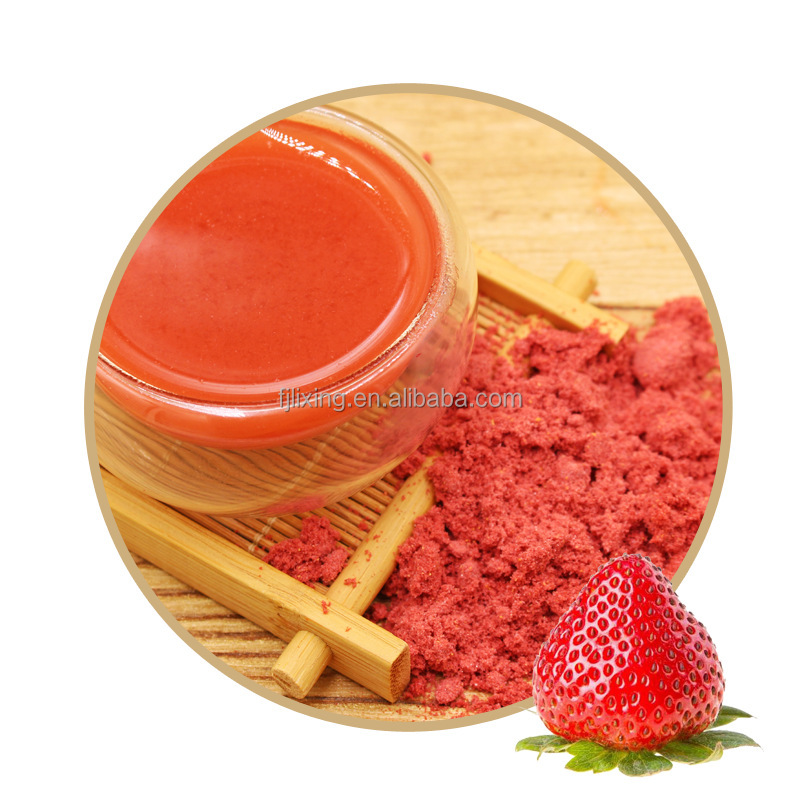
Freeze Dried Instant Strawberry Powder Customized Stock
- Process: -40°C Deep Sublimation
- Flavor: Vibrant Sweet-Tart
- Standard: BRCGS / ISO Verified
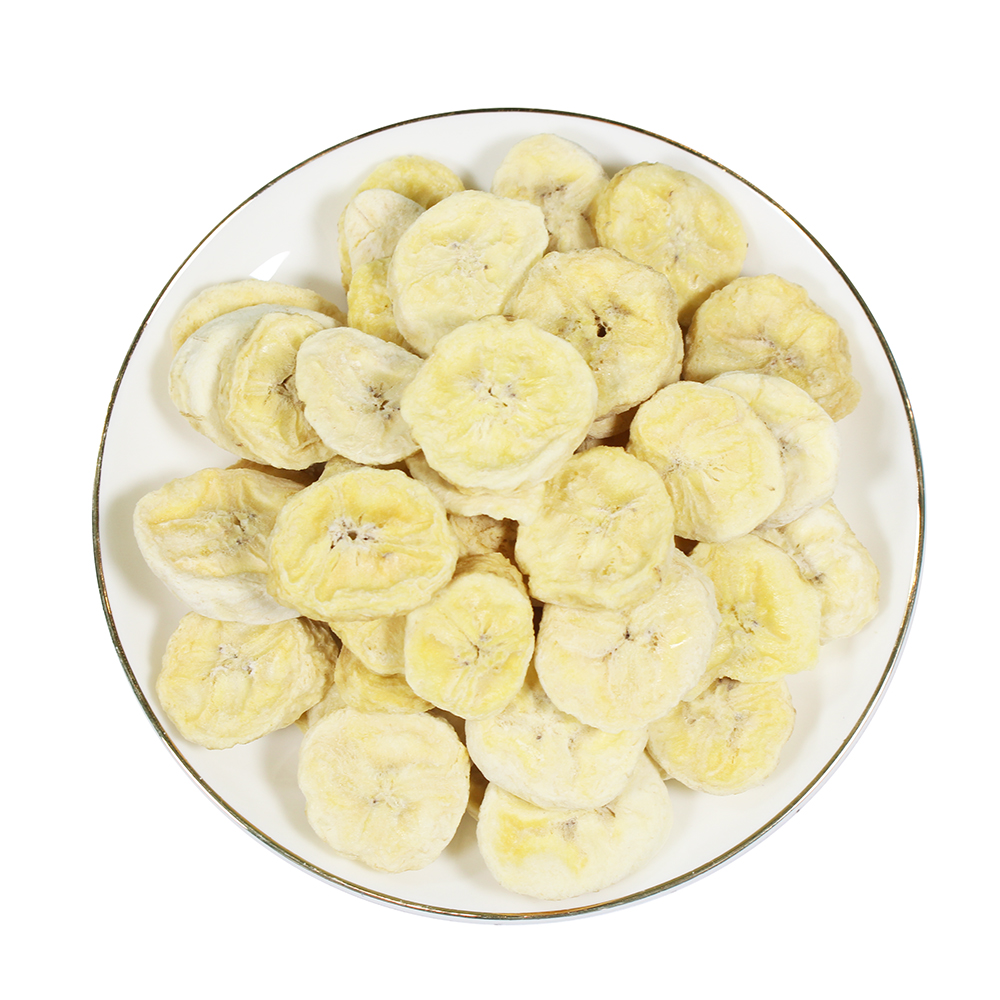
OEM Bulk Organic Freeze Dried Banana Chips & Slices
- Thickness: 5mm–8mm Uniform
- Texture: Crisp Cellular Crunch
- Packaging: Nitrogen-Flushed Foil
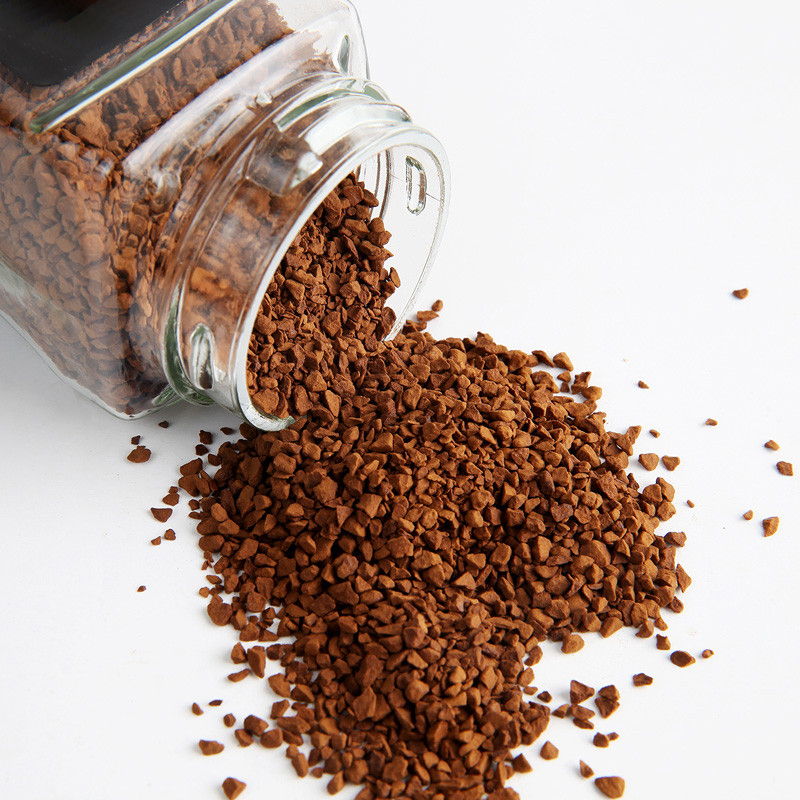
OEM Freeze Dried Instant Coffee Particle Arabica Robusta
- Particle Form: Granular Crystal
- Aroma Tech: Low-Temp Volatile Lock
- Roast Profile: Medium / Dark Roast
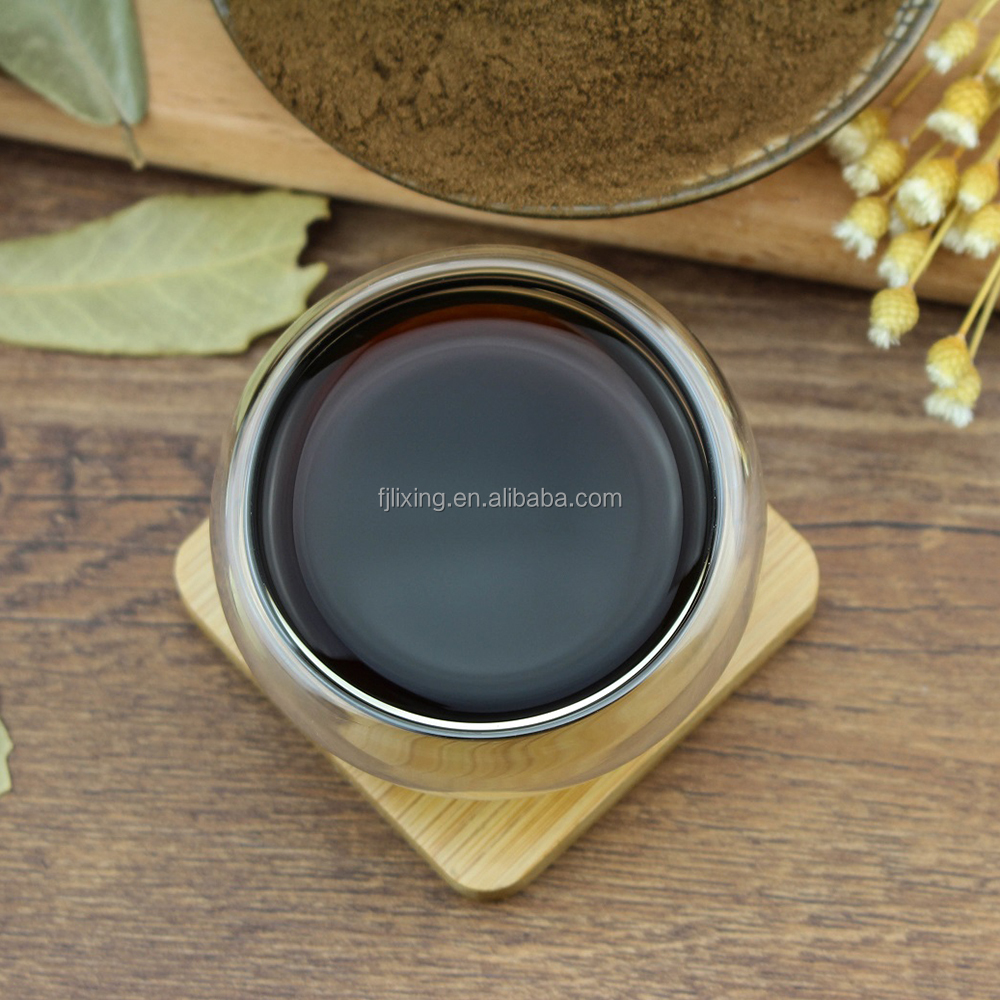
Factory Supply Dried Mesona Chinensis Extract Powder
- Active Solids: High Botanical Yield
- Functional Use: Grass Jelly & Tea Bases
- Certificate: Heavy Metal Screened
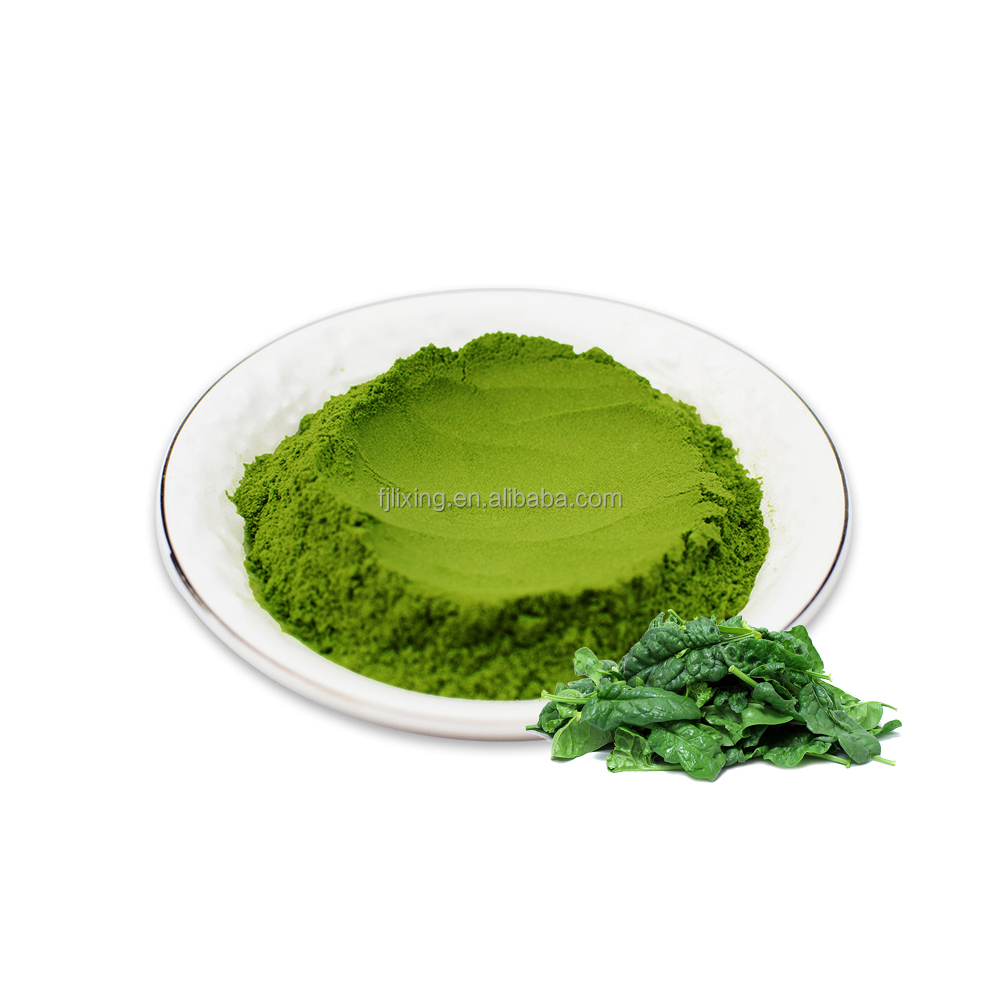
Industrial Freeze Dried FD Spinach Vegetable Powder
- Chlorophyll: Thermally Preserved
- Mesh Size: 100–200 Fine Powder
- Microbiology: Strict Low Bio-Burden
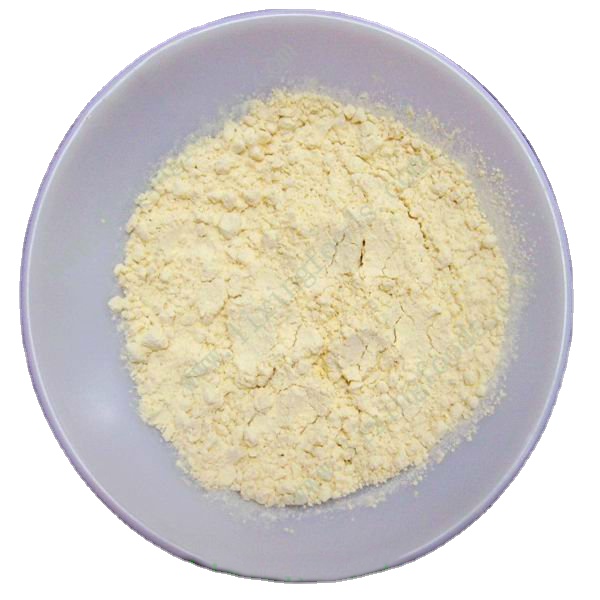
Organic Fruit Pure Freeze Dried Natural Banana Powder
- Sugars: 100% Intrinsic Fructose
- Processing: Sublimation Dehydrated
- Application: Infant Food & Smoothies
Industrial Monograph: Hat Yai as the Strategic Lyophilization Gateway of Southern Thailand
In contemporary international food engineering and supply-chain logistics, Hat Yai occupies a pivotal, irreplaceable position. Situated within Songkhla Province at the geographic crossway of the Southern Thai agrarian corridor and the northern logistics infrastructure of Peninsular Malaysia, Hat Yai has transitioned from a provincial trading outpost into a sophisticated cross-border trade convergence point. For corporate buyers searching for premium Freeze Dried Mango Manufacturers & Exporters in Hat Yai, this territory offers unmatched systemic efficiencies in agricultural sourcing, logistical transit, and cross-border customs dispatch.
The agro-climatic topology of Southern Thailand and its proximate central farming belts produces some of the world’s most organoleptically rich mango cultivars, including the globally renowned Nam Dok Mai (famed for its high brix-to-acid ratio and silky fiberless flesh), Maha Chanok (distinguished by its vibrant beta-carotene pigmentation and floral bouquet), and Chok Anan (favored for high structural solid retention). Transforming these perishable tropical crops into shelf-stable, structurally pristine freeze-dried mango requires tremendous capital investment and stringent thermal physics controls. Through industrial sublimation, water is driven directly from the solid ice phase to vapor under deep vacuum conditions without passing through the liquid phase, fundamentally avoiding the cellular collapse, enzymatic degradation, and caramelization associated with conventional hot-air drying.
B2B Purchasing Paradigm: Vacuum freeze-drying preserves between 95% and 98% of the mango's original botanical cellular matrices, volatile aromatic compounds, and heat-labile Vitamin C. With residual moisture maintained beneath 3%, water activity ($a_w$) drops below 0.25, establishing an impenetrable barrier against microbiological proliferation without requiring chemical preservatives or added sulfites.
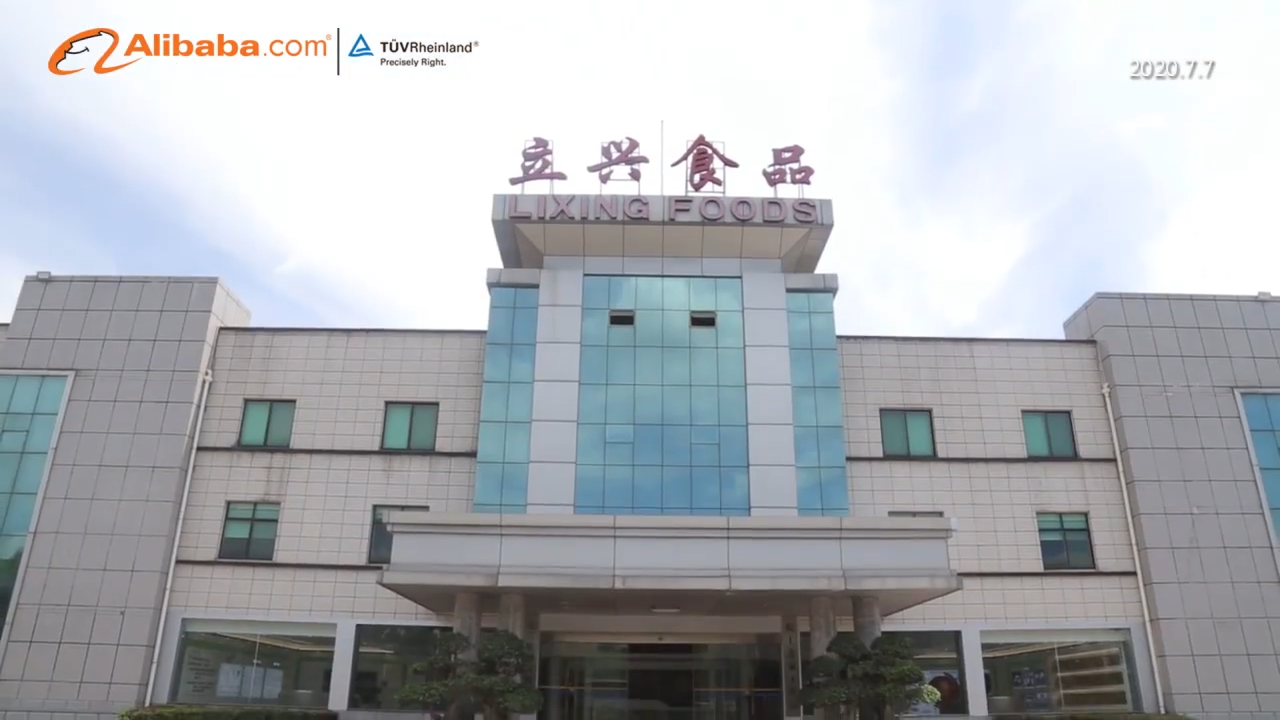
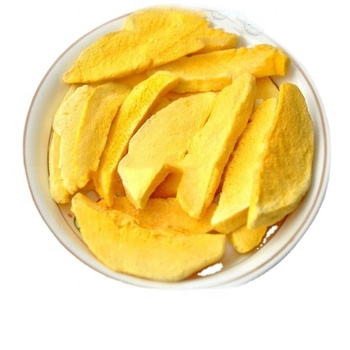
Our manufacturing architecture integrates this geographic prowess with over two decades of processing acumen. Operating a 62,718 m² manufacturing base backed by 37 automated lyophilization tunnels, we supply international hypermarket conglomerates, pharmaceutical-grade health brands, and industrial bakery mixers across the ASEAN region, Australasia, North America, and Europe. By positioning Hat Yai as an administrative coordination, QA validation, and cross-border shipping fulcrum, our clients leverage seamless connectivity via Sadao Border Customs down to Penang Port and Port Klang, as well as multimodal transit upward to Bangkok and outbound deep-sea container terminals.
Localized Application Scenarios Across Southern Thailand & the Regional ASEAN Economy
The commercial deployment of freeze-dried mango processed through Hat Yai extends far beyond standard retail consumer snacking. Due to the high ambient relative humidity characteristic of Southern Thailand, Malaysia, and Singapore, food manufacturers face significant formulation hurdles regarding hygroscopic clumping, lipid oxidation, and textural degradation. Our vacuum-lyophilized ingredients are precision-engineered to fulfill high-stress industrial applications:
HORECA & Modern Tea Chains
Hat Yai’s booming tourism and the expansive bubble tea and artisanal fruit beverage ecosystems across Southeast Asia utilize our soluble freeze-dried mango dice (3x3x3mm, 5x5x5mm) and superfine powders. Because our sublimation retains the original fruit cellular vascular pathways, rehydration occurs in under 15 seconds in cold liquid bases, delivering natural mango mouthfeel and cloudiness without synthetic clouding gums.
Industrial Bakery & Enrobed Chocolate
Moisture transfer is the primary failure mode when introducing fruit pieces into high-fat chocolate bars, granola inclusions, and shortbread fillings. With water activity stringently capped at $a_w \le 0.25$, our freeze-dried mango cubes do not siphon fats or introduce mold-catalyzing moisture to adjacent layers, preserving the audible crunch of cereal clusters and the crystalline tempered snap of premium chocolate couvertures.
Clean-Label Functional Nutrition
Regional infant food, athletic meal replacements, and senior nutritional brands demand powders devoid of silica anticaking additives, maltodextrin carriers, or added sweeteners. Utilizing our 100-mesh freeze-dried mango purees, formulators achieve complete dissolution, clean suspension, and 100% natural fruit sweetness that meets the strict dietary requirements of certified clean-label and pediatric dietary standards.
Furthermore, Hat Yai acts as the primary culinary testbed for tourism-focused FMCG innovation. The legendary Thai dessert "Mango Sticky Rice" has been successfully miniaturized into shelf-stable freeze-dried cubes—incorporating coconut milk, glutinous rice starch, and fresh mango pulp in a single lyophilized bite. This innovation, pioneered alongside our contract OEM R&D divisions, captures high retail margins in international airport duty-free centers and cross-border gift markets.
Supply Chain Dynamics & Export Evolution: The Southern Thailand Strategic Gateway
The industrial production and international export of freeze-dried goods from Hat Yai are currently shaped by four macroeconomic and technological shifts that institutional purchasing directors must integrate into their procurement roadmaps:
1. Cross-Border Multimodal Transit
Hat Yai is the critical railway and road interchange connecting Bangkok's industrial core to Malaysia via the Sadao and Padang Besar customs checkpoints. Shipments destined for Kuala Lumpur, Penang, or Singapore transit within 12 to 24 hours overland, eliminating container detention delays and reducing freight transit costs by up to 28% compared to feeder vessels transshipping through deep-sea maritime channels.
2. Absolute Shift to Zero-Sulfur Specs
Historical reliance on traditional hot-air dried mango treated with sodium metabisulfite for color retention is rapidly terminating due to evolving consumer awareness and stricter import tolerance limits ($< 10\text{ ppm}$) across the European Union and North America. Cryogenic vacuum lyophilization naturally preserves the brilliant golden carotenoids without requiring any chemical sulfur stabilization.
3. RCEP & Form D Tariff Optimization
Leveraging the Regional Comprehensive Economic Partnership (RCEP) and the ASEAN Trade in Goods Agreement (ATIGA), importers utilizing Hat Yai supply chains benefit from 0% preferential tariff schedules through the provision of certified Form D or Form E certificates of origin. This fiscal benefit amplifies the commercial viability of high-volume contract packing and private-label retail distributions.
4. Halal Corridor Integrity
Given Songkhla’s direct proximity to the Muslim consumer bases of Southern Thailand, Malaysia, and Indonesia, Halal integrity is fundamental. Our facility maintains dedicated processing corridors compliant with CICOT and JAKIM benchmarks, certifying zero animal cross-contamination, dedicated sanitation reagents, and unbroken audit traceability across every lot dispatched.
These regulatory and infrastructural advancements solidify Hat Yai as not just an agricultural collection center, but as an advanced value-added engineering and fulfillment ecosystem capable of mitigating supply disruptions that frequently affect single-origin processing hubs elsewhere in Asia.
Manufacturing Architecture: Over 20 Years of Lyophilization Dominance
Sourcing directly through our manufacturing network eliminates intermediaries, reduces contract risk, and provides our enterprise clientele with direct technical recourse to our engineering leadership. Fujian Fynergy Foods Co., Ltd., working in close synergy with regional supply hubs like Hat Yai, stands among Asia’s foremost comprehensive lyophilization conglomerates:
62,718 m² Industrial Scale
Our manufacturing site spans 62,718 m² of total floor space, operating 37 continuous vacuum freeze-drying lines and roughly 8,000 m² of vacuum chamber area. This tremendous capacity allows us to process hundreds of metric tons of raw agricultural tonnage weekly, preventing post-harvest spoilage and guaranteeing continuous output for institutional annual contracts.
Class-100,000 Cleanrooms
Because dehydrated freeze-dried structures are aggressively hygroscopic and vulnerable to environmental contamination, all sorting, optical laser grading, and secondary retail packaging occur within hermetically sealed, positive-pressure Class-100,000 cleanroom workshops maintained at controlled humidity ($≤ 35\%\text{ RH}$) and temperature ($≤ 20^\circ\text{C}$).
In-House Analytical Laboratory
Our facility features an internal analytical testing laboratory outfitted with Liquid Chromatography (HPLC), Atomic Absorption Spectrophotometry (AAS), Atomic Fluorescence Spectrophotometry (AFS), and automated Kjeldahl apparatus. We test each batch for pesticide residues, heavy metals (Lead, Cadmium, Arsenic), aerobic plate counts, coliforms, and mycotoxins prior to bill of lading generation.

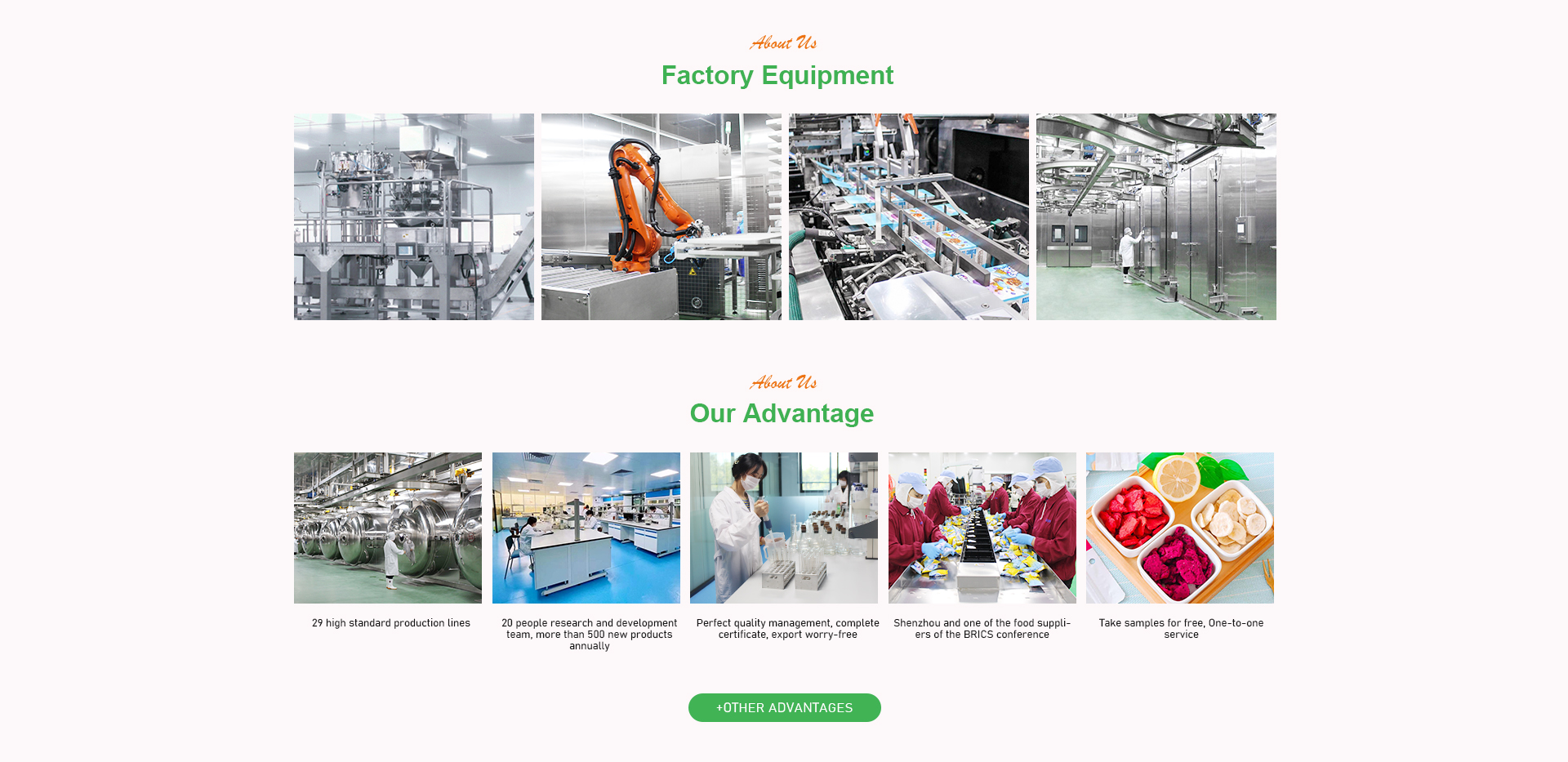
Supported by 41 authorized industrial patents and on-site factory verification by TÜV Rheinland, we proudly serve as long-term suppliers to Fortune 500 food corporations. Whether executing private-label stand-up pouches with multi-layer EVOH high-barrier foil, industrial vacuum bulk cartons (10kg–15kg) with poly inner liners, or custom recipe formulations, our QA protocols deliver flawless lot-to-lot consistency.
Comparative Technical Specifications: Sublimation vs. Conventional Preservation
Procurement engineers must understand the physiological and biochemical differences between vacuum freeze-drying and standard hot-air or osmotic drying. The structural metrics below delineate why lyophilized mango commands premium market equity:
| Analytical Parameter | Industrial Vacuum Freeze-Drying (FD) | Hot-Air Dehydration (AD) | Osmotic Glazed / Soft Candied |
|---|---|---|---|
| Operating Temperature | -40°C to +45°C (Deep Vacuum Sublimation) | +60°C to +85°C (Convective Hot Air) | +70°C to +90°C (Sugar Boiling & Baking) |
| Moisture Content (%) | ≤ 2.5% – 3.0% (Ultra-Low) | 12.0% – 18.0% (Intermediate) | 15.0% – 22.0% (High Residual) |
| Water Activity ($a_w$) | ≤ 0.22 – 0.25 (Microbial Arrest) | 0.55 – 0.68 (Prone to Mold in Tropics) | 0.65 – 0.75 (Requires Preservatives) |
| Nutrient / Ascorbic Acid Retention | 95% – 98% Retained (Enzymatically Inactive) | 30% – 50% Degraded by Heat Exposure | < 20% (Leached in Syrup Stages) |
| Structural Morphology | Rigid, cellular porous sponge (No Shrinkage) | Collapsible, leathery, dense matrix | Dense, rubbery, high syrup crystallization |
| Chemical Preservatives | 100% Free (Zero SO₂, Zero Additives) | Frequently uses Sodium Metabisulfite | Potassium Sorbate, SO₂, Citric Acid, Sugars |
| Rehydration Performance | 1:5.5 Ratio within 15–30 Seconds | Partial Rehydration (> 25 Minutes) | Non-Rehydratable (Forms Gelled Slurry) |
*Data verified via internal analytical assays under ISO 22000 and BRCGS audit criteria. Individual batch COAs (Certificates of Analysis) accompany every shipping container dispatched.
Localized Procurement FAQ: Inquiries from Hat Yai & Regional B2B Buyers
Review standard operational, technical, and logistical clarifications addressed by our international trade and engineering divisions:
What are the exact MOQ parameters for OEM custom packaging vs. bulk carton delivery?
For standard bulk industrial supplies (double food-grade polyethylene liners sealed within 5-ply corrugated export cartons, 10kg or 12kg net weight), our baseline Minimum Order Quantity (MOQ) begins at 100 kg to 500 kg per SKU. For full OEM private-label production involving custom-printed foil barrier pouches (rotogravure printing up to 10 colors, matte/gloss finishes, zip-lock closures), the MOQ generally sits between 10,000 and 30,000 units depending on pouch surface area. Trial quantities for local ASEAN market evaluations and pilot launches are gladly negotiated upon technical review.
How do you protect freeze-dried mango against humidity degradation during transit in Southeast Asia?
Because freeze-dried fruits are hygroscopic, prolonged exposure to ambient air in tropical regions like Hat Yai (RH > 75%) will trigger moisture reabsorption, loss of crispness, and premature browning. We mitigate this through an unbroken triple-tier barrier protocol: (1) Packaged strictly within Class-100,000 cleanrooms maintained below 35% RH; (2) Secondary packaging utilizes high-density aluminum foil laminates (PET/AL/PE) offering near-zero Water Vapor Transmission Rates (WVTR < 0.05 g/m²/24h); (3) Nitrogen (N₂) gas flushing to achieve headspace oxygen concentrations beneath 1.5%, accompanied by food-grade desiccants.
Which specific mango cultivars are processed, and can brix specifications be customized?
We primarily process three quintessential cultivars: Nam Dok Mai (revered for its intense aroma, smooth low-fiber flesh, and sweetness exceeding 18°–20° Brix upon harvest), Maha Chanok (distinguished by striking yellow-orange carotenoid pigmentation and subtle floral tang), and Kaew Kamin (widely sought for its consistent golden cross-section and firm crispness). We can calibrate ripening levels before the freezing tunnel stage to standardize target Brix and titratable acidity levels according to your brand's flavor profile.
What food safety certifications and audit documentation accompany exports?
Our manufacturing infrastructure maintains formal certifications under BRCGS Food Safety (Issue 9, Grade A), HACCP System Protocols, and ISO 22000:2018. We are routinely audited and verified on-site by TÜV Rheinland. For markets throughout Southern Thailand, Malaysia, Indonesia, and the Middle East, our products carry authentic Halal certification issued by recognized religious Islamic councils adhering to strict segregation benchmarks. Furthermore, selected processing runs are certified Kosher. Every consignment is dispatched with a Certificate of Analysis (COA), Phytosanitary Certificate, and Certificate of Origin (Form D / Form E / RCEP).
What are the shipping lead times from Hat Yai to domestic and international destinations?
For overland cargo routed across the Sadao / Bukit Kayu Hitam border into West Malaysia and Singapore, freight transit averages 24 to 48 hours from dispatch. For sea shipments dispatched through Songkhla Port, Port Klang, or Penang Port, transit times to East Asia (Tokyo, Shanghai, Busan) range from 8 to 14 days, and to North America / Western Europe between 22 and 35 days. Standard production lead times for bulk repeat orders run 15–20 working days, while initial custom OEM printing setup runs approximately 25–30 days.
Can you supply customized cut cuts, dices, and mesh powder specifications?
Yes. We operate precision Urschel industrial dicers, slicers, and cryogenic vibratory pin mills. Available formats include: Large Longitudinal Slices (8–12cm length, 6–8mm thickness); Dices and Cubes (3x3x3mm, 5x5x5mm, 10x10x10mm, 12x12x12mm); Crushed Granules (1mm–3mm for tea blends and chocolate toppings); and Micronized Superfine Powder (60 mesh, 80 mesh, 100 mesh, and 120 mesh for instant soluble beverages, cosmetic bases, and baking batters). Custom mesh sizes can be formulated to client sieve specs.