FD Vegetable
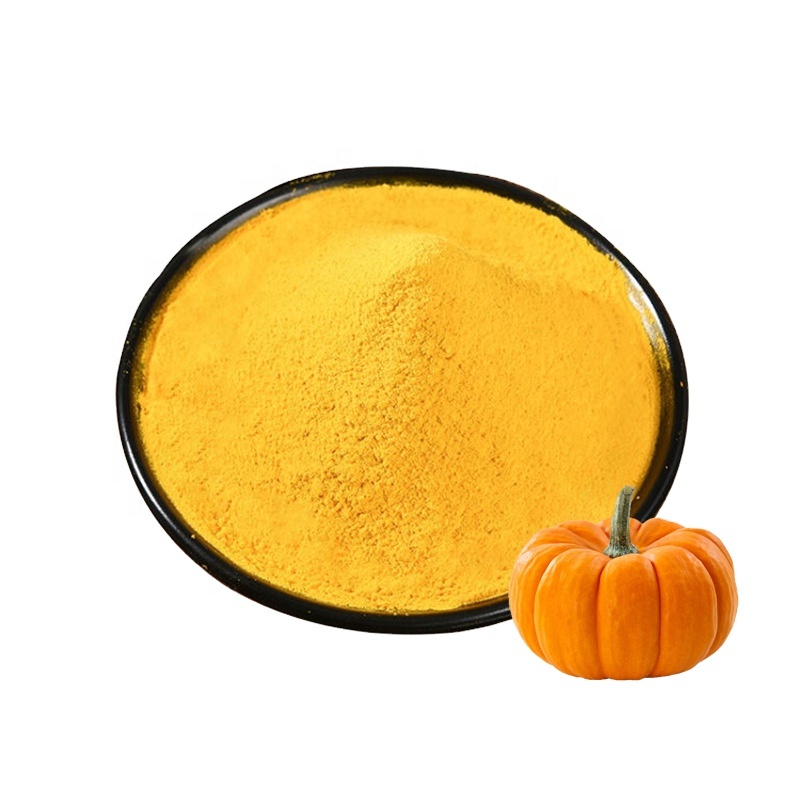
Wholesale Freeze Dried Vegetable Fruit Powder of Freeze-dry Pumpkin Powder
- Process: Lyophilized (FD)
- Moisture: ≤ 4.5%
- Solubility: Rapid Dispersion
High-rehydration botanical bases, organic fruit solids, and specialty extracts engineered to meet Japan’s strict MHLW standards, Positive List pesticide residue limits, and delicate umami flavor systems.
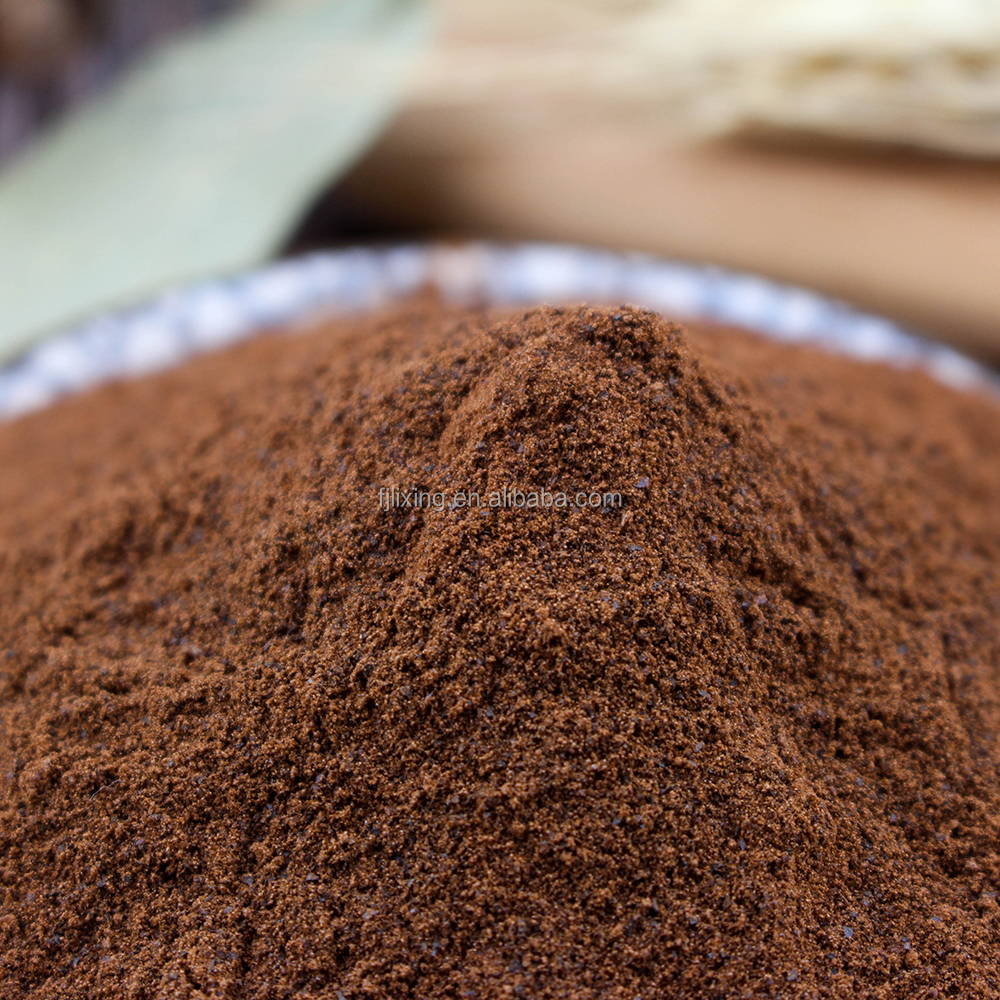
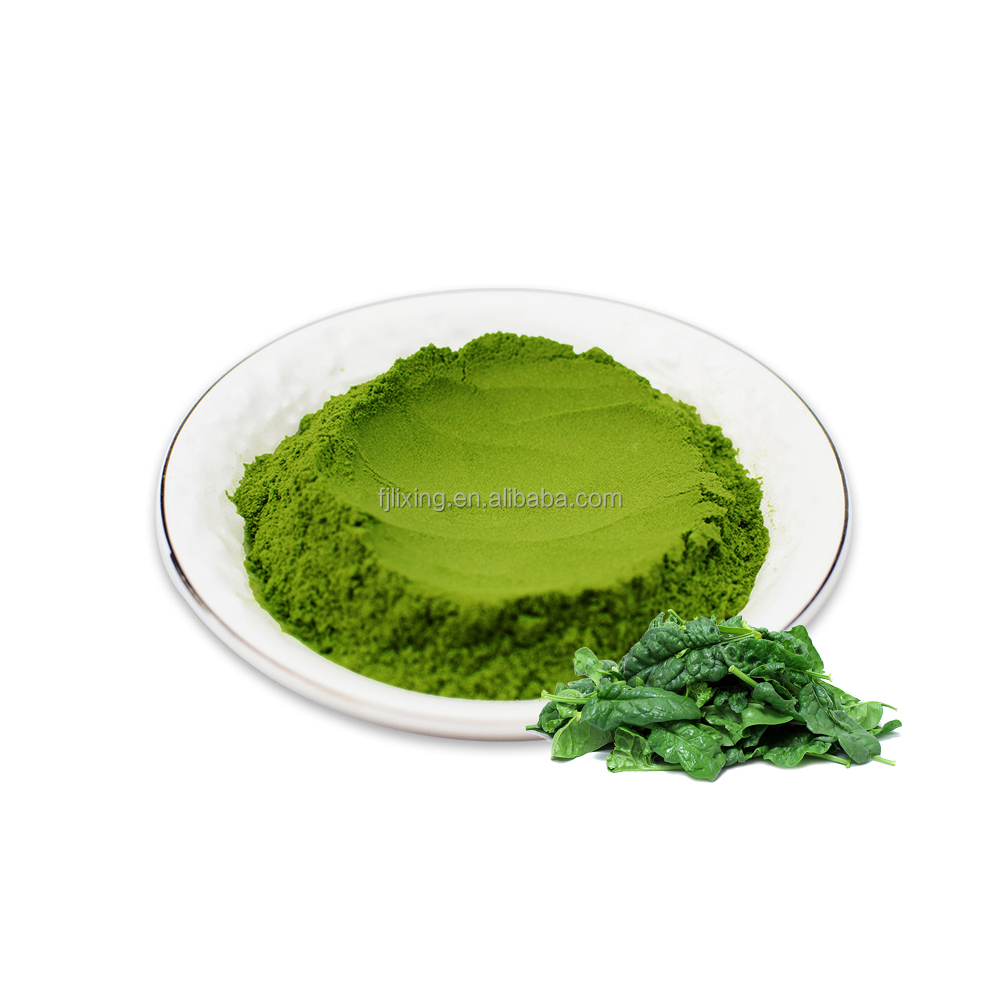
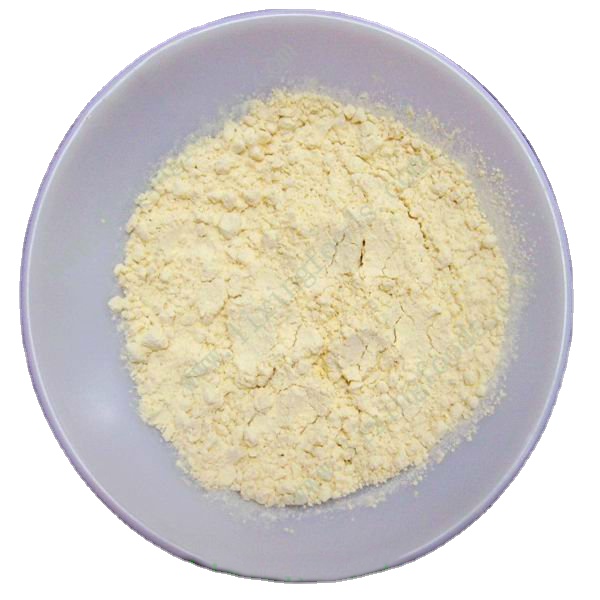
Kyoto represents one of the most culturally sophisticated culinary landscapes on earth. Known globally as the heart of traditional Washoku (Japanese cuisine inscribed on the UNESCO Intangible Cultural Heritage list), Kyoto demands perfection in visual presentation, seasonal nuance (shun), and uncompromised depth of flavor. For corporate buyers, institutional food manufacturers, hotel chains, and retail brand owners operating within the Kyoto Prefecture and broader Kansai economic corridor, sourcing freeze-dried instant soups is never merely a matter of commoditized volume. It is a technical exercise in preserving thermodynamic cellular integrity, achieving instant dissolution, and honoring delicate aroma profiles without thermal degradation.
Fujian Fynergy Foods Co., Ltd., backed by more than 20 years of dedicated sublimation expertise, 37 automated industrial lyophilization chambers, and 62,718 m² of high-hygiene production facilities, bridges the gap between massive manufacturing capability and Kyoto’s uncompromising culinary ethos. When delivering freeze-dried soup blocks, instant miso matrices, clarified consommé powders, and seasonal vegetable inclusions to Kyoto, our operational mandate focuses on one standard: zero thermal shrinkage, zero artificial enhancers, and immediate rehydration within 3 to 5 seconds upon exposure to 85°C–95°C water.
Adapting freeze-dried instant soup formulations to Kyoto necessitates deep contextual understanding of end-user dynamics. The local food distribution channel spans traditional hot-spring ryokans in Arashiyama, boutique machiya hotels in Gion, bustling transit centers around Kyoto Station, and rapid home-meal replacement (HMR) consumers across Nakagyo-ku. Here are the five key commercial applications where our lyophilized products deliver superior competitive advantages:
Kyoto’s luxury ryokans face acute skilled kitchen labor shortages alongside peak morning breakfast rushes. Our custom freeze-dried instant soup cubes—blending artisanal white miso (Saikyo miso profile), silky Japanese tofu cubes, and delicate FD spinach powder—allow hospitality operators to serve consistent, chef-quality dashi soups with zero morning prep time, maintaining pristine visual clarity and aromatic integrity.
With tens of millions of domestic and international travelers passing through Kyoto Station and Karasuma, the demand for lightweight, ambient-stable luxury gift packs (omiyage) is enormous. We manufacture private-label single-serve soup pouches featuring freeze-dried whole matsutake mushroom slices, pumpkin solids, and golden yuzu zest that reconstitute into an authentic seasonal Kyoto meal experience inside hotel rooms or back home.
Kyoto Prefecture has an expanding elderly demographic requiring easily digestible, nutrient-dense nutrition with strict sodium limits. Our R&D laboratory develops freeze-dried instant porridge and vegetable-egg soups with controlled osmotic pressure and potassium-to-sodium balance. Lyophilization preserves 96%+ of heat-sensitive vitamins (C, B-complex) and bioactive polyphenols without artificial gums.
In modern fusion cafés across Kawaramachi, instant freeze-dried soup bases are utilized as instant savory toppers and clear broth concentrates for artisan noodle bowls and traditional green tea rice (ochazuke). Utilizing our customized tea extracts and dehydrated vegetable powders creates an instant umami bloom upon contact with steaming roasted green tea (hojicha) or hot water.
Kyoto municipal guidelines urge commercial entities, schools, and temples to store minimum 3- to 7-day shelf-stable emergency nutritional reserves. Traditional canned rations present excessive weight, high waste volume, and poor palatability. Our vacuum foil-packaged freeze-dried soup blocks offer guaranteed 24- to 36-month shelf stability, compact footprint, and the psychological comfort of hot, savory broth during emergency scenarios.
Sourcing directors and category managers must align their supply chains with shifting consumer psychology and regulatory evolution across Japan. Over the past 36 months, our international trade intelligence team has identified four definitive structural shifts dominating procurement tenders across Kyoto, Osaka, and Kobe:
Kyoto consumers systematically reject synthetic flavorings (chemical MSG / kagakuchomiryo). The market demands transparent labeling with umami derived solely from kombu (kelp), katsuobushi (bonito flakes), shiitake guanylate, and pure freeze-dried vegetable solids.
Consumers prioritize soup cubes that dissolve seamlessly in under 5 seconds without requiring vigorous stirring. High porosity engineered through controlled shelf temperature ramps during primary sublimation prevents hard inner cores in reconstituting ingredients.
Kyoto was the birthplace of the Kyoto Protocol; sustainability isn't an afterthought here. Brand owners are aggressively transitioning from multi-layer metallic plastics to recyclable mono-material barrier pouches and FSC-certified paper cartons with water-based inks.
Rigorous verification of pesticide residues and heavy metal levels (cadmium, lead, arsenic) is non-negotiable. Procurement protocols require complete analytical Certificates of Analysis (COA) per batch, verified through liquid chromatography and spectrophotometry.
| Analytical Parameter | Fynergy Vacuum Lyophilization (FD) | Standard Hot-Air Dehydration (AD) | Spray-Drying Powder (SD) |
|---|---|---|---|
| Operating Temperature | -35°C to +45°C (Vacuum Sublimation) | +65°C to +110°C (Thermal Convection) | +140°C to +200°C (Inlet Atomization) |
| Moisture Content | ≤ 2.0% – 4.0% (Extremely Stable) | 7.0% – 12.0% (Prone to oxidation) | 3.0% – 5.0% (Hygroscopic fine powder) |
| Cellular Structure | 100% Intact Microporous Honeycomb | Collapsed, Shrunken, Dense Case-Hardening | Amorphous Spherical Particles |
| Nutrient Retention (Vit C, B) | 94% – 98% Preserved | 30% – 55% Degraded | 40% – 60% Degraded |
| Rehydration Speed at 90°C | < 5 Seconds (Instantaneous) | 3 – 8 Minutes (Often tough fibers) | 10 – 30 Seconds (Requires stirring) |
| Volatile Aromatic Compounds | Retained via Closed Cryogenic Trap | Largely Vented & Lost | Partially Lost in Exhaust Plume |
Headquartered in Zhangzhou, Fujian—one of Asia's primary agricultural and high-tech food manufacturing belts—Fujian Fynergy Foods Co., Ltd. operates with the scale, precision, and global regulatory compliance demanded by multinational retail brands and Japanese trading houses (shosha). Over two decades of continuous capital investment and process engineering have established our facility as a benchmark in industrial lyophilization.
With 37 operational industrial freeze-drying lines and roughly 8,000 m² of internal vacuum chamber surface area, our 62,718 m² manufacturing campus processes hundreds of metric tons of raw soup ingredients per month without bottlenecking during seasonal demand surges.
Our integrated food safety management system is certified to BRCGS Global Standard for Food Safety, HACCP, and ISO 22000. Onsite verification by TÜV Rheinland provides absolute transparency for third-party procurement and technical auditing teams.
Every step following lyophilization—unloading trays, metal detection, X-ray foreign particle screening, and nitrogen-flushed primary packaging—takes place inside strict Class-100,000 cleanroom workshops with positive atmospheric pressure to prevent ambient moisture re-absorption.
Equipped with Liquid Chromatography (HPLC), Atomic Absorption Spectrophotometry, Atomic Fluorescence Spectrophotometry, automatic Kjeldahl protein units, and microplate readers. We test every production lot for heavy metals (Pb, Cd, As, Hg), pesticide residues, microbial flora, and precise moisture content.
We provide full-spectrum contract packaging: from bulk aseptic foil bags (for industrial re-packers) to printed single-serve soup cups, nitrogen-purged sachets, and retail-ready display boxes. Our export logistics operations utilize express maritime connections from Xiamen Port directly to Kobe or Osaka Port (approx. 3–5 days transit), followed by bonded refrigerated drayage directly into Kyoto Prefecture fulfillment hubs.
Straightforward technical, regulatory, and logistics answers to facilitate fast vendor onboarding, QA clearance, and import compliance into Japan.
We operate in strict accordance with the Ministry of Health, Labour and Welfare (MHLW) guidelines. Our raw materials are sourced from GAP-certified agricultural bases with documented pesticide usage logs. Before lyophilization and prior to export packaging, every lot is tested in our in-house chromatography lab and cross-checked against third-party laboratories (such as SGS or Eurofins) for over 450 regulated pesticide residues, zero synthetic food colorings, and negative radiation screening. Detailed COAs accompany every bill of lading.
Yes. Our R&D team features food science engineers specializing in traditional Asian broth systems. We regularly collaborate with Japanese private-label clients to formulate sweet white miso profiles, clear sea-bream dashi, chicken collagen broths, and vegetarian mushroom consommés. We can incorporate customer-supplied signature ingredients (such as specific regional shoyu or proprietary dashi concentrates) or develop turn-key formulas matched to your target Brix, salt percentage, and amino acid profile.
For custom OEM/ODM retail-packaged freeze-dried soup blocks (in printed aluminum foil sachets or cups), our standard starting MOQ is typically 20,000 to 30,000 units per SKU. For bulk institutional ingredients (e.g., pure freeze-dried pumpkin powder, spinach flakes, or extract powders), MOQ is 100 kg to 500 kg depending on the ingredient. Standard mass production lead time is 18–25 business days from final artwork and formula sign-off. Spot orders from our existing ingredient inventory ship within 7 days.
Our primary dispatch port is Xiamen Port, Fujian Province, which maintains high-frequency direct container vessel sailings to the Port of Kobe and Port of Osaka. Transit time on water is an exceptionally fast 3 to 5 days. Upon customs clearance and inspection release by Kansai Quarantine Stations, shipments are transported via bonded highway freight to dry or climate-controlled warehousing facilities in Kyoto City, Uji, or surrounding Kansai logistical hubs. We provide full documentation: Phytosanitary Certificates, Certificates of Origin, Packing Lists, and Japanese Import Declaration assistance.
Freeze-dried soup matrices are hygroscopic; exposure to Kyoto’s ambient summer humidity (often exceeding 80% RH) would rapidly degrade crispness and trigger premature caking. To guarantee 18 to 24 months of ambient stability, we seal our products in high-barrier multi-layer composite films (PET/AL/PE or high-barrier metallized VMPET) with nitrogen (N₂) purging to reduce residual oxygen levels to < 1.5%. Ultrasonic hermetic heat seals prevent microscopic air ingress along pouch seams.
Absolutely. We encourage culinary sensory evaluations and pilot lab tests. Upon receipt of your target brief (flavor profile, block dimensions, dietary specs), our technical team will ship custom sample kits via air express (DHL/FedEx) arriving in Kyoto within 48 to 72 hours. Each sample pack includes full nutritional analysis tables, water activity (aw) measurements, dissolution benchmarks, and ingredient breakdown sheets.