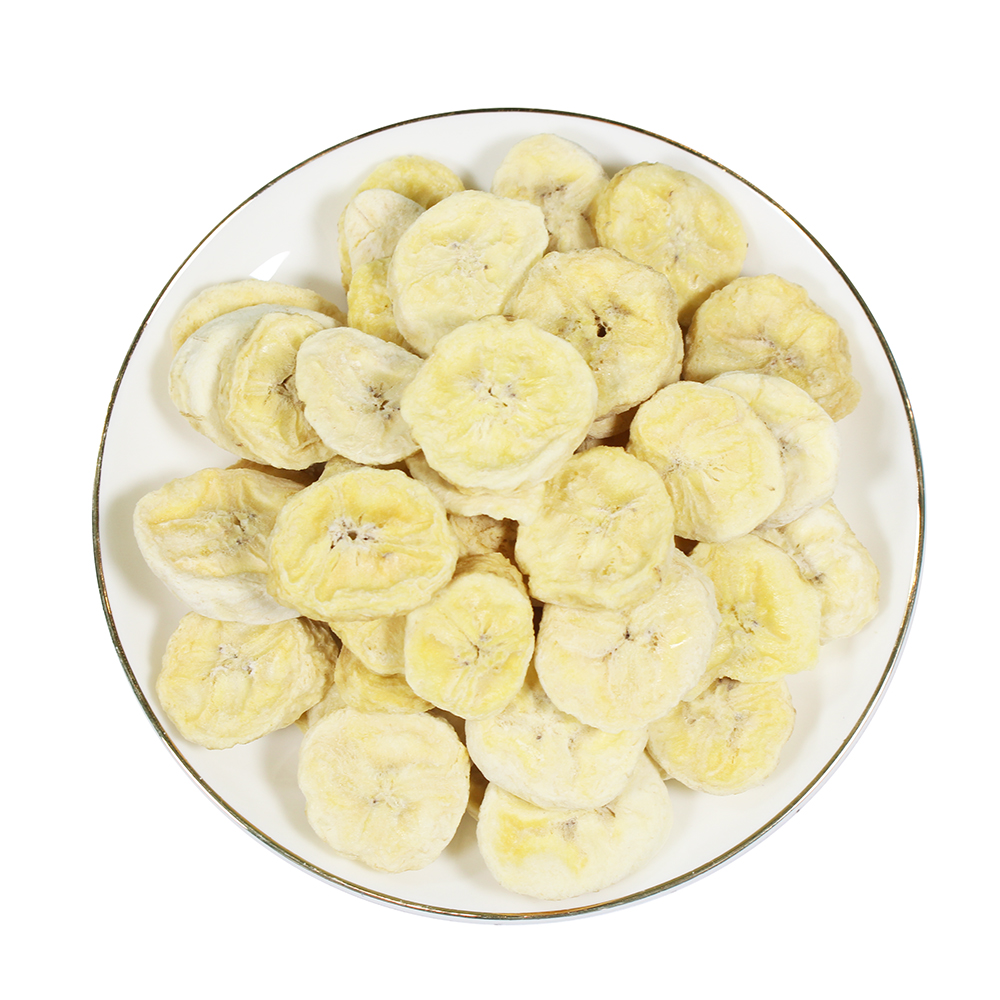
OEM Selling Freeze Dried Organic Banana Bulk Chips/slice/extract Powder Freeze Dried Fruit Natural Organic Freeze Dried Banana
- Form: Slices, Dices, Ultra-Fine Powder
- Moisture: ≤ 4.0%
- Shelf Life: 24 Months
Engineered for immediate batch integration within commercial bakery, instant food preparations, beverage mixing plants, and retail contract packaging across Kanagawa Prefecture.
As Japan's premier maritime trade corridor and a central manufacturing hub within the Keihin Industrial Zone, Yokohama represents a sophisticated market demanding absolute ingredient precision, structural stability, and rigorous microbiological clearance.
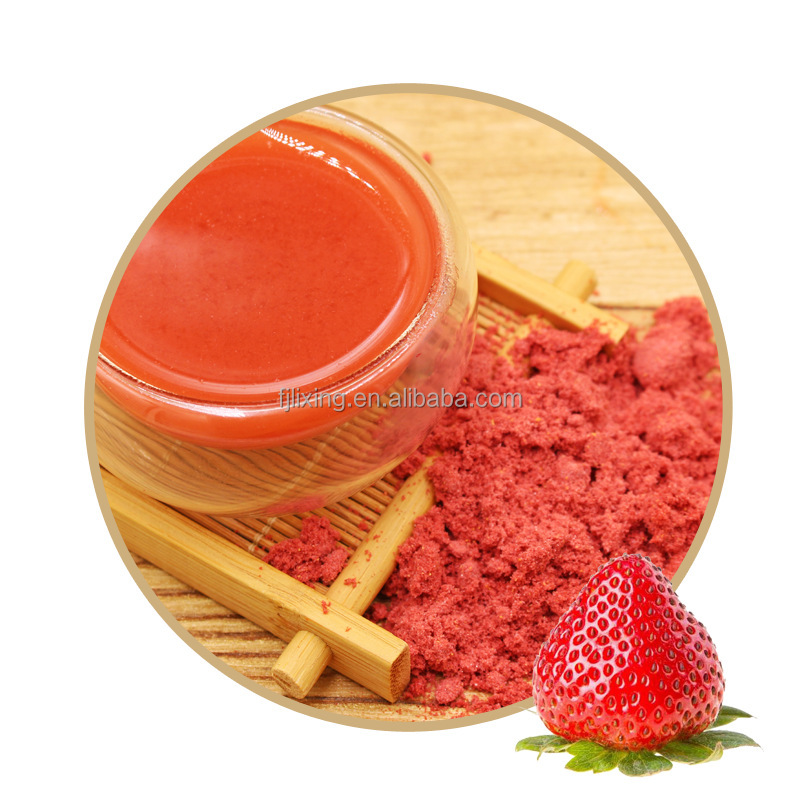
Yokohama's rich heritage of classic Western-style bakeries (Yogashi) requires shelf-stable fruit particles that preserve crispness without leaking free water into ganaches, buttercreams, or sponge layers. Our freeze-dried strawberry powders and banana crisps provide vibrant natural pigmentation and concentrated flavor without requiring artificial food dyes (chakushokuryo), satisfying Japan's strict consumer preferences for clean labels.
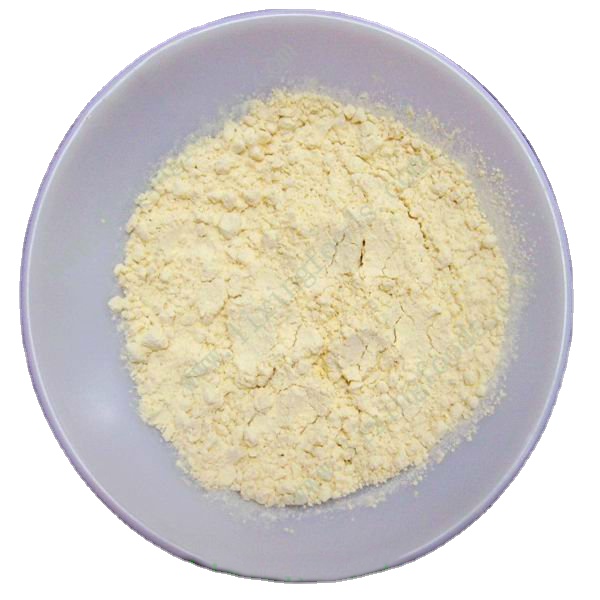
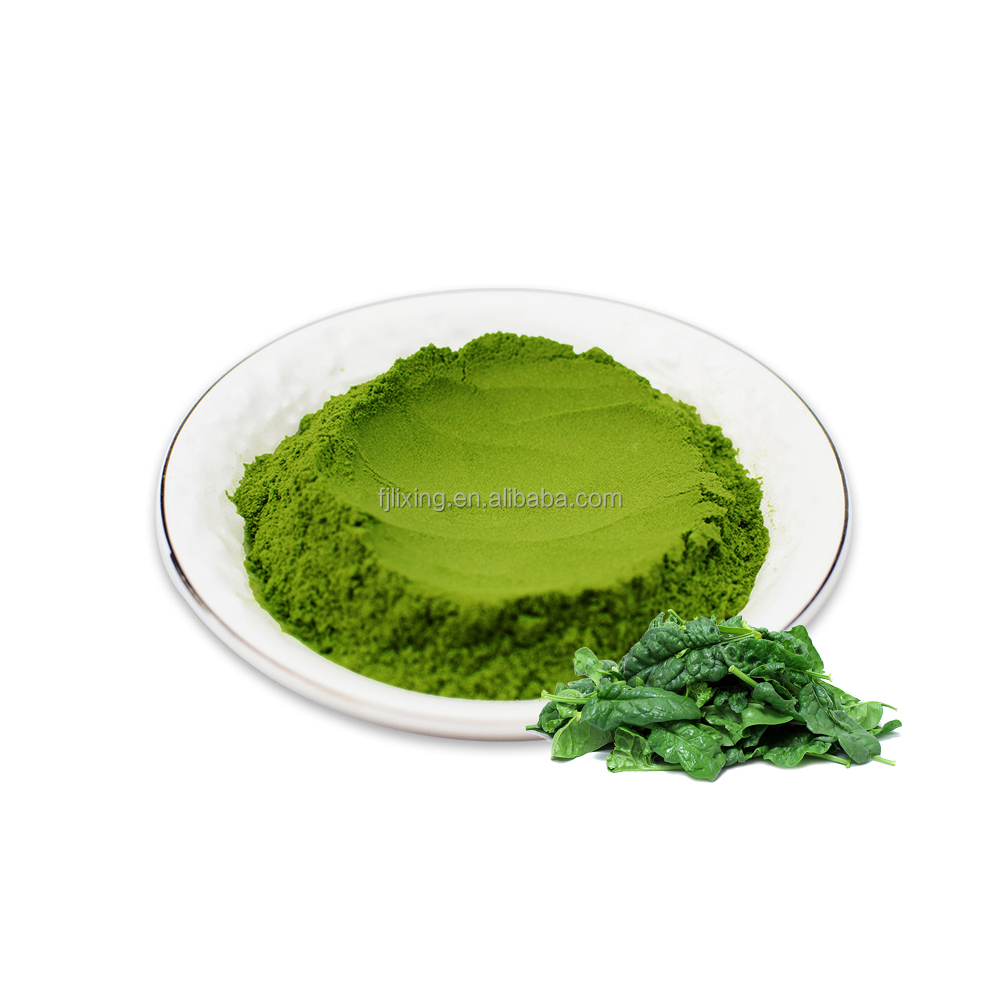
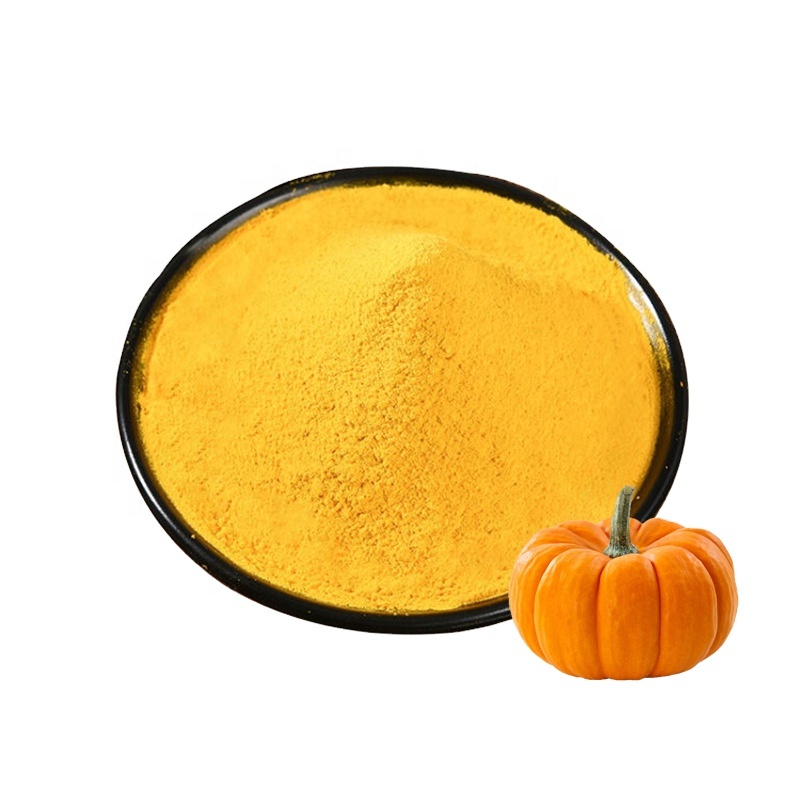
Kanagawa hosts significant ramen R&D centers and dehydrated instant meal factories. Our freeze-dried vegetable powders (spinach, pumpkin) and dehydrated micro-dices rehydrate instantly in boiling water within 180 seconds, restoring authentic cell turgor, mouthfeel, and cellular aroma profiles essential for premium cup-noodle sachets, instant miso soups, and commercial ready-to-eat porridge packets.
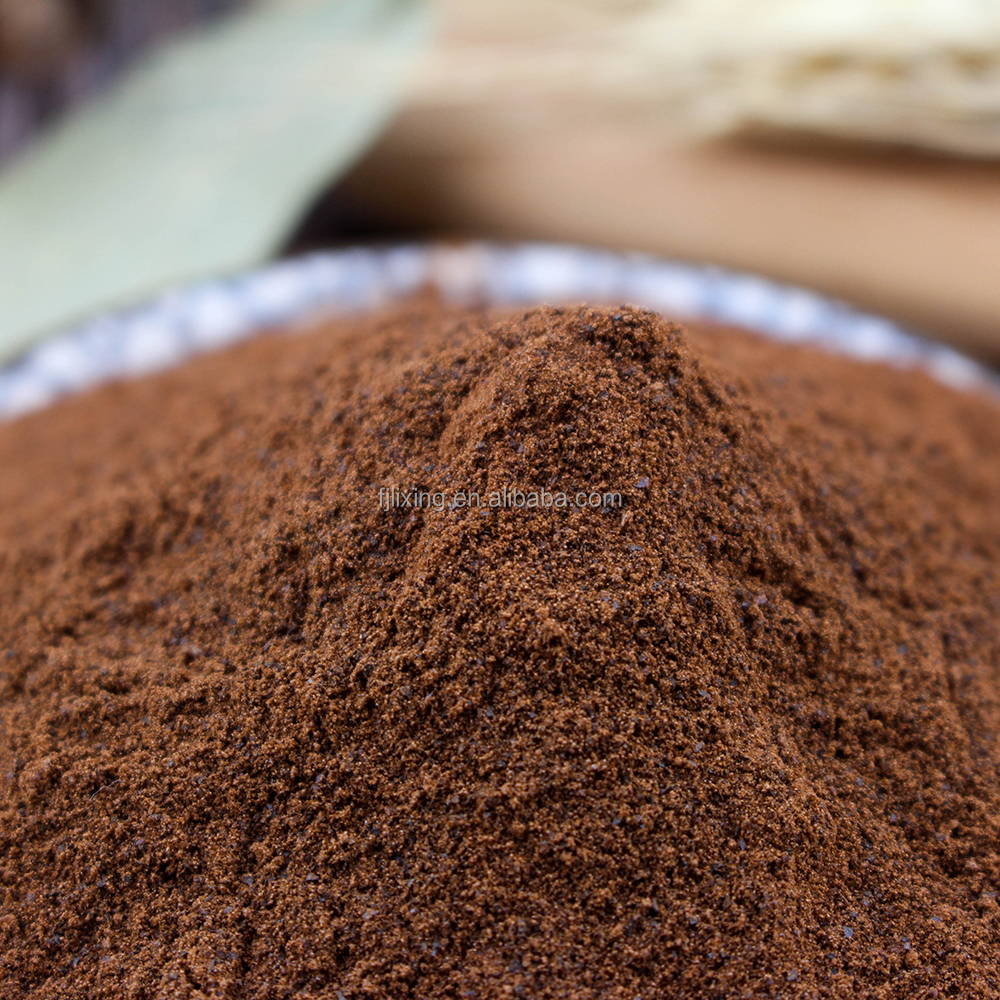
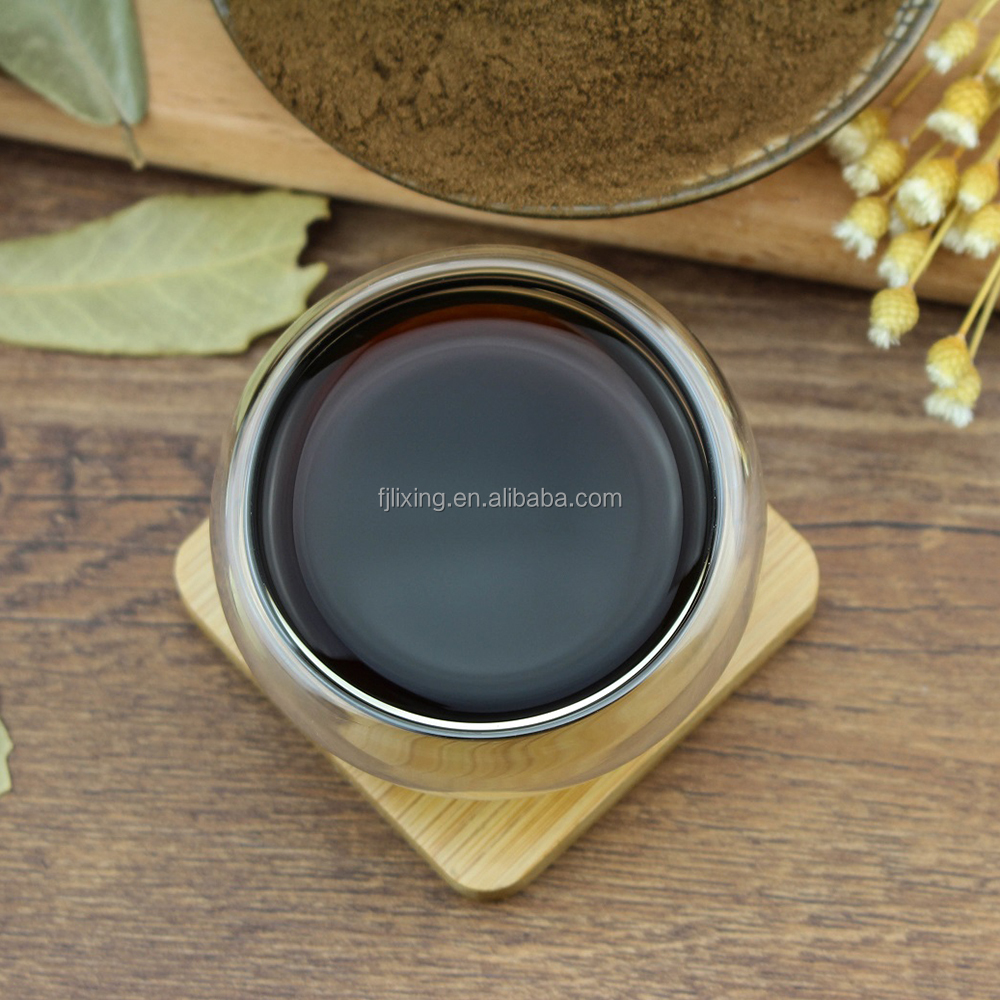
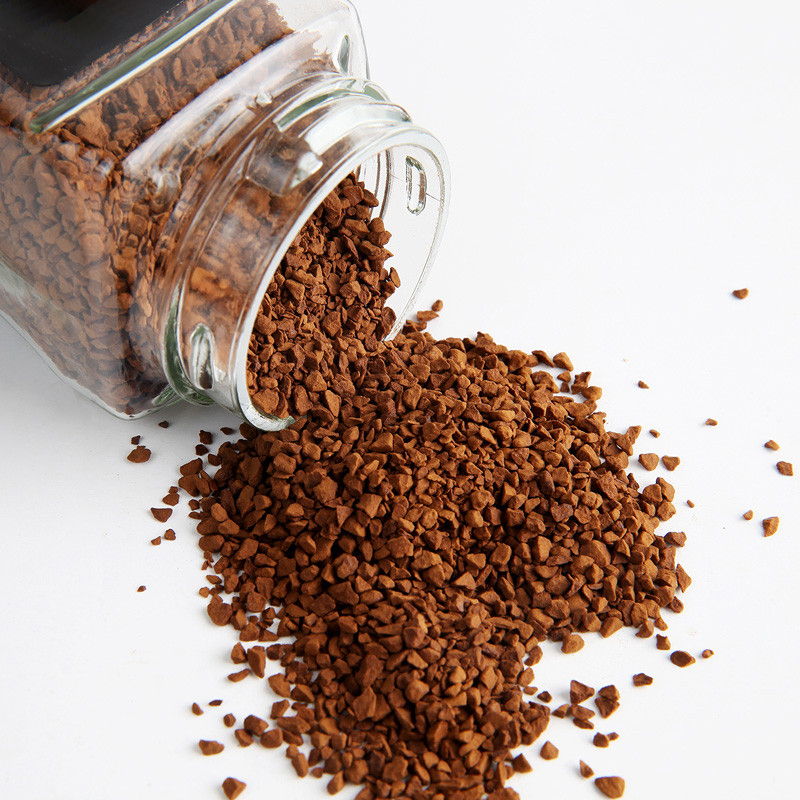
From the trendy café chains in Minato Mirai to automated vending machine extract suppliers across the Tokyo-Yokohama metropolitan area, our spray-dried Pu'er tea and instant freeze-dried Arabica/Robusta coffee granules ensure cold-water instant solubility with zero sediment formation, allowing industrial beverage bottlers to scale clean-taste RTD offerings rapidly.
Traditional thermal drying (hot-air dehydration) utilizes continuous convection heat exceeding 65°C to 80°C. This aggressive thermal load triggers severe enzymatic browning, degrades fragile ascorbic acid (Vitamin C), collapses the plant's parenchymal cellular wall, and drives off volatile aromatic terpenes. The resulting product exhibits a tough, leathery texture and requires extensive soaking times to rehydrate imperfectly.
In contrast, Fynergy's lyophilization protocol operates strictly below the triple point of water (0.01°C, 611.65 Pa). By rapidly flash-freezing fresh botanical raw materials down to -38°C within our specialized blast-freezing tunnels, water molecules convert directly into solid-state micro-crystalline ice. In our primary vacuum chambers operating under low pressures (10 to 30 Pa), heat is gently introduced via regulated thermal plates, inducing sublimation: ice transitions directly into vapor without ever passing through a liquid state.
This preservation mechanism prevents structural collapse, leaving a honeycomb capillary matrix intact. The outcome is an ingredient that retains up to 97% of its initial nutritional profile, sustains its natural morphology and hue, and delivers nearly instantaneous rehydration kinetics.
Yokohama Port functions as one of the critical customs entry gates for food ingredients under the supervision of the Ministry of Health, Labour and Welfare (MHLW) Quarantine Stations. Japanese commercial buyers operate under some of the most rigorous agricultural standards globally, specifically governed by the Positive List System for Agricultural Chemical Residues.
Modern Yokohama food brands are shifting rapidly toward clean-label production lines: eliminating artificial preservatives, stabilizing gum additives, and synthetic colors. Concurrently, Japan's expanding market for functional health foods (Tokuho) and emergency disaster-preparedness emergency rations (Bousai foods) has generated unprecedented demand for freeze-dried fruit and vegetable matrices that deliver extended, reliable ambient shelf lives exceeding 24 months without organoleptic degradation.
Fynergy maintains direct end-to-end trace documentation, ensuring every shipping container offloaded at Daikoku or Honmoku Pier possesses complete Certificate of Analysis (CoA) records, verifiable non-GMO declarations, zero allergen cross-contact assurances, and strict limit clearances for residual heavy metals (Lead, Arsenic, Cadmium).
Fujian Fynergy Foods Co., Ltd. operates an integrated, audit-ready industrial platform engineered to support global Fortune 500 supply chains and high-volume Japanese private labels.
Our expansive industrial plant hosts over 8,000 square meters of specialized vacuum drying chamber area, ensuring steady monthly tonnage and minimizing batch-to-batch variability for major wholesale contracts.
All slicing, pulverizing, sieving, and primary packaging steps are sealed within Class-100,000 cleanroom workshops, eliminating micro-particulate and microbial contamination risks at the point of packing.
Our facility features on-site Liquid Chromatography, Atomic Absorption Spectrophotometry, Atomic Fluorescence, and automated Kjeldahl apparatuses to verify protein, moisture, fat, and heavy metal bounds before export.
Certified strictly under BRCGS (Brand Reputation Compliance Global Standard), HACCP guidelines, and ISO 22000. Verified on-site by TÜV Rheinland for complete structural transparency and manufacturing integrity.
Substantial R&D infrastructure developed in close coordination with top food science research institutions, translating advanced lyophilization and botanical extraction methodologies into commercial production.
Complete flexibility across whole berries, diced cubes (3x3mm, 5x5mm, 10x10mm), uniform slices, or custom mesh powders (60 to 200 mesh) packaged in nitrogen-flushed bulk barrier cartons or retail pouches.
Direct technical and operational clarifications for Japanese trading companies, QA auditors, and brand development directors.
Connect with our technical trade specialists to request complete product dossiers, comprehensive pesticide compliance reports, custom cut dimensions, or air-shipped trial samples tailored to your operational specifications.
Get a Quote