Beverage Base
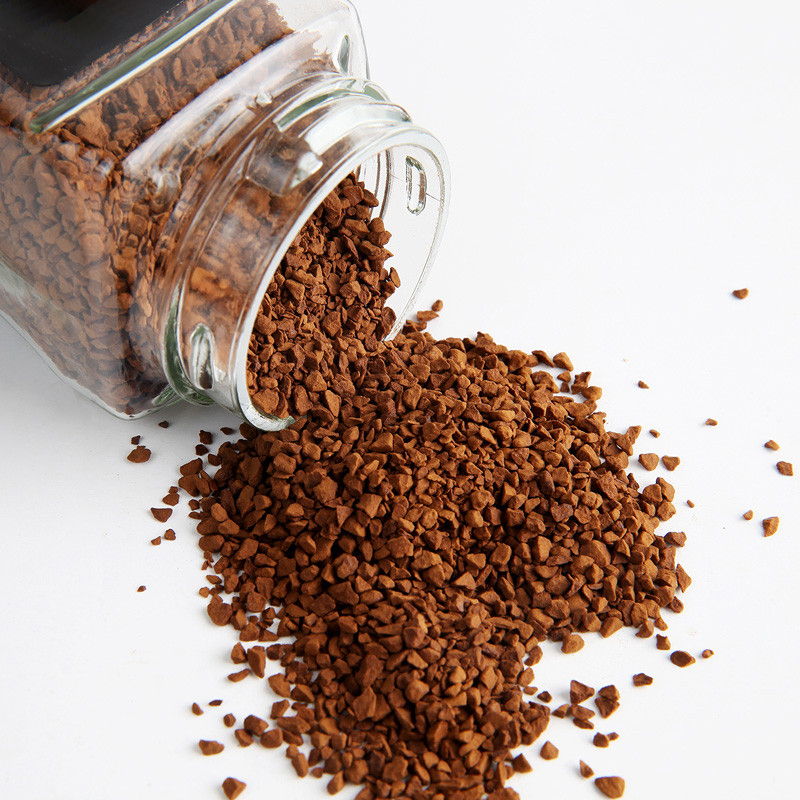
OEM Freeze Dried Instant Coffee Particle Arabica Robusta
Sublimated Granules
Moisture ≤ 3.0%
Explore our certified export series, from premium whole freeze-dried figs and orchard blends to instant beverage powders, formulated specifically to meet stringent European Food Safety Authority (EFSA) criteria.
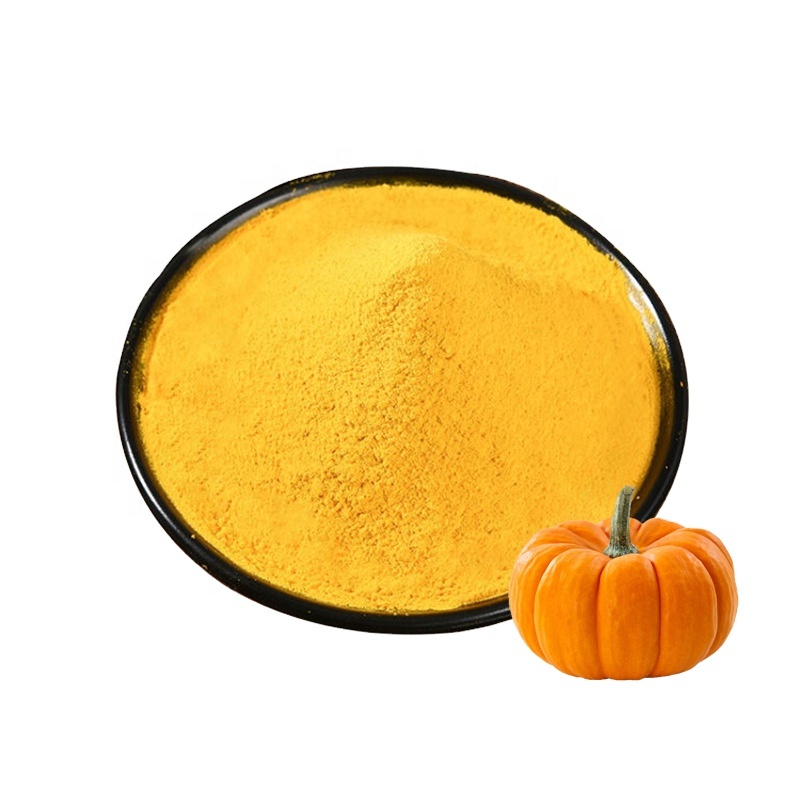

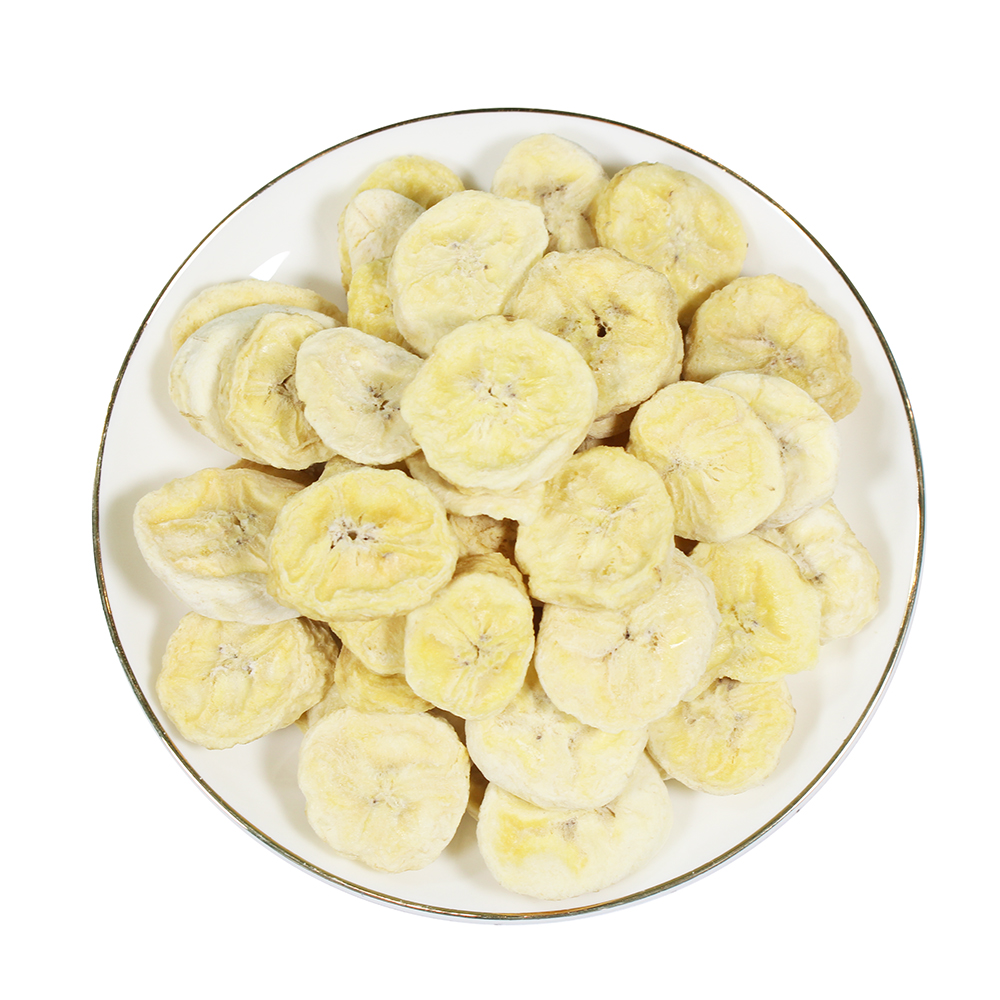
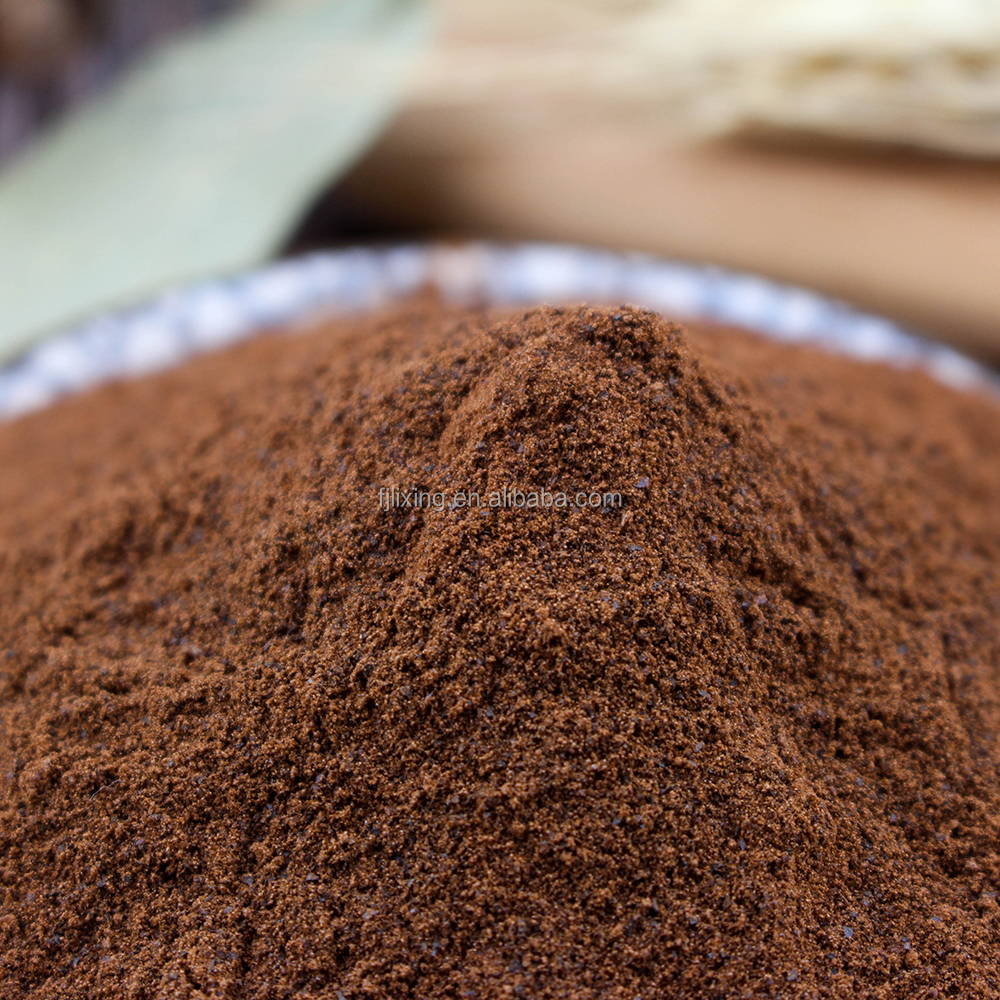
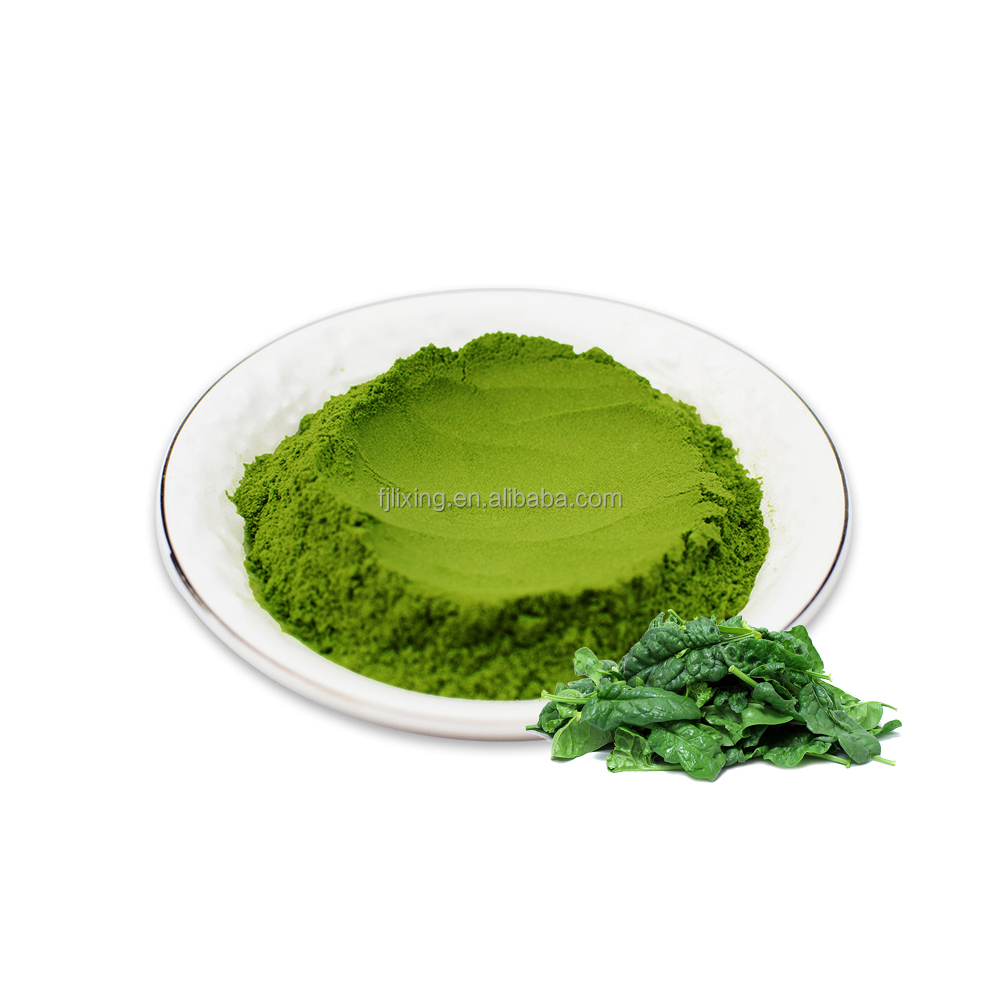

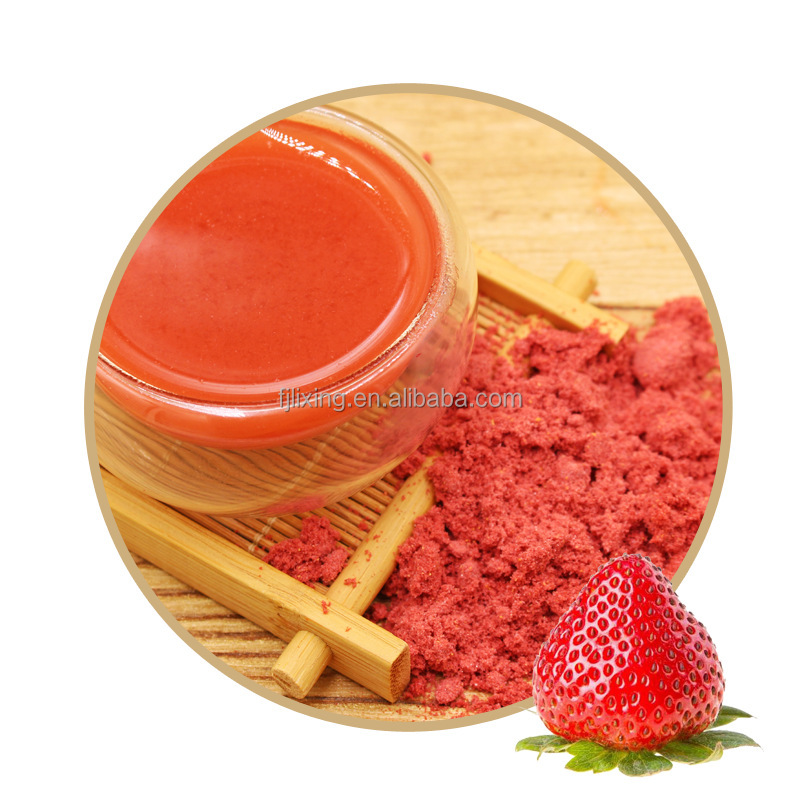
As the primary transit gateway and culinary trendsetter of North-Western Europe, Amsterdam maintains an exceptionally sophisticated demand profile for plant-based ingredients. Dutch industrial processors, artisan chocolatiers across Noord-Holland, and multinational FMCG aggregators operating via the Port of Amsterdam and Schiphol Logistics Hub require clean-label, high-stability fruit ingredients that preserve sensory nuance and physiological value without chemical stabilization.
The Ficus carica (common fig) represents an extraordinarily delicate fruit matrix. Traditional solar dehydration or convective thermal desiccation causes heavy sugar caramelization, severe cellular shrinkage, darkening, and the catastrophic collapse of its characteristic polyphenols, anthocyanins, and dietary fibers. In contrast, our industrial freeze-drying technology utilizes low-temperature sublimation under ultra-low vacuum conditions (≤ 20-50 Pa). By transforming solid intracellular ice crystals directly into water vapor, the cellular architecture of the fig remains intact.
Our direct export pipeline from Fujian Fynergy Foods to Amsterdam ensures that food manufacturers secure fresh-harvest batch tracking, competitive direct-factory pricing, and complete documentation ranging from pesticide residue gas chromatography screenings to heavy metal clearance reports.
Our manufacturing complex is BRCGS Grade A, HACCP, and ISO 22000 certified, audited onsite by TÜV Rheinland. Every lot designated for Amsterdam undergo comprehensive third-party testing for sulfur dioxide (SO₂), ochratoxin A, aflatoxins, and cross-contaminants.
Lyophilized fig matrices solve specific product development hurdles for Amsterdam's vanguard food innovators, from premium bakery textures to instant water-soluble beverage matrices.
In the luxury chocolate workshops along Amsterdam's Keizersgracht and Zaandam processing lines, moisture migration is the primary catalyst for fat bloom and texture degradation. Our freeze-dried whole fig halves and quarters, retaining a strictly controlled moisture level ≤ 3%, deliver crisp snap and intense honeyed flavor notes without introducing water activity into cocoa butter emulsions.
Dutch consumer packaged goods (CPG) brands are rapidly eliminating synthetic binders and refined sugars. Freeze-dried fig slices provide natural fructose, glucose, and structural chew upon brief rehydration in milk or plant yogurt, making them an ideal core ingredient for sustainable oat bowls distributed through leading supermarket chains across the Benelux union.
Amsterdam is an epicentre for cheese maturation and export. Premium gouda and aged sheep cheeses demand pairings with high acidity balance and complex sweet tannins. Reconstituted or crisp freeze-dried fig wedges serve as an ambient, long-shelf-life accompaniment that preserves natural fig color and seeds without requiring cold-chain distribution.
The rise of healthy snacking among Amsterdam's urban workforce has triggered exponential demand for standalone pouch packaging. We engineer private-label freeze-dried figs in stand-up foil pouches with nitrogen flushing, ensuring light barriers and oxygen scavenging that maintain cellular crispness for up to 24 months on ambient retail shelves.
The craft beer and artisanal distilling landscape of the Amsterdam harbor region utilizes micro-pulverized freeze-dried fig powder as an unfiltered aromatic botanical. Because our freeze-drying cycle preserves delicate volatile aromatic esters that thermal spray-drying destroys, craft brewers achieve complex fruit profiles without haze instability or bitter off-flavors.
Due to exceptionally low bio-burden processing in our Class-100,000 cleanroom workshops, our freeze-dried fig granules serve as non-allergenic natural sweetening carriers and soluble fiber sources for medical nutrition blends and baby cereals, matching rigorous European standards for infant dietary security.
The Dutch food sector is distinguished by its aggressive pursuit of circular economy goals, absolute transparency in upstream supply chains, and stringent reduction of logistical carbon footprints. Analyzing procurement data from Amsterdam importers reveals three dominant trends dominating wholesale contracts:
1. Volumetric Weight Reduction in Trans-Continental Freight: Post-pandemic maritime freight rates and escalating fuel surcharges have made traditional high-moisture frozen fig shipping (IQF) economically inefficient. By eliminating approximately 80% of fruit weight while locking cellular integrity in place, freeze-dried figs allow Dutch importers to maximize payload efficiency, radically cutting carbon per kilogram of usable fruit solids.
2. Transition from Sulfited Dehydrated Fruits to Pure Sublimation: Conventional dried figs from the Mediterranean commonly depend on sulfur dioxide fumigation to inhibit enzymatic browning and extend shelf stability. The modern Dutch consumer base, however, actively shuns E-number additives. Freeze drying operates under physical sublimation at sub-zero temperatures, completely superseding chemical preservatives while yielding a naturally vibrant, authentic aesthetic.
3. Demand for Modular Granulometry (Powder, Slices, Dices, Halves): Centralized food research facilities in Wageningen and Amsterdam are engineering complex multi-texture snack clusters. Manufacturers no longer accept single-size bulk lots; they require custom cut-sizes. Fynergy accommodates this precision demand with standardized mechanical cutting systems yielding whole calibrated figs, uniform 3-5mm dices, and 80-120 mesh powders.
Direct factory provenance, institutional engineering, and an uncompromising standard of analytical testing verify our export readiness for Europe's most demanding buyers.
With 37 operational industrial vacuum freeze-drying lines spanning 8,000 square meters of sublimation chamber area within our 62,718 m² manufacturing complex, we guarantee year-round continuous supply and contract stability for enterprise distributors.
All processing, from tray unloading to secondary packaging, occurs inside air-filtered Class-100,000 cleanroom environments. This eliminates secondary airborne bacterial deposition and ensures total moisture control during critical bagging phases.
Our onsite analytical testing center is fully equipped with Liquid Chromatography, Atomic Absorption Spectrophotometry, Atomic Fluorescence, and automated Kjeldahl apparatus, ensuring strict compliance with European heavy metal and residue limits.
Continuous collaboration with premier agricultural research universities has produced 41 authorized patents covering proprietary eutectic freezing curves, volatile aroma retention techniques, and accelerated low-energy vacuum drying cycles.
We serve as an audited, approved OEM/ODM manufacturing partner for world-leading multinational brands and global supermarket chains, fulfilling custom packaging, proprietary slicing, and customized formulation contracts with total discretion.
From industrial multi-layer aluminum vacuum-barrier master cartons (5-10 kg) designed to survive maritime humidity variations to Dutch retail-ready printed stand-up zipper pouches, our packaging operations integrate automated gas purging and metal detection.
Essential technical, compliance, logistical, and commercial inquiries clarified by our senior international trade directors.
Our standard export-grade freeze-dried figs are dried to a residual moisture specification of ≤ 3.0% (Karl Fischer method), maintaining a water activity (aw) ≤ 0.25, which completely prevents enzymatic activity and microbial reproduction. Microbiological thresholds conform strictly to European criteria: Total Plate Count ≤ 10,000 CFU/g, Coliforms ≤ 10 CFU/g, Yeast & Mold ≤ 100 CFU/g, and absolute negative absence of Salmonella and Listeria monocytogenes in 25g. Each batch is shipped accompanied by a verifiable Certificate of Analysis (COA) issued by our in-house lab or international testing houses such as SGS or Eurofins upon request.
Raw material safety begins at farm level. We source from GAP-certified (Good Agricultural Practices) orchard cooperative bases operating under strict agronomic surveillance where synthetic pesticide applications are rigorously scheduled and tracked. Prior to lyophilization, every intake batch is screened via Liquid Chromatography-Tandem Mass Spectrometry (LC-MS/MS) and Gas Chromatography for hundreds of pesticide residues to guarantee compliance with EU Regulation (EC) No 396/2005. Furthermore, our rapid drying cycles strictly inhibit Aspergillus mold colonization, eliminating ochratoxin A and aflatoxin hazards below strict EU thresholds.
For standard bulk specifications (freeze-dried fig whole, slices, or dice packed in multi-ply moisture-barrier poly-lined master cartons), our baseline MOQ starts at 500 kg to 1,000 kg, supporting initial product trials and formula benchmarking. For fully customized OEM retail packaging (such as branded doy-packs with nitrogen flush), MOQs typically initiate at 10,000 to 30,000 units depending on pouch dimensions. Production lead time is approximately 15 to 25 business days from order confirmation, followed by approximately 24 to 32 days maritime transit time from Xiamen port directly to Rotterdam or Amsterdam gateway terminals.
Yes. Our automated processing workshops feature industrial multi-directional dicers, vibrating calibration screens, and cryogenic milling machines. We reliably manufacture: Whole calibrated figs (approx. 20-35mm), uniform fig slices (5mm and 7mm thicknesses), precise dices (3x3x3mm, 5x5x5mm, or 10x10x10mm suitable for continuous automated cereal blending lines), and fine fig powders (60, 80, and 100 mesh for bakery batters, smooth dairy suspensions, and beverage instantization).
Traditional air-dried or sundried figs endure extended heat and oxygen exposure, resulting in enzymatic browning, thick tough epidermal leathers, concentrated caramels, and loss of heat-sensitive Vitamin C and delicate floral esters. Freeze drying occurs entirely under low temperatures where water undergoes physical sublimation without passing through a liquid phase. This locks the honeyed fig aroma, keeps the inner jewel-toned flesh intact, preserves the subtle nutty crunch of fig achenes (seeds), and yields an ultralight cellular matrix that dissolves instantly in the mouth or rehydrates instantly in water-based culinary mediums.
Because freeze-dried fruits are hygroscopic, packaging integrity is critical. For bulk industrial shipments, we utilize heavy-duty corrugated export outers lined with heat-sealed, double-walled food-grade polyethylene or aluminum composite foil liners with high Water Vapor Transmission Resistance (WVTR). For high-humidity maritime shipping through equatorial corridors, desiccant pouches are integrated outside the primary food liners, and shipping containers are lined with container desiccant blankets to prevent container rain. Ambient storage at temperatures < 22°C and relative humidity < 50% guarantees a verified shelf life of 18 to 24 months.