Export-Grade Freeze-Dried Botanical & Functional Ingredients
In addition to our flagship freeze-dried durian operations, Fujian Fynergy Foods Co., Ltd. supplies industrial manufacturers across Fukuoka and the wider Kyushu prefecture with standard and bespoke spray-dried and freeze-dried bulk ingredients.

Factory Supply Dried Mesona Chinensis Powder, Mesona Procumbens Extract Powder
- Mesh Spec80–120 Mesh
- Extraction Ratio10:1 / Custom
- Standard MOQ100 kg Bulk
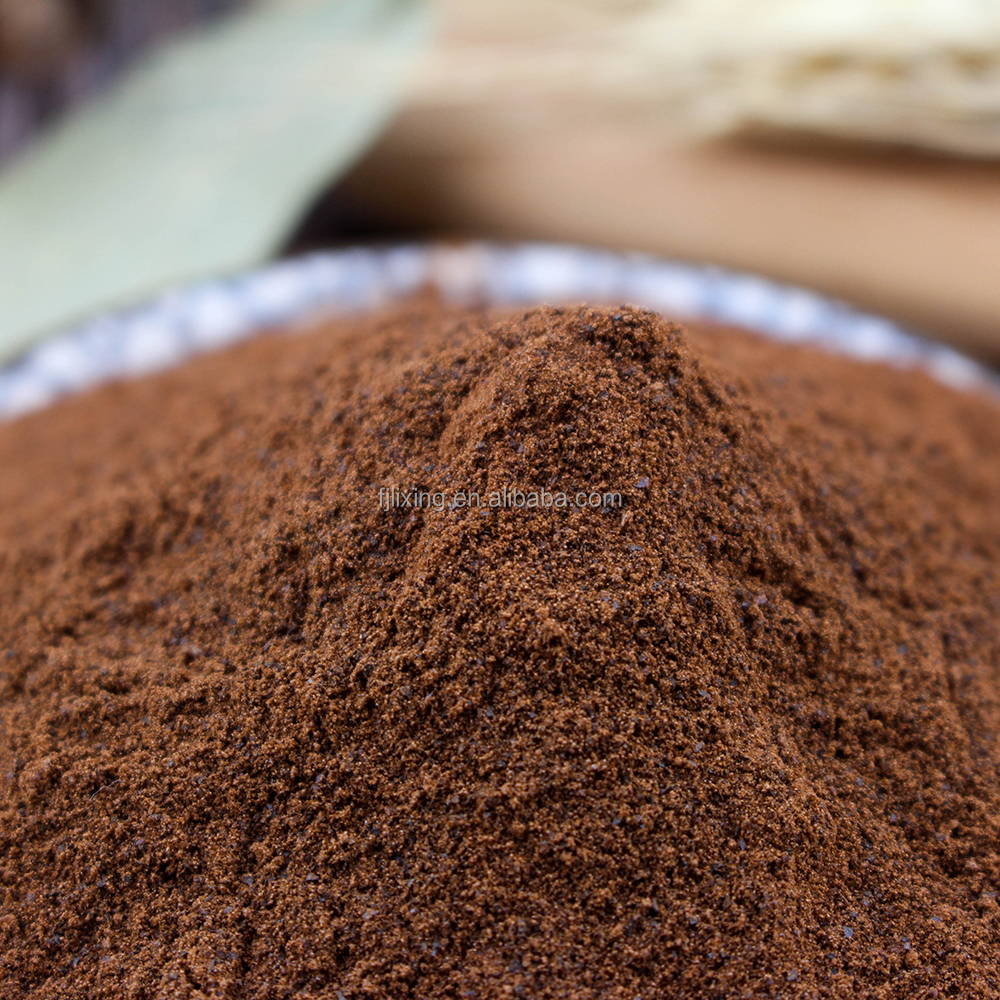
Customized Or Bulk Spray Dried Puer Tea Powder
- ApplicationRTD Beverages
- Solubility100% Cold Water
- OriginYunnan Fermented
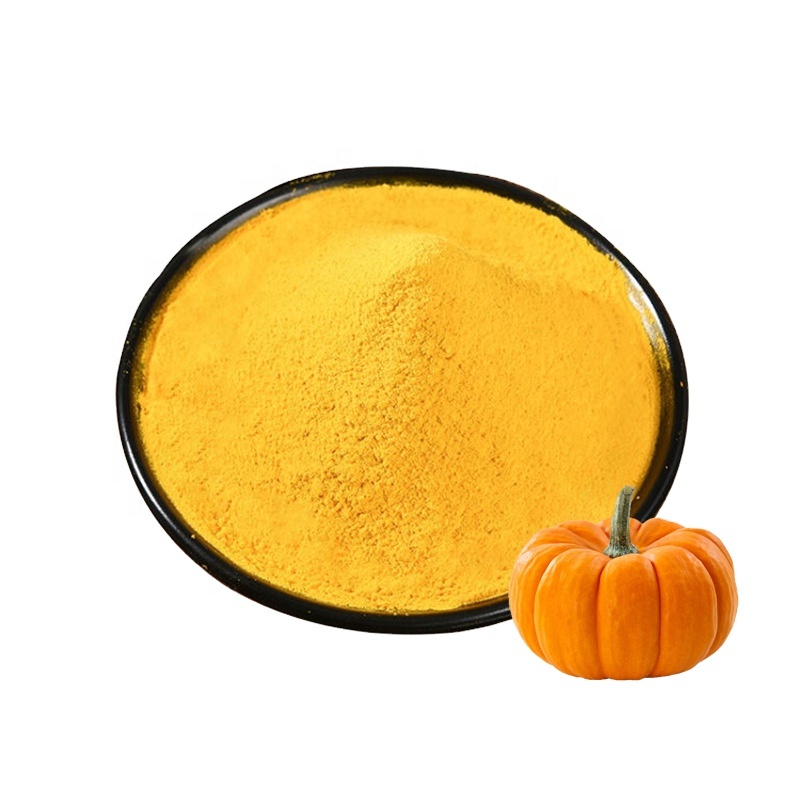
Wholesale Freeze Dried Vegetable Fruit Powder of Freeze-dry Pumpkin Powder
- Moisture Content≤ 4.0%
- AdditivesZero / Clean Label
- UseBakery & Baby Food
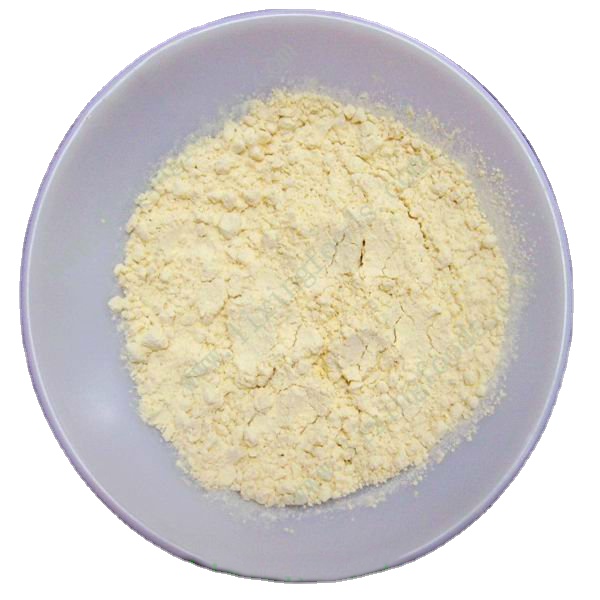
Organic Fruit Freeze Dried Banana Powder
- Aroma RetentionNatural Ester Base
- CertificationBRCGS / Organic
- PackagingNitrogen-Flushed
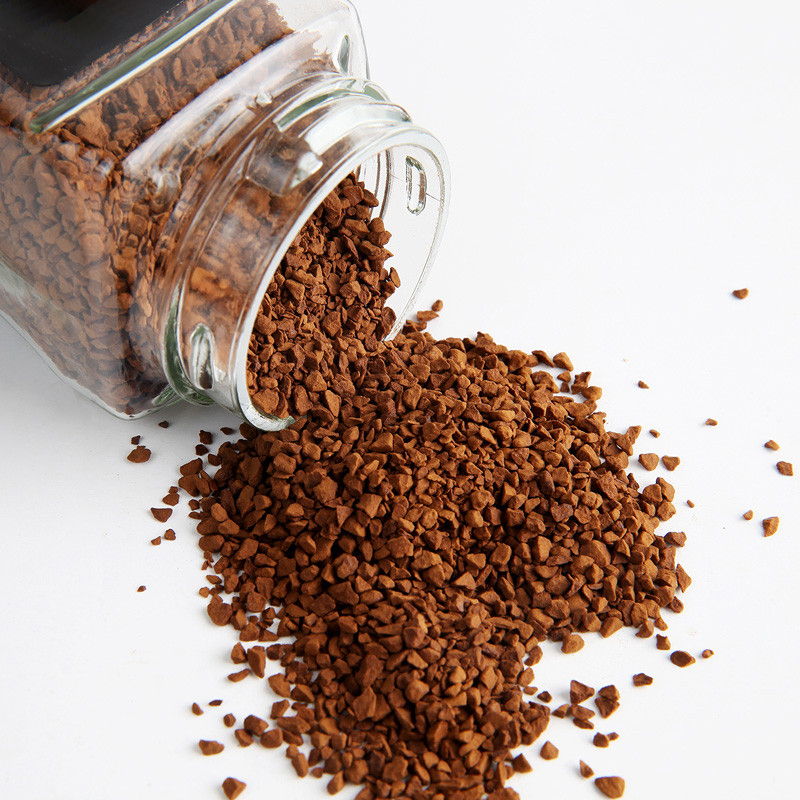
OEM Freeze Dried Instant Coffee Particle, Arabica Robusta Freeze Dried Instant Coffee Powder
- Bean SourceArabica / Robusta
- Granule Density0.22–0.26 g/cm³
- Private LabelCan / Jar / Sachet
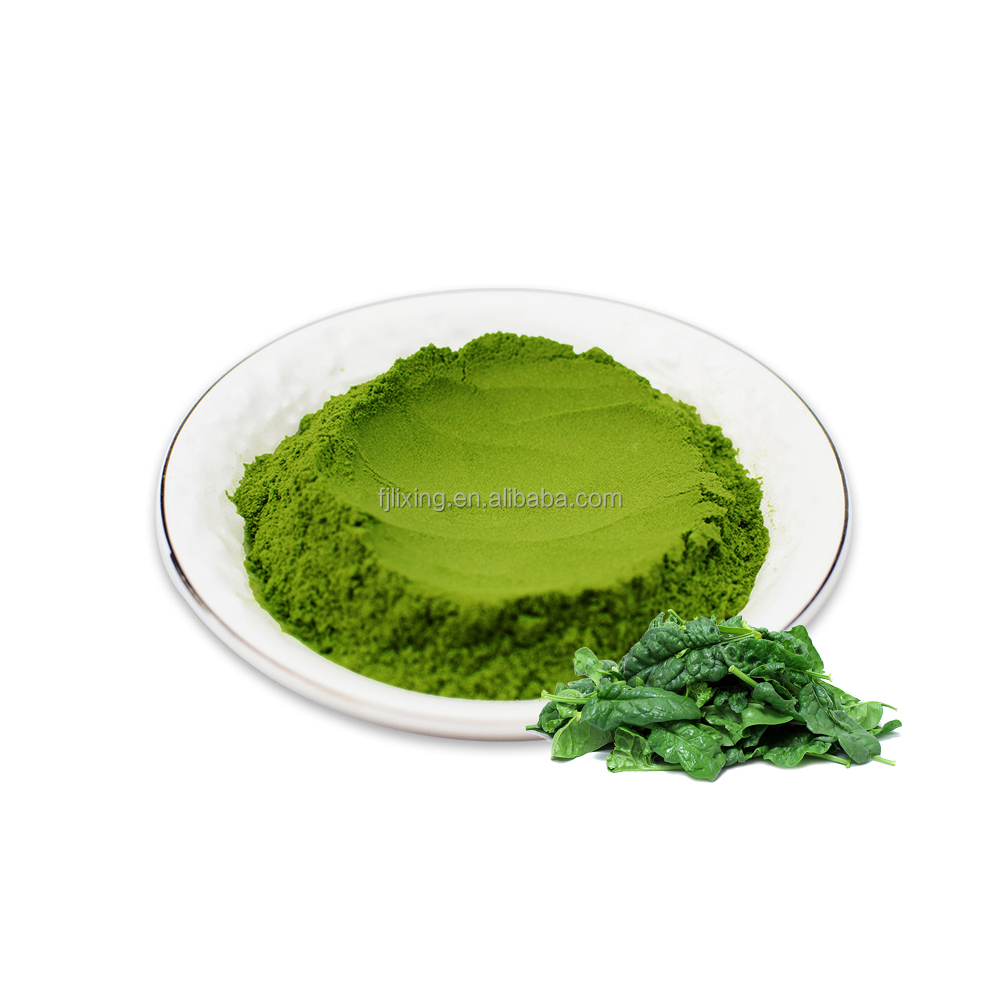
China Freeze Dried Fd Spinach Vegetable Powder
- ChlorophyllIntact Natural Green
- Heavy MetalsPb < 0.1 mg/kg
- Mesh80–200 Mesh
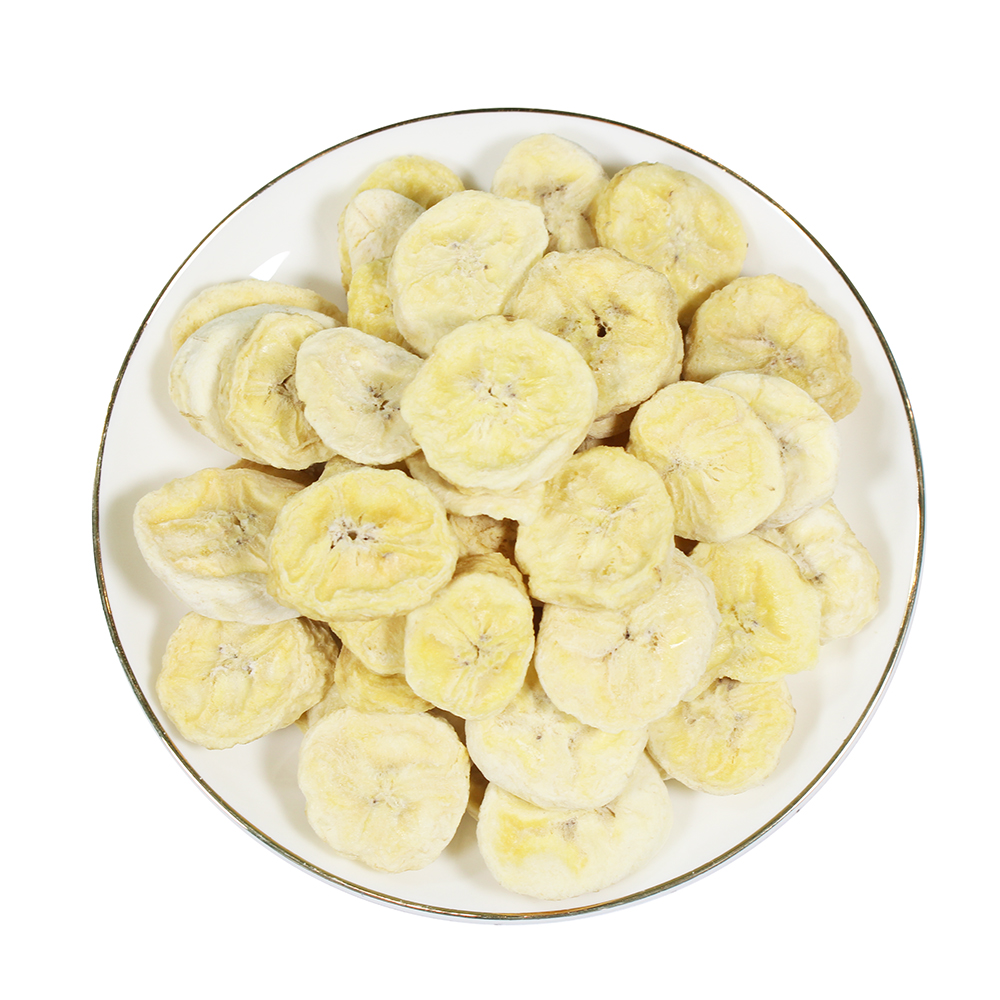
OEM Selling Freeze Dried Organic Banana Bulk Chips/slice/extract Powder Freeze Dried Fruit Natural Organic Freeze Dried Banana
- Cut Profile5–7mm Crisp Slice
- Water Activity (aw)< 0.25
- FormatBulk 10kg Carton
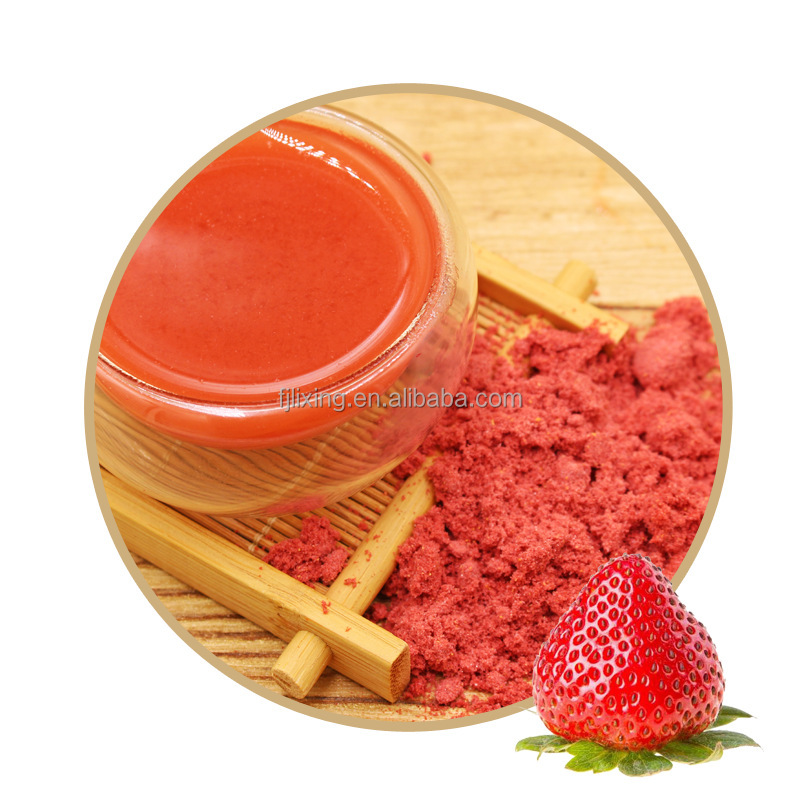
High Quality New Stock Freeze Dried Instant Strawberry Powder Taste Customization Stock Available Quality Wholesale Freeze
- Flavor ProfileSweet-Tart Authentic
- Carrier100% Pure Strawberry
- ScreeningMetal Detected / Rare Earth
Engineering Supply Chain Reliability: Lyophilized Durian for Fukuoka’s Advanced Food Ecosystem
A technical and macroeconomic analysis of supplying bulk freeze-dried durian pulp, chips, and micro-powders into the gateway of Western Japan.
Fukuoka stands as the commercial heart of Kyushu and Japan’s historical logistics portal to continental Asia. With direct container connections entering Hakata Port (博多港) and rapid transit linkages across Kumamoto, Oita, Nagasaki, and Kagoshima, food manufacturers based in Kyushu require ingredient suppliers who operate beyond basic commodity brokerage. Durian (Durio zibethinus), long considered the "King of Fruits" across Southeast Asia and southern Chinese gastronomic circles, presents notoriously intricate processing hurdles: delicate lipid matrices, extreme sensitivity to thermal degradation, and volatile organosulfur compounds that vaporize under conventional hot-air drying.
As a verified high-volume manufacturing powerhouse, Fujian Fynergy Foods Co., Ltd. resolves these systemic vulnerabilities for Japanese enterprise procurement. Operating out of Zhangzhou, Fujian—within direct maritime proximity to Fukuoka via short sea shipping lanes—Fynergy deploys industrial-scale freeze-drying (lyophilization) across 37 high-throughput vacuum lines covering 8,000 square meters of specialized vacuum chamber surface. This white paper details how our production infrastructure, rigorous multi-tier testing laboratories, and tailored particle-size engineering supply Fukuoka's patisseries, central kitchens, instant-noodle formulators, and specialty souvenir manufacturers with uncompromising chemical and sensory stability.
The Sublimation Advantage for High-Lipid Tropical Fruits: Durian pulp contains between 3% and 5% natural lipids alongside heat-labile volatile esters such as ethyl 2-methylbutanoate and diethyl disulfide. Traditional hot-air dehydration exposes the fruit to prolonged heat (60°C–80°C), triggering lipid oxidation, rancidity, browning via Maillard reactions, and catastrophic volatile loss. Fynergy lyophilization flash-freezes whole-muscle Monthong and Musang King pulp to -40°C, followed by sublimation under deep vacuum (< 20 Pa). Ice sublimates directly from solid to vapor without liquid transition, maintaining a porous honeycomb cellular skeleton with ≤ 3.0% residual moisture.
| Analytical Parameter | Fynergy Vacuum Freeze-Drying | Spray-Drying (Standard Powder) | Hot-Air Dehydration (AD) |
|---|---|---|---|
| Operating Temperature | -35°C to +38°C (Sublimation phase) | 160°C to 200°C (Inlet temp) | 60°C to 85°C (Continuous air flow) |
| Carrier Requirement (Maltodextrin) | 0% (100% Pure Durian Meat) | 35% – 55% Added Carrier | Variable (Often sweetened) |
| Residual Moisture & Water Activity (aw) | ≤ 3.0% Moisture | aw < 0.22 | 4.5% – 6.0% Moisture | aw > 0.35 | 8.0% – 12.0% Moisture | aw > 0.50 |
| Sulfur Aroma & Ester Preservation | > 94% Natural Volatile Retention | Poor (Aromas stripped by exhaust) | Severe thermal dissipation & caramelization |
| Shelf Stability in Barrier Foil | 24 Months Ambient at 20°C | 12 Months (Hygroscopic caking risk) | 6–9 Months (Lipid rancidity risk) |
| Cellular Microstructure | Open Honeycomb Pore (Instant Rehydration) | Collapsed Spherical Beads | Shrunk, Hardened, Dense Matrix |
Precision Applications within Fukuoka's Food Processing Sectors
From Hakata station souvenir confectioners to artisan ramen central kitchens and chilled dairy lines across Kyushu, our freeze-dried durian integrates seamlessly into precision recipes.
Modern Hakata Confectionery & Omiyage Innovation
Fukuoka's vibrant souvenir market thrives on seasonal and exotic novelty. Leading manufacturers of butter sandwiches, langue de chat biscuits, and baked dacquoise in Tenjin and Hakata utilize our 100-mesh freeze-dried durian micro-powder. Because it contains 0% added starch or maltodextrin, it blends into white chocolate ganache and buttercream emulsions without altering water activity ($a_w$), preserving crisp biscuit shelf stability over standard retail distribution cycles.
Artisan Gelato, Soft-Serve & Chilled Dairy Bases
Kyushu is recognized throughout Japan for its pristine dairy industry centered in Kumamoto and Fukuoka. High-end dessert chains and soft-serve creators introduce our lyophilized durian granules (2–5mm) and superfine powders into fresh milk and condensed milk formulations. The open porosity of freeze-dried durian rehydrates smoothly into fats without curdling dairy proteins, yielding an opulent, custard-like tropical mouthfeel that appeals to domestic dessert explorers and international tourists alike.
Central Kitchen Retort & Savory Fusion Formulations
Fukuoka is internationally famous as the epicenter of Tonkotsu ramen and intricate broth engineering. Progressive master blenders in Hakata central kitchens leverage micro-milled freeze-dried durian powder as an umami-sweet lipid amplifier. In trace concentrations (< 0.8%), the natural sulfurous and lipid complexity of durian bonds with rich collagen-heavy broths and Japanese curry bases, elevating depth and velvety mouth-coating properties without overwhelming the consumer with raw durian scent.
Shifting Consumption Patterns & Market Drivers in Western Japan
Three commercial currents driving industrial adoption of freeze-dried durian across retail, travel, and wholesale channels.
Clean-Label Movement
Japanese consumers increasingly inspect ingredient decks for chemical additives, synthetic colors, and artificial odorants. Fynergy's freeze-dried durian allows Fukuoka food manufacturers to list simply "Durian (Freeze-Dried)" on retail packaging, satisfying stringent clean-label requirements while preserving natural beta-carotene hue and genuine tropical aroma.
Inbound Tourism Gastronomy
Fukuoka Airport and Hakata Port receive millions of visitors annually from across East and Southeast Asia. Souvenir retailers across Hakata Station, Tenjin underground shopping malls, and Canal City actively procure localized products infused with premium durian—such as durian castella and cream-filled crackers—specifically targeted at inbound travelers.
Zero-Waste Cold-Chain Hedging
Importing whole fresh durian into Kyushu involves substantial freight weight, peel disposal expenses (up to 70% of fruit weight is rind), and rapid spoilage risk. Lyophilized durian eliminates refrigerated logistics costs and shelf-life vulnerability, delivering 100% usable net edible pulp with ambient stability through Japan’s humid summer months.
Nutraceutical Blending
Durian is dense in dietary fiber, potassium, vitamin C, and essential B-complex vitamins. Emerging wellness and functional beverage brand incubators in Fukuoka leverage freeze-dried durian micro-powder in meal replacement shakes and enzyme powders, capturing tropical flavor alongside authentic bioactive nutrient retention.
Why Kyushu Procurement Teams Partner Directly with Fynergy Foods
Enterprise credentials audited by TÜV Rheinland, backed by 37 industrial vacuum freeze-drying lines and an in-house chemical testing laboratory.
Massive Industrial Scale
Spanning 62,718 square meters of standardized facility space in Zhangzhou, Fujian, Fynergy operates 37 continuous lyophilization tunnels totaling 8,000 square meters of vacuum chamber plate capacity. This massive scale guarantees unbroken volume consistency for major supermarket private labels and multinational bakery chains across Kyushu, insulating buyers from seasonal raw fruit shortages.
In-House Analytical Laboratory
Our quality assurance protocol exceeds conventional visual grading. Fynergy operates an in-house analytical testing center equipped with Liquid Chromatographs (HPLC), Atomic Absorption Spectrophotometers, Atomic Fluorescence Spectrophotometers, and Automatic Kjeldahl apparatus. Every batch shipped to Fukuoka is pre-tested for heavy metals (Pb, As, Cd), residual pesticides under the Japan Positive List System, and microbiological criteria.
Class-100,000 Cleanroom Processing
Lyophilized durian is aggressively hygroscopic. Post-drying sorting, metal detection, milling, and nitrogen-flushed barrier packing occur inside strictly regulated Class-100,000 cleanroom workshops maintained at controlled relative humidity (< 30%) and temperature (< 20°C). Our manufacturing operations carry BRCGS Grade A, HACCP, ISO 22000, Halal, and Kosher certifications, fully documented for seamless Japanese quarantine clearance.
Frequently Asked Questions: B2B Durian Importation into Fukuoka
Specific technical, regulatory, and logistics answers for Japanese trading houses, manufacturing directors, and customs clearance brokers.
What cut profiles and specifications are available for Japanese manufacturers?
We supply freeze-dried durian in four standardized industrial formats: 1) Whole Pure Pulp Segments / Flakes (ideal for retail snack packing or chocolate enrobing); 2) Uniform Dices (5x5x5mm or 10x10x10mm for muesli, oatmeal, and trail mixes); 3) Granules (1–3mm for ice cream toppings and bakery fillings); and 4) Micro-Powder (60–120 mesh for chocolate dispersion, dough kneading, and beverage premixes). Custom sieve distributions and moisture cut-offs can be engineered to your exact batch sheet specifications.
How does Fynergy comply with the Japan Food Sanitation Act and MHLW regulations?
All exports designated for Hakata Port or Moji Port strictly adhere to the standards enforced by the Japanese Ministry of Health, Labour and Welfare (MHLW). Every production batch undergoes comprehensive pre-shipment testing for: 1) Residual Agricultural Chemicals conforming to Japan's Positive List System; 2) Heavy Metals (Lead ≤ 0.1 mg/kg, Cadmium ≤ 0.05 mg/kg, Total Arsenic ≤ 0.2 mg/kg); 3) Microbiological parameters (Total Aerobic Plate Count < 10,000 CFU/g, Coliforms Negative, E. coli Negative, Salmonella Negative); and 4) Complete absence of unapproved food additives, synthetic preservatives, or artificial food dyes. Complete Certificates of Analysis (COA) accompany every container.
What is the standard logistics timeline from Fujian to Hakata Port (Fukuoka)?
Our Zhangzhou factory is situated within a 45-minute transit window to Xiamen Port. Direct short-sea container vessels operate weekly feeder and direct services to Hakata Port, Fukuoka, boasting a transit time of only 3 to 5 days on water. From production sign-off and domestic customs clearance to arrival at Hakata Container Terminal, the standard order-to-delivery lead time typically spans 14 to 21 business days for full container loads (FCL), ensuring exceptional supply chain agility for Kyushu food producers.
How is the product packed to prevent moisture pickup during Japan's humid monsoon (Tsuyu)?
Because freeze-dried durian has a water activity below 0.25, contact with ambient humidity during Japan’s summer rain season (Tsuyu) will cause instant moisture re-absorption and loss of crispness. We utilize heavy-duty multi-layer metallized barrier pouches (PET/AL/PE, minimum 120 microns thickness) flushed with high-purity food-grade nitrogen gas ($N_2$) to eliminate oxygen and humidity. Cartons are heavy double-wall corrugated export cases palletized on IPPC heat-treated wooden or fumigated plastic pallets, wrapped in multi-layer stretch film with desiccants placed within each master container.
Can we request sample batches for trial runs in our Fukuoka R&D pilot plant?
Yes. We routinely provide standardized 500g to 2kg evaluation sample kits of freeze-dried durian dice, slices, and powders, accompanied by complete batch technical data sheets (TDS), allergen statements, and safety datasheets (SDS). Samples are dispatched via DHL/FedEx directly to your laboratory in Fukuoka or surrounding prefectures within 3 to 5 business days for organoleptic evaluation, dissolution testing, and trial formulation.
What are the minimum order quantities (MOQ) for bulk and custom private-label packing?
For standard industrial bulk packing (typically 5kg x 2 bags per 10kg export carton), our base MOQ starts at 100 kg to 300 kg per SKU, allowing mid-sized confectioners and commercial bakeries to launch seasonal pilot products without holding excessive capital inventory. For custom-printed retail packaging (stand-up zipper pouches, nitro-sealed tins, or gift boxes for Hakata souvenir distribution), MOQs generally start at 5,000 to 10,000 units depending on pouch format and color specifications.