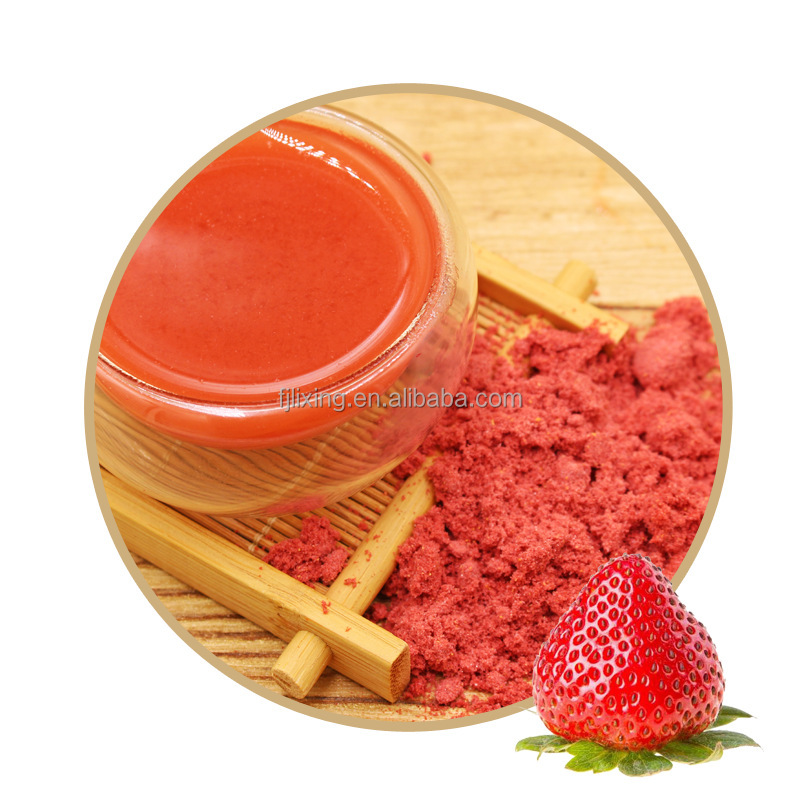
Enterprise Product Portfolio
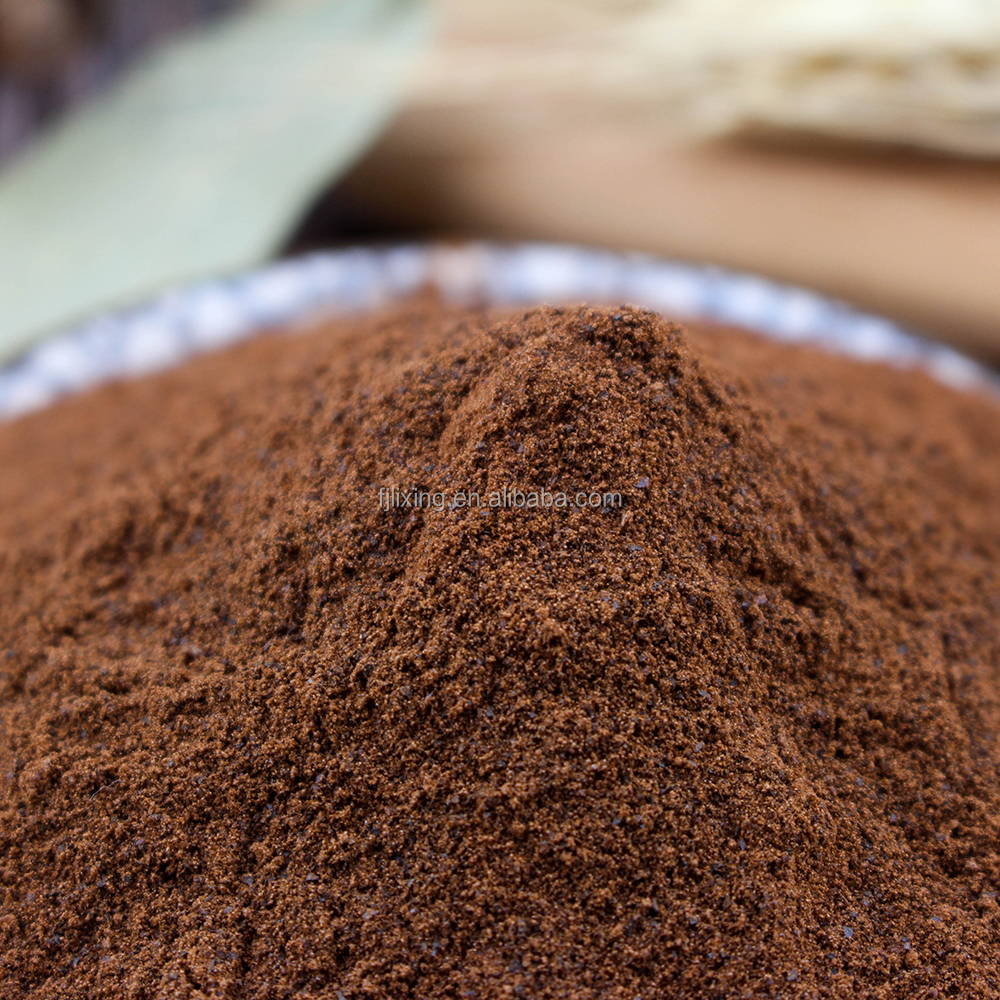
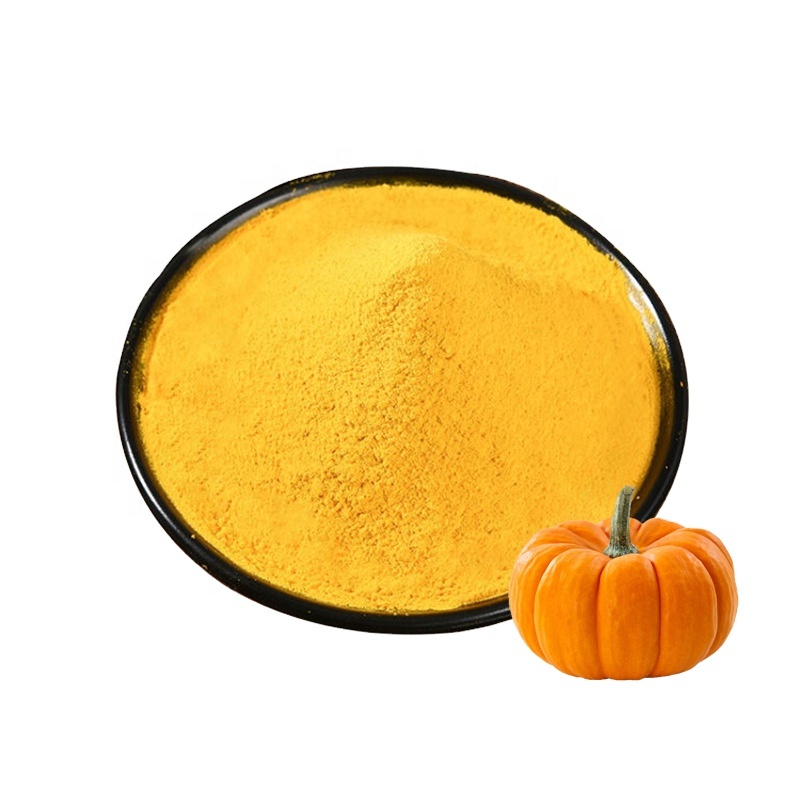
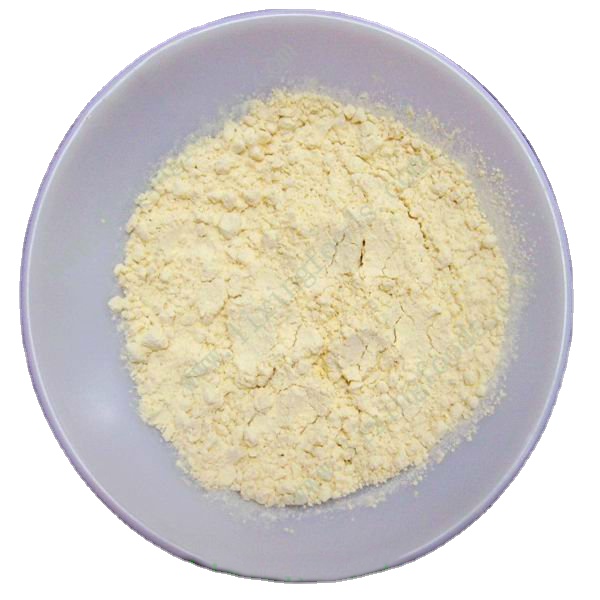
Featured Industrial Sublimated & Freeze-Dried Ingredients
Standardized moisture profiles (≤3%), cellular preservation, and rapid rehydration formulations for global commercial buyers.

Strategic Sourcing Report
Industrial Dynamics of Freeze-Dried Cabbage Sourcing in the Stavanger & Rogaland Market
As the undisputed operational hub of Northern Europe’s energy infrastructure and maritime commerce, Stavanger commands an exacting, highly specified supply chain for food provisioning. Operating out of the Port of Stavanger and supporting extreme North Sea maritime installations, deep-sea vessels, institutional catering, and specialized Scandinavian food manufacturers, procurement directors throughout Rogaland face unprecedented demands. Rising operational overheads, strict Norwegian Food Safety Authority (Mattilsynet) mandates, strict Nordic nutrition guidelines, and harsh storage limits require shelf-stable bulk ingredients that deliver uncompromising safety, pristine biological structure, and maximum thermodynamic yield.
Chinese freeze-dried brassica manufacturing represents the benchmark in this landscape. By moving past conventional hot-air dehydration (AD)—a technique that destroys cellular integrity, denatures organoleptic compounds, and caramelizes intrinsic sugars—vacuum freeze-drying (lyophilization) utilizes primary and secondary vacuum sublimation at negative pressure (≤0.05 mbar). This process protects the core leaf matrices of fresh cabbage (Brassica oleracea var. capitata). The resulting ingredient rehydrates instantly, features a natural light green hue, maintains cellular rigidity, and ensures consistent bulk density across maritime supply lines.
Sublimation Microstructure
Sub-zero vacuum sublimation preserves cellular walls without capillary collapse. This eliminates the chewy, leather-like texture typical of standard air-dried cabbage.
Phytochemical Integrity
Lyophilization preserves over 92% of heat-sensitive ascorbic acid (Vitamin C), sinigrin glucosinolates, and active enzymes, meeting rigorous clean-label Nordic dietary requirements.
Hydration Thermodynamic Index
Features a complete 1:9 to 1:12 rehydration ratio within 180 seconds in temperate water (15–20°C), streamlining galley prep times on offshore platforms.
Empirical Specifications: Lyophilized (FD) vs. Thermal Air-Dried (AD) Cabbage
Standard QA laboratory parameters for raw ingredient intake by European importers.
| Analytical Parameter | Fynergy Industrial Freeze-Dried (FD) | Standard Commercial Hot-Air Dried (AD) | Rogaland Offshore Catering Relevance |
|---|---|---|---|
| Residual Moisture Content (%) | ≤ 3.0% (Karl Fischer Titration) | 8.0% – 14.5% | Suppresses fungal proliferation during prolonged North Sea storage. |
| Reconstitution Kinetic (Speed) | 120 – 180 Seconds (Cold Water) | 20 – 35 Minutes (Requires Boiling) | Dramatically reduces catering prep time and power load on rigs. |
| Bulk Density (g/L) | 70 – 110 g/L (Ultra-Lightweight) | 240 – 380 g/L (Compacted) | Lowers payload shipping weight for containerized deliveries to Stavanger. |
| Ascorbic Acid Retention (%) | ≥ 91.5% Preserved | 18.0% – 29.0% (Thermal Oxidation) | Delivers unfortified, natural micronutrients to offshore vessel crews. |
| Water Activity (Aw) | ≤ 0.22 Aw (Microbial Latency) | 0.55 – 0.68 Aw | Guarantees 24-month unopened ambient stability without refrigeration. |
37
Dedicated FD Production Lines
62,718 m²
GMP Standard Cleanroom Facility
8,000 m²
Vacuum Chamber Surface Area
41
Patents & Lab Validations
Direct Application Sectors
Industrial Application Scenarios Across the Stavanger Ecosystem
Tailored delivery profiles: coarse flakes (6x6mm / 10x10mm), micro-dices, and micronized functional powders (80–200 mesh).
Offshore Energy Catering
Offshore installations operating across the Ekofisk, Johan Sverdrup, and Sleipner fields require provisions with long shelf lives and low gross weights. Lyophilized cabbage reconstitutes instantly in galley preparations, maintaining crisp mouthfeel in salads, robust stews, and side dishes without utilizing high-draw cold storage facilities.
Nordic Ready-Meal Processing
Industrial dry-mix packagers and instant food manufacturers across Rogaland incorporate our freeze-dried cabbage dices (6x6mm and 10x10mm) into vacuum-sealed convenience packs, camping meals, dry soups, and clean-label Scandinavian meal solutions.
Maritime Dry-Stores Provisions
International supply vessels, container ships, and long-range fishing fleets docking at the Port of Stavanger load our 10kg poly-lined double-corrugated bulk cartons. These provide 24 months of ambient stability resistant to maritime humidity and mechanical shipping damage.
Market Intelligence & Logistics
Macro Procurement Trends Shaping Western Norway (2025–2030)
Procurement workflows within Rogaland’s food service and processing industries are experiencing structural shifts. Five core supply chain drivers define import requirements for Chinese freeze-dried vegetables in Stavanger:
Cold-Chain Decarbonization
Offshore operators are working to shrink their environmental footprint under strict Norwegian emission limits. Transitioning from refrigerated vegetable bulk loads to ambient lyophilized ingredients slashes energy usage during transit and deck storage.
Direct China-to-Stavanger Routing
Leading wholesalers are moving away from multi-tiered third-party distribution hubs in Rotterdam or Hamburg. Sourcing FCL/LCL ocean freight directly into Stavanger Havn cuts inland handling delays and middleman margin overheads.
Strict Mattilsynet Compliance
Import inspections demand traceable chemical and microbial verification. Suppliers must provide comprehensive batch audits for pesticide residues, heavy metals, total plate counts, and salmonella before customs release.
Clean-Label Formulations
Norwegian consumer sentiment shows zero tolerance for artificial sulfur stabilizers (such as sodium metabisulfite), anti-caking additives, or synthetic preservatives. Sublimation delivers prolonged shelf stability entirely free from chemical aids.
Manufacturing Authority
Fujian Fynergy Foods Co., Ltd.: Manufacturing Capabilities
Onsite audited by TÜV Rheinland and verified by premier global brands and Fortune 500 enterprises.
Cleanroom Manufacturing
Production runs within Class-100,000 cleanroom workshops across our 62,718 m² facility in Zhangzhou, Fujian. Advanced climate handling keeps relative humidity below 30% during processing to eliminate airborne hygroscopic re-absorption.
Analytical Quality Testing
Our in-house analytical facility is equipped with Liquid Chromatography (HPLC), Atomic Absorption Spectrophotometry, Atomic Fluorescence Spectrophotometry, and automatic Kjeldahl analyzers for complete batch verification of pesticide profiles, heavy metals, and nutritional data.
International Certifications
Operating under fully audited BRCGS (Grade A), HACCP, and ISO 22000 quality architectures. Selected lines carry Halal and Kosher certifications, facilitating customs acceptance into Norway and the broader European Free Trade Association (EFTA) markets.
Procurement Clarity
Frequently Asked Questions for Stavanger & Nordic Buyers
Direct technical and commercial answers addressing compliance, logistics, quality testing, and ordering specifics.
How does freeze-dried cabbage compare to standard dehydrated cabbage in maritime conditions?
Traditional dehydrated (AD) cabbage typically has a residual moisture content of 8–14%, making it prone to oxidation, browning, and mold growth in damp marine environments. Our vacuum freeze-dried (FD) cabbage is held below 3% moisture, hermetically sealed with nitrogen flushing. This ensures 24 months of ambient stability without color degradation, off-odors, or structural breakdown.
What customs and health clearance documentation is supplied for import into Stavanger?
We supply a complete export documentation dossier tailored for Norwegian customs (Tolletaten) and Mattilsynet. This includes our BRCGS audit certificates, non-GMO declarations, Certificate of Analysis (COA) per production batch, detailed pesticide residue screenings (conforming to EU Regulation No 396/2005), heavy metal assessments (lead, cadmium, arsenic, mercury), phytosanitary certificates, and accurate Bill of Lading documentation.
What are the standard Minimum Order Quantities (MOQ) for Rogaland deliveries?
For bulk freeze-dried cabbage and core dehydrated vegetables, standard production MOQs range from 500 kg to 1,000 kg depending on cut specifications (such as whole flake, 6x6mm, 10x10mm dice, or custom fine powder). We also support consolidated container loads combining multiple freeze-dried vegetables, fruits, and instant powders to help buyers launch and test new product lines.
Can you support private label and custom packaging for offshore catering suppliers?
Yes. Beyond industrial bulk packing (polyester bags encased in double-wall corrugated cartons), we support customized contract manufacturing (OEM/ODM). Options include nitrogen-flushed high-barrier retail pouches, airtight catering buckets, portion-controlled sachets, and vacuum cans built to withstand heavy mechanical handling in offshore logistics.
How are samples validated before placing a production purchase order?
We provide complete sample evaluation packages (typically 200g–500g) via international air courier to your offices or testing laboratories in Stavanger, Sandnes, or Haugesund. Each sample is accompanied by a batch-matched Technical Data Sheet (TDS) and comprehensive Certificate of Analysis (COA) for rapid QA onboarding.
Establish Direct Supply with China's Premier Sublimation Plant
Contact our technical sales team for comprehensive chemical specifications, European safety compliance dossiers, FOB/CIF Stavanger pricing structures, and sample batches.