Nutrient Dense
Precision-engineered plant matrices, vegetable bases, and extracts manufactured in compliance with international food hygiene codes for bulk re-export and industrial processing.
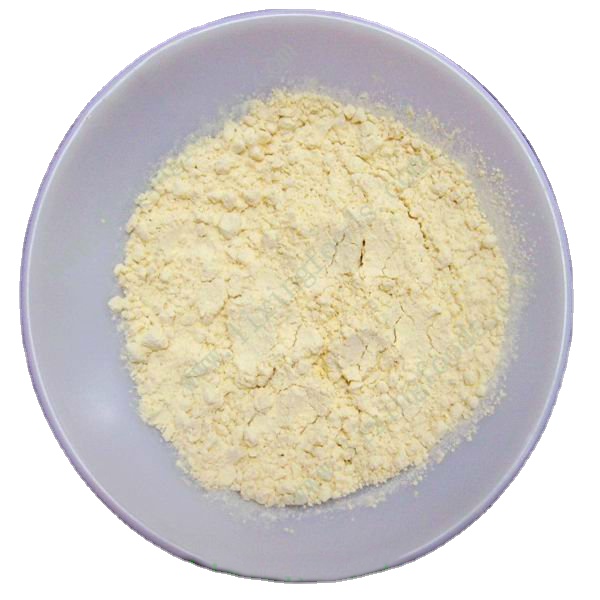

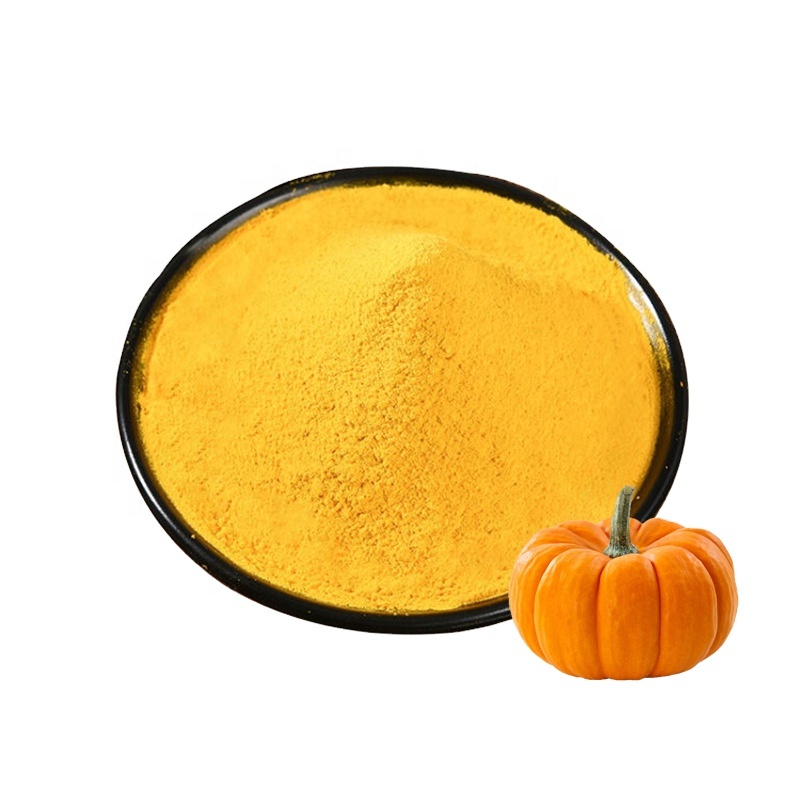
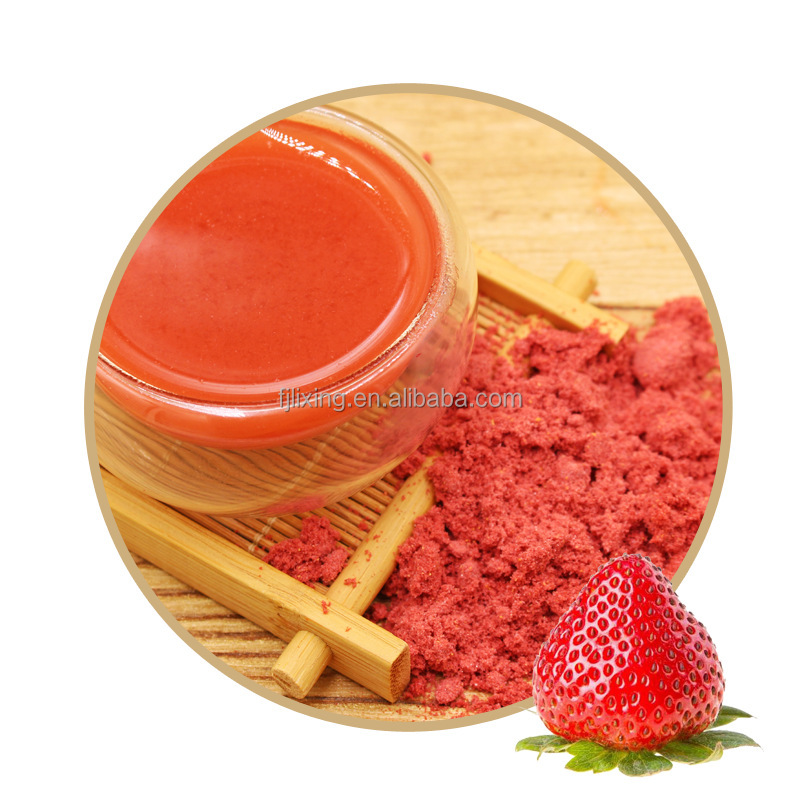
Conventional dehydration of root vegetables, particularly Solanum tuberosum, typically relies upon forced thermal convection tunnels or mechanical drum dryers operating between 70°C and 110°C. While cost-efficient, thermal desiccation collapses the delicate intracellular pectin framework, initiates unmanaged retrogradation of starch granules, and degrades heat-sensitive vitamins (principally L-ascorbic acid and folate). The resulting dehydrated shreds or flakes suffer from structural hornification, diminished rehydration ratios (rarely exceeding 1:3.2), and significant Maillard-induced discoloration during long-term storage under arid conditions.
As an industry-leading manufacturer running 37 dedicated lyophilization lines across 62,718 m² of industrial floor space, Fujian Fynergy Foods executes low-temperature sublimation vacuum drying (FD) to manufacture pharmaceutical-grade freeze-dried potato components. Fresh, sorted tubers undergo standardized enzymatic peeling, controlled precision dicing or purée milling, and immediate rapid blast freezing down to -38°C within fluid-bed chill tunnels. During primary sublimation inside our 8,000 m² vacuum chambers under sub-triple-point pressures (≤ 61.1 Pa), ice crystals transform directly into water vapor. By bypassing the capillary tension of liquid water, the porous cellular skeleton of the potato remains 100% integral. The outcome is a structural pore distribution that hydrates within 120 seconds in ambient water, yielding an authentic organoleptic texture that completely outperforms conventional dehydrated potato starch or flakes.
Food process engineers and commercial supply procurement officers operating across the Middle East require empirical parameters to calibrate batch formulations, instant meal premixes, and extruded snack blends:
| Physical / Chemical Property | Fynergy Freeze-Dried (FD) Potato | Conventional Air-Dehydrated (AD) Potato | Hot-Drum Potato Flakes |
|---|---|---|---|
| Primary Removal Principle | Sublimation under high vacuum (<0.5 mbar) | Thermal evaporation (60°C–90°C) | Contact thermal drying (130°C–150°C) |
| Pore Matrix Stability | Uncollapsed, microscopic open honeycomb | Compacted, severe volume shrinkage | Amorphous sheared cellular sheets |
| Rehydration Rate (Ambient Water) | 60–90 seconds complete hydration | 8–15 minutes (requires heat) | Variable paste formation, high shear |
| Residual Moisture Content | ≤ 3.0% – 5.0% baseline | 8.0% – 12.0% | 6.0% – 9.0% |
| Total Sugar Inversion & Maillard Risk | Negligible (sub-ambient sublimed) | Moderate (visible caramelization) | High (significant browning) |
| Hydrodynamic Bulk Density | 0.12 – 0.22 g/cm³ | 0.45 – 0.65 g/cm³ | 0.30 – 0.40 g/cm³ |
The strategic selection of Aqaba as an intake and manufacturing nexus is driven by its special status within the Aqaba Special Economic Zone Authority (ASEZA) and its proximity to key trading lanes linking Egypt, Saudi Arabia, and the Levant hinterland. The unique climatic, demographic, and logistical characteristics of this region yield targeted applications for specialized freeze-dried potato fractions:
The dense hospitality belt connecting Aqaba, Wadi Rum, and Petra experiences extreme daily kitchen demand fluctuations and ambient desert heat exceeding 42°C. Bulk FD potato dices, cubes, and instant puree bases eliminate cold-chain refrigeration logistics, allowing five-star resorts and desert tourism camps to prepare authentic mashed sides, stews, and soups without raw peeling labor or rot spoilage.
Operating inside the ASEZA duty-free perimeter allows food processors to import Fynergy bulk freeze-dried potato components under preferential tariff frameworks. Regional manufacturers blend our ultra-low-moisture granules into instant noodle condiment sachets, dry culinary soup mixes, and clean-label extruded snack formulations distributed to Amman, Irbid, and Gulf Cooperation Council (GCC) markets.
The Port of Aqaba represents the foundational humanitarian gateway for overland relief corridors across the Middle East. With an ambient shelf life of up to 24 months, our freeze-dried vegetable and potato components provide vital caloric density, natural potassium, and dietary starch for non-governmental organizations and defense suppliers demanding lightweight, rot-proof, and easily prepared rations.
The shift from raw produce dependency toward shelf-stable dehydrated and freeze-dried matrices in the Hashemite Kingdom of Jordan is governed by critical structural pressures:
1. Severe National Water Deficits and Tuber Agricultural Costs: Jordan ranks among the lowest nations globally in terms of per-capita freshwater availability. Field potato cultivation in the Jordan Rift Valley and Southern Badia requires substantial irrigation infrastructure, high fertilizer overheads, and suffers vulnerability to fluctuating groundwater salinity. Importing high-density, sublimation-dried potato matrices direct from Fujian—where water resources and agricultural yields are abundant—allows the regional food ecosystem to preserve domestic water reserves without sacrificing quality.
2. Energy Overhead in Commercial Cold Storage: Elevated industrial electricity tariffs in Jordan render 24/7 cold storage facilities cost-prohibitive for raw tubers and frozen pre-fried french fries. Freeze-dried potatoes, sealed within multi-layer nitrogen-flushed poly/foil pouches, maintain total physiological and enzymatic stability at standard ambient warehouse temperatures (+30°C to +38°C), drastically compressing downstream supply-chain operating margins.
3. Expanding Clean-Label Consumerism: Consumers throughout Jordan and neighboring GCC markets are actively rejecting chemically modified food starches (such as E1422 and E1442) and artificially preserved ready meals. Fynergy’s single-ingredient freeze-dried potato powder acts as a natural binder, thickener, and organoleptic carrier that enables brand owners to declare clean, recognizable consumer ingredients.
Selecting an offshore OEM/ODM contract manufacturer requires deep verification of equipment capacity, international certification validity, and batch-to-batch analytical control. Fujian Fynergy Foods has spent more than two decades perfecting vacuum sublimation technology from our modern, fully audited facility in Zhangzhou, Fujian:
Our 8,000 m² vacuum chamber capacity ensures continuous industrial run rates, mitigating raw material crop variations and securing bulk supply continuity for multi-container Levant ocean contracts.
Our operations adhere strictly to BRCGS Global Standard for Food Safety, ISO 22000, and HACCP. Every commercial production batch undergoes mandatory Halal and Kosher compliance protocols certified for Middle East distribution.
Utilizing high-performance liquid chromatography (HPLC), atomic absorption spectrophotometers, and automated Kjeldahl apparatus, our laboratory verifies absolute limits on heavy metals, pesticide residues, and microbiological safety.
All packaging operations occur within positively pressured cleanrooms with controlled atmospheric humidity (<35% RH) to eliminate moisture re-absorption and guarantee extended commercial shelf-life.
Our long-term academic partnerships with food science institutes drive constant innovation across sub-zero freezing rates, vacuum sublimation curves, and functional rehydration kinetics.
From custom particle mesh sizes (40–120 mesh) to discrete cut sizes (3x3 mm, 5x5 mm, 10x10 mm) and custom private-label nitrogen-purged sachets, we adapt specifications to match exact factory equipment.
Consult with our technical food engineers to request certified technical data sheets (TDS), customized mesh samples, or consolidated container freight schedules to Aqaba.