Fruit / Powder
Product Details & Spec Sheet
Manufactured under ISO 22000, HACCP, and BRCGS quality protocols. Designed for long-transit maritime shipping via the Port of Al Hudaydah and enduring high-humidity coastal storage.
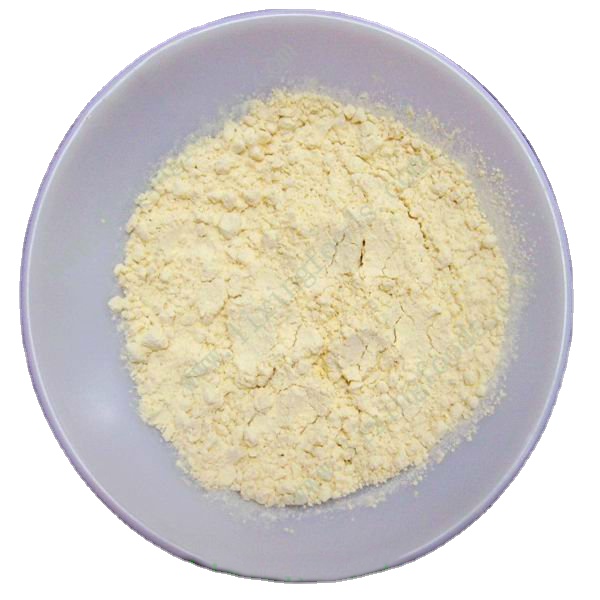
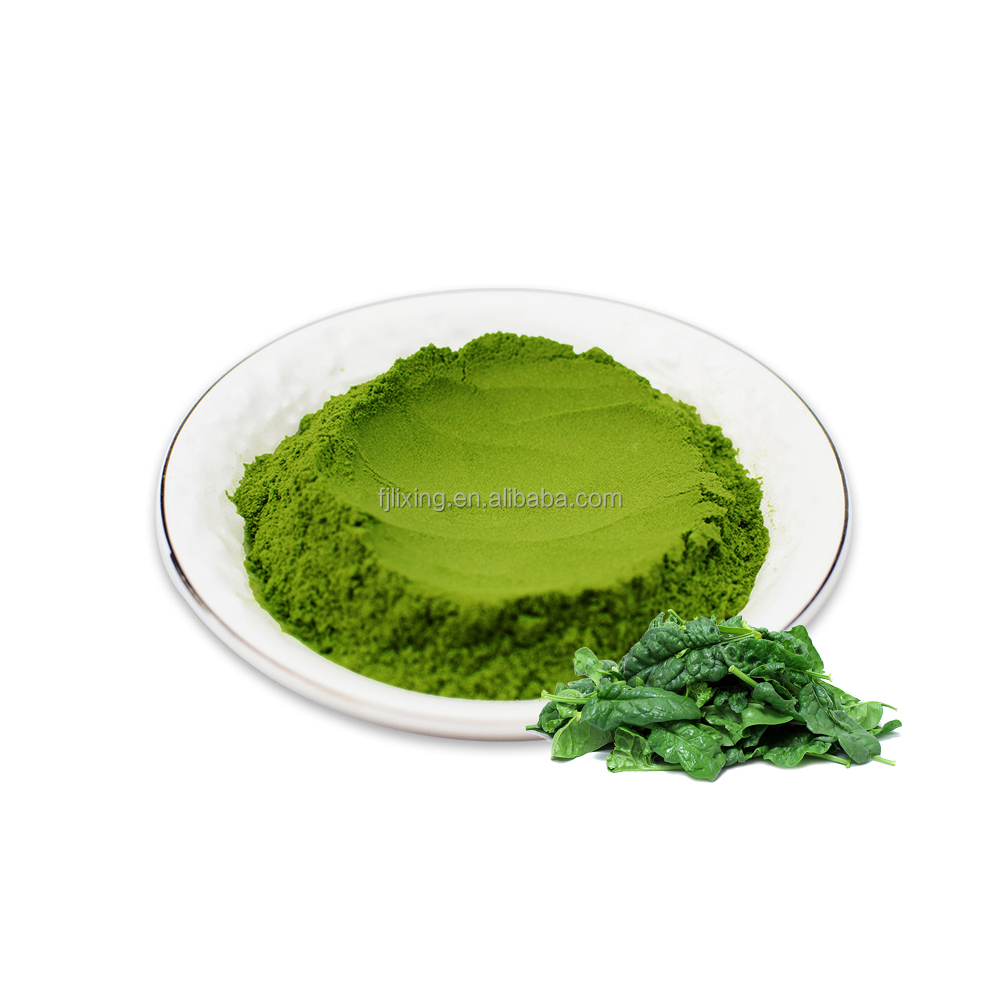
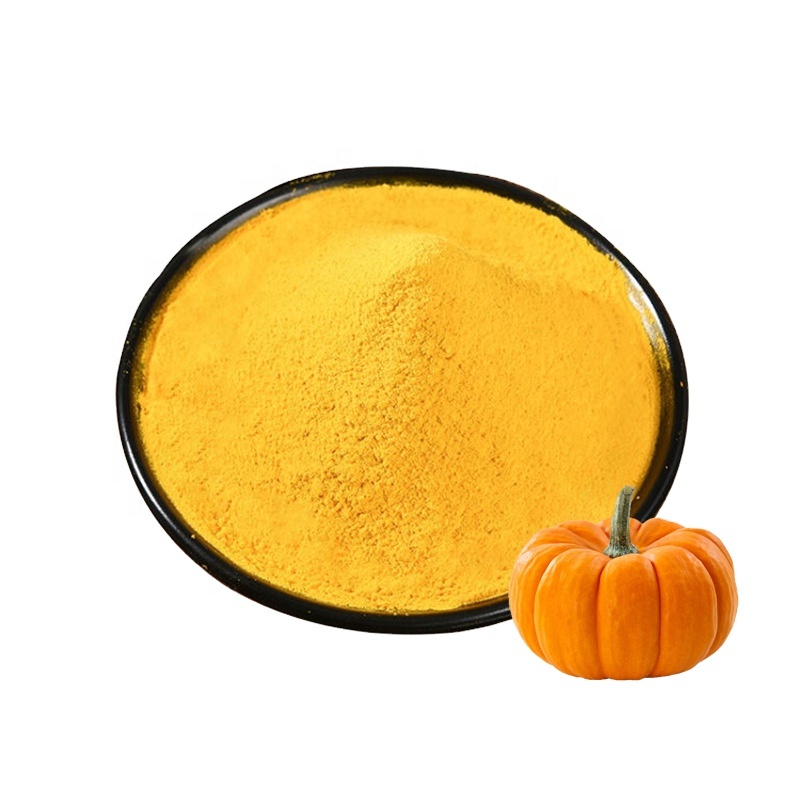
In the commercial supply landscape of western Yemen and the wider Tihamah Basin, securing reliable, nutrient-dense, and microbially stable agricultural commodities represents both an engineering challenge and an economic necessity. Broccoli powder (Brassica oleracea var. italica) has transitioned from a niche nutraceutical additive into a vital cornerstone ingredient across commercial food formulation, emergency dietary relief kits, dairy fortification, and clinical wellness manufacturing. For commercial importers, wholesale suppliers, and NGO purchasing divisions operating through the maritime gateway of Al Hudaydah (Al Hodeidah), identifying direct primary manufacturers with the scale to guarantee bioactive compound stability is decisive for commercial survival.
The hyper-thermal, high-humidity marine environment characteristic of coastal Al Hudaydah, where ambient temperatures frequently surpass 40°C with relative humidity breaching 80%, presents acute risks of nutrient oxidation, enzymatic browning, and rapid microbial proliferation. Conventional hot-air dried or poorly processed vegetable powders quickly clump, lose their cellular structure, and experience near-total degradation of thermolabile bioactives such as glucoraphanin and active myrosinase enzymes. This procurement brief provides an exhaustive technical benchmark comparing vacuum freeze-drying (lyophilization) methodologies against standard dehydration, detailing localized culinary and industrial application vectors, analyzing regulatory compliance for entry through the Red Sea trade corridor, and documenting verified manufacturing capacities.
From a food chemistry standpoint, broccoli is revered for its high concentrations of organosulfur compounds, particularly the glucosinolate known as glucoraphanin. When cell walls are ruptured during industrial grinding or biological mastication, glucoraphanin hydrolyzes in the presence of the enzyme myrosinase to synthesize sulforaphane (1-isothiocyanato-4-methylsulfinylbutane). Sulforaphane is globally recognized as one of the most potent natural activators of the physiological Nrf2 (nuclear factor erythroid 2-related factor 2) pathway, driving human cellular antioxidant defenses, hepatic detoxification, and systemic anti-inflammatory cascades.
However, thermal denaturation curves demonstrate that active myrosinase undergoes irreversible protein unfolding and inactivation when exposed to sustained temperatures above 55°C. Conventional hot-air drying systems—widely deployed by low-tier processors due to cheap capital equipment costs—subject the raw biomass to hot airstreams ranging from 65°C to 90°C over multiple hours. This severe thermal stress destroys upwards of 85% to 95% of active myrosinase, rendering the resulting powder biochemically inert with respect to endogenous sulforaphane synthesis unless blended with costly exogenous enzyme carriers.
| Physical & Phytochemical Metric | Advanced Vacuum Freeze-Drying (FD) | Hot-Air Dehydration (AD / Oven) | Centrifugal Spray Drying (SD) |
|---|---|---|---|
| Drying Principle | Ice sublimation under vacuum (<0.08 mbar, -40°C to +35°C) | Convective hot air thermal evaporation (65°C–90°C) | High-heat atomization slurry drying (160°C–190°C inlet) |
| Residual Moisture Content | ≤ 3.0% – 4.0% (High stability) | ≥ 7.0% – 10.0% (Prone to mold) | 4.0% – 6.0% (Requires carrier agent) |
| Myrosinase Enzyme Retention | ≥ 82% – 91% Bioactive | ≤ 5% – 12% (Largely Denatured) | ≤ 10% – 20% (Heat Deactivated) |
| Glucoraphanin Preservation | ≥ 94% Natural Concentration | 40% – 55% Retention | 50% – 65% Retention |
| Cellular Structure / Porosity | Rigid open-pore honeycomb (Instant dispersibility) | Shriveled, collapsed, hardened dense core | Fine spherical hollow particles (Carriers needed) |
| Reconstitution Kinetics | Instant (<15 seconds in cold liquid) | Poor (Requires heat & high shear mixing) | Rapid (Dependent on maltodextrin ratio) |
| Chlorophyll & Color Purity | Vivid brilliant green (Natural leaf retention) | Dull olive-brown, oxidized hue | Pale, bleached green tone |
Our Zhangzhou factory facility utilizes cryogenic air-classifying jet milling (ACM) post-sublimation to calibrate physical particle size distributions across exact client requirements. For institutional supply chains moving cargo into the Al Hudaydah Governorate, particle size must match the intended machinery in domestic downstream plants:
Al Hudaydah serves as the logistical heartbeat for humanitarian assistance, food redistribution, and agro-processing across northern and western Yemen. The deployment of concentrated, shelf-stable freeze-dried broccoli powder unlocks decisive technical solutions to acute demographic and environmental challenges within this consumption zone.
Facing sustained disruption to local fresh cold-chains along the Red Sea coast, international relief agencies and localized NGOs utilize our vacuum-dried broccoli powder to fortify basic grain gruels, wheat flours, and emergency rations with bioavailable folate (Vitamin B9), Vitamin C, Vitamin K1, and calcium without adding bulk water weight.
Yemeni consumers possess a deep culinary affinity for sour milk and spiced yogurt preparations (Laban, Zeer, and Ayran). Industrial dairies operating across the Hodeidah industrial belt incorporate micro-pulverized 120-mesh broccoli powder into specialty wellness yogurts to satisfy rising consumer demand for functional, gut-healthy savory dairy foods.
Wholesale commercial bakeries supplying urban centers around Al Hudaydah use standardized green vegetable powders to enrich traditional Yemeni flatbreads (Malooga, Khubz, and Rashoosh). Incorporating 3% to 5% broccoli powder by flour weight elevates mineral profiles, imparts a distinguished vibrant hue, and retains anti-staling moisture properties.
The climate of Al Hudaydah is categorized under the hot desert climate regime (Köppen BWh), featuring intense ambient humidity driven by coastal evaporation off the southern Red Sea basin. Unprotected dried biological powders will spontaneously equilibrate with ambient moisture, causing moisture migration, caking, and rapid lipid oxidation within 48 to 72 hours of open air exposure.
To assure a minimum unopened shelf life of 24 calendar months under non-refrigerated warehouse conditions in Al Hudaydah, our export containers strictly utilize pharmaceutical-grade four-layer PET/AL/NY/PE laminated aluminum foil barrier bags. Each primary package undergoes complete nitrogen (N₂) purging to depress internal headspace oxygen levels below 1.5%, definitively preventing the oxidative breakdown of delicate sulforaphane complexes, natural flavonoids, and lipid-soluble carotenes.
Procurement directors and commercial supply agents sourcing through Al Hudaydah operate within dynamic geopolitical, logistical, and financial constraints. Over recent fiscal cycles, distinct procurement patterns have emerged:
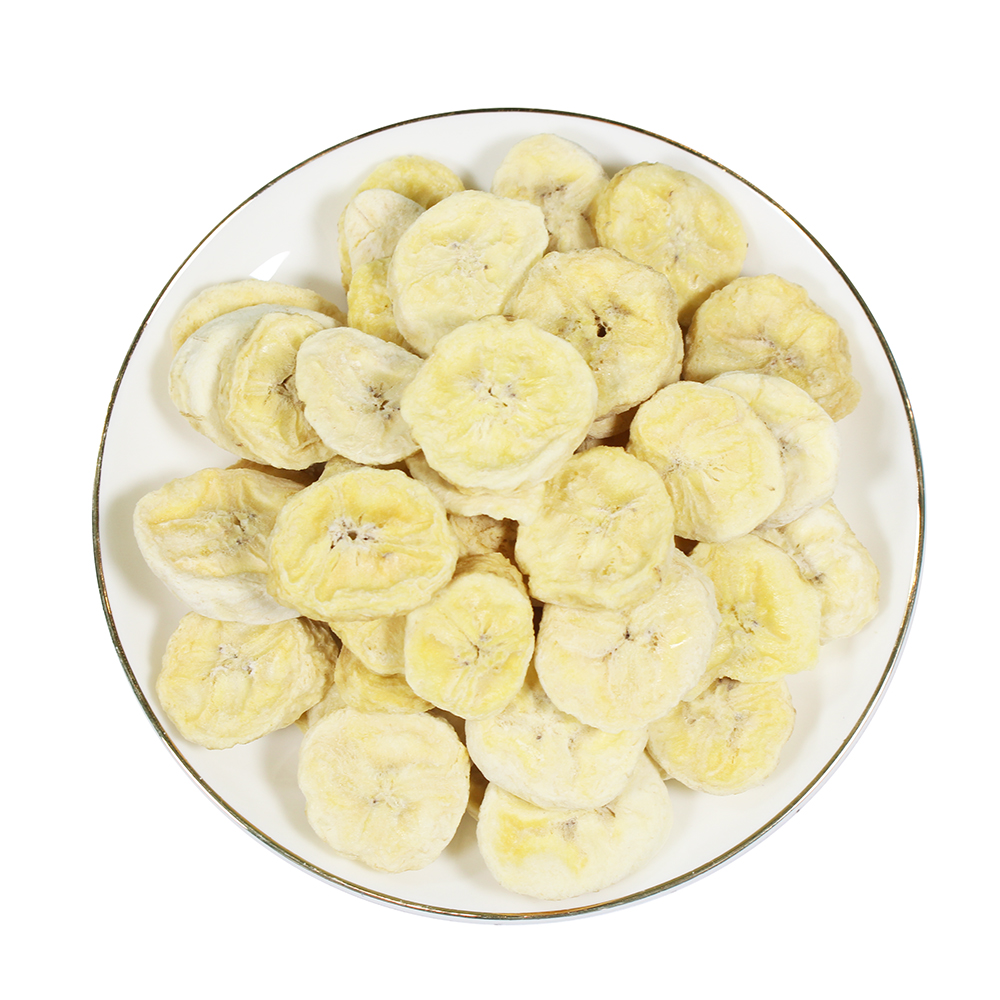
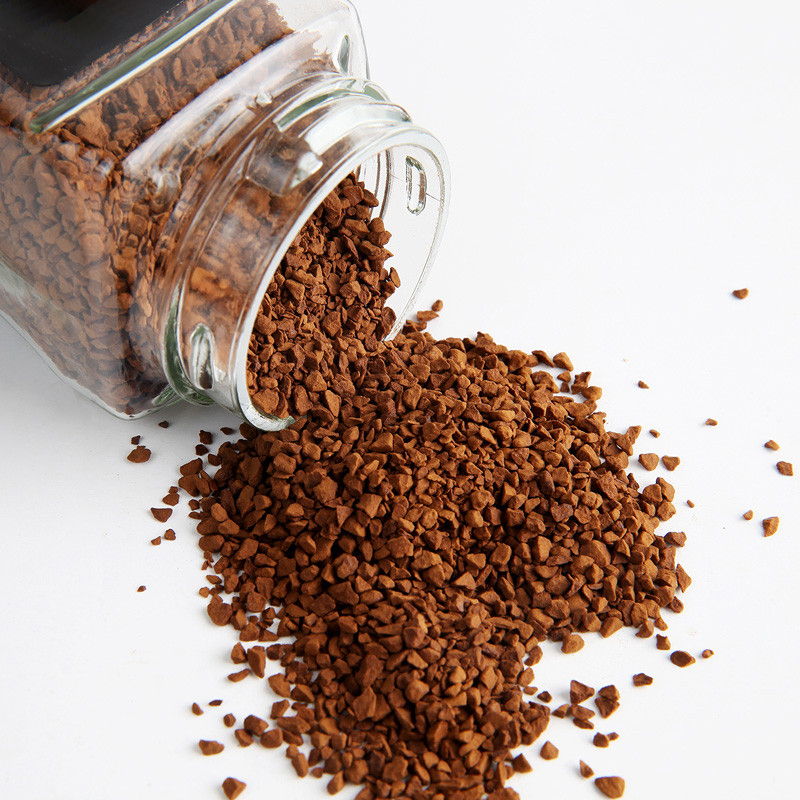
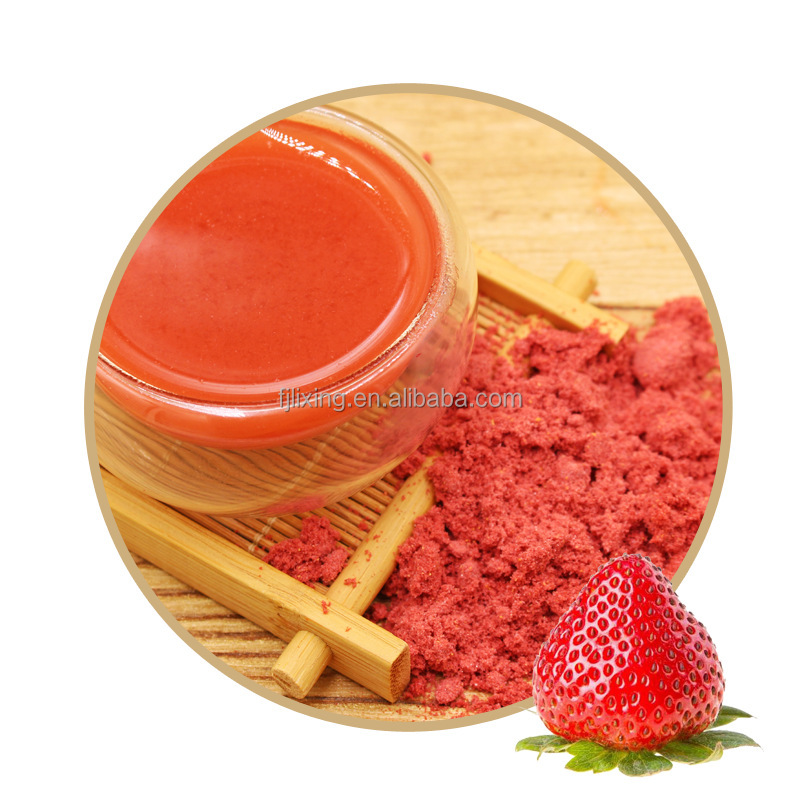
Rather than ordering dedicated single-product 40ft High Cube containers of a single vegetable powder, buyers increasingly consolidate broccoli powder with freeze-dried fruits (strawberry, banana), instant coffee, and pumpkin powder to optimize inventory capital turns and container space.
Given the rigorous inspection protocols administered by local customs and international oversight bodies inspecting cargo destined for Al Hudaydah, commercial contracts mandate full third-party batch assays (SGS / TÜV) documenting strict non-GMO status, zero pesticide residues, and low microbial counts.
All functional botanicals imported into the Yemeni market must possess internationally authenticated, Embassy-legalized Halal compliance certificates alongside documented ISO 22000:2018 food safety system trails to avert port seizure or customs demurrage penalties.
With acute regional water scarcity across the Tihamah agricultural plains limiting domestic vegetable cultivation, food processing facilities are turning to imported dehydrated concentrates as a mathematically cost-effective alternative to washing, sorting, and processing whole fresh produce.
Headquartered in our 62,718 m² manufacturing base in Zhangzhou, Fujian, Fujian Fynergy Foods Co., Ltd. is globally recognized as an industrial authority in vacuum freeze-drying engineering. With over two decades of dedicated R&D and production execution, we support Fortune 500 food brands, national distributors, and institutional procurement programs across six continents.
Over 8,000 square meters of specialized vacuum sublimation chamber capacity allows our facility to process hundreds of metric tons of raw brassica biomass monthly without bottlenecking harvest windows.
Equipped with high-performance liquid chromatography (HPLC), atomic absorption spectrophotometry (AAS), and atomic fluorescence testing to deliver complete batch assay sheets covering heavy metals, pesticides, and microbial counts.
All milling, blending, micro-sieving, and hermetic primary packaging are executed within HEPA-filtered cleanrooms maintaining positive atmospheric pressure to ensure absolute microbiological purity.
Direct technical and commercial responses addressing customs documentation, transshipment routing, minimum orders, and shelf-life assurance.
For custom production batches of 100% pure freeze-dried broccoli powder with tailored mesh sizing (from 60 to 200 mesh), our baseline industrial MOQ is 500 kg. For trial market launches, institutional testing, or multi-product consolidated orders (e.g., combining broccoli powder with freeze-dried banana, spinach, strawberry, or instant coffee), we can accommodate trial runs starting at 100 kg to 200 kg per SKU. Full 20ft FCL or 40ft HQ container bookings offer optimized per-kilogram freight economics when clearing through Red Sea logistics corridors.
Standard polyethylene bags are entirely inadequate for maritime environments like Al Hudaydah. We utilize heavy-gauge, multi-layer aluminum barrier foil pouches (typically PET / AL / Polyamide / PE) exhibiting near-zero Water Vapor Transmission Rates (WVTR < 0.05 g/m²/24hr) and negligible Oxygen Transmission Rates (OTR). Every pouch is vacuumed and gas-flushed with high-purity medical-grade nitrogen (N₂) before heat-sealing. Secondary packaging features heavy-duty, double-wall corrugated export cartons reinforced with water-resistant outer strapping, ensuring complete integrity during maritime transit and local warehousing.
We routinely export under FOB (Xiamen / Ningbo / Shanghai), CFR, or CIF Al Hudaydah Port (YEAUD). Because maritime schedules into Al Hudaydah require close coordination with United Nations Verification and Inspection Mechanism (UNVIM) clearance protocols in Djibouti or regional transshipment hubs (e.g., Port of King Abdullah, Jeddah, or Salalah), our dedicated export documentation division coordinates directly with your designated international freight forwarders to ensure transparent chain-of-custody documentation and pre-vessel notification.
Yes. Every commercial shipment leaves our Zhangzhou facility accompanied by an authentic Certificate of Analysis (COA) issued by our internal laboratory and verified via third-party testing bodies (such as SGS, Eurofins, or TÜV Rheinland upon request). The COA verifies residual moisture (≤4.0%), mesh size fineness, absence of heavy metals (Lead ≤0.2 mg/kg, Cadmium ≤0.1 mg/kg, Arsenic ≤0.1 mg/kg, Mercury ≤0.01 mg/kg), and total microbiological compliance (Total Plate Count ≤10,000 CFU/g, Yeast & Mold ≤100 CFU/g, Zero Salmonella / E. coli / Listeria). Furthermore, our plant operations are audited and certified under internationally recognized Halal programs, with full consular/Chamber of Commerce legalization provided as requested.
Yes. In addition to supplying 100% pure Brassica oleracea powder, our OEM/ODM formulation division works directly with food brands to create proprietary nutritional premixes. Popular formulations for regional clients include dry savory green soup bases (combining broccoli powder with freeze-dried sweet corn, pumpkin, and spinach powders), therapeutic high-protein pediatric supplements, and instant micronutrient-fortified morning beverage drink powders packaged in custom retail pouches or institutional bulk bags.
We routinely dispatch evaluation sample kits (typically 100g to 500g of vacuum-sealed product with batch COA and technical product data sheets) to enterprise procurement agents worldwide. Simply click the inquiry link below to communicate your exact project parameters, intended application, and delivery address to our international sales and technical support desk.
Initiate direct communication with Fujian Fynergy Foods Co., Ltd. Speak with our food technology engineers regarding technical specifications, custom mesh grinding, bioactivity verification, and CIF Al Hudaydah shipping quotations.