Bulk Technical
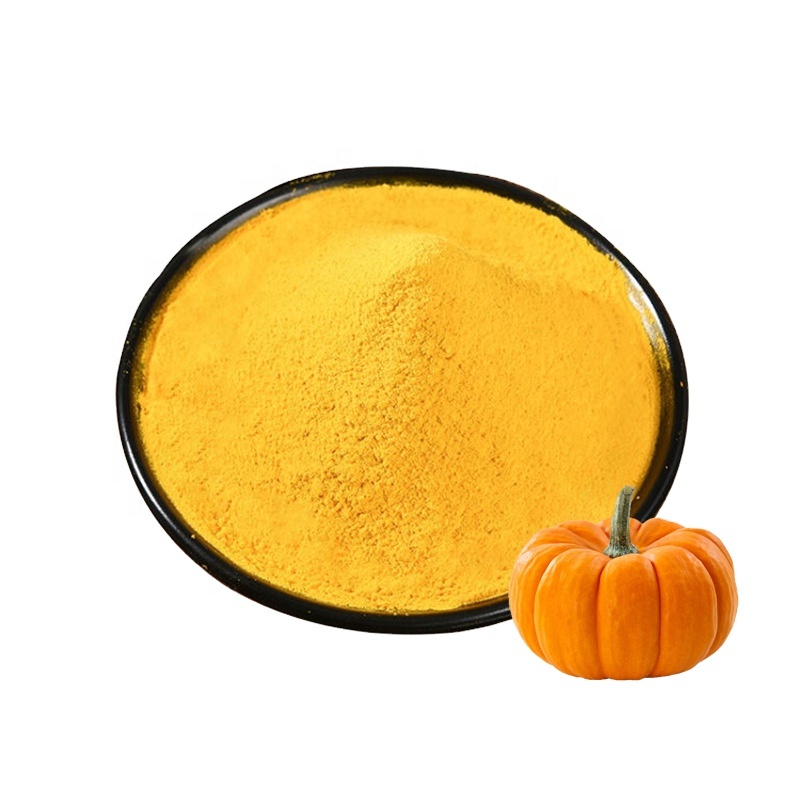
- Mesh Size80–120 Mesh
- Moisture Content≤ 5.0%
- Carrier100% Pure, Zero Additives
Standardized raw material matrices verified by liquid chromatography, atomic absorption, and certified cleanroom processing for international B2B integration.
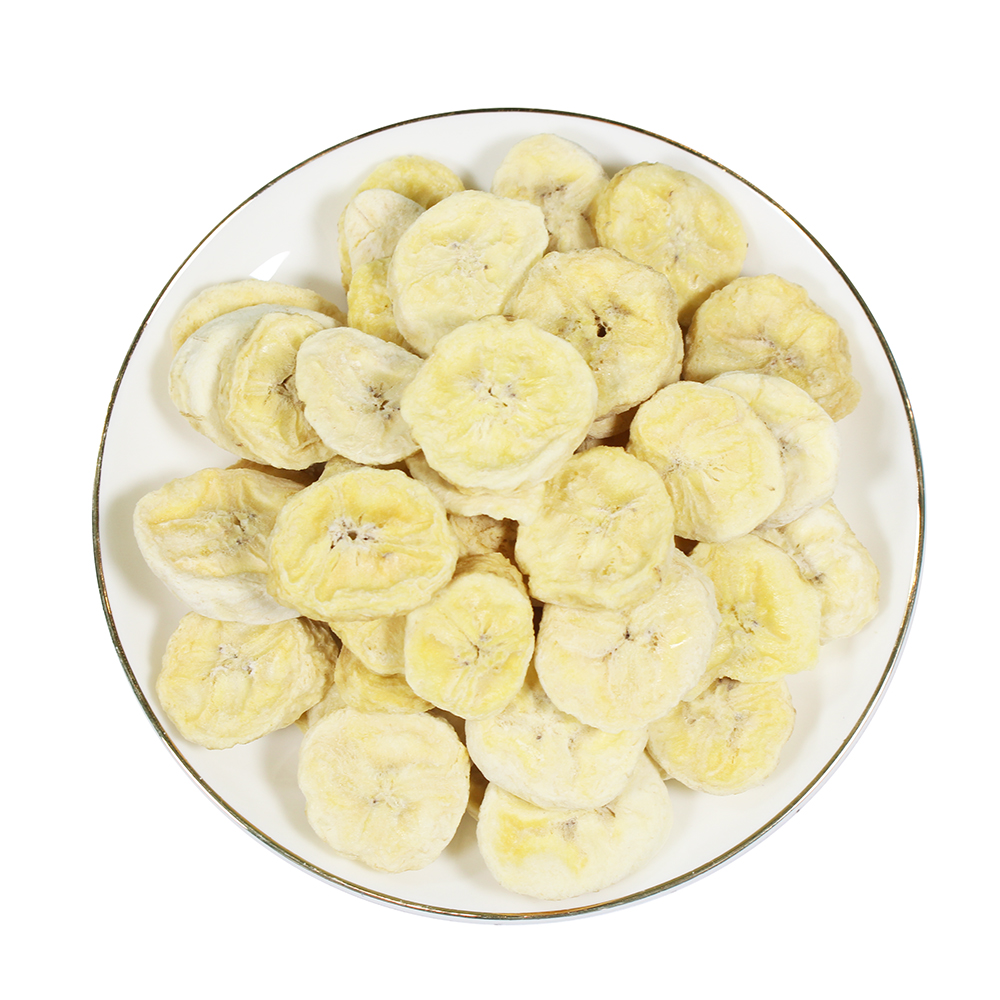
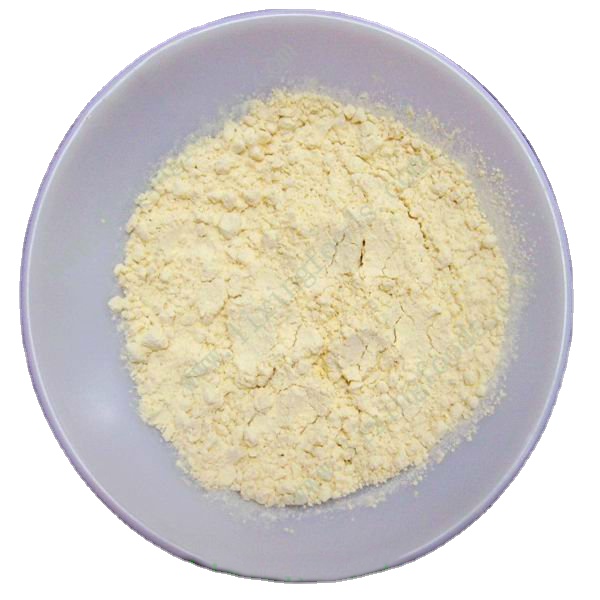
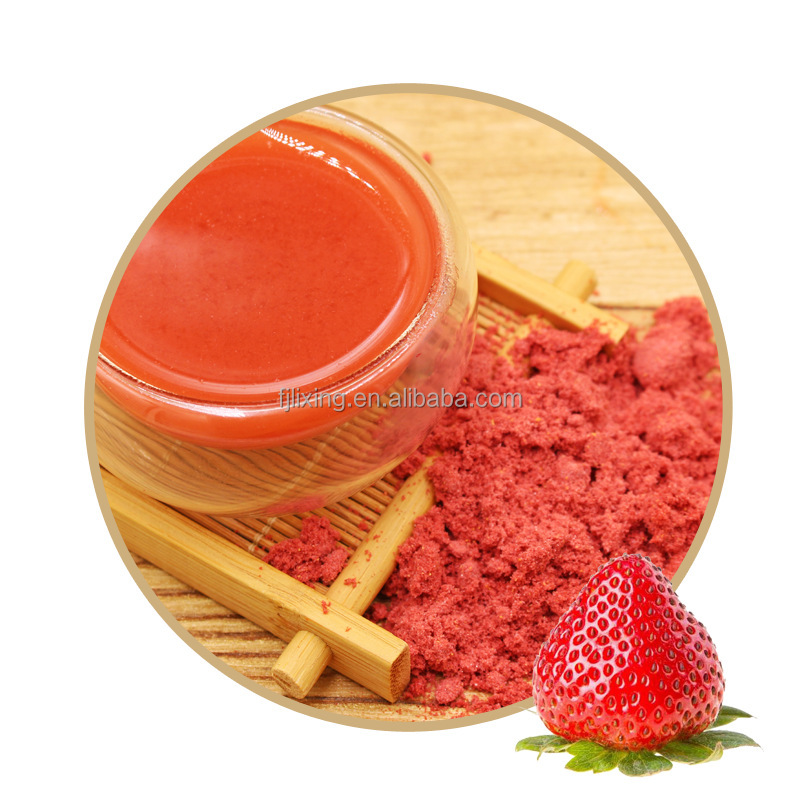
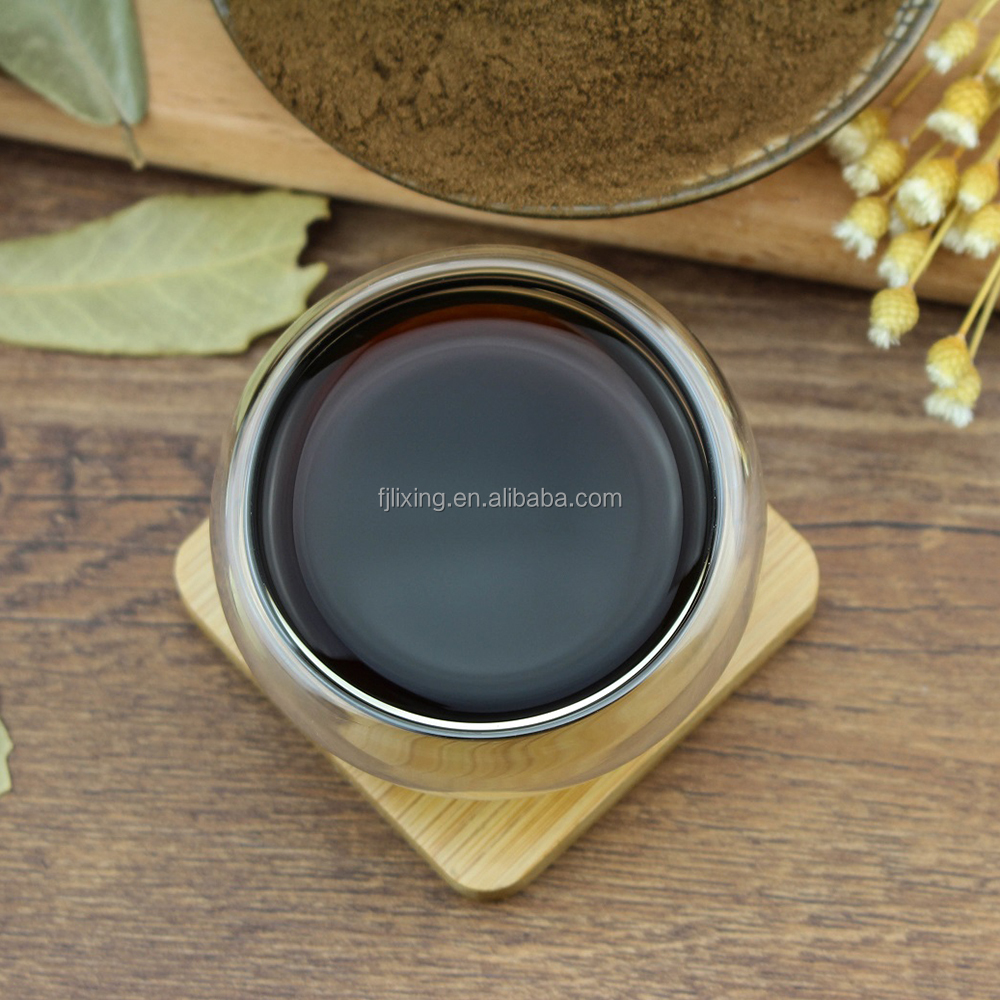
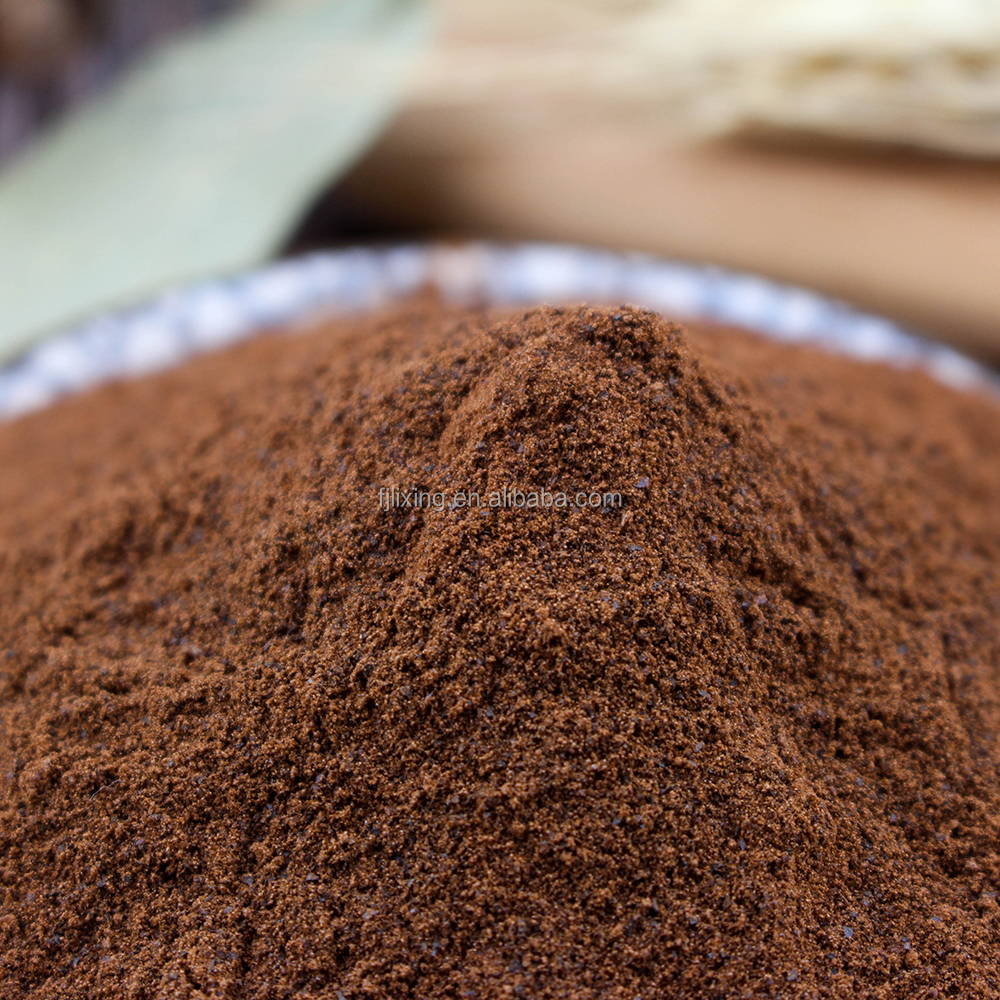
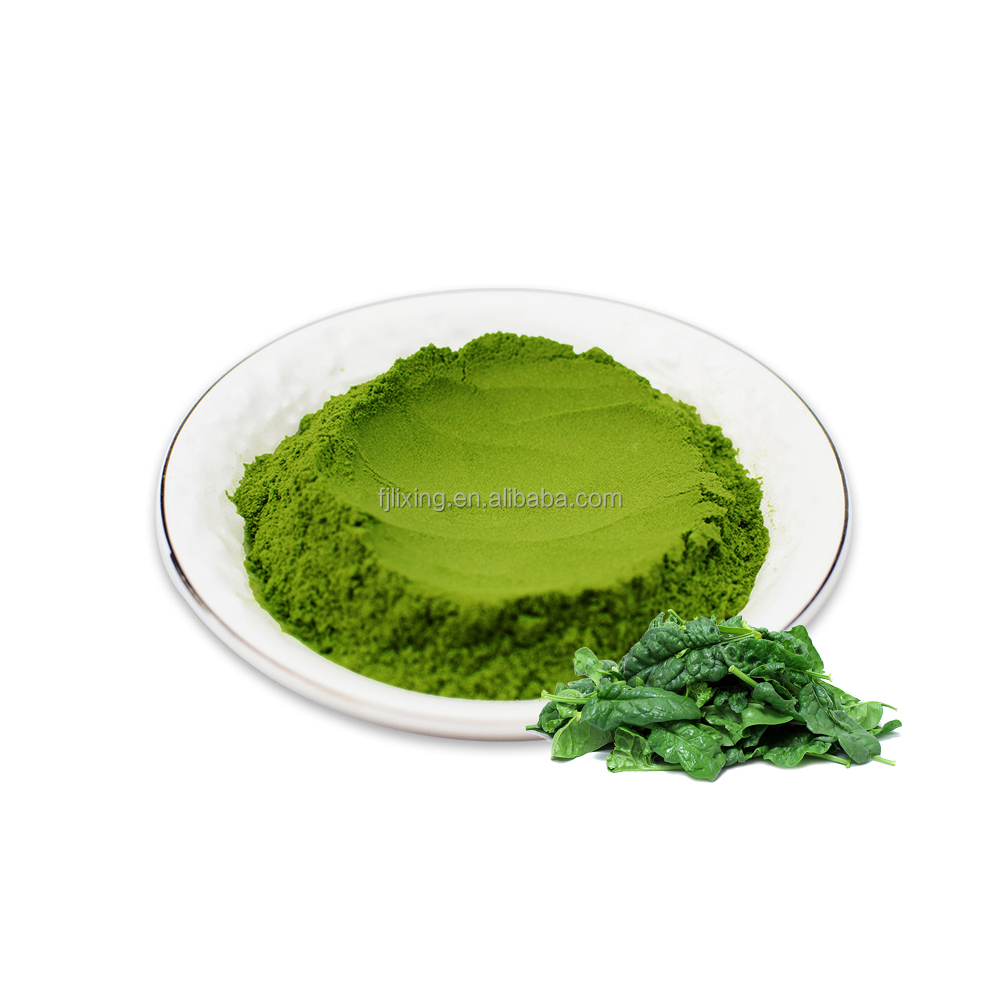
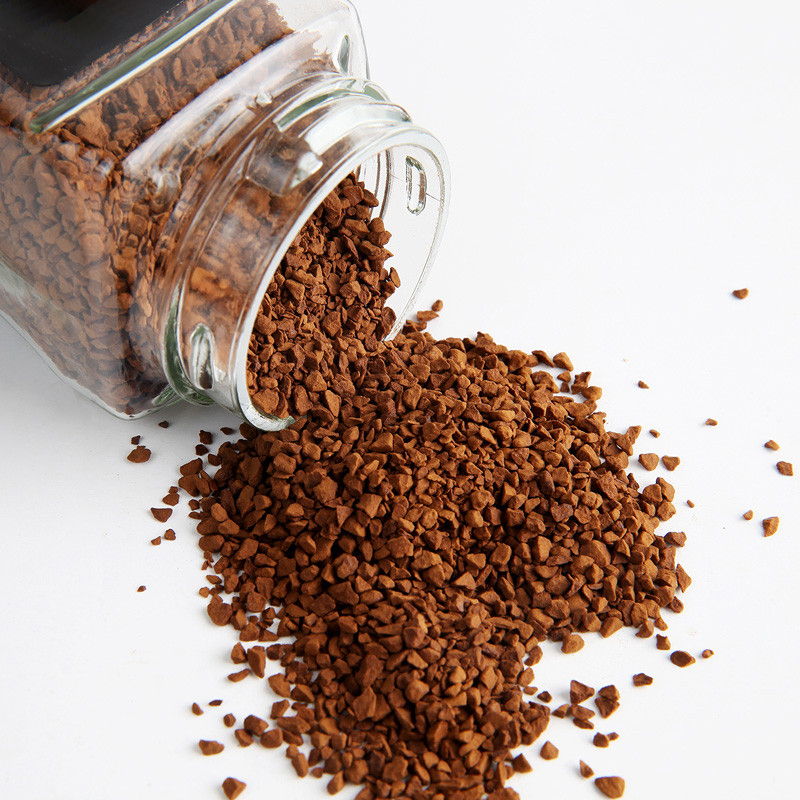
The food processing landscape in Sapporo and throughout Hokkaido represents a distinct convergence of high consumer expectations for clean labels and precise technical demands for moisture equilibrium. As Japan's premier agricultural, dairy, and confectionery cluster, Sapporo requires ingredient suppliers to adhere to rigorous food hygiene frameworks, consistent physical granulometry, and full regulatory traceability under Japan's Food Sanitation Act (Shokuhin Eisei Hō).
Apple powder—whether manufactured via cryogenic vacuum sublimation (freeze-drying) or precise evaporation atomization (spray-drying)—serves as a multi-functional ingredient across Hokkaido's food matrices. Beyond providing natural sucrose and fructose balances, apple powder contributes functional pectin for texturizing, malic acid for natural acidity regulation, and structural bulk to low-moisture baked goods. However, exporting to the Sapporo market demands strict alignment with Japanese specifications regarding residual moisture thresholds, microbial limits, and pesticide residue profiles regulated by the Ministry of Health, Labour and Welfare (MHLW) Positive List System.
Sapporo's industrial food producers require precise technical attributes tailored to specific finished-product environments:
Hokkaido produces over 50% of Japan’s milk. In yogurt, drinkable dairy bases, and Hokkaido-style cheese pastes, freeze-dried apple powder rehydrates smoothly without destabilizing milk proteins. Its balanced pH prevents acid whey separation while delivering clean, authentic fruit notes.
Sapporo is home to world-renowned Western-style bakeries (Yōgashi). In langue de chat cookies, high-fat cream sandwich fillings, and sponge cakes, apple powder delivers real fruit solids without the steam-generating moisture of purée, maintaining crisp wafer textures.
Spray-dried and instant-soluble freeze-dried apple powders serve as naturally cloudy carriers for RTD mixes, functional plant extracts, and Sapporo's emerging soup curry dry-spice packs, balancing heat with natural fruit sweetness and body.
Sourcing strategies among Hokkaido’s food enterprise procurement officers have shifted toward three key parameters:
| Analytical Parameter | Freeze-Dried (FD) Apple Powder | Spray-Dried (SD) Apple Powder | Verification Methodology |
|---|---|---|---|
| Moisture Content (%) | ≤ 3.5% | ≤ 5.0% | Karl Fischer / Vacuum Oven |
| Water Activity (aw, 25°C) | 0.15 – 0.25 | 0.20 – 0.30 | Chilled Mirror Dew Point |
| Particle Granulometry | 60 – 120 Mesh | 80 – 200 Mesh | Laser Diffraction (Malvern) |
| Total Plate Count | < 1,000 CFU/g | < 3,000 CFU/g | Petrifilm / Microplate Reader |
| Heavy Metals (Pb, As, Cd) | Strict Compliance with MHLW Standards | Strict Compliance with MHLW Standards | Atomic Absorption (AAS) / ICP-MS |
Class-100,000 automated processing prevents ambient microbiological contamination and guarantees consistent batch-to-batch hygienic compliance.
37 dedicated vacuum freeze-drying lines ensure short lead times and scalable production volume to support long-term recurring supply agreements.
Audited and verified by TÜV Rheinland with active BRCGS, ISO 22000, and HACCP certifications for seamless food-safety compliance audits.
Contact our engineering and international export department to request comprehensive COAs, technical specifications, and laboratory sample kits for evaluation.
Get a Quote