100% Organic
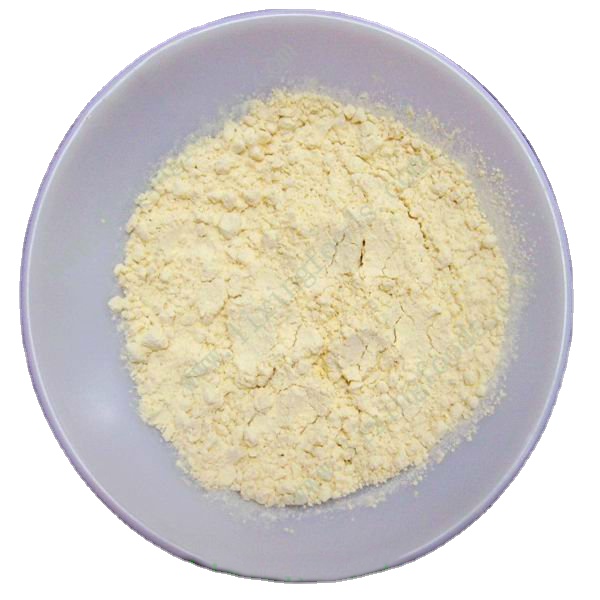
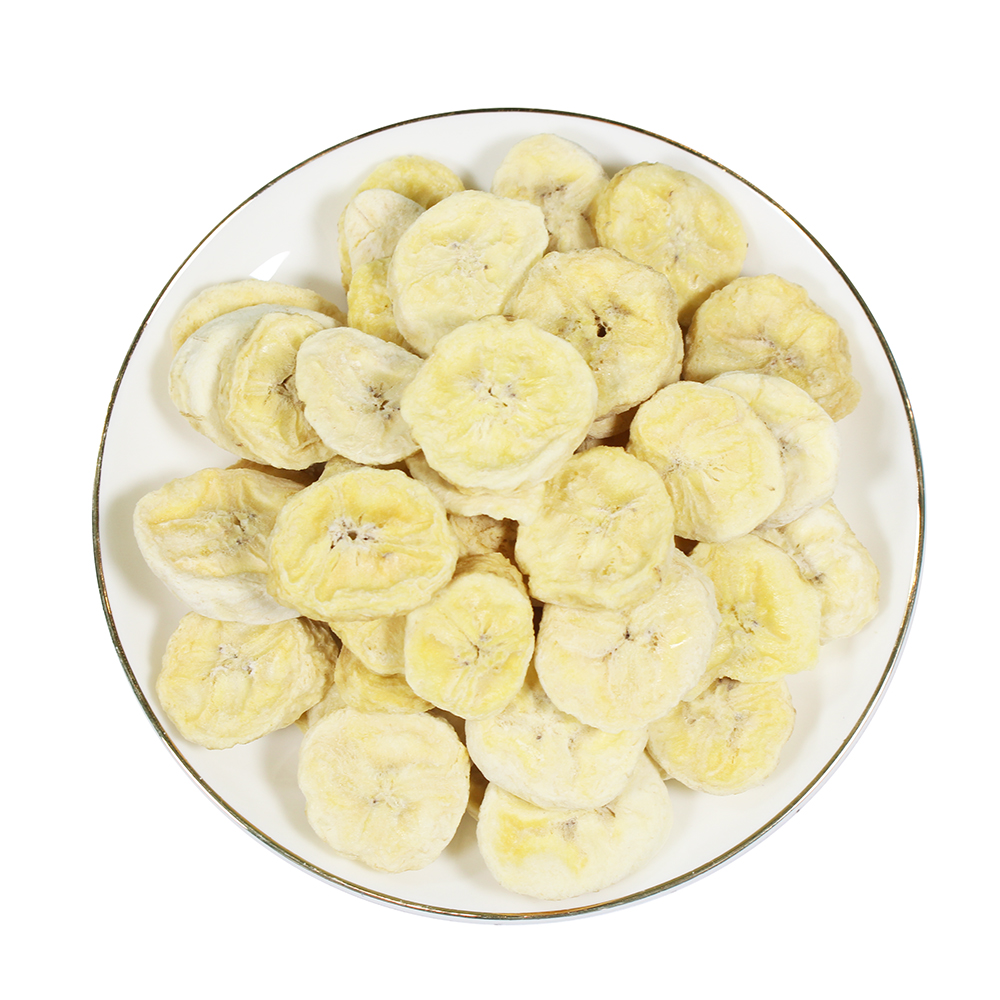
Organic Fruit Freeze Dried Banana Powder
- Mesh Size60-120 Mesh
- Moisture≤ 3.5%
- ApplicationBakery / Infant Nutrition
Technical Sourcing Guide, OEM Processing Standards, Global Supply Chain Dynamics & Verified Industrial Capacities
Explore our standardized catalog items engineered for cereal blends, functional beverages, nutraceutical formulations, and premium private-label confectionery distribution.
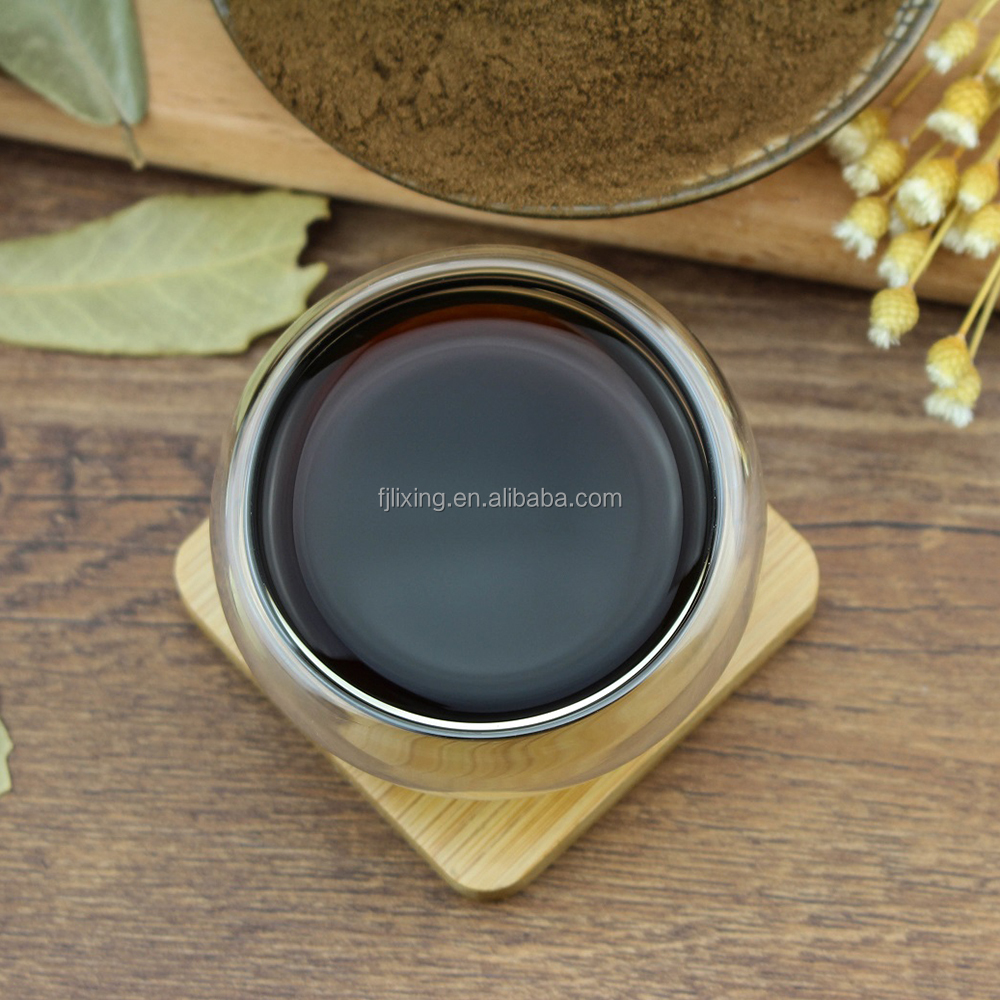
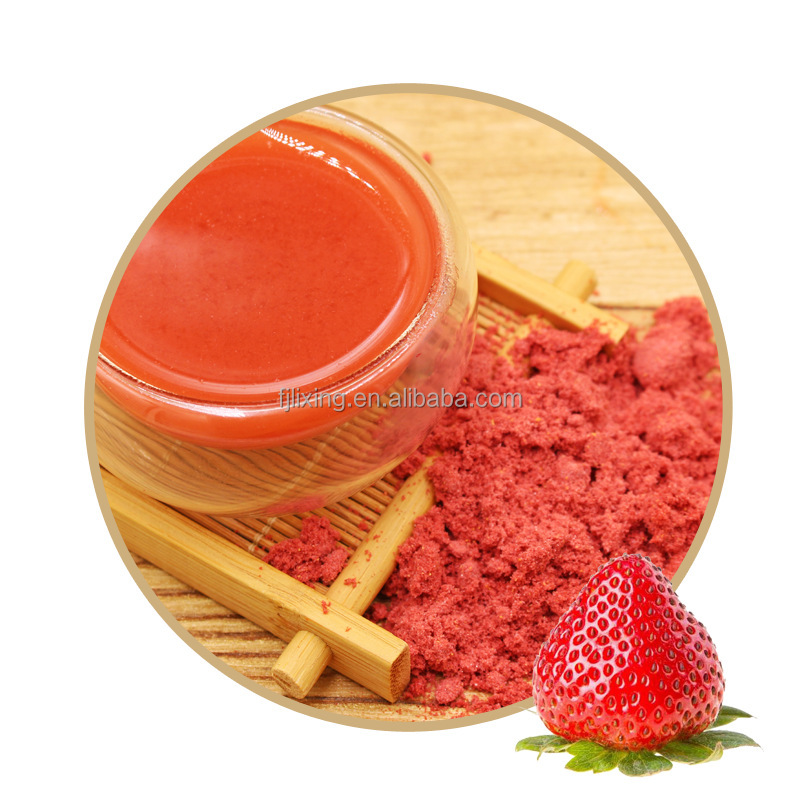
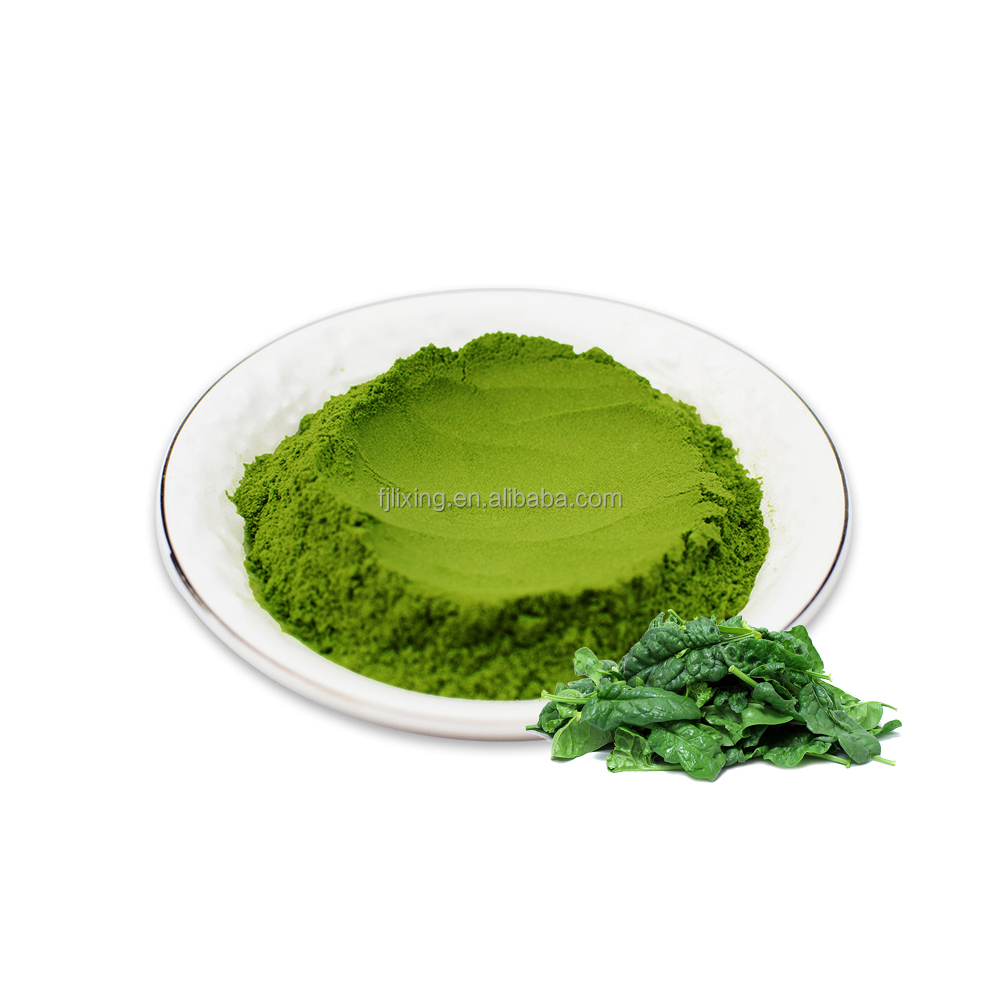
Demystifying why top-tier food formulators choose precision vacuum lyophilization over hot-air or infrared dehydration for sensitive kiwi fruit matrices.
Actinidia deliciosa and Actinidia chinensis (commonly known as green and golden kiwi) represent one of the most chemically complex fruit matrices in food processing. Kiwi is exceptionally rich in ascorbic acid (Vitamin C), heat-labile proteolytic enzymes (specifically actinidin), polyphenols, and high concentrations of natural organic acids. When subjected to standard thermal air-drying protocols (such as spray drying or drum drying), high thermal exposure inevitably triggers severe non-enzymatic browning (Maillard reaction), structural cellular collapse, total degradation of chlorophyll into dull pheophytin, and over 70% thermal degradation of bioavailable Vitamin C.
At Fujian Fynergy Foods Co., Ltd., our industrial lyophilization protocol stabilizes fresh kiwi slices through rapid cryogenic quick-freezing (-38°C to -45°C) within IQF tunnels, creating micro-crystalline ice lattice structures that maintain the exact cellular matrix of the fruit. In our primary drying phase inside high-vacuum chambers (maintained at pressures below 20-50 Pa), frozen moisture sublimates directly into vapor without passing through the liquid phase. The resulting freeze-dried kiwi slices, dices, and powders retain 96% of active bioactive components, possess a cellular sponge porosity that provides an immediate, crunchy texture, and feature instant rehydration capacity within seconds.
| Analytical Parameter | Fynergy Precision Vacuum Lyophilization | Standard Hot-Air Dehydration (AD) | Vacuum Frying (VF) / Oil Bath |
|---|---|---|---|
| Residual Moisture (± % w/w) | ≤ 3.0% - 5.0% (AW < 0.30) | 12.0% - 18.0% (AW > 0.60) | 3.0% - 6.0% (AW 0.35 - 0.45) |
| Vitamin C (Ascorbic Acid) Retention | 92% - 97% Intact | 15% - 30% (High Thermal Destruction) | 40% - 55% Degraded |
| Total Fat Content (%) | 0.0% (Pure Clean Label) | 0.0% (Clean Label) | 18.0% - 28.0% (Absorbed Oil Matrix) |
| Color & Chlorophyll Integrity | Vibrant Emerald Green / Golden Hues | Dark Brown / Oxidized Olive Drab | Altered Translucent Tone |
| Rehydration Kinetics | Instant (< 30 seconds complete capillary draw) | Sluggish (> 15-20 min in boiling water) | Hydrophobic barrier prevents rehydration |
| Preservatives & SO2 Bleaching | Strictly Zero (No Sulfur Dioxide needed) | Often requires Metabisulfite for color | Requires synthetic antioxidants (TBHQ) |
Combining over two decades of technical engineering, Class-100,000 cleanroom manufacturing, and a fully transparent quality verification ecosystem.
Spanning 62,718 m² of industrial infrastructure with over 8,000 m² dedicated exclusively to industrial vacuum freeze-drying chambers. Our continuous high-throughput setup ensures timely deliveries for Fortune 500 supply chains and seasonal fruit harvests.
Our quality management system is independently audited and verified onsite by TÜV Rheinland. We strictly comply with BRCGS Global Standard for Food Safety (Issue 9), HACCP preventive protocols, and provide Kosher and Halal certified batch runs.
Featuring liquid chromatography (HPLC), atomic absorption and atomic fluorescence spectrophotometers, automated Kjeldahl nitrogen testers, and microbiological clean benches to test every lot for pesticide residues, heavy metals, water activity, and active enzymatic profiles.
Secondary handling and multi-head packaging stations operate under Class-100,000 cleanroom hygiene environments with active RH control under 30% to prevent hygroscopic re-absorption, ensuring crispness and shelf-stability up to 24 months.
In strategic collaboration with premier agricultural research universities and food science academies, our engineering teams possess 41 utility patents, driving innovation in crispness preservation, low-temperature flavor extraction, and instant soluble fruit powders.
From custom laser cut thicknesses (3mm to 10mm kiwi slices, 5mm dices, micro-mesh powders) to functional blend integrations, barrier bag printing, retail pillow packs, canister fills, and master cartons with complete customs compliance documentation.
Anticipate supply shifts, consumer health drivers, regulatory milestones, and raw material cost dynamics spanning 2025 to 2030.
Procurement directors are increasingly seeking custom co-freeze-dried agglomerates. Kiwi is celebrated for its natural dietary fiber and actinidin digestive enzymes. Brands are pairing freeze-dried kiwi powder with symbiotic Greek yogurt cultures, kefir crumbles, and green superfood powders to capture high-growth functional gut-health categories without synthetic additives.
Global regulatory bodies across the EU (EFSA) and North America (FDA) have tightened enforcement on residual sulfur dioxide (SO2) allergen declarations. Buyers are moving away from air-dried preserved kiwi toward 100% vacuum-lyophilized kiwi that relies purely on cryogenic moisture reduction for microbial stability, backed by QR-code enabled lot-level farm provenance tracking.
Given the susceptibility of Actinidia crops to climate anomalies, trusted industrial processors maintain diversified contract farming bases across Fujian, Sichuan, and Shaanxi provinces. Procurement leaders are increasingly locking in 12-month annual master service agreements (MSAs) with indexed pricing models to hedge against raw fruit price volatility and oceanic shipping fluctuations.
Continuous drying chambers, smart microwave-assisted lyophilization, and digital vacuum profiling are revolutionizing throughput economics.
Traditional conductive lyophilization requires extensive cycle durations (often 18 to 28 hours per sublimation batch). Advanced research initiatives within our pilot labs utilize controlled microwave energy in deep vacuum, providing volumetric heat directly to frozen cores, cutting drying durations by up to 40% while preserving color, texture, and enzymatic vitality.
To eliminate under-dried or heat-stressed over-dried batches, modern freeze-drying chambers are adopting Tunable Diode Laser Absorption Spectroscopy (TDLAS) along with mass spectrometers. Real-time water vapor flux tracking determines the exact millisecond sublimation completes, preserving cellular integrity and cutting energy expenditure.
Moisture is the critical failure point for lyophilized foods (water activity must stay < 0.30 to avoid glass transition collapse). The industry is rapidly adopting EVOH-barrier recyclable mono-PE or mono-PP flexible packaging pouches, satisfying corporate sustainable packaging mandates without compromising the 24-month crisp shelf life.
Addressing core technical specifications, regulatory clearances, logistics protocols, and production variables.
Standard production runs for customized cut profiles (e.g., 3-5mm cross-cut circular slices, 5x5x5mm dices, or 80-mesh powder) typically start at 500 kg to 1,000 kg depending on seasonal fruit availability. For catalog inventory items, trial quantities as low as 100 kg can be coordinated for initial QA and pilot retail validation.
Due to its high concentration of natural fructose and citric acid, freeze-dried kiwi is naturally hygroscopic. Our processing centers maintain a strict Class-100,000 cleanroom condition with relative humidity strictly governed under 30% RH during slicing, sorting, and packaging. Bulk items are sealed in multi-layer aluminum foil barrier liners inside double-corrugated export cartons with food-grade desiccant packets.
Every commercial delivery includes a comprehensive Certificate of Analysis (COA) issued by our accredited laboratory detailing residual moisture percentage, microbial enumeration (Total Aerobic Plate Count < 10,000 CFU/g, Coliforms, Yeast & Mold < 100 CFU/g, Salmonella, E. Coli, Listeria undetected), heavy metal testing (Lead, Arsenic, Cadmium), and pesticide residue screens conforming to USDA/EU MRL standards.
Yes. Beyond bulk raw ingredient shipments to cereal and snack manufacturers, we offer full-service OEM/ODM private labeling. This covers stand-up barrier pouches (doypack with resealable zippers), nitrogen flushing to ensure residual O2 < 1.5%, nitrogen-sealed PET composite cans, individual single-serve sachets, and retail display outer shippers.
Yes. We process both conventional emerald green kiwi (famed for its tangy acidity and vibrant look in bakery/cereal blends) and golden kiwi (prized for higher Brix sweetness, lower tartness, and tropical flavor profile). Formulators can specify peel-on or peel-removed raw preparation protocols based on dietary fiber targets.
For standard FCL orders (40ft High Cube containers generally accommodate 4 to 6 metric tons of bulk freeze-dried fruit due to low bulk volumetric density), typical lead times are 20 to 30 calendar days from formal purchase order approval and packaging artwork sign-off. Spot orders on standard inventory powders or slices can dispatch within 7 to 10 days.
Connect directly with our senior food scientists and export engineers. Receive comprehensive product technical data sheets (TDS), safety data profiles, customized cut samples, and transparent volume tiered pricing within 24 business hours.