Extract & Powder
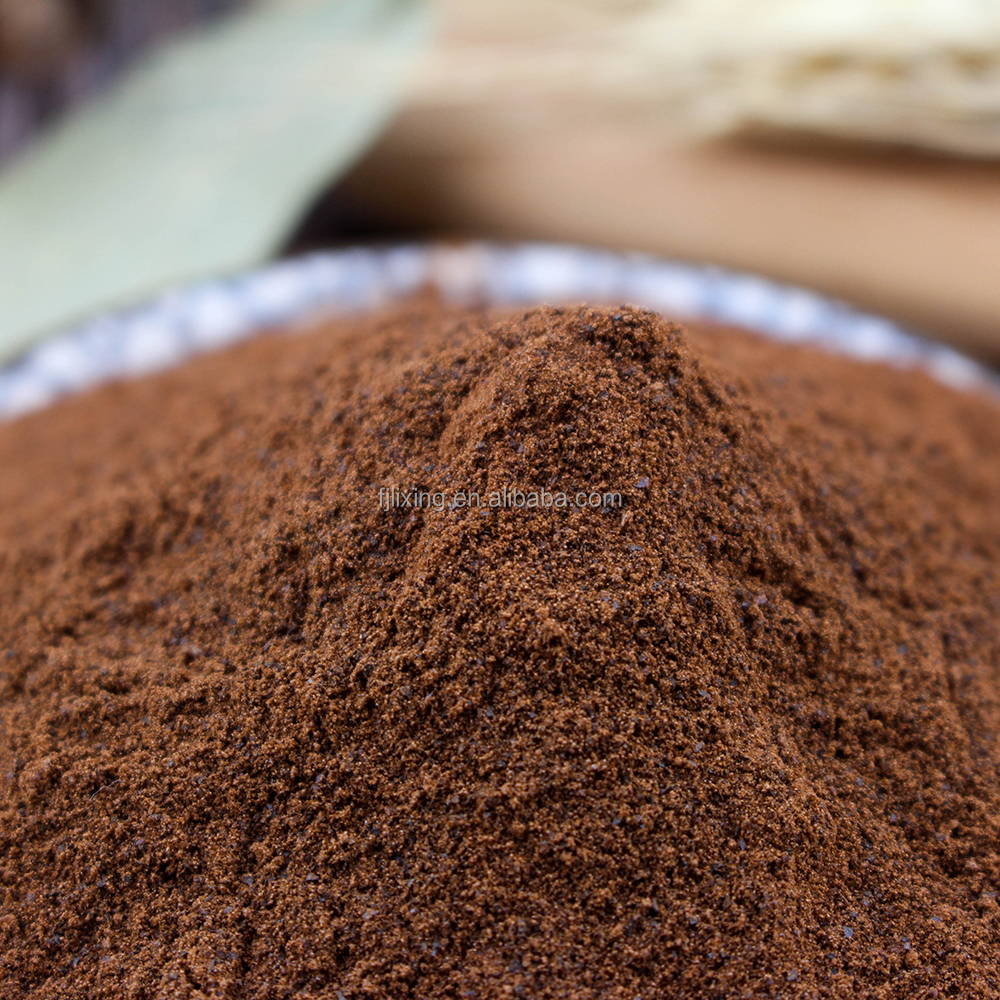
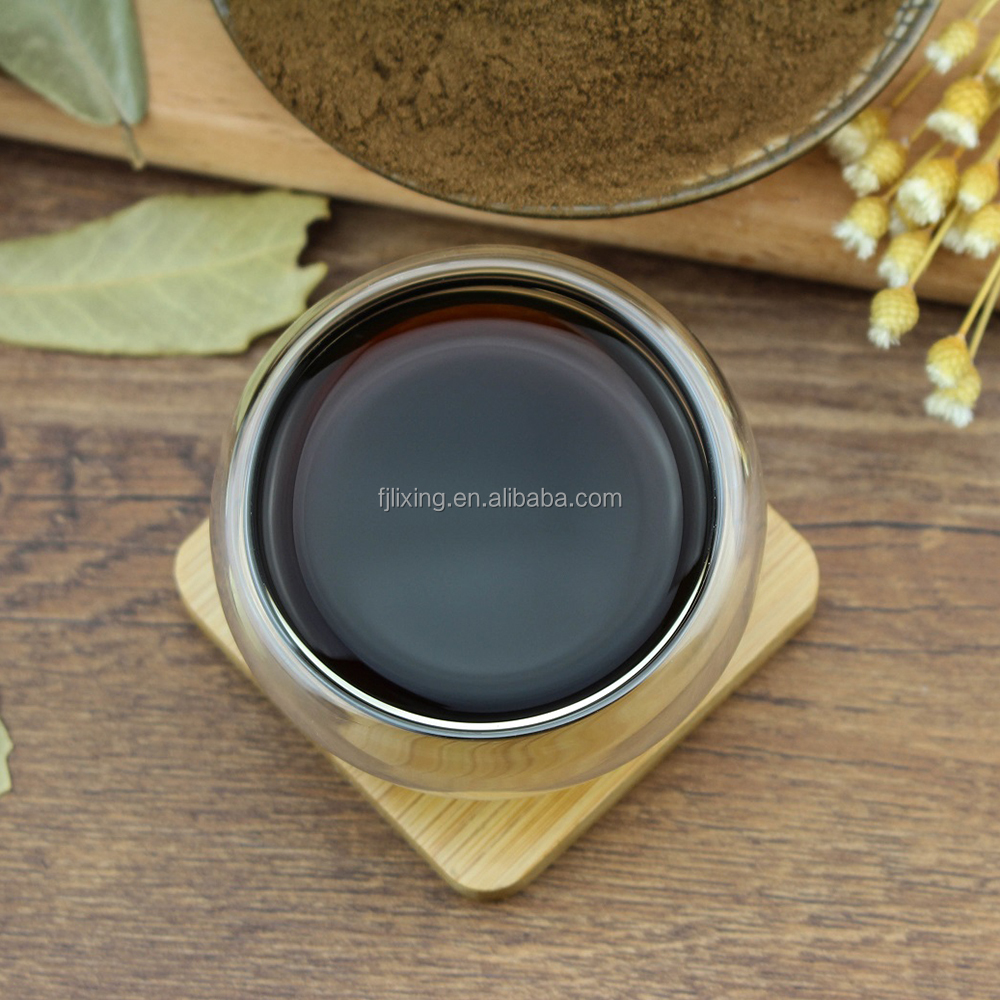
Customized Or Bulk Spray Dried Puer Tea Powder
ApplicationBeverage & Premix
FormatFine Soluble Powder
Manufactured under Grade-A sterile dehydration chambers. Every batch guarantees preserved cellular architecture, low water activity (Aw < 0.25), and zero enzymatic degradation.
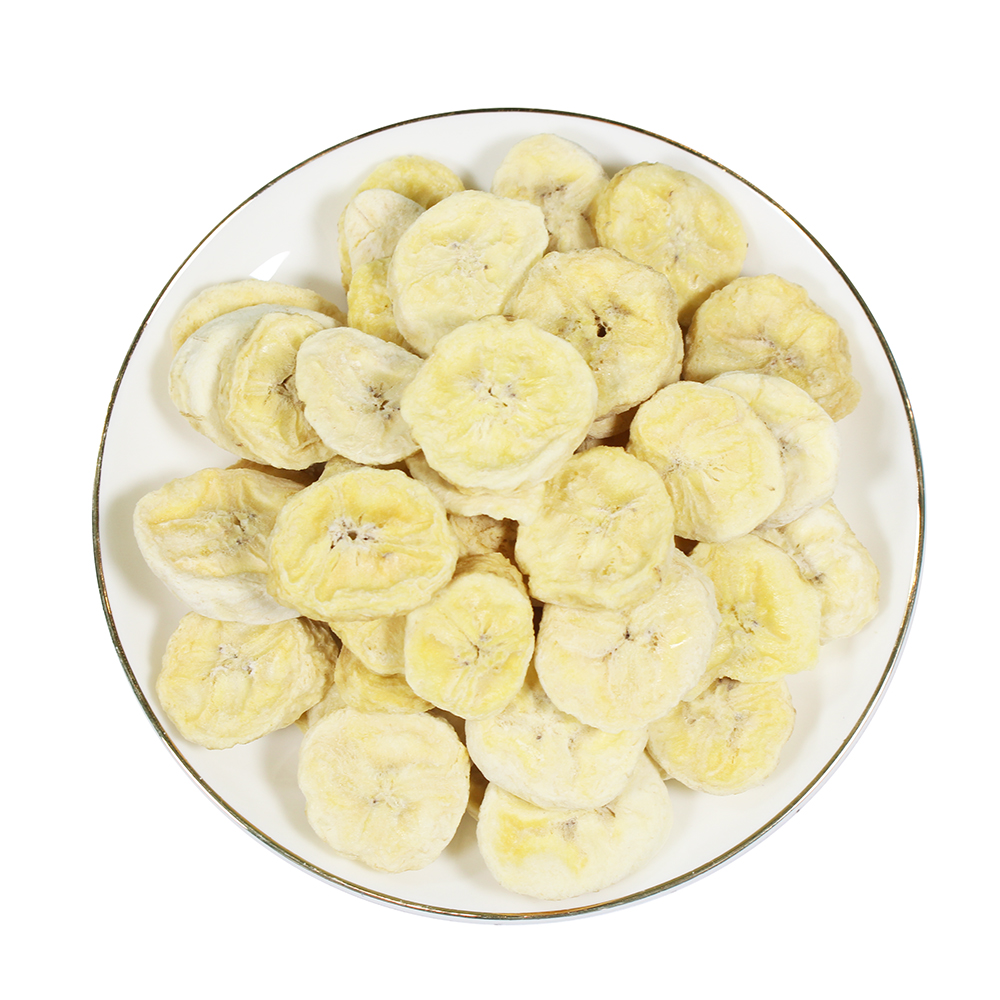
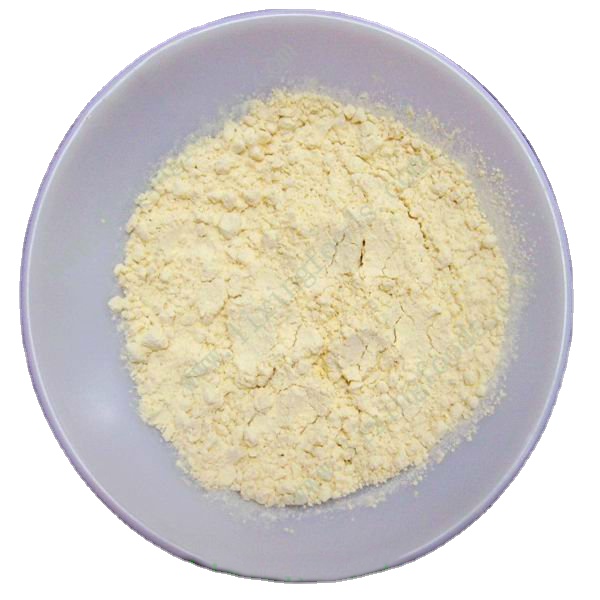
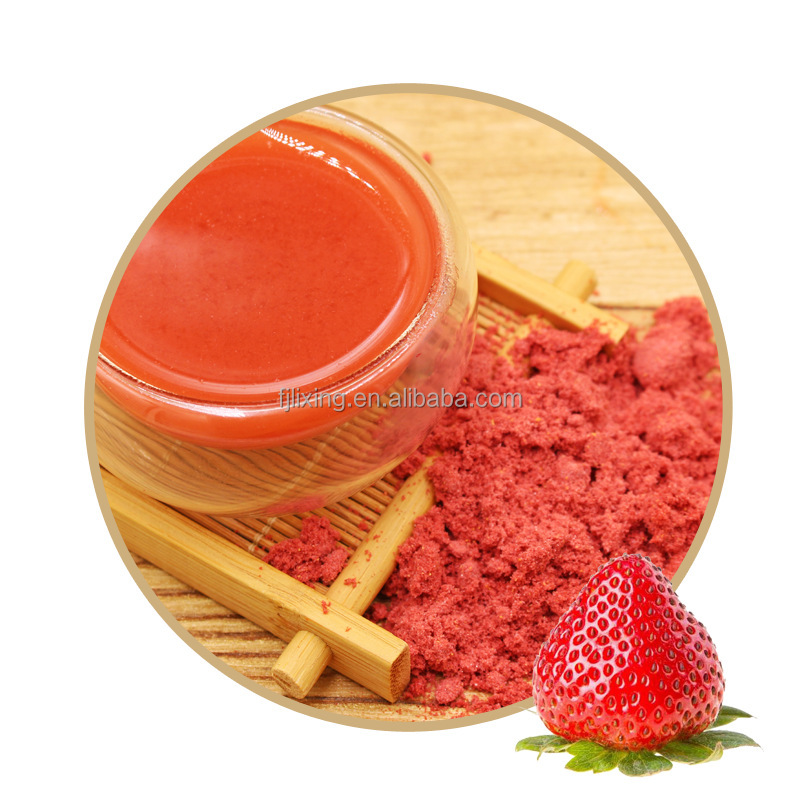
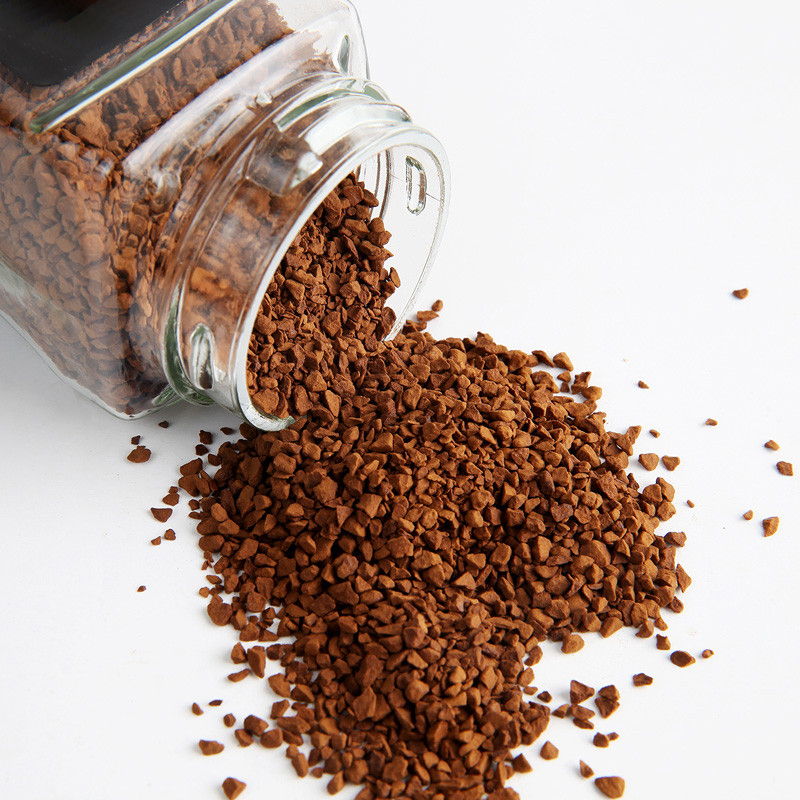
Modern food formulators face increasing pressure to eliminate artificial tomato pastes, MSG, and synthetic colors while ensuring batch-to-batch color stability and umami depth. Here is how our production infrastructure solves global sourcing vulnerabilities.
Tomato cellular tissue is uniquely hygroscopic and vulnerable to oxidation once moisture drops below 4%. Our sublimation unloading, crushing, sieving, and primary nitrogen-flushed packing take place in hermetically sealed, HEPA-filtered cleanrooms guaranteeing zero airborne pathogens, yeast, or mold contamination.
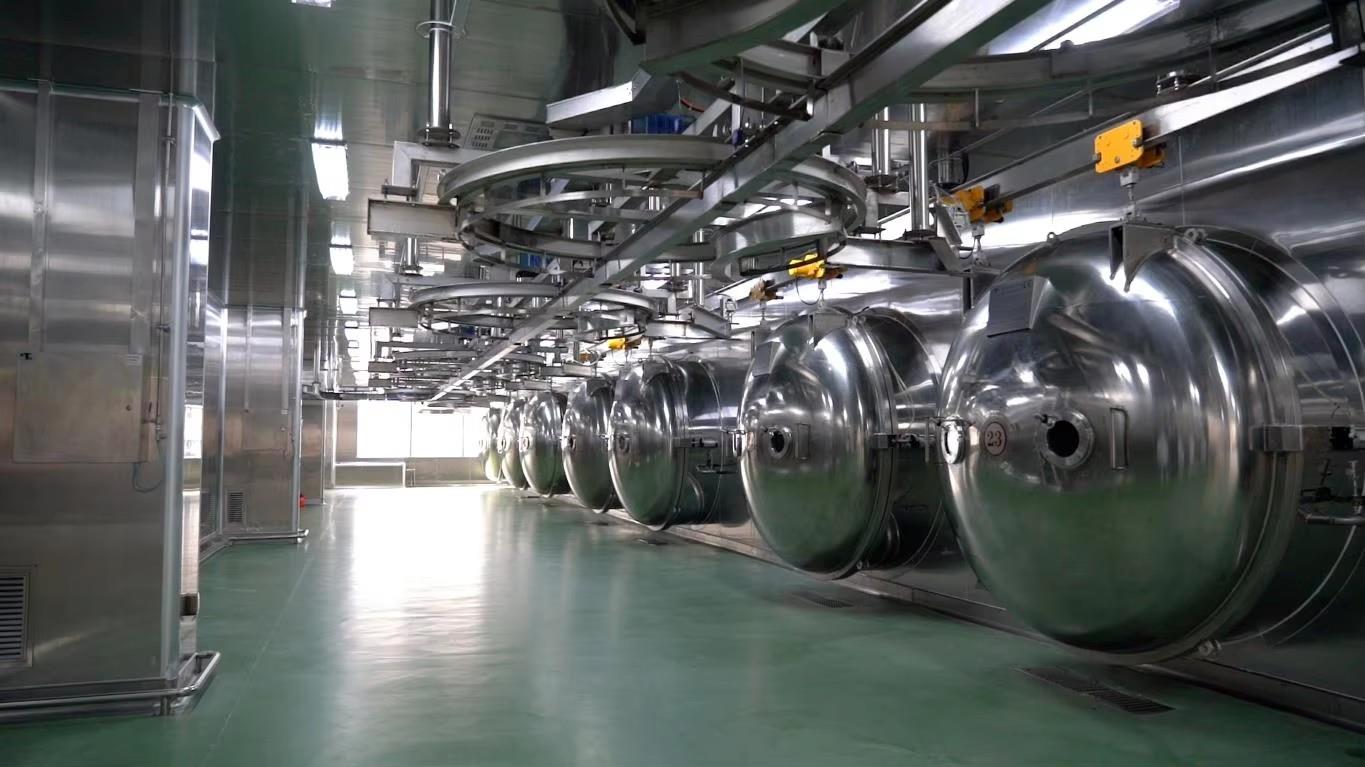
Unlike thermal spray drying or rotary drum dehydration which subjects tomato pulp to temperatures above 85°C (destroying natural Vitamin C and degrading trans-lycopene into oxidized isomers), our cryogenic deep-freeze (-40°C) and controlled high-vacuum sublimation process preserves tomato biological integrity, original color, and bio-available antioxidants.
From coarse cut flakes (3x3mm, 6x6mm, 9x9mm) engineered for instant gourmet soups and premium ramen toppings, to ultra-fine 100-mesh tomato powder designed for instant solubility in dry seasoning rubs and infant nutritional purees, our proprietary air-classifier mills deliver tight particle size distribution.
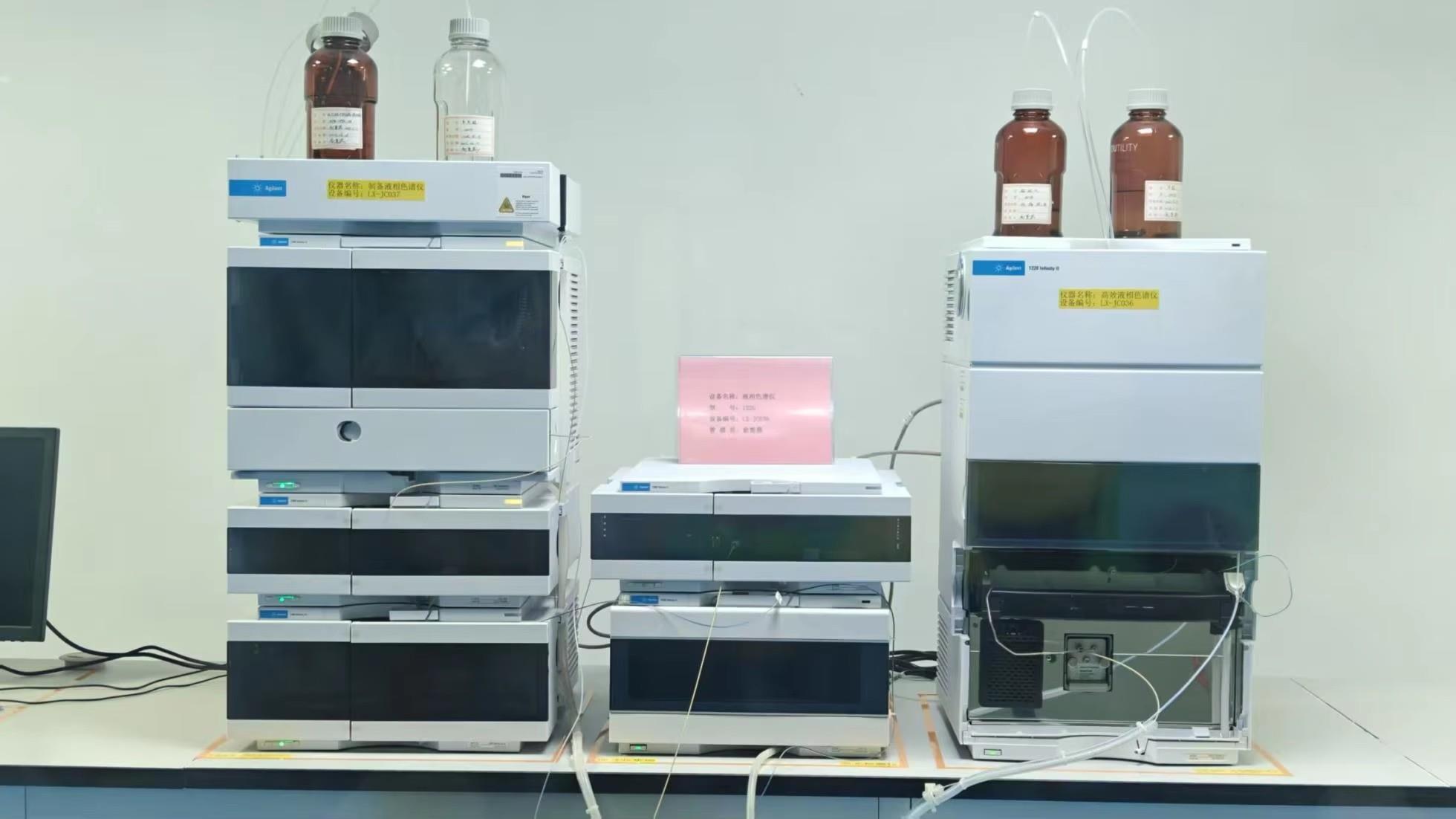
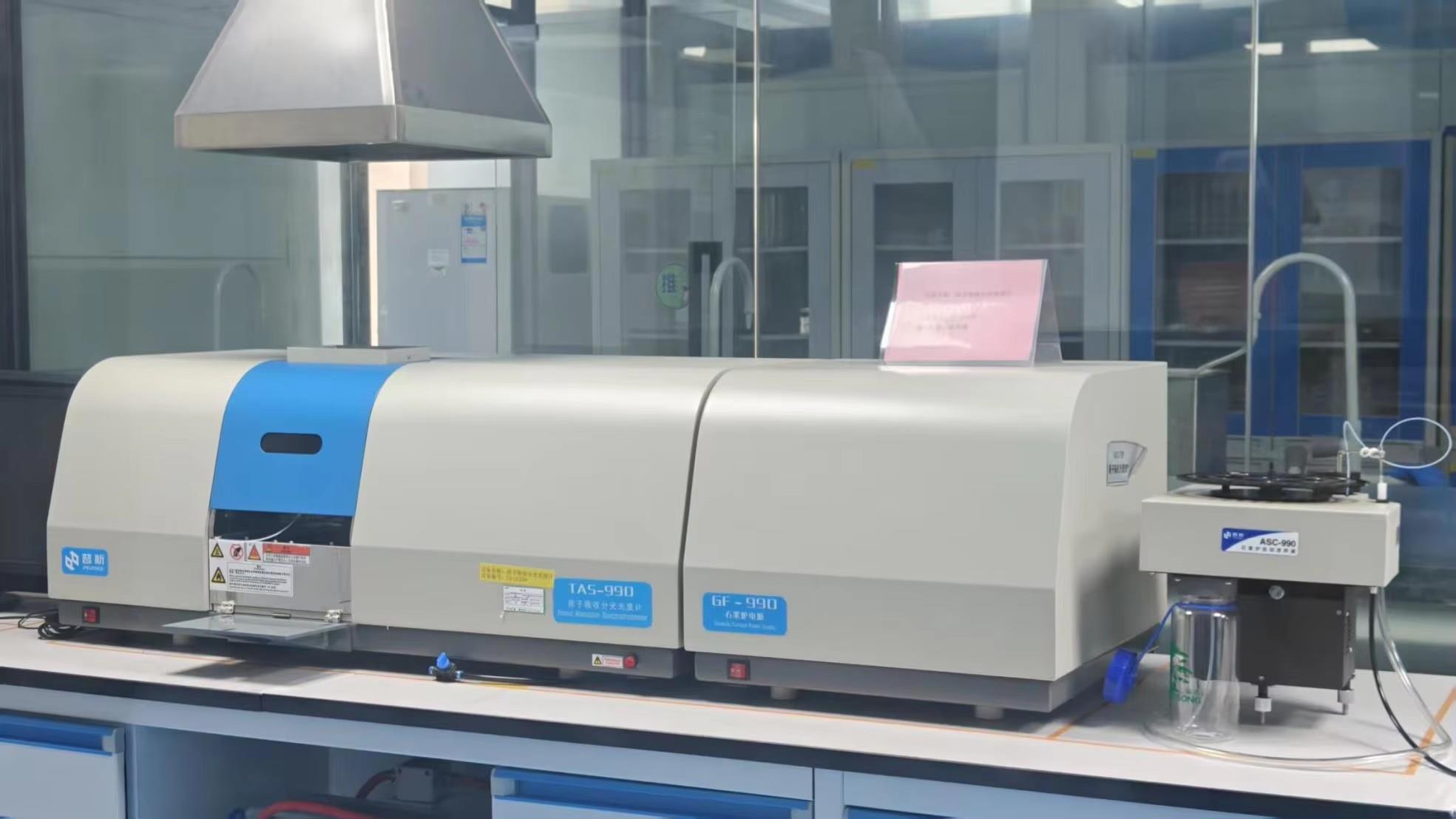
Our analytical QA lab features Liquid Chromatography (HPLC), Atomic Absorption Spectrophotometers, and Automated Kjeldahl nitrogen analyzers. Every tomato production lot is certified with rigorous COAs covering heavy metals (Pb, As, Cd, Hg), organophosphate pesticide residues, total plate count, and moisture equilibrium (≤4.0%).
We hold active Global Standard for Food Safety (BRCGS Grade AA), HACCP, and ISO 22000 credentials, audited on-site by TÜV Rheinland. Selected production lines operate under verified Halal and Kosher supervisory certifications, ensuring smooth customs release into North America, the European Union, Japan, and the GCC.
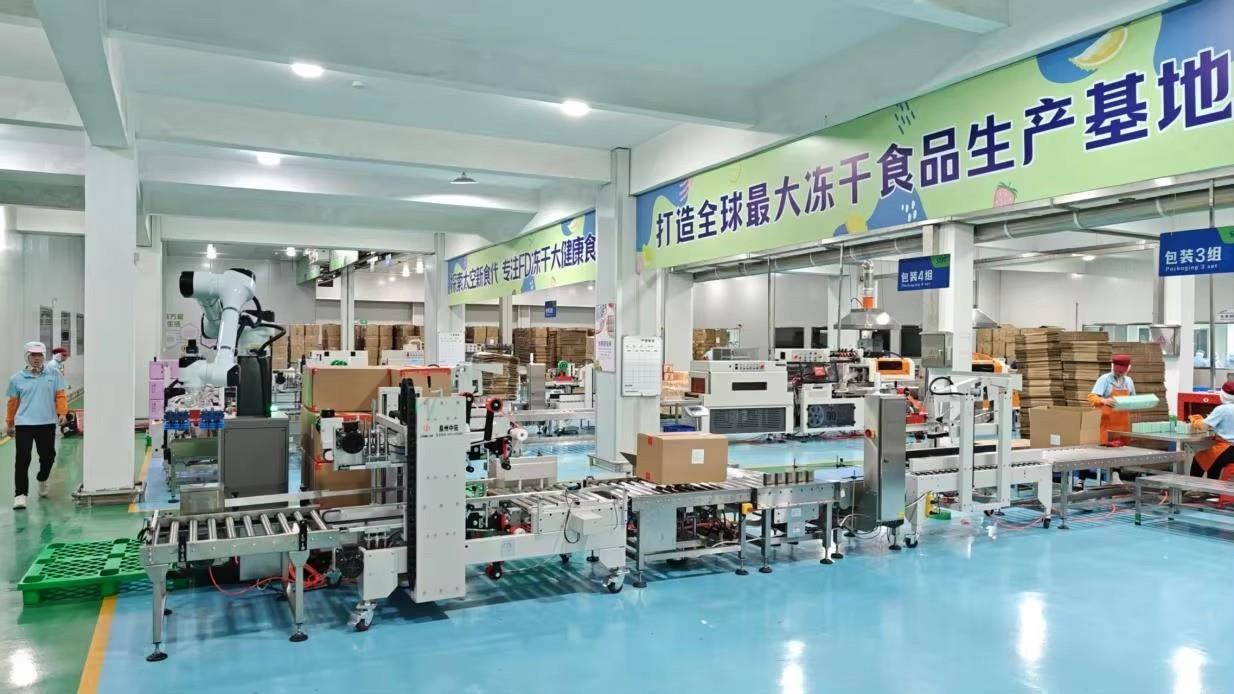
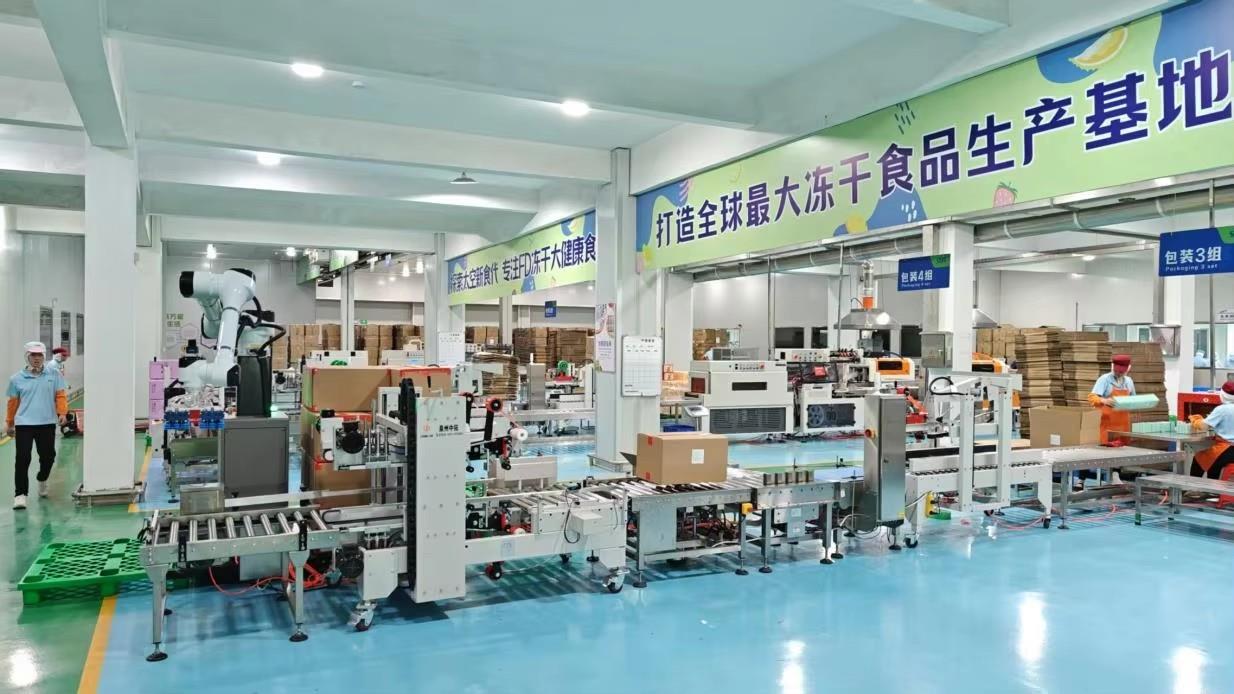
Whether you require 15kg double-polylined heavy-duty corrugated export cartons for factory reconstitution or bespoke barrier retail pouches (aluminum foil, metallized PET, nitrogen-gas-flushed sachets) printed with client private-label artwork, our automated rotary pouch lines handle high throughput without bottlenecking delivery schedules.
Understanding the cellular physics of water removal is critical for research chefs, industrial food scientists, and procurement heads looking to optimize cost-in-use and shelf appeal.
| Evaluation Parameter | Vacuum Freeze-Dried Tomato (Fynergy FD) | Hot-Air Dehydrated Tomato (AD) | Spray-Dried Tomato Paste Powder |
|---|---|---|---|
| Operating Temperature | Sub-zero (-35°C to +35°C under vacuum) | Thermal Exposure (65°C to 85°C) | Severe Thermal Heat (150°C to 200°C) |
| Lycopene & Antioxidant Retention | > 96% Bioactive Trans-Lycopene Intact | 40% - 60% (Significant Heat Oxidation) | 30% - 50% (Degraded, Dull Red-Brown) |
| Cellular Architecture & Rehydration | Porous Sponge Matrix; Instant (< 15s) | Shriveled, Case-Hardened; Slow (5-15 min) | High hygroscopic caking; lumps readily |
| Natural Umami (Free Glutamic Acid) | 100% Retained (Rich, Savory Tomato Depth) | Partially Burnt/Cooked Taste Notes | Flat profile; typically requires added MSG/salt |
| Carrier / Flow Agent Requirement | 0% Additives (100% Pure Tomato Soluble) | Often contains sulfur dioxide or anti-caking | Requires 20%–45% Maltodextrin / Starch |
| Final Moisture & Water Activity (Aw) | Moisture ≤ 3.5%; Aw < 0.22 | Moisture 6%–10%; Aw > 0.45 | Moisture 4%–6%; Highly unstable |
As international consumer packaged goods (CPG) brands transition away from artificial stabilizers and preservatives, tomato ingredients are undergoing radical evolution across three distinct industrial vectors.
Global regulators and health-conscious shoppers are demanding clean labels free from synthetic flavor enhancers like monosodium glutamate (E621), hydrolyzed vegetable protein (HVP), and autolyzed yeast extract. Freeze-dried tomato powder naturally contains up to 2.8g of naturally occurring glutamic acid per 100g of dry matter. Formulators in snack seasoning, plant-based meats, and premix soups are utilizing FD tomato as a 100% natural, clean-label flavor modulator and salt-reduction enhancer.
Conventional canned tomato paste is composed of 70% to 75% water weight. Given unpredictable global maritime freight rates and cold-chain disruptions, shipping heavy, water-laden drums incurs enormous logistical overhead and carbon emissions. Premium freeze-dried tomato flakes and micro-powders represent a 1:14 concentration ratio: 1 ton of freeze-dried tomato powder reconstitutes into 14 tons of culinary tomato base, drastically lowering container freight footprints, storage costs, and warehousing spoilage risks.
The explosive rise of rapid-cook ready-to-eat (RTE) meal kits, gourmet instant noodles, and outdoor survival rations requires vegetable pieces that rehydrate instantly upon contact with boiling water without residual tough skins or rubbery cores. Our optimized freeze-drying vacuum cycle preserves the tomato vascular system, enabling reconstitution in less than 20 seconds with identical mouthfeel, aromatic acidity, and aesthetic vibrancy to freshly diced ripe tomatoes.
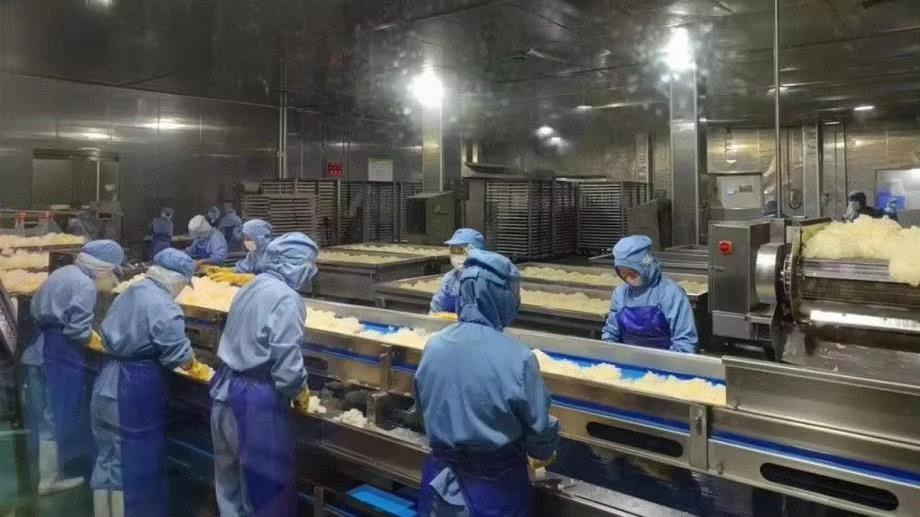
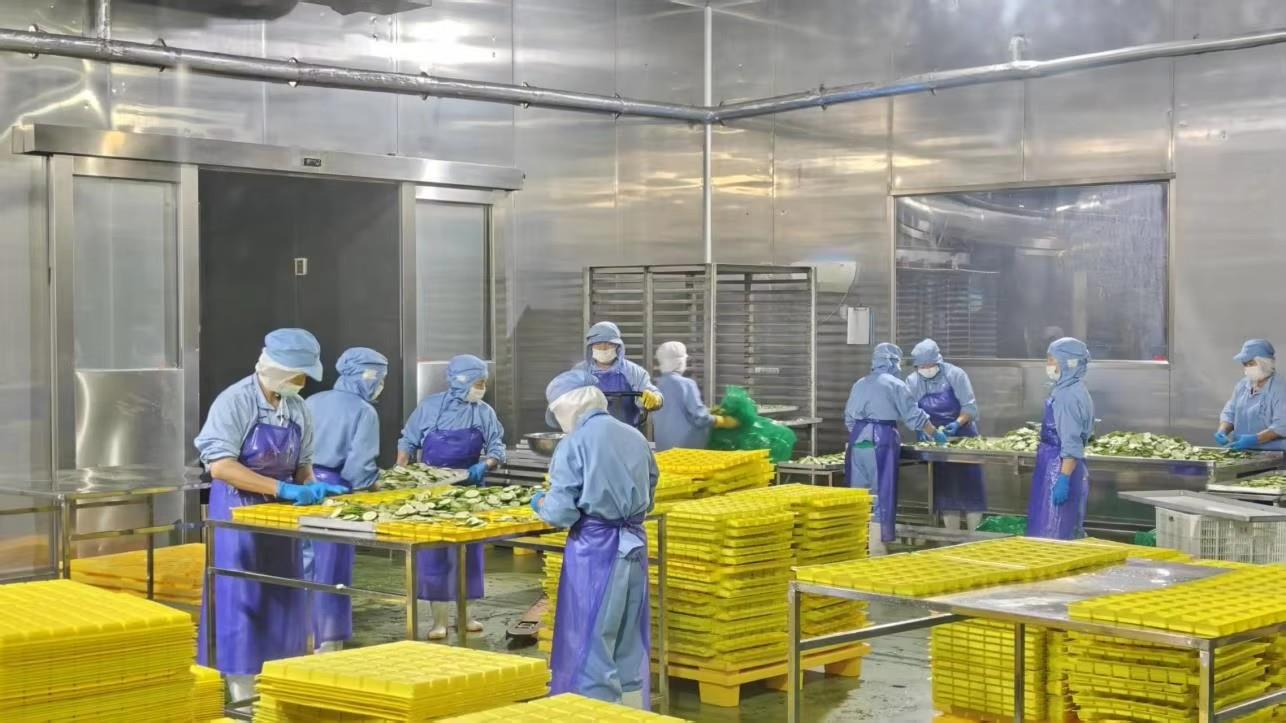
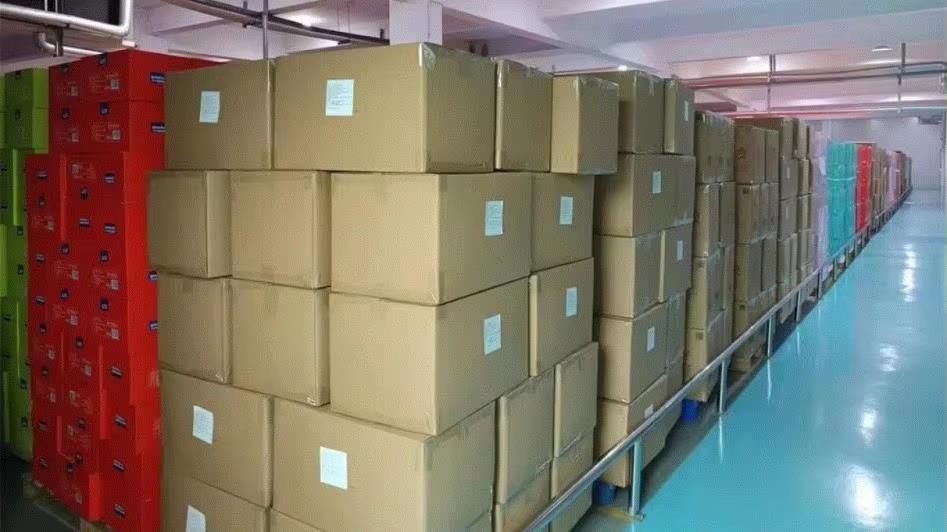
Inside our 62,718 m² manufacturing headquarters in Zhangzhou, Fujian. Take a direct view into our certified lyophilization workflows and multi-stage testing checkpoints.
Direct technical answers to common queries submitted by corporate procurement directors, food scientists, and import distributors.
We supply freeze-dried tomato across four standardized physical formats: (1) Whole / Halved Cherry Tomatoes; (2) Diced cubes / flakes in 3x3mm, 6x6mm, and 10x10mm mesh-sieved cuts; (3) Granular crushed crumbles (10-30 mesh) ideal for spice blends; and (4) Ultra-fine 80-120 mesh water-soluble powders for sauces, soups, and extruded snacks. Bespoke cut-dimensions and skinless/seedless variants can be customized upon request.
Natural tomato powder contains fructose and glucose, giving it a low glass transition temperature (Tg) that readily attracts ambient atmospheric moisture. We mitigate this through: (a) sub-zero sublimation ensuring ultimate residual moisture ≤ 3.5%; (b) grinding and packaging inside humidity-controlled environments kept below 25% relative humidity (RH); and (c) heavy-duty aluminum composite hermetic packaging with medical-grade desiccant pouches. This achieves a free-flowing 100% pure ingredient with zero added silicon dioxide or maltodextrin.
For standard bulk cartons (10kg-15kg food-grade double PE liner bags within corrugated outer cartons), our standard trial MOQ starts at 300kg to 500kg. For customized private label retail bags (nitro-flushed stand-up barrier pouches), production MOQs generally start at 10,000 to 30,000 units depending on pouch dimension. Spot orders ship within 7–10 days; customized full container loads (20ft / 40ft HQ) average a 20–25 day production cycle from deposit confirmation.
Every commercial export batch is accompanied by a Certificate of Analysis (COA) detailing physical, chemical, and microbiological counts (Aerobic Plate Count < 10,000 CFU/g, Coliforms < 30 CFU/g, Salmonella Negative/25g, Yeast/Mold < 50 CFU/g). Additional documentation provided includes Phytosanitary Certificates issued by China Customs (GACC), Non-GMO Declarations, Allergen Statements, and third-party testing reports (SGS / Eurofins) for heavy metals and multi-residue pesticide panels upon agreement.
Yes. We regularly supply verified corporate buyers, ingredient distributors, and R&D food labs with 100g to 500g analytical evaluation samples together with complete technical data sheets (TDS) and nutritional breakdowns. Express international courier dispatch (DHL / FedEx) is arranged within 48 to 72 hours of receiving your formulation profile and specification requirements.