Recommended Wholesale & Custom Freeze-Dried Portfolio
Direct-from-factory production lines: whole fruits, micro-dices, soluble powders, and functional extracts manufactured under strict pharmaceutical-grade freeze-drying parameters.
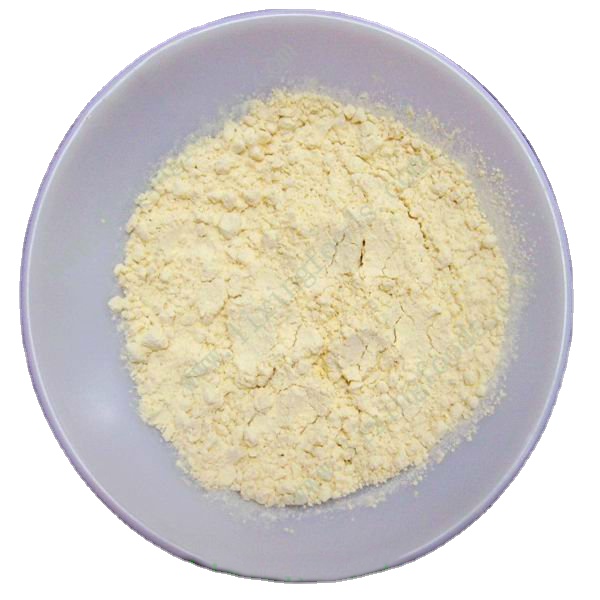
Organic Fruit Freeze Dried Banana Powder
- Mesh Size: 80–120 Mesh
- Moisture: ≤ 3.0%
- Application: Baby Food & Smoothies
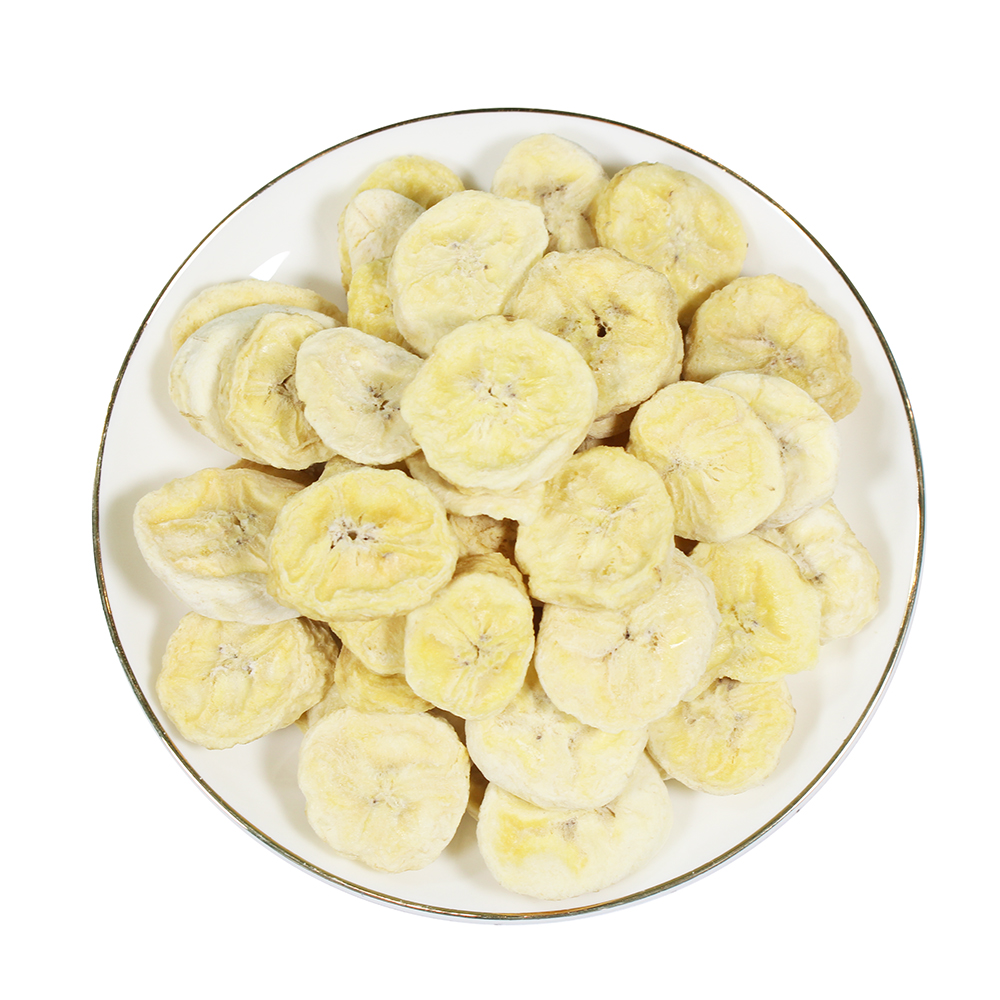
OEM Selling Freeze Dried Organic Banana Bulk Chips
- Cut Profile: Round / Diagonal Slice
- Texture: Crisp, Airy Cellular
- Shelf Life: 24 Months Barrier
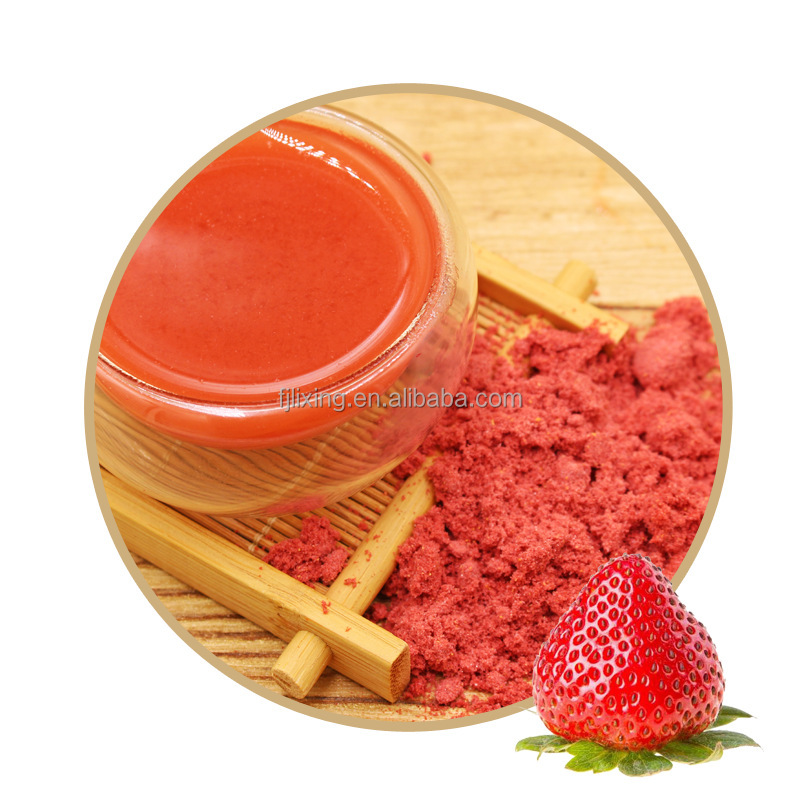
High Quality Wholesale Freeze Dried Strawberry Powder
- Color: Intense Natural Ruby
- Solubility: Instant Rehydration
- Additives: 100% Pure, Zero Sugar
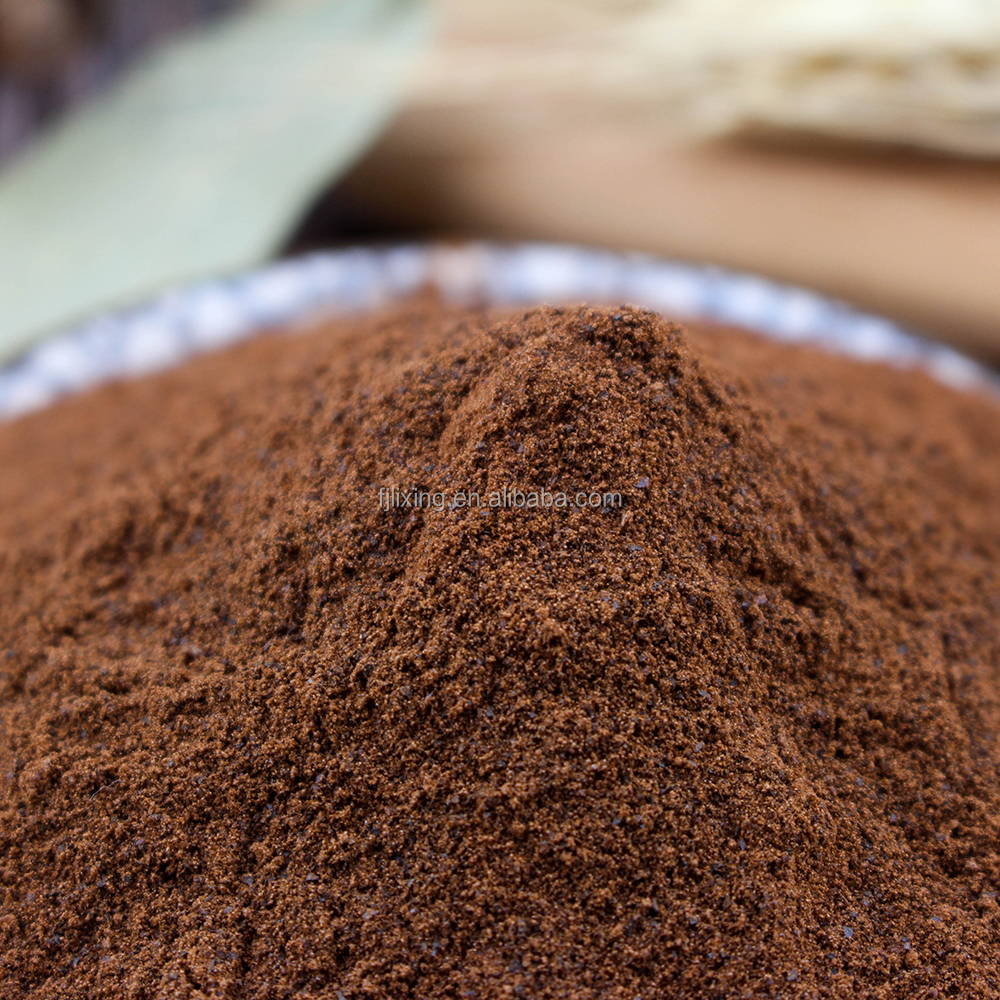
Customized Or Bulk Spray Dried Puer Tea Powder
- Polyphenols: Standardized Content
- Processing: Cold-Water Soluble
- Packaging: Food-Grade Drum/Bag
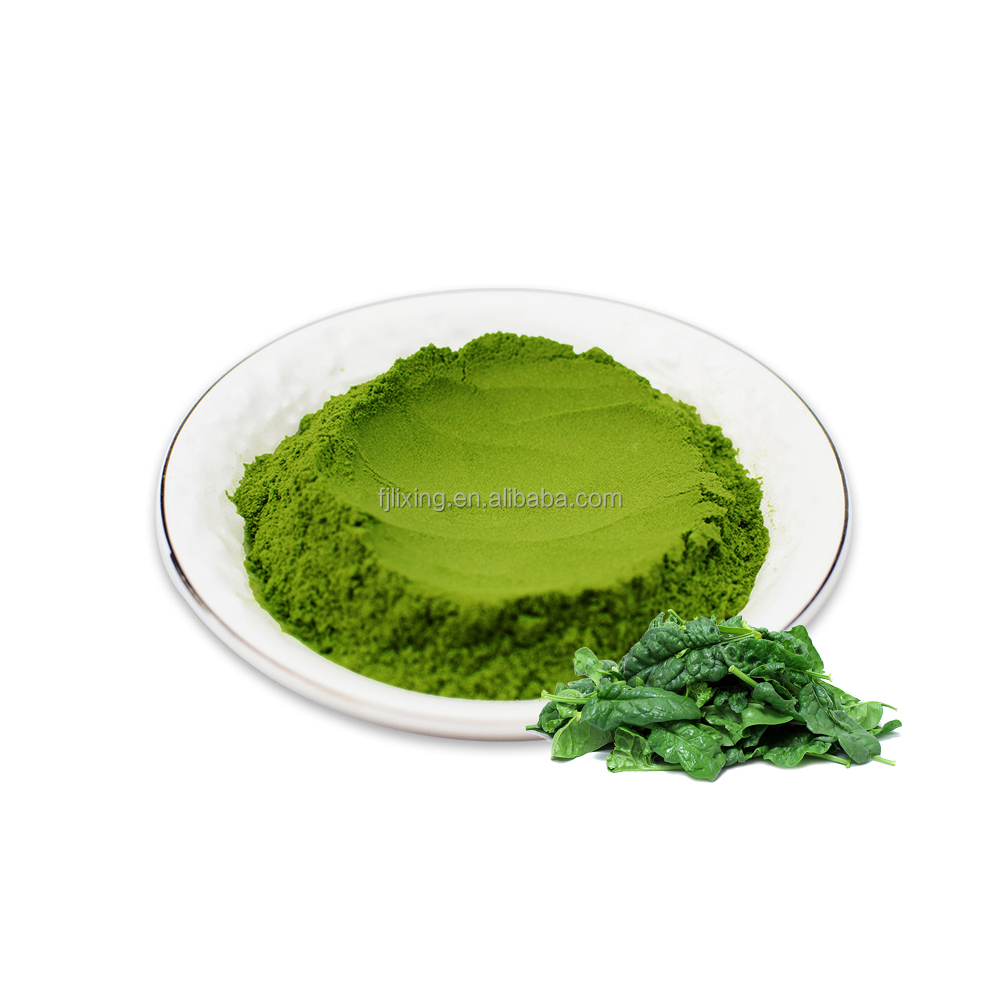
China Freeze Dried Fd Spinach Vegetable Powder
- Chlorophyll: Maximum Retention
- Residual Aw: ≤ 0.22
- Grade: Clean-Label Nutritional
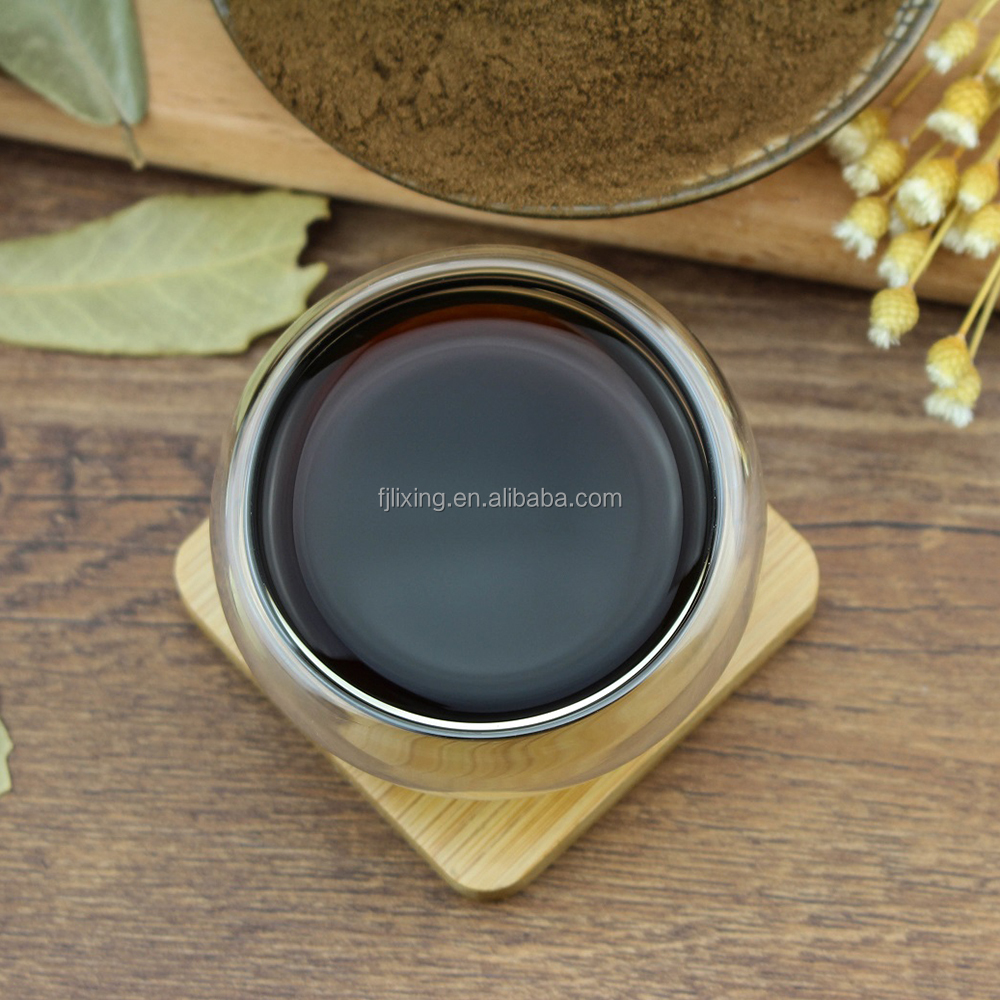
Factory Supply Dried Mesona Chinensis Powder
- Extraction: Aqueous Concentration
- Purity: 100% Herbal Extract
- Standard: EU/FDA Food Grade
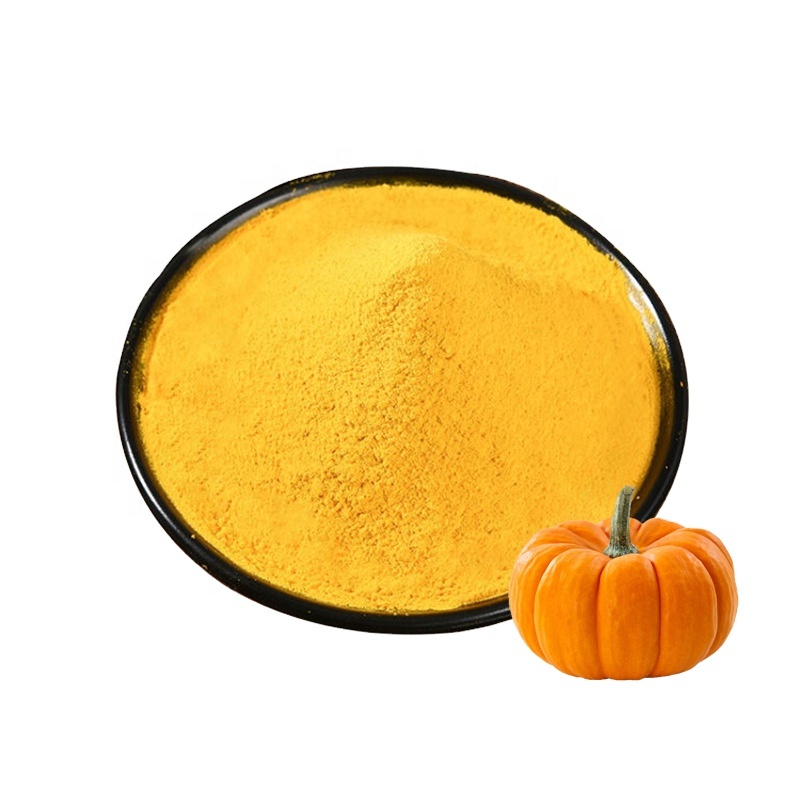
Wholesale Freeze Dried Pumpkin Vegetable Powder
- Beta-Carotene: Intact Bioavailability
- Granulation: 60–100 Mesh Fineness
- Usage: Bakery, Soups & Pasta
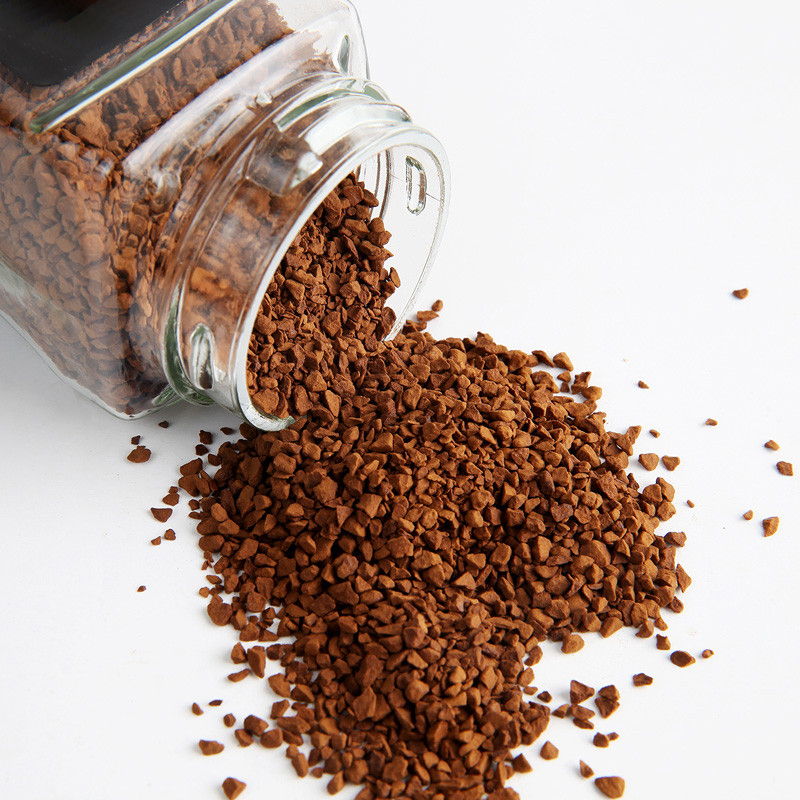
OEM Freeze Dried Instant Coffee Particle Arabica
- Roast Level: Medium / Dark Profile
- Crystal Type: Agglomerated Granule
- Aroma: Cold-Trapped Volatiles
Engineering the Ideal Freeze-Dried Apple: Thermodynamics, Cellular Integrity & Sublimation Control
In contemporary food manufacturing, the freeze-drying process—technically termed lyophilization—stands as the nonpareil benchmark for moisture evacuation without thermal degradation. As the preeminent China freeze dried apple manufacturer & supplier, our operations at Fujian Fynergy Foods Co., Ltd. transcend simple dehydrating practices. Fresh apples (Malus domestica) are inherently fragile biochemical matrixes comprising 84% to 86% cellular water, bound alongside delicate fructose, pectin networks, volatile esters (predominantly hexyl acetate and butyl acetate), and heat-sensitive L-ascorbic acid. Conventional dehydration techniques—such as hot-air drying (AD) or industrial roasting—subject the fruit parenchyma to temperatures upwards of 65°C to 80°C. This excessive thermal energy triggers enzymatic browning via polyphenol oxidase (PPO), damages cellular wall turgidity, forces structural shrinkage, and collapses the cellular capillaries into a rubbery, dense mass with heavily compromised rehydration kinetics.
Our lyophilization paradigm circumvents the liquid water phase entirely by exploiting the thermodynamic equilibrium point known as the triple point of water (0.01°C at 611.65 Pa). Selected premier Chinese apple cultivars—principally crisp Yantai Fuji, Shaanxi Gala, and balanced Golden Delicious—are harvested at exact physiological ripening stages (soluble solids measured between 12.5° and 14.5° Brix). The fruit undergoes continuous automated washing, hydro-coring, and precision mechanical slicing within climate-regulated processing halls. To suppress enzymatic browning without resorting to synthetic sulfites or sodium metabisulfite (which violate clean-label directives), the exposed cellular surfaces receive a brief organic dip in buffered L-ascorbic and citric acid solutions.
The sliced fruit is systematically arrayed across electropolished 316-grade stainless steel trays and channeled into cryogenic blast-freezing tunnels operating at -38°C to -45°C. At this stage, crystal nucleation velocities are micro-managed: ultra-rapid flash-freezing produces micro-crystalline ice formations within the intercellular vacuoles, preserving the cellular architecture from structural rupture. The frozen trays are subsequently transferred into our 37 high-capacity industrial freeze-drying chambers spanning 8,000 square meters of drying surface area. Under an ultra-deep vacuum of 20 to 50 Pascals (0.2 to 0.5 mbar), carefully calibrated radiant heating shelves supply the exact latent heat of sublimation (approximately 2.83 MJ/kg). Ice crystals sublimate directly into water vapor, leaving behind an unaltered, highly porous honeycomb matrix. The final secondary desorption phase operates under 45°C shelf temperatures to pull residual mono-molecular moisture down to an astonishing water activity (a_w ≤ 0.20) and residual moisture level beneath 3.0%.
Engineered Freeze-Dried Apple Formats & Application Parameters
Industrial procurement demands tight dimensional tolerances, bulk density predictability, and consistent dissolution or crunch indexes. We manufacture and supply four core freeze-dried apple product typologies calibrated for disparate processing verticals:
Industrial Dices & Flakes (3x3, 5x5, 10x10mm)
Standardized uniform cube geometries engineered for ready-to-eat breakfast cereals, artisan muesli, granola clusters, and dry trail mixes. Free-flowing, non-clumping properties with moisture barrier integrity that resist immediate atmospheric dampness.
Gourmet Slices (Skin-On & Peeled Chips)
Acoustically crisp, visual centerpieces designed for single-serve retail snack pouches, chocolate enrobing, and premium bakery decor. Cut thickness accurately calibrated from 4.0mm to 6.0mm to optimize packaging volumetric bulk density and prevent transit crumbling.
Micro-Milled Powders (60 to 120 Mesh)
Cryogenically pulverized, 100% natural apple flour without anticaking agents or maltodextrin carriers. Immediate solubility and high pectin content make it an indispensable natural sweetener, functional binder, infant puree base, or nutraceutical flavoring agent.
Empirical Dehydration Comparison: Freeze-Drying vs. Alternative Technologies
For formulation scientists, technical purchasers, and quality assurance directors, the following matrix articulates the structural, sensory, and chemical differences across prevalent industrial drying modalities for apples:
| Evaluation Parameter | Vacuum Freeze-Drying (FD) | Hot-Air Dehydration (AD) | Vacuum Frying (VF) |
|---|---|---|---|
| Operating Temperature | -40°C to +45°C (Sub-ambient) | +65°C to +90°C (High thermal load) | +90°C to +115°C (Oil immersion) |
| Residual Moisture Content | ≤ 2.5% – 3.0% | 8.0% – 14.0% | 2.0% – 4.0% |
| Water Activity (a_w) | 0.15 – 0.22 (Inhibits microbial life) | 0.50 – 0.65 (Susceptible to molds) | 0.25 – 0.35 |
| Pore Morphology & Shrinkage | Porous sponge; < 5% structural shrinkage | Case-hardened; > 50% structural collapse | Cellular expansion; contains oil pores |
| Added Fat / Oil Residual | 0.0% (Zero Fat added) | 0.0% (Zero Fat added) | 18.0% – 30.0% (Vegetable oil) |
| Rehydration Speed (Ambient Water) | 30 to 90 Seconds (Near 100% volume) | 15 to 45 Minutes (Incomplete) | Does not rehydrate cleanly |
| Preservation of Vitamin C & Esters | > 92% – 96% Retention | < 25% – 35% Retention | < 40% Retention |
Enterprise Manufacturing Infrastructure: The Fynergy Operational Advantage
Procuring freeze-dried ingredients at container volumes requires absolute transparency, factory audits, and unshakeable supply resilience. Fujian Fynergy Foods Co., Ltd. operates as a vertically integrated agricultural processing force headquartered in Zhangzhou, Fujian. Our manufacturing backbone features a 62,718 m² specialized production park constructed specifically to meet international standards for food processing cleanliness.
Class-100,000 Cleanroom Packaging
Post-sublimation sorting, optical laser grading, and primary hermetic sealing occur within positive-pressure Class-100,000 HEPA-filtered cleanrooms with humidity strictly throttled beneath 30% RH to completely avert moisture absorption and microbiological contamination.
Industrial In-House Testing Laboratory
Our internal analytical laboratory is equipped with High-Performance Liquid Chromatography (HPLC) for pesticide multi-residue screening, Atomic Absorption Spectrophotometry (AAS) and Atomic Fluorescence Spectrophotometry (AFS) for heavy metal trace verification (Pb, As, Cd, Hg), and automated Kjeldahl apparatus.
Global Certification Arsenal
Our facility operates under rigorous BRCGS (Global Standard for Food Safety) Grade A compliance, alongside active HACCP certification, ISO 22000, and certified on-site validation by TÜV Rheinland. We regularly furnish third-party documented test certificates for EU MRLs and US FDA FSMA standards.
Global Strategic Sourcing Trends in Freeze-Dried Fruit (2025–2030)
The international procurement sphere for freeze-dried fruit ingredients is undergoing structural shifts accelerated by regulatory updates, consumer clean-label scrutiny, and supply chain vulnerability management. Senior procurement officers must align their procurement roadmaps with several fundamental market trends:
Clean-Label Non-Sulfited Mandates
Retail consumers actively reject sulfur dioxides, preservatives, and added carriers. Global brands mandate 100% single-ingredient Declarations of Ingredients where apples retain pristine natural luminescence solely through vacuum cold-trapping and natural antioxidants.
Functional Pectin & Fiber Fortification
Freeze-dried apple powders are increasingly sourced not merely for sweetness, but as prebiotic carrier substrates in symbiotic functional blends, sports nutrition bars, high-fiber extruded snacks, and botanical dietary supplements.
Rigorous MRL Enforcement (EU & USA)
With pesticide Maximum Residue Limits continuously tightening under European Commission regulations, tier-1 suppliers must provide full farm-to-freezer traceability, GAP-certified orchard management, and HPLC validated clean pesticide logs.
High-Barrier Sustainable Foils
Transition from unrecyclable multi-layer foils to mono-material high-barrier PP/PE structures and foil-laminated aluminum pouches injected with nitrogen flushing (< 1.0% residual oxygen) to guarantee 24 months of ambient crispness stability.
Technological Innovations in Lyophilization: The Next Horizon
As energy dynamics and production economics become paramount, the lyophilization industry is pioneering disruptive engineering methodologies to optimize cycle times without impairing cellular matrices:
1. Continuous Vacuum Tunnel Freeze-Drying: Traditional batch chambers necessitate cyclic cooling and reheating cycles that expend significant electrical energy. Next-generation systems employ dynamic lock-chamber airlocks, allowing vacuum trays to travel continuously across zoned sublimation shelves. This smooths production runs, eliminates batch-to-batch equilibrium variances, and delivers exceptionally tight moisture standard deviations across multi-ton consignments.
2. Pulsed Electric Field (PEF) and Ultrasound-Assisted Freezing: Non-thermal pre-treatments utilizing high-voltage electrical fields create micro-porations in apple cell membranes before freezing. This facilitates uniform ice crystal distribution and reduces sublimation resistance by 18% to 25%, shaving critical hours off the freeze cycle while dramatically improving the rapid rehydration coefficient of the finished dice.
3. Dynamic Shelf Temperature Profiling via Wireless Thermal Probes: Rather than adhering to fixed, linear shelf temperature schedules, advanced PLC microcontrollers compute sublimation front locations in real time. Shelf heat ramps dynamically up to 60°C during early sublimation when evaporating moisture absorbs latent heat completely, throttled down precisely as the product approaches its glass transition temperature (Tg) to completely prevent sugar caramelization or dimensional slump.
4. Bioactive Vacuum Impregnation: Prior to deep freezing, apple matrices are infused with functional compounds—such as microencapsulated probiotics (e.g., Bacillus coagulans), zinc, or elderberry polyphenols. Lyophilization traps these bioactives within the porous fruit flesh, creating shelf-stable, ambient-stable functional superfoods without requiring heat-labile binders or artificial coatings.
Frequently Asked Sourcing & Technical Questions
Essential technical, compliance, and logistics insights for category managers, food technologists, and international import directors.
What are the standard physical, chemical, and microbiological specifications for your freeze-dried apples?
How do you manage pesticide residues and heavy metals to ensure US FDA and European Union compliance?
What Minimum Order Quantities (MOQ) and packaging formats are available for bulk vs. private label?
What is the shelf life of freeze-dried apple ingredients, and what storage parameters are mandatory?
Can you support custom cut sizes, vitamin enrichment, and flavored fruit infusions?
What are the lead times from contract confirmation to container dispatch?
Request Commercial Pricing, Technical Dossiers & Working Samples
Partner directly with China's verified freeze-drying vanguard. Connect with our engineering and export trade directors for detailed product specifications, batch COAs, and tailored volume quotations.