Vacuum Sublimated
Laboratory-tested freeze-dried fruits, vegetable powders, and micro-particle extracts engineered for industrial blending, RTD formulations, and private label retail brands.
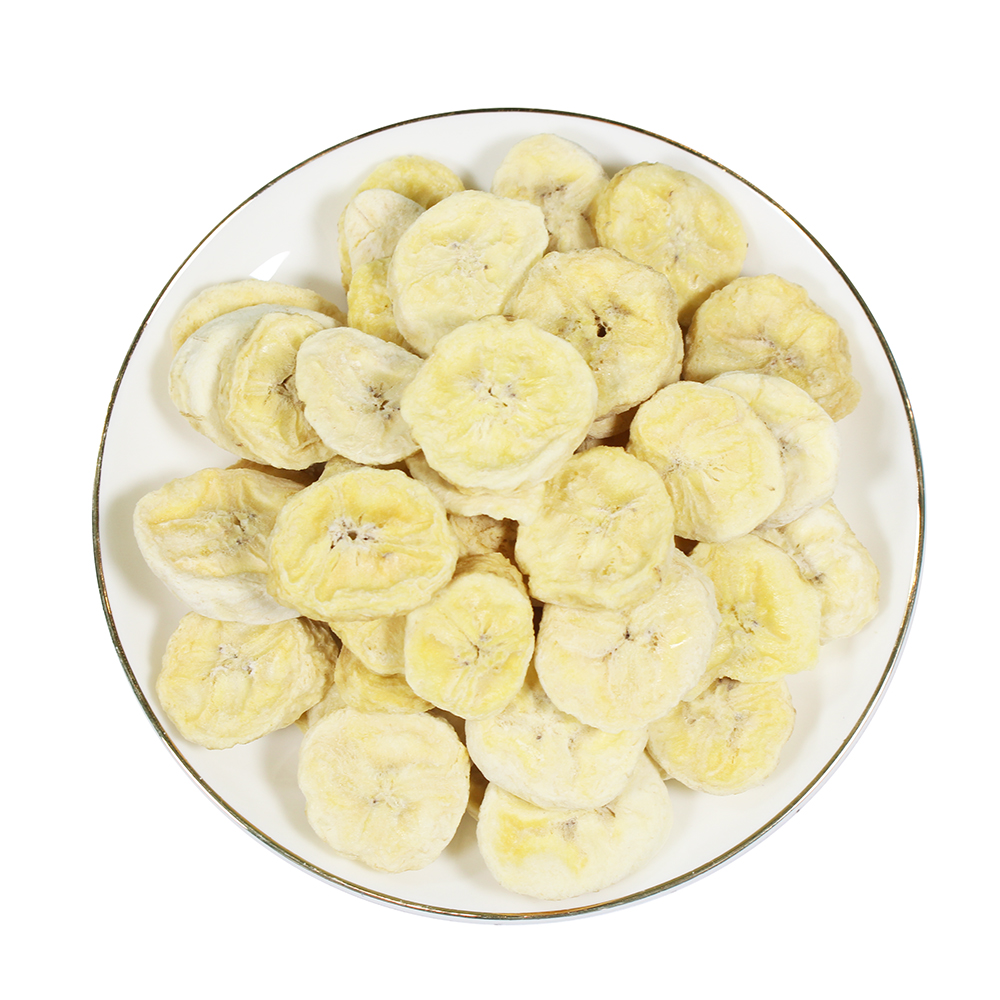
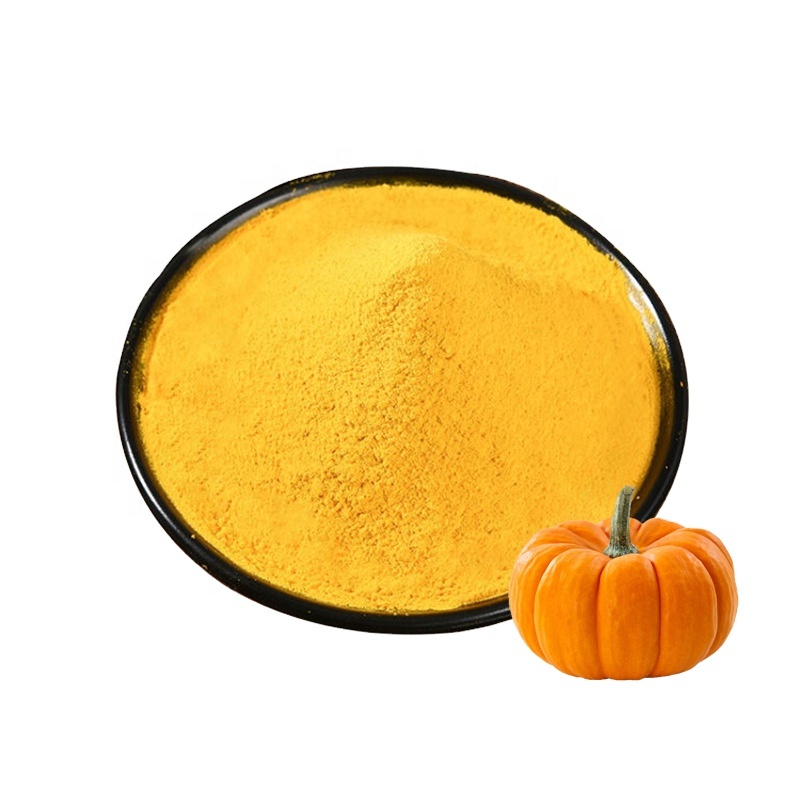
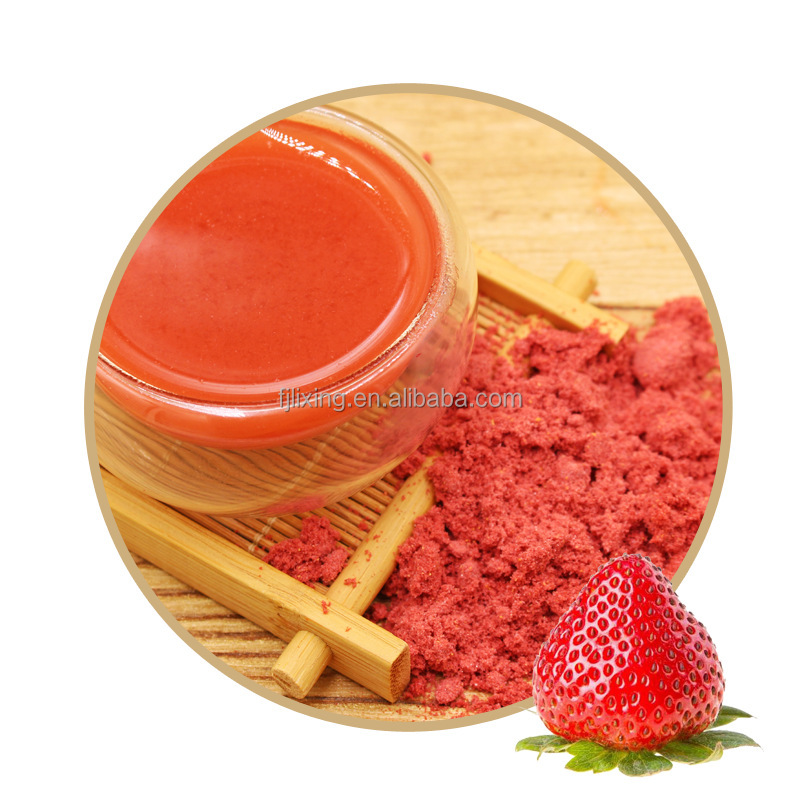
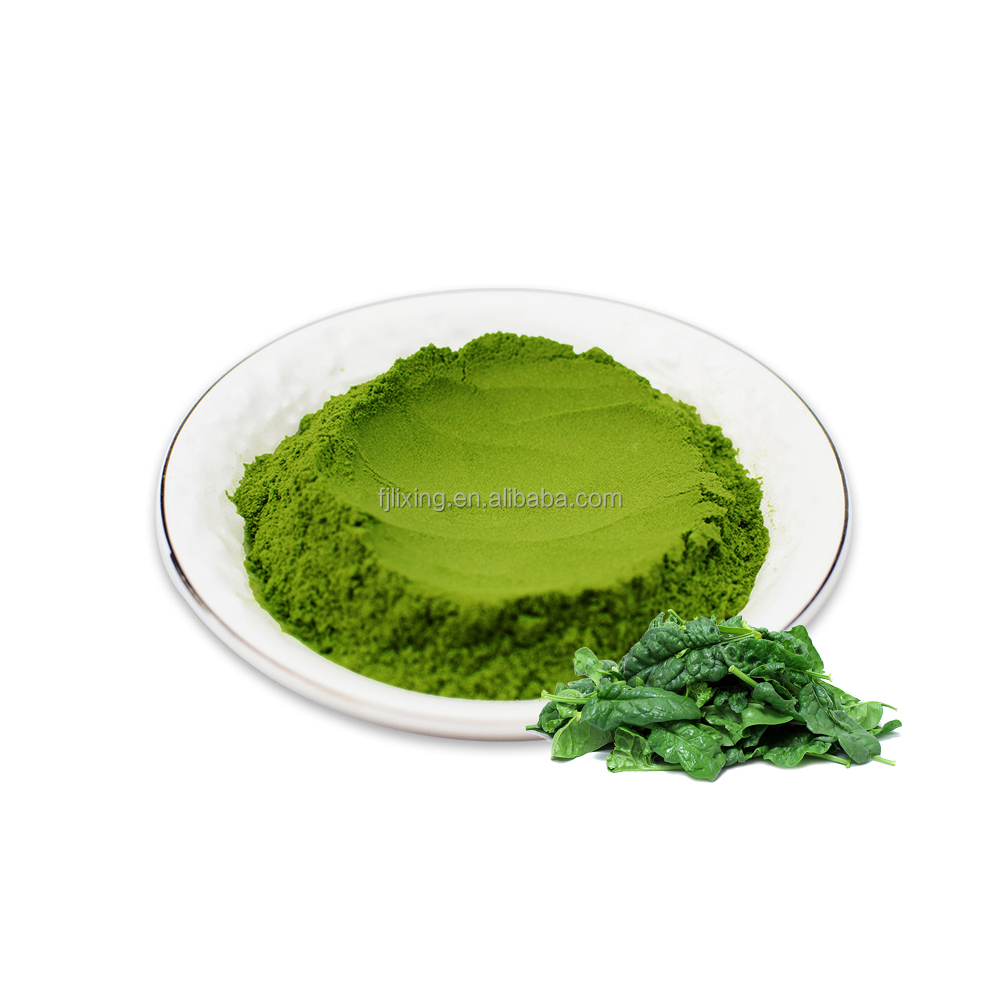
The commercial landscape for preserved agricultural ingredients has experienced a seismic paradigm shift. Food manufacturers, nutraceutical formulators, and multinational retail chains are transitioning away from high-heat thermal dehydration toward cryogenic vacuum lyophilization. Modern consumers demand clean-label products void of added sulfur dioxide, preservatives, and refined sugars, while prioritizing the retention of cellular integrity, bioactive phytonutrients, natural pigment, and authentic aroma profiles.
Navigating the global supply market to identify a qualified freeze dried fruit supplier requires a rigorous quantitative audit. Enterprise procurement teams cannot evaluate facilities merely on gross price-per-kilogram quotes. A reliable long-term contract manufacturer must demonstrate extreme thermal engineering capabilities, pristine cleanroom packaging parameters, extensive farm-to-warehouse traceability, and deep regulatory conformance. In this technical analysis, we dissect the thermodynamic mechanics of freeze drying, outline international procurement trajectories, benchmark standard sublimation parameters, and demonstrate how our 62,718 m² manufacturing facility in Zhangzhou, Fujian operates at the zenith of this sector.
Freeze drying, technically designated as lyophilization, is a multi-stage dehydrating operation governed by the thermodynamic equilibrium of water. Unlike conventional convective hot-air drying—which forces moisture removal via heat-driven evaporation that shrivels cellular walls, oxidizes ascorbic acid, and caramelizes intrinsic sugars—vacuum lyophilization relies on triple-point sublimation.
The raw fruit (such as strawberries, bananas, apples, or mangoes) is rapidly blast-frozen at temperatures ranging between -40°C and -50°C, well below the eutectic point ($T_{eu}$) of the fruit matrix. Once completely solidified, the product enters an industrial vacuum chamber evacuated to pressures typically below 0.1 mbar (10 to 50 Pa). Under these conditions, radiant shelf heat provides the precise latent heat of sublimation ($\approx 2,838\text{ kJ/kg}$), transforming solid ice crystals directly into water vapor without passing through an intermediate liquid phase.
| Evaluation Parameter | Industrial Vacuum Freeze-Drying (FD) | Conventional Hot-Air Dehydration (AD) | Vacuum Frying (VF) / Oil Crisp |
|---|---|---|---|
| Operating Temperature | -35°C to +45°C (Low Heat Sublimation) | +65°C to +95°C (Sustained Convection) | +80°C to +115°C (Hot Oil Matrix) |
| Residual Moisture Spec | ≤ 1.0% – 3.0% (Ultra-Dry Porous Core) | 8.0% – 18.0% (High Water Retention) | 2.0% – 5.0% (Oil Impregnated) |
| Water Activity ($a_w$) | < 0.20 (Bacteriostatic Inherent Stability) | 0.55 – 0.70 (Prone to Mold/Fungal Spoilage) | 0.30 – 0.45 (Lipid Oxidation Risk) |
| Cellular Structure & Rehydration | Intact Honeycomb Structure; Near-Instant Rehydration | Collapsed, Shriveled; Slow Reconstitution | Rigid, Fat-Sealed; Non-Rehydratable |
| Vitamin C & Antioxidant Retention | 94% – 97% Biological Retention | 20% – 45% (High Thermal Destruction) | 35% – 50% (Degraded by Heat/Lipids) |
| Fat / Lipid Content | 0.0% Added Fat (Pure Fruit Fraction) | 0.0% Added Fat (Residual) | 15.0% – 28.0% Added Fat Content |
The consequence of this honeycomb-porous physical transformation is extraordinary. The fruit retains its exact structural geometry, macro-pigmentation, natural acids, and bioavailable vitamins. Crucially, the resulting water activity ($a_w$) drops beneath the critical threshold of 0.20, completely arresting microbiological multiplication and enzymatic degradation, conferring a natural, ambient shelf life of up to 24 months without requiring chemical antioxidants or synthetic stabilization.
Global B2B procurement data indicates that the international freeze-dried food market is projected to expand at a compound annual growth rate (CAGR) surpassing 8.5% over the coming decade. Enterprise purchasers must calibrate their sourcing models around several rapidly emerging market dynamics:
Industrial beverage copackers are substituting liquid purees and synthetic syrups with cold-water-soluble freeze-dried fruit powders (such as instant strawberry, mango, and passion fruit). These provide authentic mouthfeel, brilliant natural cloudiness, and pure fruit flavors without artificial stabilizers.
Standard cut sizes are expanding to include 80 to 120-mesh micronized freeze-dried fruit and vegetable powders. Because they retain hydrophobic-hydrophilic balance, they can be blended directly into dry cereal, yogurt coatings, functional chocolate formulas, and bakery doughs without disrupting water hydration ratios.
Premium and ultra-premium pet wellness brands increasingly utilize pure freeze-dried fruit (like cranberries, blueberries, and pumpkin) in dog and cat meal toppers to introduce natural antioxidants, urinary tract health agents, and dietary fiber without thermal processing destruction.
When evaluating the top tier of international lyophilization factories, scale and thermodynamic precision are the ultimate differentiators. Low-capacity operations running small 50 m² drying tunnels frequently suffer from uneven temperature distribution across their shelf plates, leading to batch inconsistency, localized product collapse (melt-back), and excessive moisture variation.
Conversely, modern mega-scale manufacturing bases, such as Fujian Fynergy Foods Co., Ltd., deploy centralized cryogenic condensers, multi-zone radiant heating platen control, and continuous cleanroom integration:
With more than two decades of dedicated specialization in vacuum lyophilization technology, Fujian Fynergy Foods Co., Ltd. stands as one of Asia's preeminent contract manufacturing powerhouses. Located in Zhangzhou, Fujian—a premier agricultural and subtropical fruit hub—our infrastructure provides a scalable, vertically integrated supply chain for global distributors, retail supermarket chains, and multinational food brands.
An enterprise-scale facility hosting 37 high-efficiency freeze-drying lines and roughly 8,000 m² of vacuum chamber area for uninterrupted high-volume output.
Strict GFSI-recognized food safety systems verified onsite by TÜV Rheinland, accompanied by Kosher and Halal production certifications.
Equipped with Liquid Chromatography (HPLC), Atomic Absorption, and Kjeldahl apparatus for testing pesticide residues, heavy metals, and nutritional profiles per batch.
Proprietary engineering developments in continuous energy conservation, specialized dicing geometry, and low-temperature extraction technology.
As a verified supplier to Fortune 500 corporate food groups and international supermarket chains, our OEM/ODM custom operations support diverse product formats: whole fruits, uniform slices, micro-dice (1-3mm, 3-5mm, 6-10mm), granules, and superfine powders, packed into multi-layer nitrogen-purged foil barrier liners or fully custom retail-ready packaging.
Establishing an international OEM/ODM manufacturing partnership requires transparency, technical documentation, and rigorous pilot validation. Our five-stage manufacturing onboarding protocol ensures seamless risk mitigation from formulation prototyping to destination port clearance: