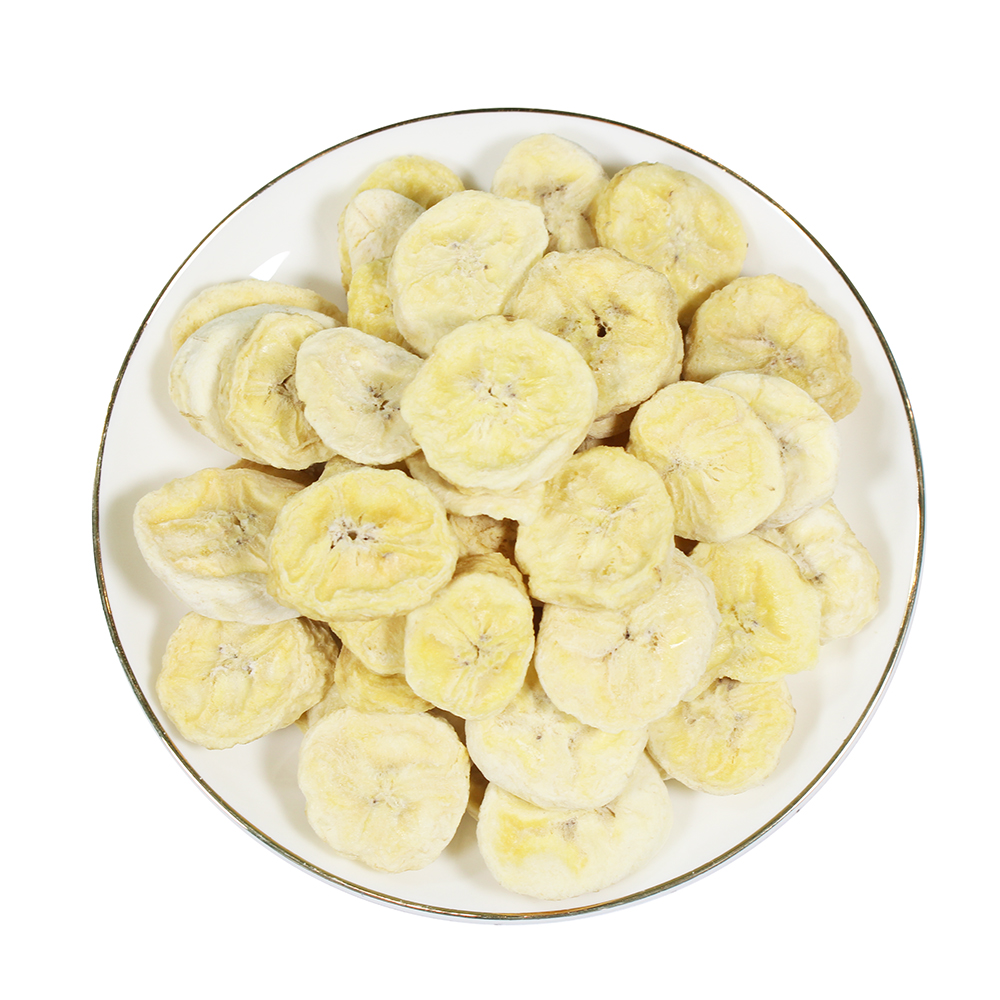
Industrial Product Showcase
Direct Factory Line: Functional Ingredients & Finished Formats
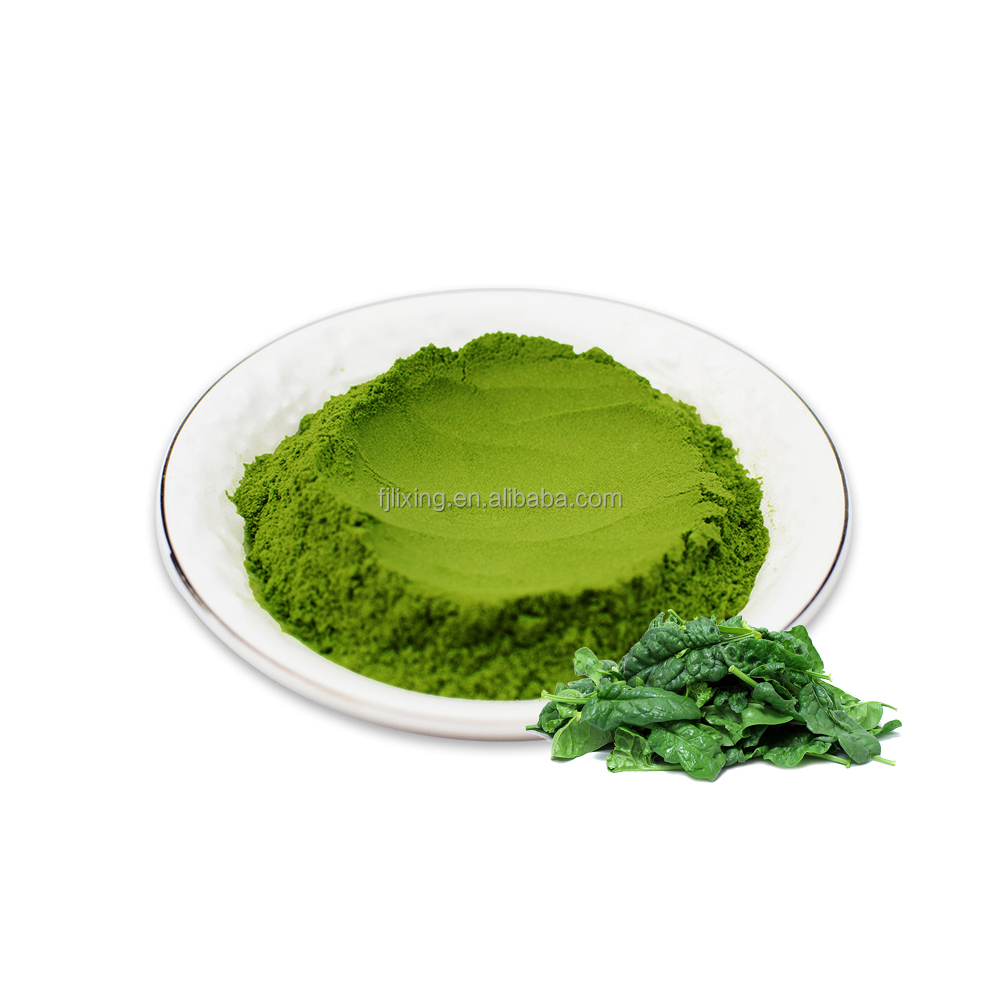
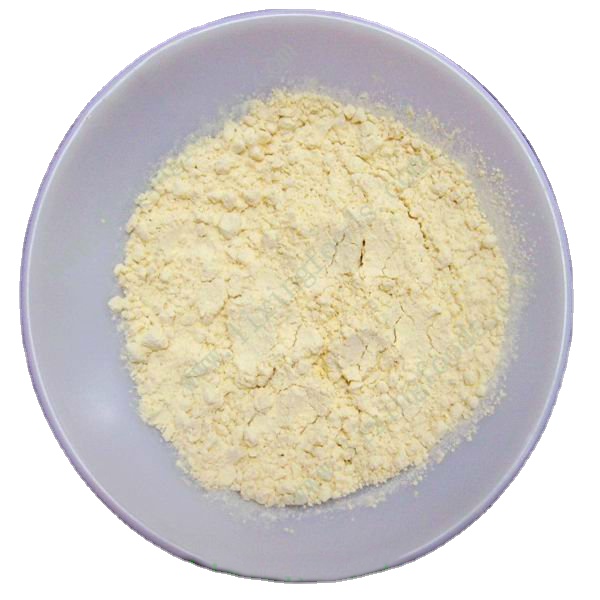
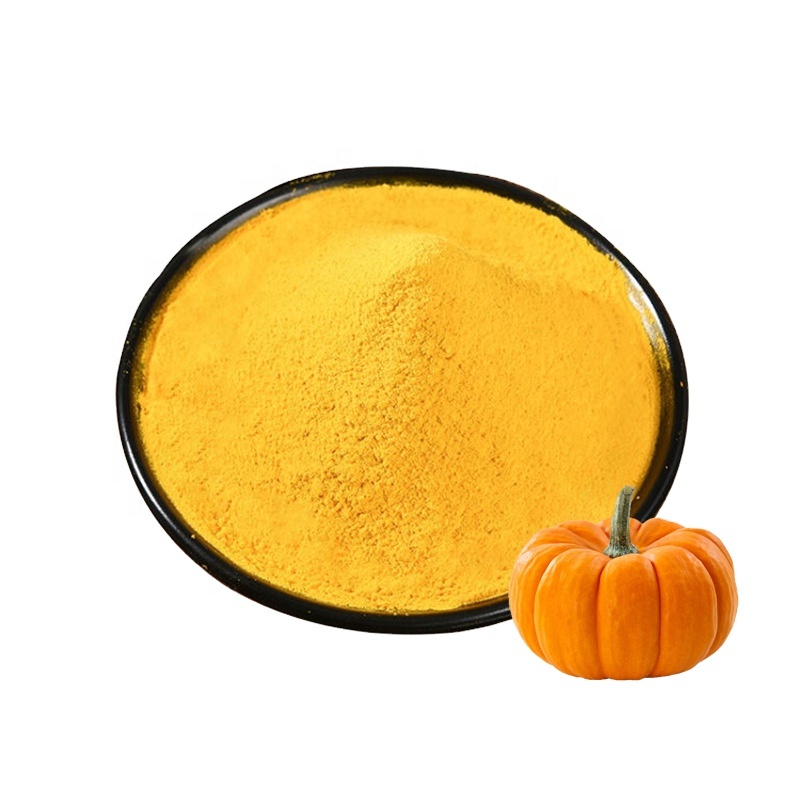
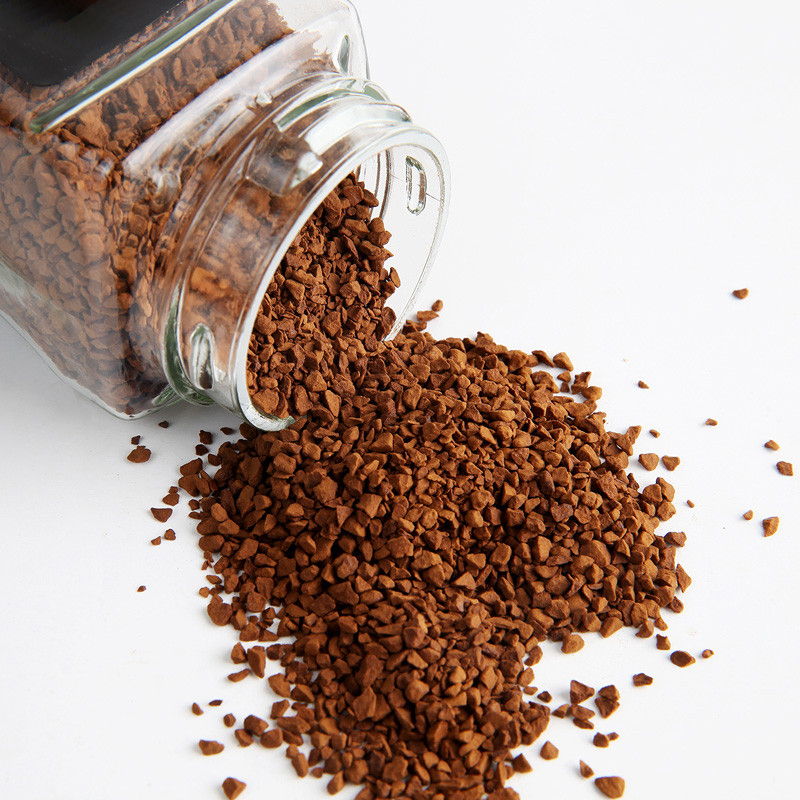
Engineered via advanced sublimation protocols for sports nutrition, functional snacking, baby foods, and instant dry mixes.
Industrial Monograph
Technical Whitepaper: Precision Freeze-Dried Papaya (Carica papaya) Processing
In modern industrial food science, Freeze-Dried (FD) Papaya represents a challenging balance between retaining delicate heat-sensitive enzymes, particularly papain and chymopapain, and maintaining high structural integrity in the cellular matrix. Commercial thermal drying (hot air dehydration or spray drying) typically subjects tropical fruits to temperatures exceeding 65°C to 80°C. This extreme heat degrades proteolytic enzyme activities by over 82%, browns the carotenoid pigments through non-enzymatic Maillard reactions, and causes substantial cellular shrinkage (case hardening).
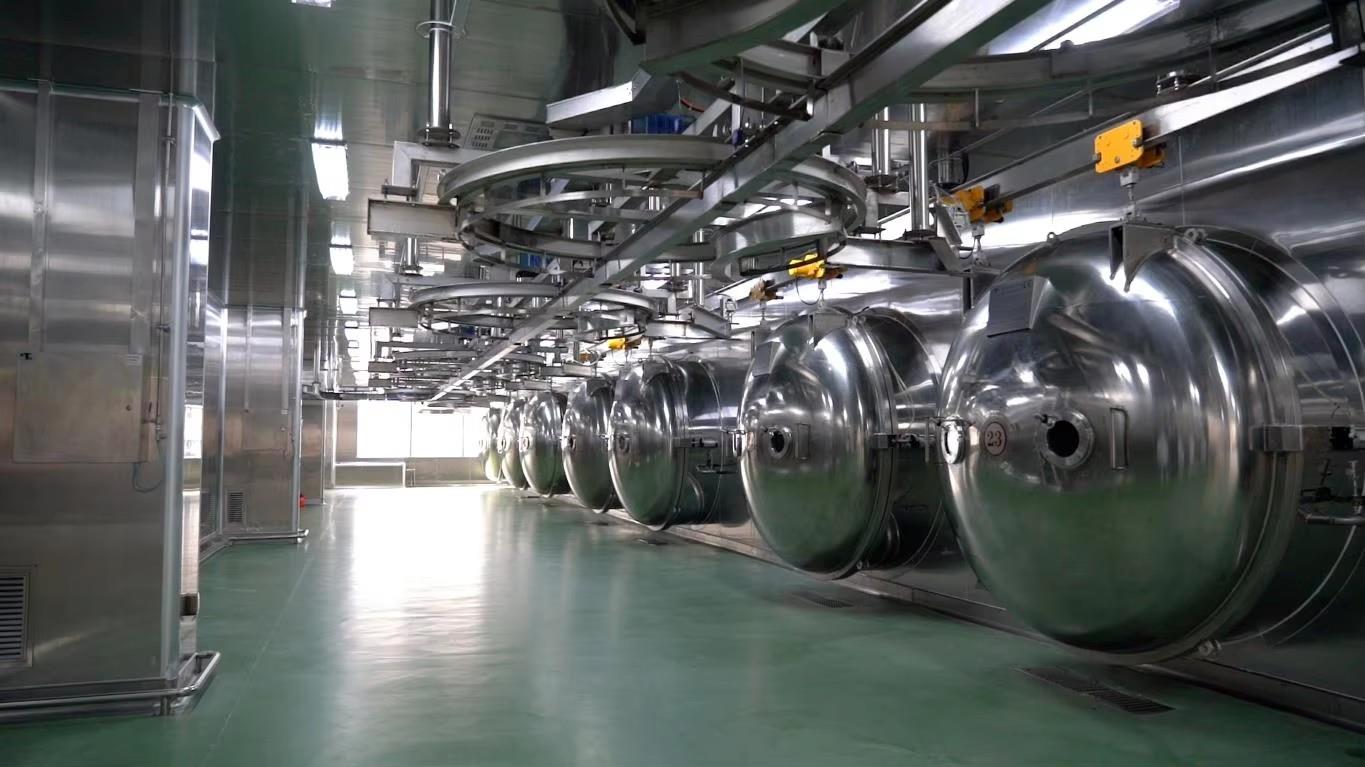
As a specialized OEM/ODM manufacturer operating 37 vacuum freeze-drying lines across 62,718 m² of infrastructure, we utilize a validated low-temperature lyophilization protocol. By dropping the raw pulp below its eutectic point (≤ -35°C) and establishing a chamber vacuum of 10 to 30 Pa, water is sublimated directly from solid ice crystals into vapor. This process preserves over 94% of native Vitamin C, stabilizes active enzymes, and delivers a porous, crisp cellular structure with residual moisture controlled below 3.0% to 5.0%.
| Critical Quality Attribute (CQA) | Fujian Fynergy Precision Vacuum Lyophilization | Standard Hot-Air Dehydration (AD) | Vacuum Fried (VF) Alternative |
|---|---|---|---|
| Proteolytic Enzyme (Papain) Activity | 90% – 95% Active Retention | < 15% (Extensively Denatured) | 0% (Completely Inactivated) |
| Residual Moisture Specification | ≤ 3.0% – 5.0% (Aw < 0.28) | 12.0% – 18.0% (Prone to Mold) | ≤ 5.0% (Oil Impregnated) |
| Beta-Carotene & Lycopene Profile | > 92% Bioactive Pigment Retention | 35% – 50% Thermal Oxidation Loss | 40% – 60% Leached into Frying Medium |
| Rehydration Kinetics (Ambient Water) | Instantaneous Capillary Uptake (< 45s) | Incomplete & Sluggish (> 15 mins) | Hydrophobic Barrier (Slow & Oily) |
| Fat / Lipid Content | 0% Added Fat (Naturally Clean) | 0% Added Fat | 15.0% – 25.0% Absorbed Oil |
| Structural Form Availability | Slices, Dices, Granules, 60–120 Mesh Powder | Tough, Leathery Shreds or Slices | Brittle Chips Only |
62,718 m²
State-of-the-Art Factory Base
37 Lines
Industrial Vacuum Chambers
8,000 m²
Lyophilization Chamber Area
41 Items
Authorized Proprietary Patents
Contract Manufacturing Excellence
Bespoke OEM/ODM Customization Matrix for Global Brands
Global food brands, pharmaceutical formulators, and multinational retailers require strict adherence to custom particle sizing, microbiological thresholds, and clean-label parameters. We offer an integrated R&D-to-logistics custom processing framework:
Geometric Cut Customization
From uniform 5x5mm or 10x10mm dicing for ready-to-eat granolas to crescent-cut snacking slices and micronized cryogenic milled powders (80 to 200 mesh) for nutraceutical tableting.
Sugar & Enzyme Profiling
Non-sugar added (100% pure papaya), custom maltodextrin/carrier coating for hygroscopic balance, or controlled low-temperature enzymatic pre-treatments matching exact client specifications.
Barrier Packaging Systems
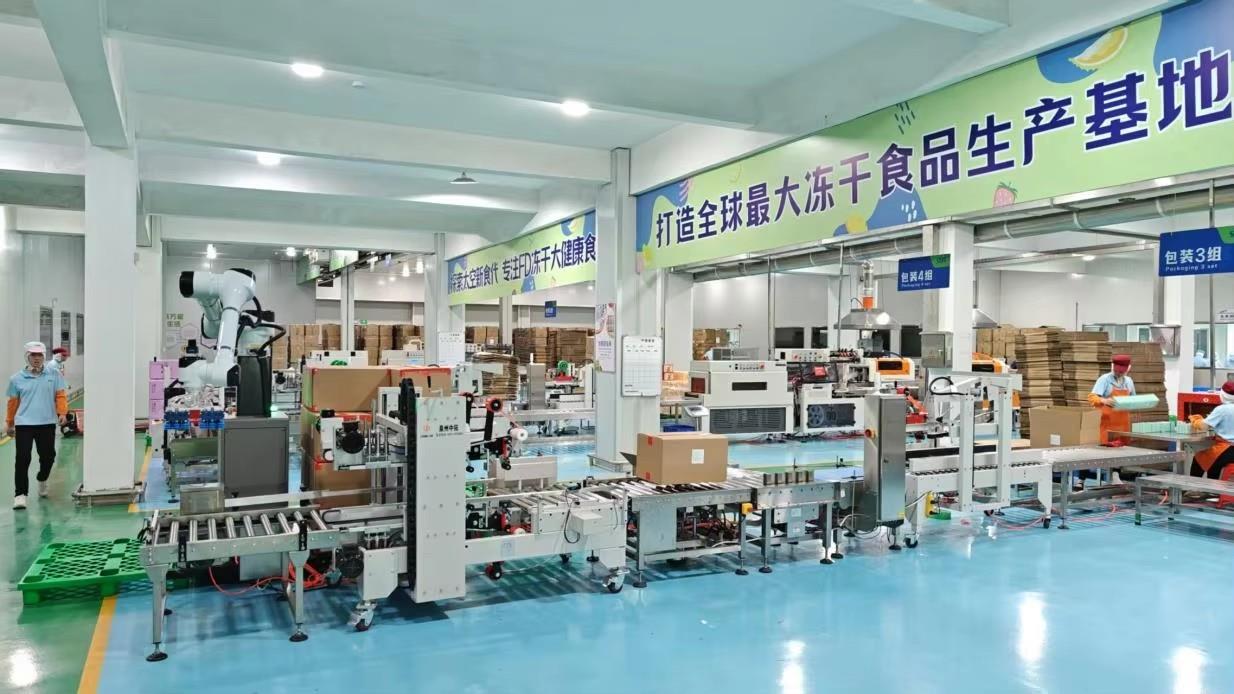
Industrial supply in multi-wall aluminum foil vacuum barrier bags with nitrogen flush (5–10kg/carton), or automated retail pouching, nitro-sealed cans, cups, and private-label blister packaging.
Strategic Procurement Intelligence
Future Procurement Trends & Market Evolution in Freeze-Dried Ingredients
Market data points toward rapid integration of functional tropical freeze-dried fruits into mainstream categories.
1. Rise of Digestive Health Formulations
Global consumers increasingly associate papaya with natural gut comfort. The active papain enzyme present in freeze-dried papaya makes it a high-demand inclusion in sports nutrition powders, clean-label digestive chewables, and functional protein meal replacements.
2. Shift to Clean-Label Baby Foods
Parents and regulatory bodies across the EU and North America demand snacks free of sulfur dioxide, preservatives, and added cane sugar. Sublimated papaya puree bites and flakes meet these infant-grade standards, offering natural sweetness and quick oral dissolving.
3. Supply Chain Nearshoring & Direct-to-Source Verification
Procurement teams are shifting away from intermediaries toward onsite-verified producers with full traceability. Certifications such as BRCGS, ISO 22000, and comprehensive pesticide residue testing have become baseline prerequisites for Tier-1 supermarket supplier rosters.
Factory Transparency & Quality Control
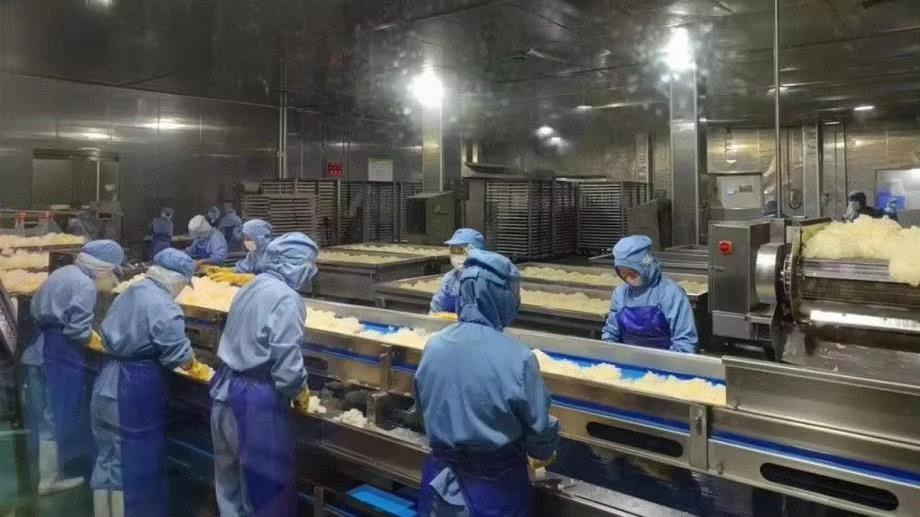
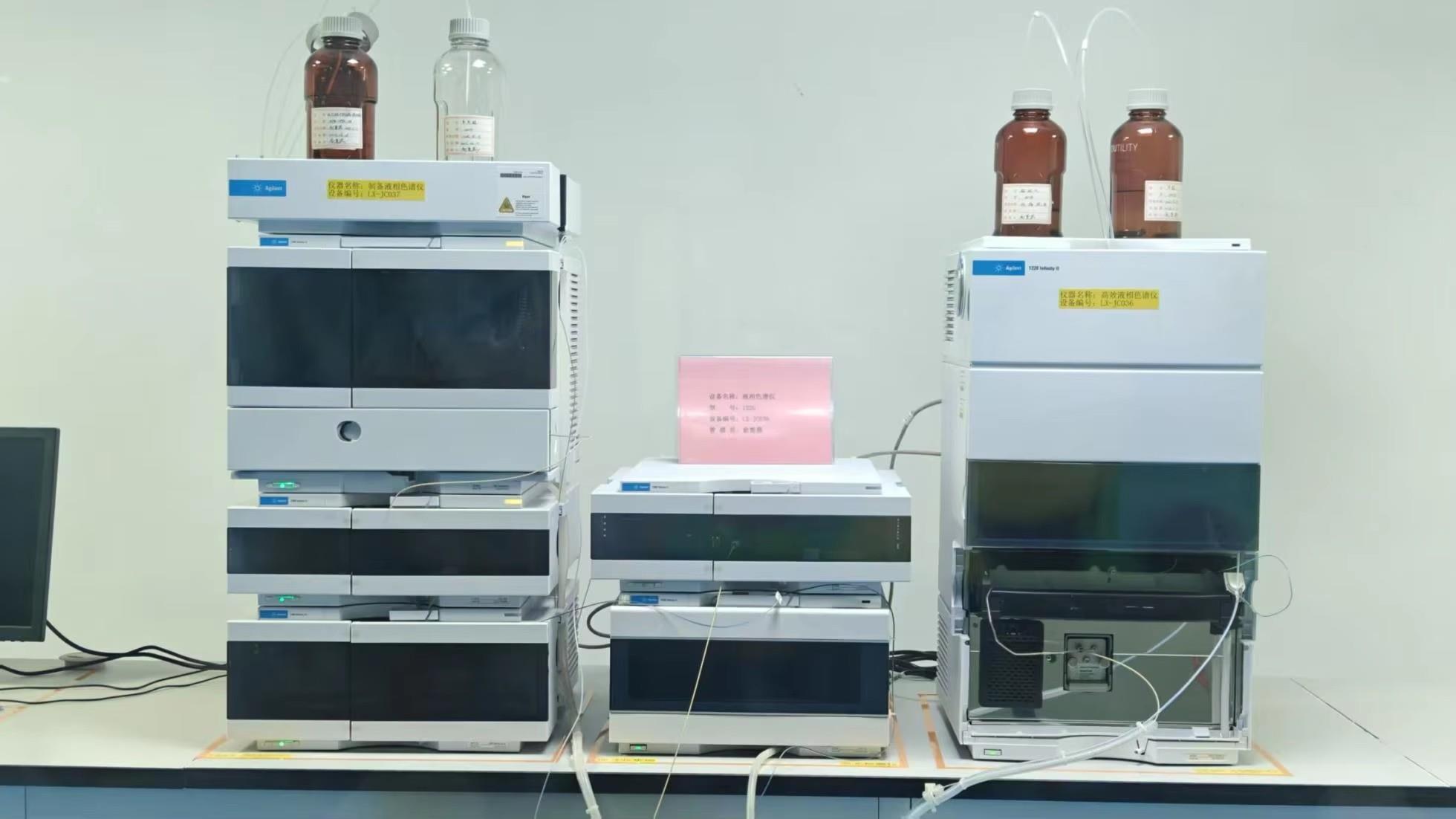
Class-100,000 Cleanroom Processing & Analytical Testing
Every batch of raw fruit is tracked from contracted planting bases, through automated washing and freeze-drying, to rigorous final lab release.
Procurement Intelligence
Frequently Asked Questions for B2B Importers & Procurement Directors
Essential guidance on minimum order quantities, shelf-life integrity, cold-chain considerations, and compliance.
What is the minimum order quantity (MOQ) for custom OEM freeze-dried papaya?
For standard bulk packing in aluminum barrier cartons (typically 10kg net), our MOQ starts at 500 kg to 1,000 kg per batch. For custom retail packaging (pouches, cans, or customized display boxes with client artwork), our MOQ typically ranges from 10,000 to 30,000 retail units depending on the pouch dimensions, film thickness, and printing requirements. Flexible pilot batch volumes can be negotiated for market validation trials.
How is the active enzyme (papain) stabilized during industrial sublimation?
Papain is a cysteine protease that denatures when exposed to sustained thermal loads above 60°C. In our vacuum lyophilization chambers, the temperature of the papaya product shelf is carefully controlled throughout the primary sublimation and secondary desorption phases, never exceeding 42°C. Because moisture is extracted directly from the frozen state under deep vacuum (10–30 Pa), the tertiary molecular conformation of the enzyme remains largely intact, yielding up to 95% bioactive retention compared to fresh fruit.
What third-party certifications and food safety frameworks govern your production?
Our Zhangzhou, Fujian manufacturing center operates under strict BRCGS (Global Standard for Food Safety), HACCP, and ISO 22000 management systems. Our facilities are audited and verified onsite by TÜV Rheinland. In addition, our standard lines can be manufactured to meet Kosher and Halal export requirements upon contract specification. Full documentation packs—including Certificates of Analysis (COA), pesticide residue test reports, heavy metal analyses, and allergen declarations—are provided with every shipment.
How does freeze-dried papaya prevent hygroscopic degradation during storage?
Due to its low water activity (Aw < 0.28) and open porous microstructure, freeze-dried fruit is naturally hygroscopic. To deliver a guaranteed 12-to-24-month shelf life, we utilize multi-laminate barrier packaging (PET/AL/PE or metallized BOPP structures) flushed with ultra-pure food-grade nitrogen gas (residual oxygen < 2%). Shipments must be kept in cool, dry warehouse conditions below 22°C and 55% relative humidity to ensure the fruit remains crisp throughout its distribution cycle.
Can you supply customized particle distributions, such as micro-milled papaya powder?
Yes. Beyond standard 5–10mm slices and dices, we operate dedicated milling and sifting lines within cleanroom zones. We can process dried papaya into uniform granulates (10–20 mesh, ideal for tea blends and chocolate inclusions) or micro-mill it into 60 to 120 mesh fine powder without carriers, designed for clean-label beverage mixes, cosmetics, and functional encapsulated formulas.
What is the lead time for standard bulk vs. private-label packaged orders?
Bulk shipments of existing inventory or scheduled harvest runs generally dispatch within 14 to 21 working days following confirmation and deposit. First-run OEM/ODM orders involving brand design approvals, cylinder engraving for custom printed film, and specialized laboratory testing typically take 30 to 45 working days. Repeat orders for private label lines can be delivered within 20 to 25 working days.
Factory Competence
Why International Enterprise Buyers Choose Fujian Fynergy
Combining agricultural integration, vast lyophilization capacity, and certified food safety systems.
Large-Scale Production Capacity
With 37 operational freeze-drying tunnels spanning 8,000 square meters of chamber footprint, we handle massive agricultural harvest volumes without bottleneck delays, offering competitive bulk container pricing year-round.
Full Analytical Testing In-House
Equipped with Liquid Chromatography (HPLC), Atomic Absorption, and Fluorescence Spectrophotometers, our central laboratory conducts in-house verification of nutrient assays, heavy metals, and micro-contaminants before batch release.
Global Compliance & Fortune 500 Proven
We maintain ongoing supplier relationships with multinational retail chains and major food corporations, supporting transparent social audits and end-to-end trace documentation for zero-friction port entry.