Product Catalog
High-Performance Freeze-Dried Ingredients & Derivatives
Direct from our 62,718 m² manufacturing facility: custom particle sizes, vibrant natural pigments, and optimal rehydration ratios for enterprise-scale food brands.
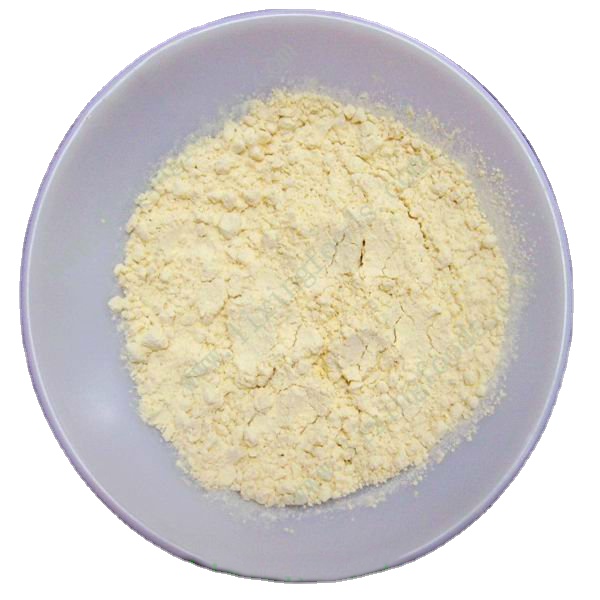
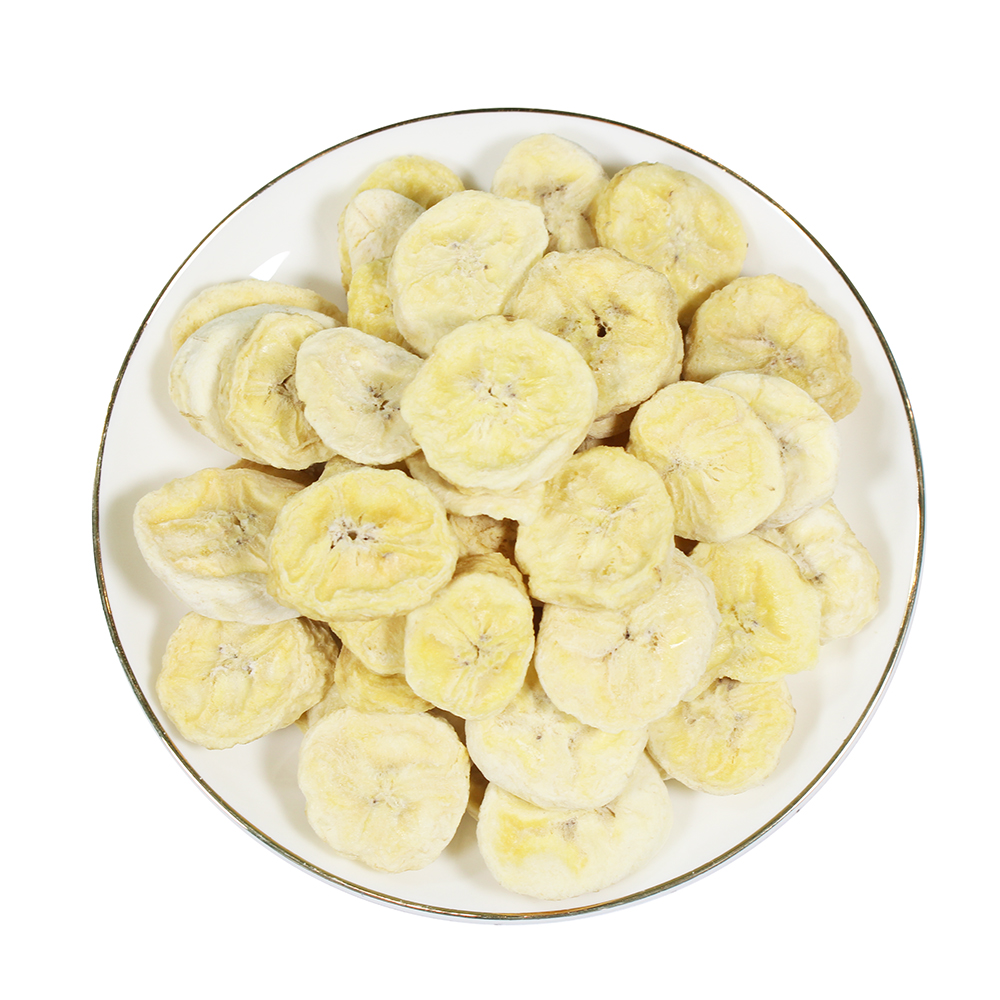
Organic Fruit Freeze Dried Banana Powder
Bakery Grade
Get a Quote
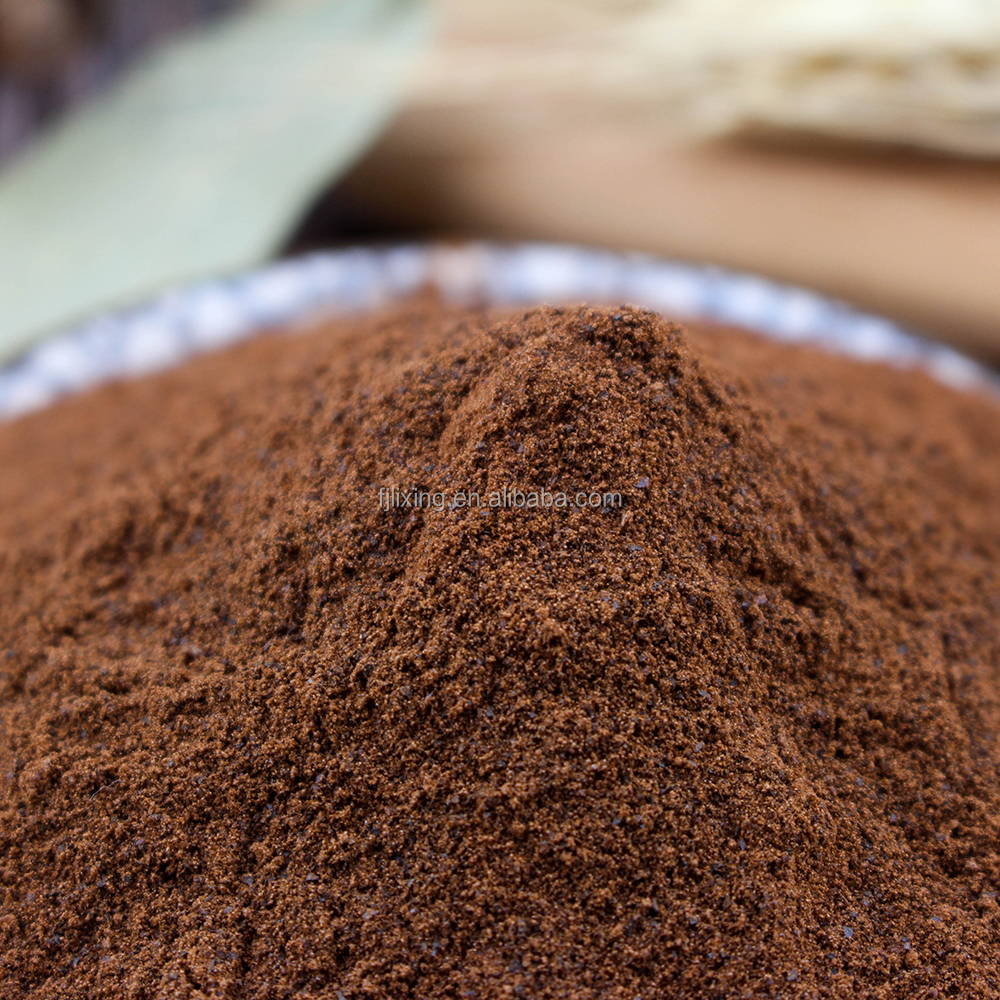
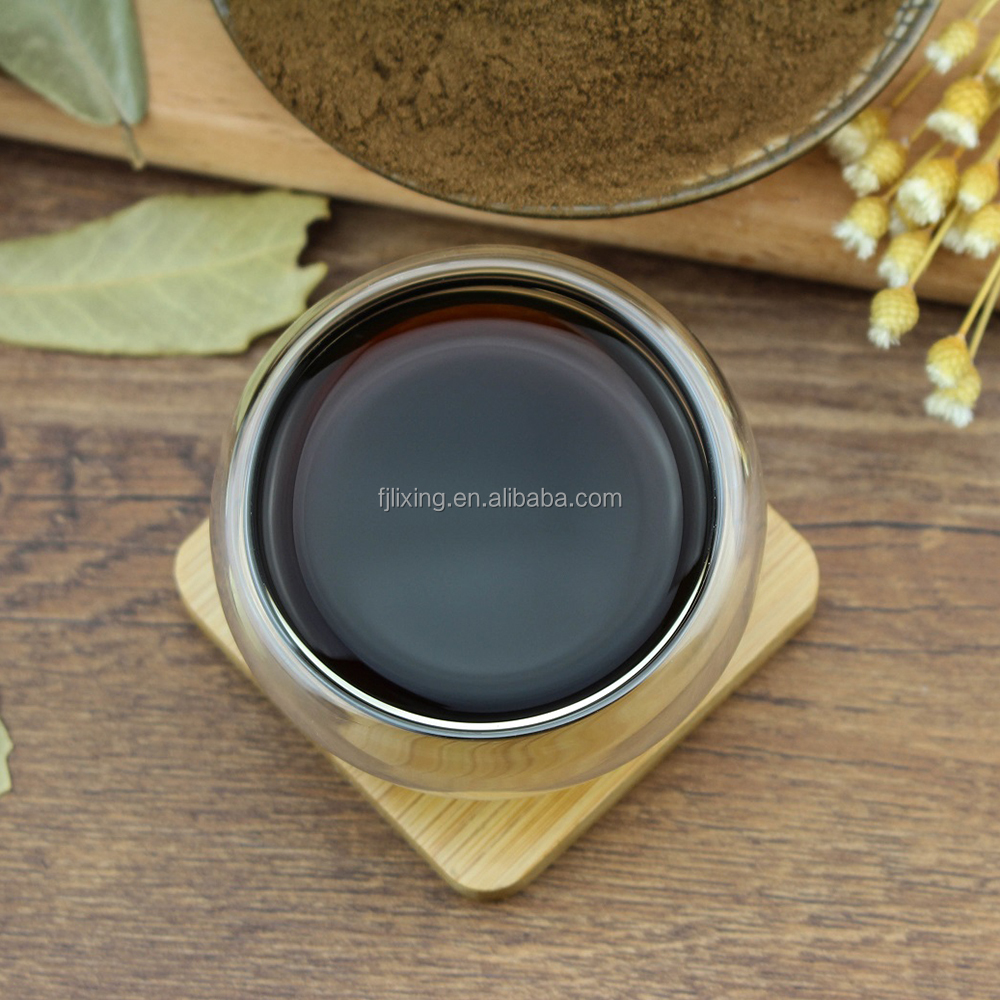
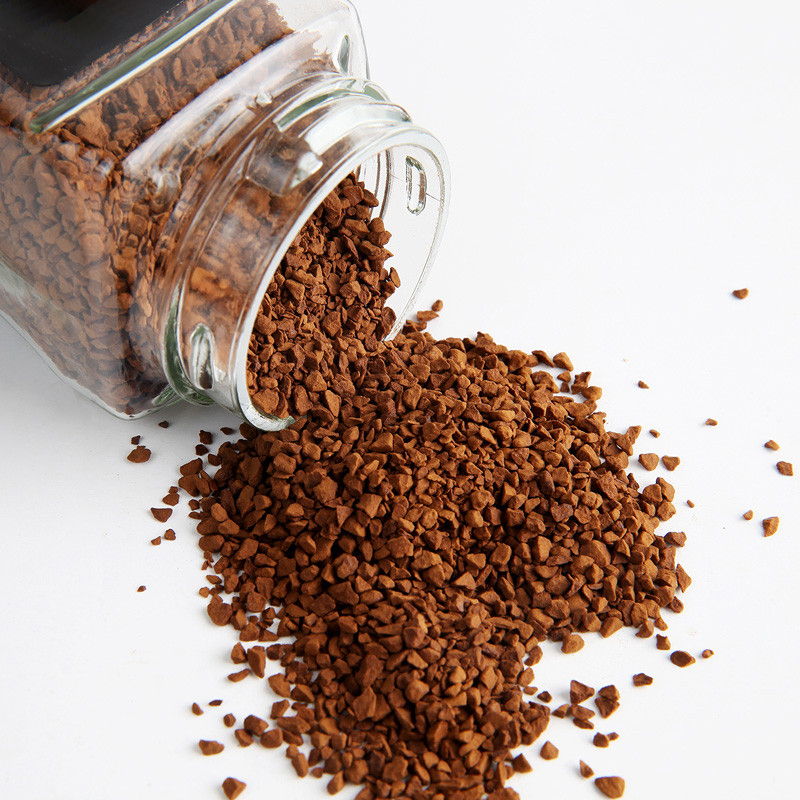
Customized Or Bulk Spray Dried Puer Tea Powder
Instant Soluble
Get a Quote
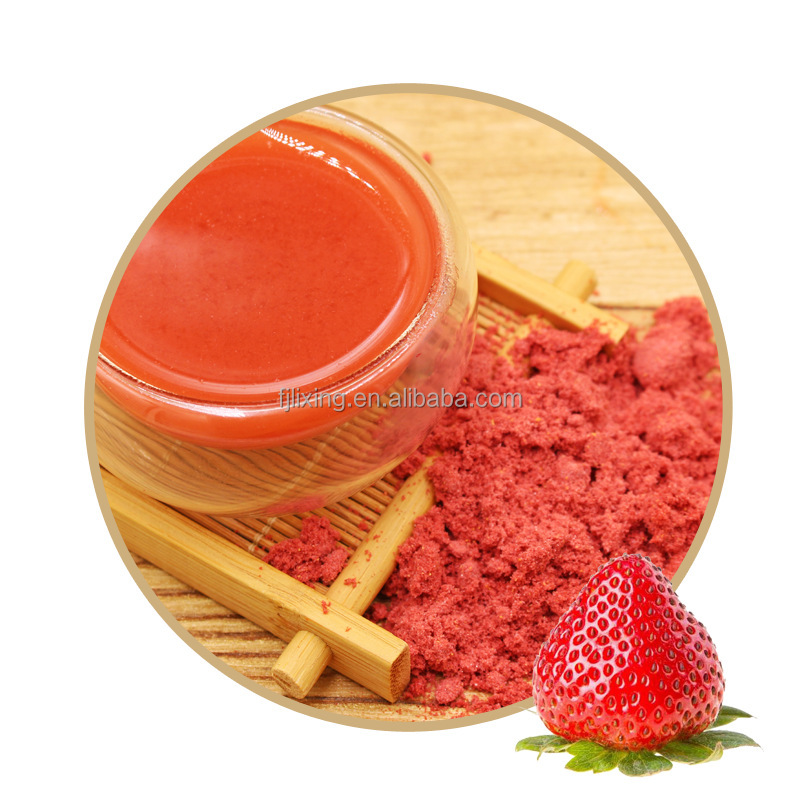
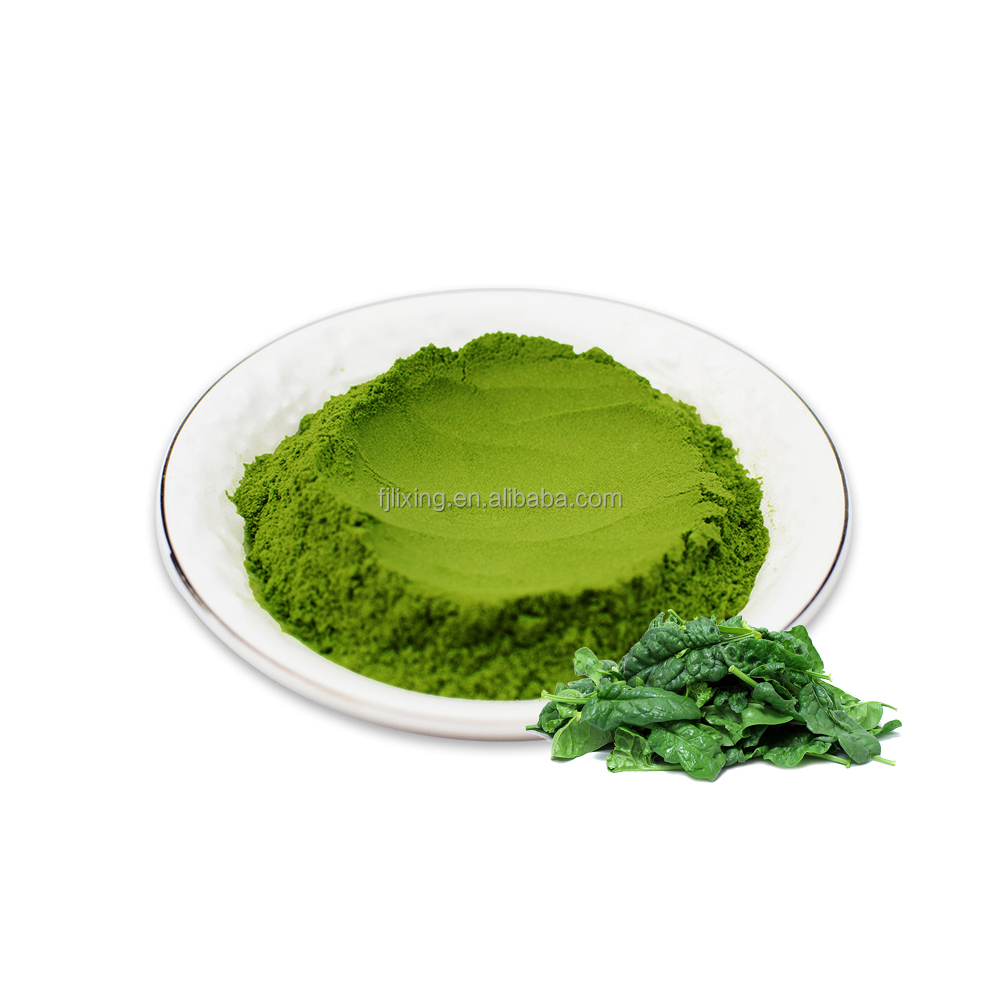
China Freeze Dried Fd Spinach Vegetable Powder
Chlorophyll Rich
Get a Quote
20+
Years Industrial Experience
62,718 m²
Facility Footprint
37 Lines
Vacuum Chamber Arrays
41
Authorized Patents
Engineering Authority
Why Tier-1 Brands Depend on Our Freeze-Drying Infrastructure
Operating beyond basic toll-drying: We provide an integrated, pharmaceutical-grade technical ecosystem tailored for multi-ingredient complex matrices.
Class-100,000 Cleanroom Processing
Secondary contamination during the critical transition from vacuum freeze-dry sublimation chambers to primary packaging represents the largest vulnerability in freeze-dried vegetable processing. Our facilities maintain automated Class-100,000 positive-pressure cleanroom workshops with strict relative humidity (RH < 30%) regulation, preventing hygroscopic reabsorption and maintaining microbiological compliance.
- Full HVAC HEPA air filtration & positive pressure locks
- Constant hygrometric controls to prevent clumping
- Metal detection and optical sorting lines integrated
37 FD Chambers (8,000 m² Vacuum Area)
Scale dictates stability. With 37 proprietary vacuum freeze-drying lines providing over 8,000 m² of operational plate surface, we deliver institutional capacity that dampens supply volatility. Each batch follows strict automated lyophilization curves, preserving natural organoleptic qualities, color saturation, and thermolabile vitamins through sublimative low-temperature dehydrations (-40°C to +35°C shelf progression).
- Rapid deep-freezing down to -45°C in minutes
- Microprocessor-governed condenser vacuum cycles
- Guaranteed batch-to-batch moisture uniformity (≤ 5%)
Analytical Quality Verification (In-House Lab)
Our internal laboratory does not rely on random testing proxies. Equipped with High-Performance Liquid Chromatography (HPLC), Atomic Absorption Spectrophotometry, and Atomic Fluorescence, our QA specialists verify heavy metal contents, pesticide residues, and nutritional indexes across every raw delivery and finished production run before issuing a Certificate of Analysis (COA).
- TÜV Rheinland onsite verified production facility
- BRCGS, HACCP, and ISO 22000 certified quality management
- Kosher and Halal compliant processing pipelines
Technical Specification & Dehydration Benchmark
For B2B procurement managers, evaluating dehydrated vegetable ingredients requires balancing cost against molecular integrity. Traditional Hot-Air Dehydration (AD) degrades cell structures and oxidizes carotenoids, while Vacuum Frying (VF) introduces unwanted fat fractions. Lyophilization (Freeze-Drying) operates entirely below the triple point of water, sublimating crystalline water without liquid-phase capillary collapse.
| Evaluation Parameter | Industrial Freeze Drying (FD) | Air Dehydration (AD / Hot Air) | Vacuum Frying (VF / Chip Style) |
|---|---|---|---|
| Core Drying Mechanism | Sublimation under deep vacuum (< 50 Pa) | Thermal moisture evaporation (> 65°C) | Dehydration via low-temp oil immersion |
| Residual Water Activity (Aw) | ≤ 0.20 (Safe against microbial growth) | 0.45 – 0.65 (Risk of structural hardening) | 0.25 – 0.35 |
| Nutrient & Vitamin Retention | 95% – 98% (Enzyme inactivation without heat) | 30% – 50% (Severe heat degradations) | 60% – 70% (Subject to lipid exposure) |
| Structural Porosity & Bulk Density | Porous sponge-like matrix; low bulk density | Shrunk, hardened, dense cellular matrix | Crisp, porous but filled with lipid coating |
| Rehydration Speed (Water at 80°C) | Fast (< 30 to 90 seconds) | Slow (10 to 25 minutes, chewy core) | Non-rehydrating (snack application only) |
| Fat Content Contribution | 0% Added Fat (Pure vegetable profiles) | 0% Added Fat | 15% – 30% Residual Vegetable Oils |
Conclusion for Formulators: Freeze-dried mixed vegetables provide unmatched advantages for instant cup ramens, dry meal replacements, soup sachets, and clean-label toddler culinary applications where instant rehydration and vibrant original appearance are non-negotiable.
Strategic Procurement
Future Sourcing & Category Evolution in Freeze-Dried Produce
Market analysts project substantial compound annual growth rates (CAGR) for clean-label, functional freeze-dried foods over the next decade. Sourcing strategies are actively transforming across major international territories.
1. Clean-Label Functional Mixed Blends
Global consumer sentiment is decisively rejecting maltodextrin bulking agents, sulfur bleaching, artificial food colorings, and added sodium. Contemporary B2B buyers now request single-ingredient or blended matrices containing broccoli, purple sweet potato, sweet corn, and spinach that serve simultaneously as natural coloring agents and nutrient enhancers in clean-label RTD blends and functional snack bags.
2. Micro-Milling & Micronized Superfood Powders
The standard diced format (5x5mm, 10x10mm) is now complemented by demand for ultra-fine micronized powders (80 to 200 mesh). Utilizing low-temperature attrition milling following lyophilization preserves the cell walls while achieving instantaneous dispersion in sports hydration packs, dry bakery premixes, instant extruded pasta doughs, and clean nutritional supplements.
3. Supply Chain Traceability & Residue Rigor
Import authorities (US FDA, EU EFSA, Japanese MHLW) continue lowering maximum residue limits (MRLs) for agricultural chemicals and heavy metals (Cadmium, Lead, Arsenic). Sustainable OEM relationships demand upstream contract farming validation, soil testing history, and lot-level traceability—systems embedded across our agricultural supply base in Zhangzhou, Fujian.
Buyer Knowledge Base
Frequently Asked Questions on Freeze-Dried Mixed Vegetable OEM/ODM
Technical considerations, minimum order quantities, logistics, and private-label packaging details addressed directly by our senior engineering staff.
What are your standard Minimum Order Quantities (MOQ) for custom mixed vegetable formulations?
For bulk ingredients (standard carton liners with double food-grade polyethylene interior bags), our typical entry MOQ is 100 kg to 500 kg per SKU, depending on raw material availability and specific cut ratios. For private-label, fully printed retail-ready packaging (stand-up barrier pouches, composite cans, or blister trays), MOQ starts from 5,000 to 20,000 units depending on printing cylinders and sachet specifications.
Can you customize specific mixing ratios, cut sizes, and shapes for quick-rehydrating soup cups?
Yes. We routinely engineer specific proprietary mixes—for example, 30% Sweet Corn, 25% Green Peas, 25% Diced Carrot (5x5mm), and 20% Diced Shiitake/Okra. Our industrial slicing, dicing, and pulverizing equipment can generate whole pieces, slices, flakes, 3x3mm/5x5mm/10x10mm cubes, or superfine 60-200 mesh powders tailored to the client's culinary application and target hydration velocity.
How does freeze drying safeguard product shelf life, and what barrier packaging is required?
Because freeze drying pulls residual moisture down below 3% to 5% with water activity (Aw) below 0.20, microbial growth (bacteria, yeast, mold) is completely halted without chemical preservatives. However, freeze-dried vegetables are intensely hygroscopic. We utilize high-barrier, aluminum-laminated packaging (such as PET/AL/PE) or multi-layer nylon vacuum barriers flushed with food-grade nitrogen (N2) to achieve stable ambient shelf lives spanning 18 to 24 months.
Which international quality and food safety certifications support your production facility?
Our manufacturing center operates under full BRCGS (Global Standard for Food Safety), HACCP, and ISO 22000 management systems. Our site has been inspected and audited onsite by TÜV Rheinland. In addition, select production lines and formulations hold verified Kosher and Halal certifications. Comprehensive export dossiers (including phytosanitary certificates, Certificates of Free Sale, allergen declarations, and non-GMO statements) accompany every export shipment.
What is your typical turnaround timeline from formulation sign-off to port departure?
For existing, non-custom bulk inventory, dispatch can occur within 7 to 10 working days. For custom OEM freeze-drying runs (harvesting, grading, custom slicing, freeze-drying, lab testing, and private label packaging), our standard cycle runs 3 to 4 weeks. Sampling kits with full specification sheets and microbiological profiles are usually dispatched via air courier within 3 to 5 business days for procurement evaluation.
Partner with an Established Freeze-Drying Manufacturer
Consult with our engineering and procurement team today. Receive tailored cut specifications, pricing matrices, and free lab sample dispatches for your custom formulation.
Get a Quote