Global Procurement Specifications for Industrial Freeze-Dried Carrot (Daucus carota)
As consumer demand transitions toward clean-label formulation, functional rehydration, and zero-additive vegetable nutrients, procurement officers face unprecedented challenges in managing volatile degradation and structural shrinkage caused by conventional hot-air drying. This comprehensive whitepaper details our industrial lyophilic engineering standards, cold-chain sublimation dynamics, and OEM production capabilities.
Featured Industrial Portfolio: Dehydrated Ingredients & Derivatives
Direct factory supply with standardized analytical certificates (COA), microbiological screening, and customizable granulation.
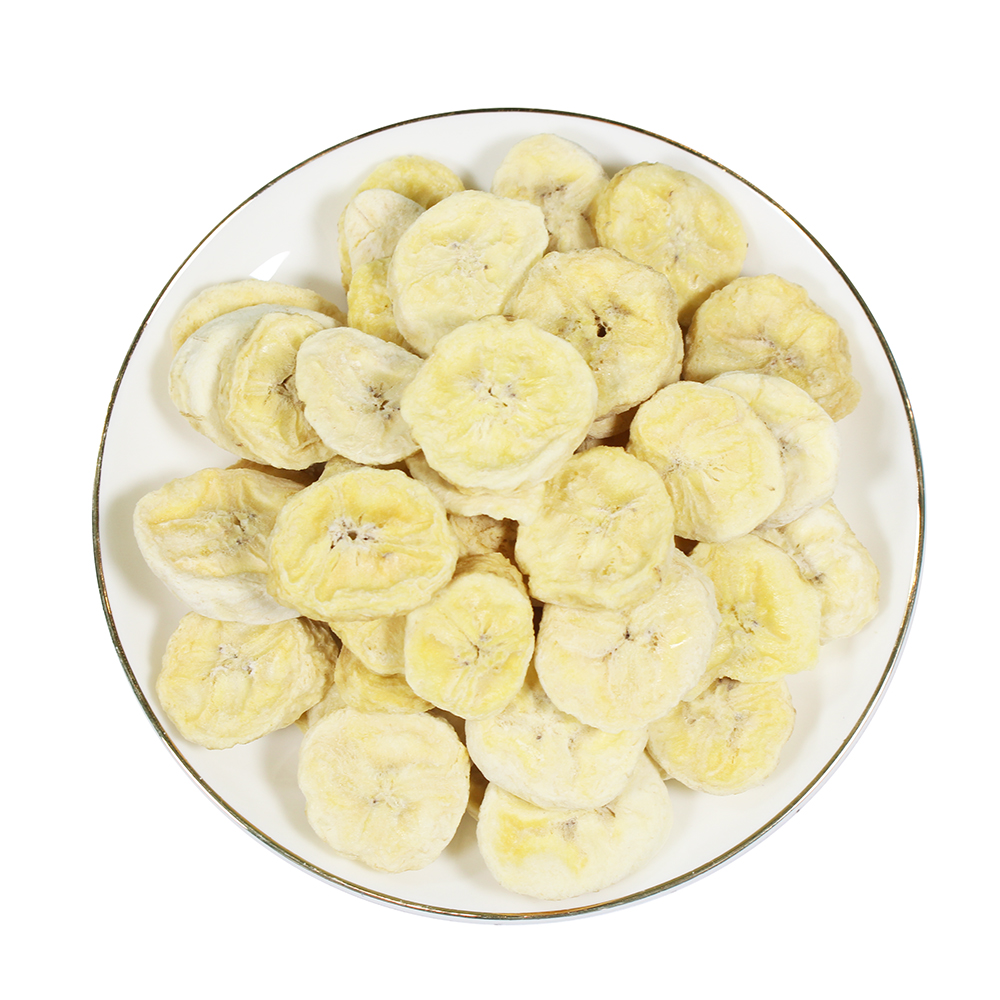
OEM Bulk Organic Freeze Dried Banana Chips / Slices
- Cut Profile: Slices (3-5mm) / Powder
- Residual Moisture: ≤ 3.5% (Karl Fischer)
- Application: Cereals, Snacking, Bakery
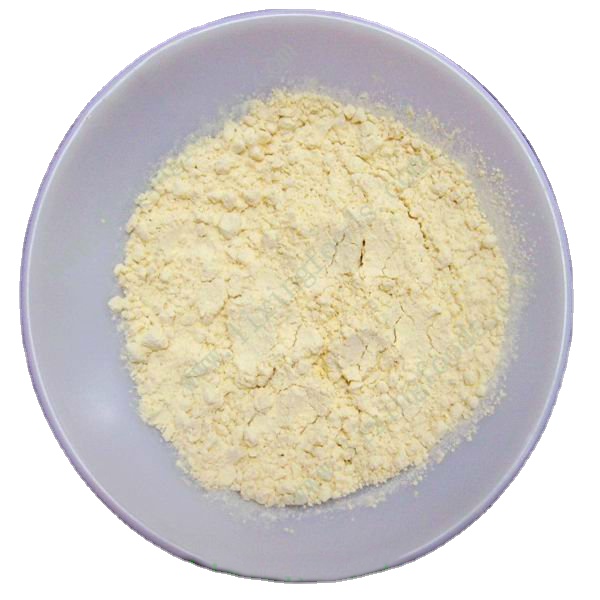
Organic Fruit Freeze Dried Banana Powder Pure Grade
- Mesh Sieve: 60-120 Mesh Pass
- Purity: 100% Zero Additives
- Application: Infant Formula, Beverages
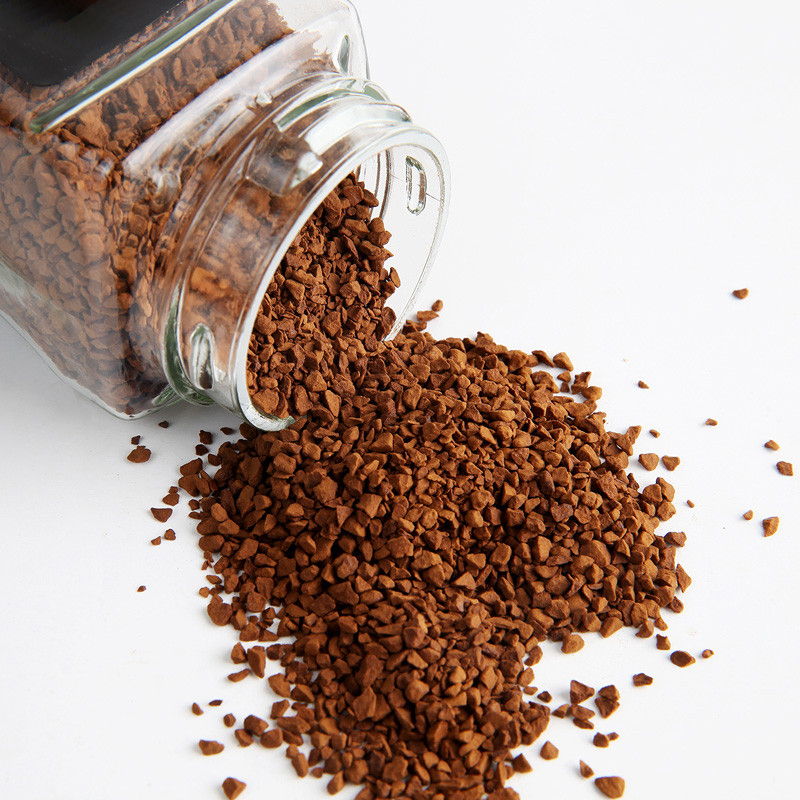
OEM Freeze Dried Instant Coffee Granules & Micro-Powder
- Origin: Arabica / Robusta Blends
- Solubility: Instant Cold-Water Dispersion
- Packaging: Nitrogen Bulk Cartons / Tins
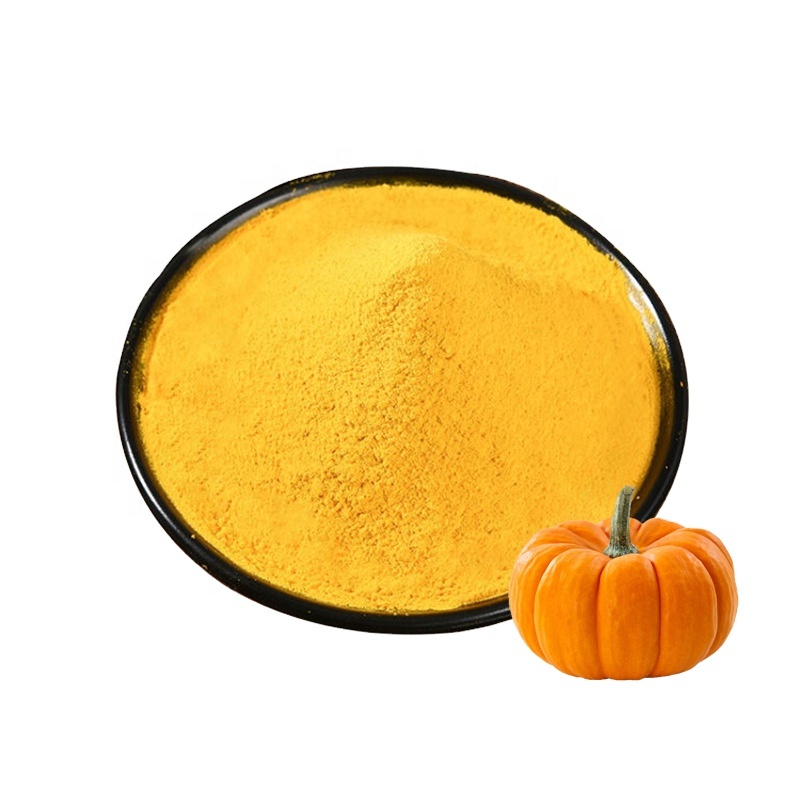
Wholesale Freeze Dried Pumpkin Vegetable Functional Powder
- Carotenoid Level: Native Preserved Matrix
- Granulation: 80-200 Mesh Tailored
- Application: Soup Pre-mixes, Extrusion
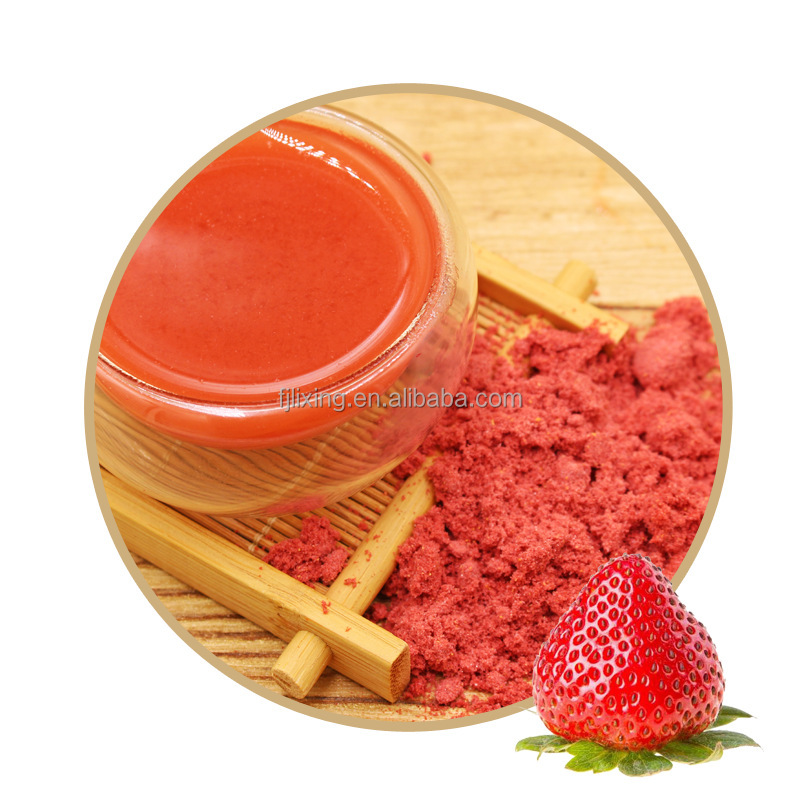
High Quality Freeze Dried Instant Strawberry Extract Powder
- Color Retention: Natural Anthocyanins
- Formulation: Dairy-Ready Instant Dispersion
- Safety Standard: Pesticide Screened <0.01 ppm
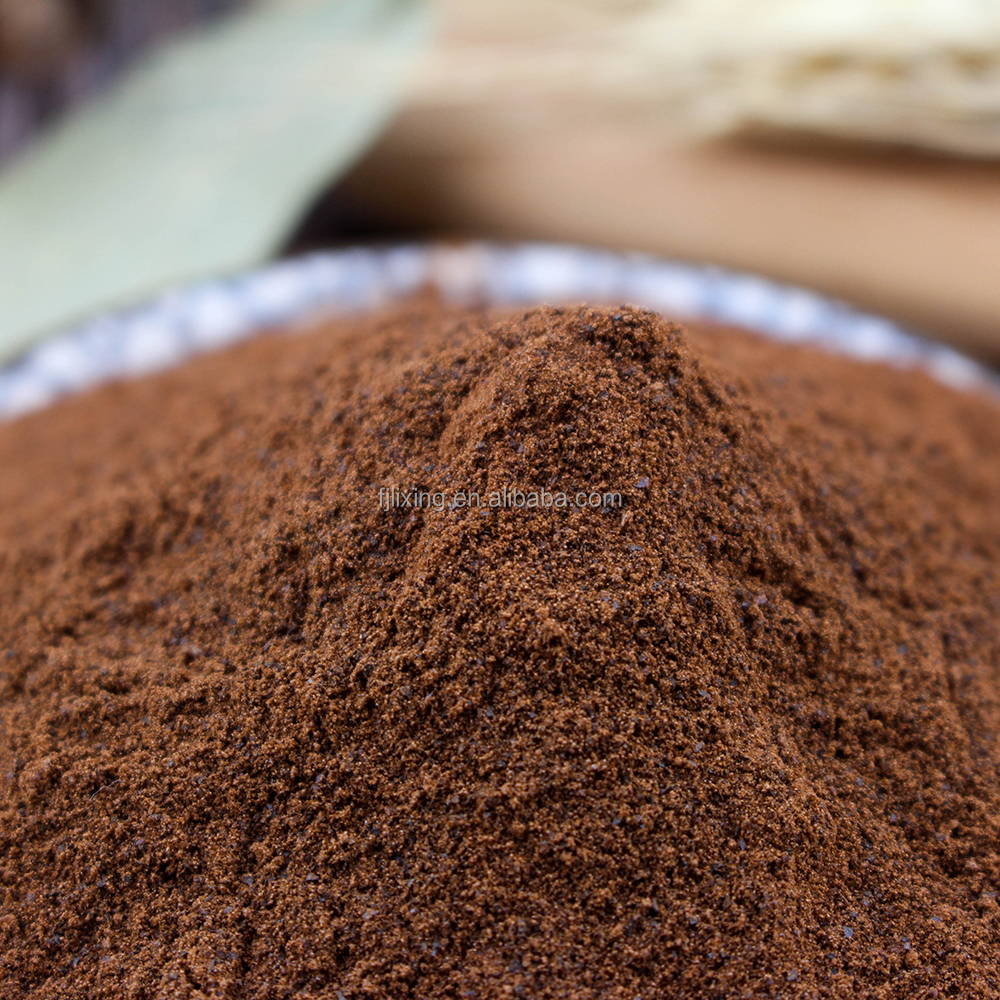
Customized Spray / Freeze Dried Pu'erh Tea Extract Powder
- Polyphenol Content: Assayed ≥ 28%
- Concentration: Continuous Counter-Current
- Packaging: Food-Grade Multi-wall Aseptic
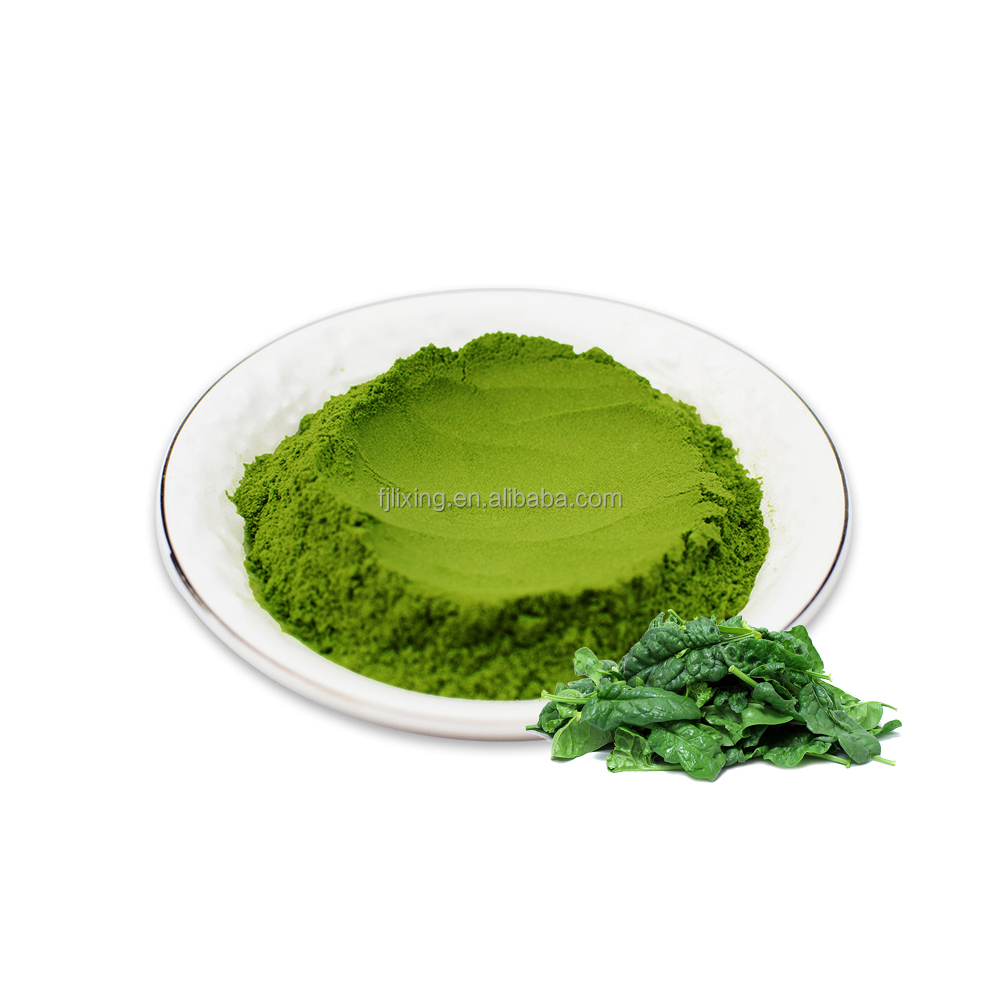
China Freeze Dried Pure Spinach Vegetable Micronized Powder
- Heavy Metals: Pb <0.2mg/kg, Cd <0.1mg/kg
- Rehydration Time: < 30 Seconds in Ambient Water
- Target Market: Green Blends, Ready Meals

Factory Supply Mesona Chinensis Herbal Standardized Powder
- Solvent Type: Pure Aqueous Extraction
- Gel Strength: Consistent Rheology Baseline
- Supply Capacity: Contract Farming Continuity
Engineering Bioavailability: The Freeze-Drying Mechanism for Carrots
Freeze drying, or industrial lyophilizate engineering, bypasses liquid-phase water vaporization via sublimation under high-vacuum cryogenic conditions (<0.05 mbar, -40°C). For beta-carotene-rich taproots such as Daucus carota, conventional thermal treatments (rotary drum or convection kilns) trigger substantial isomerization of all-trans-β-carotene into 13-cis-β-carotene, reducing both optical chromaticity and pro-vitamin A efficacy.
| Quality & Nutritional Metric | Industrial Vacuum Freeze-Drying (FD) | Standard Air Dehydration (AD) | Vacuum Microwave Drying (VMD) |
|---|---|---|---|
| All-Trans-β-Carotene Retention | 92% – 96% Bio-active Preservation | 38% – 54% Severe Heat Oxidation | 71% – 78% Moderate Thermal Loss |
| Rehydration Speed (Water at 80°C) | 30 – 45 Seconds (Complete Restoration) | 10 – 15 Minutes (Tough, Leathery Core) | 3 – 5 Minutes (Irregular Texture) |
| Residual Water Activity (aw) | 0.15 – 0.25 aw (Inhibits Microbial Growth) | 0.45 – 0.60 aw (Hydrolytic Risk) | 0.30 – 0.40 aw |
| Pore Morphology & Shrinkage | < 3% Shrinkage, Highly Porous Micro-lattice | 65% – 80% Shrinkage, Dense Cellular Collapse | 25% – 40% Non-uniform Voids |
| Natural Sugar Crystallization | Amorphous Solid Dispersion, Anti-Caking | Thermal Caramelization, Dense Agglomeration | Surface Glazing Occurrence |
Global Procurement Trends Shaping the Freeze-Dried Carrot Market
Enterprise sourcing teams across North America, the European Union, Japan, and the Asia-Pacific region are navigating evolving regulatory landscapes, consumer nutrition shifts, and clean-label reformulation mandates.
Clean-Label Reformulation & Natural Pigment Demands
Regulatory restrictions on artificial synthetic food dyes (such as Yellow 5 and Yellow 6) have compelled major multinational cereal, confectionery, and functional beverage manufacturers to replace artificial pigments with natural, high-purity freeze-dried carrot micro-powders. Retaining a high Hunter color L*, a*, and b* index under sub-zero vacuum processing allows brands to deliver stable, clean-label chromatic profiles without resorting to E-number chemical colorants.
Hyper-Growth in Freeze-Dried Pet Nutrition (BARF Diets)
The premiumization of companion animal nutrition has propelled raw biologically appropriate pet food (BARF) into mainstream enterprise channels. Commercial dog and cat food formulators increasingly mandate freeze-dried carrot dices (3x3x3mm and 5x5x5mm) as functional fiber and pro-vitamin inclusions. Because industrial freeze drying maintains complete cellular integrity, dry pellets expand rapidly upon liquid addition without leaching structural nutrients into surrounding matrices.
Instant Ready Meals & Emergency Ration Resilience
Modern consumers require instant noodles, functional ramen broths, backpacking meal pouches, and military MREs that fully hydrate in under one minute. Conventional air-dried vegetables take 10 to 15 minutes to rehydrate and remain tough; our freeze-dried carrot dices, processed with flash steam blanching and vacuum freezing, establish micro-capillary honeycombs that absorb ambient or boiling water almost instantly.
Rigorous Verification of Heavy Metals & Pesticides
Root crops inherently absorb trace minerals from agricultural soils, exposing brands to cross-border rejection if arsenic, cadmium, lead, or organophosphates exceed statutory thresholds. Leading importers are consolidating their supplier rosters toward manufacturers with proprietary farming baselines, full field-to-freeze traceability, and continuous mass spectrometry screening that meets strict EU and FDA Infant-Grade safety limits.
Custom Mechanical Formats: Slices, Dices, Flakes & Powders
Commodity supply models are giving way to custom engineering. Industrial food mixers require precise particle-size distributions (PSD) with calibrated bulk density (g/ml) to prevent separation in dry spice blends. From 100-mesh superfine sprayable powders to 10x10x10mm intact soup cubes and 2mm cross-cut decorative flakes, enterprise procurement prioritizes facilities offering custom cutting machinery within cleanroom environments.
Sustainable Cold-Chain & Decarbonized Lyophilization
Because freeze drying requires significant sublimation energy, corporate ESG mandates require commercial manufacturers to cut carbon emissions. Leading production plants deploy heat-recovery vacuum pumps, photovoltaic cleanroom roofs, and water circulation loops to lower the environmental footprint per metric ton, assisting institutional buyers in satisfying their Scope 3 greenhouse gas reporting targets.
Enterprise Industrial Infrastructure: Fujian Fynergy Foods Co., Ltd.
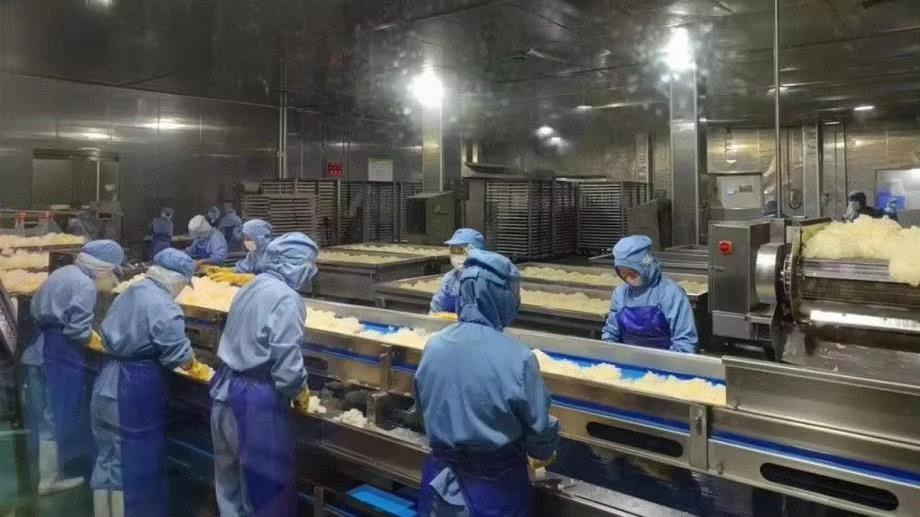
Headquartered in Zhangzhou, Fujian, our expansive 62,718 m² manufacturing complex operates at the nexus of agricultural provenance and industrial freeze-drying technology. Operating continuously for more than 20 years, our facility bridges contract farming operations with end-to-end vacuum sublimation lines.
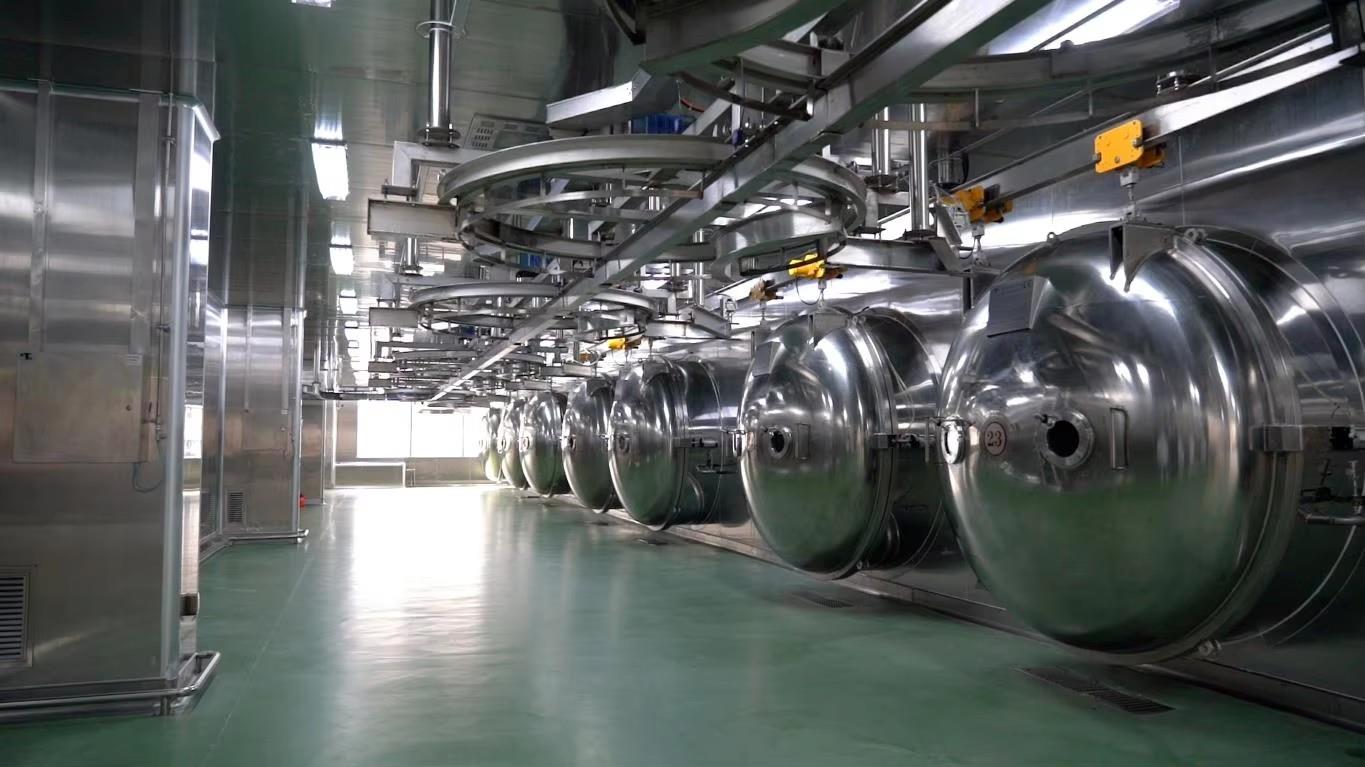
- 37 Industrial Freeze-Drying Lines: Over 8,000 m² of vacuum chamber area with continuous temperature monitoring and automated sublimation pressure adjustments.
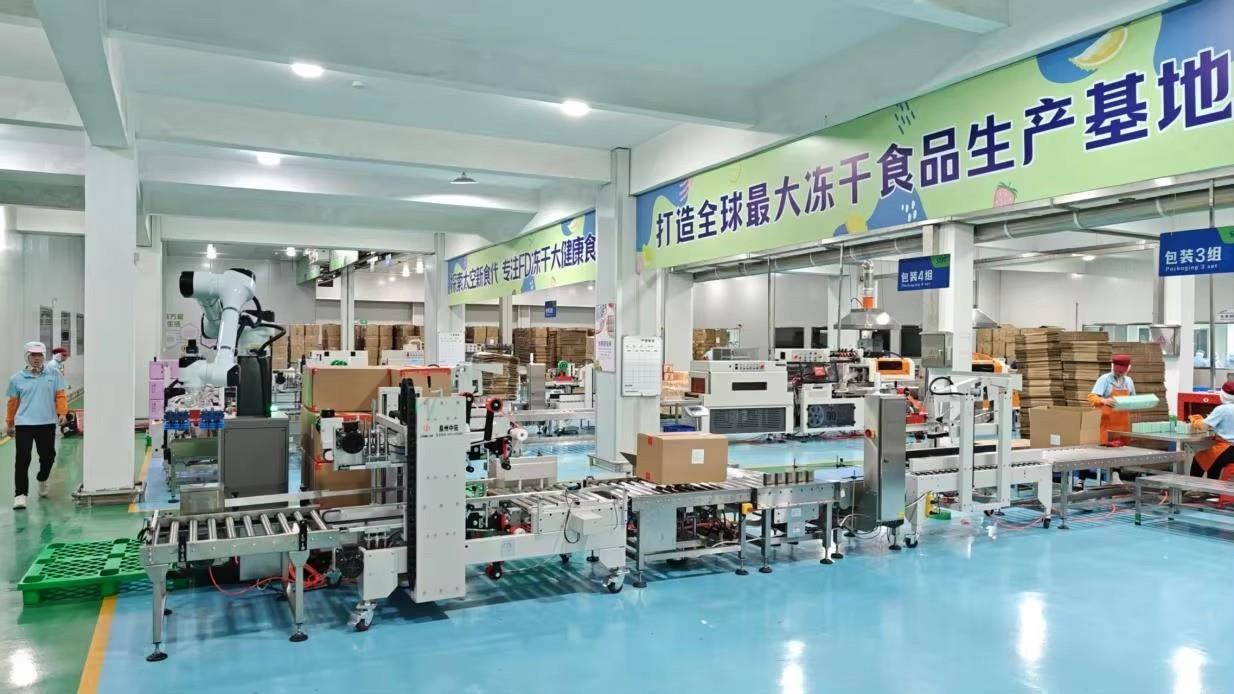
- Class-100,000 Cleanroom Packaging: Controlled cleanroom areas eliminate secondary airborne bacterial and moisture contamination prior to nitrogen-flushed seal integrity.
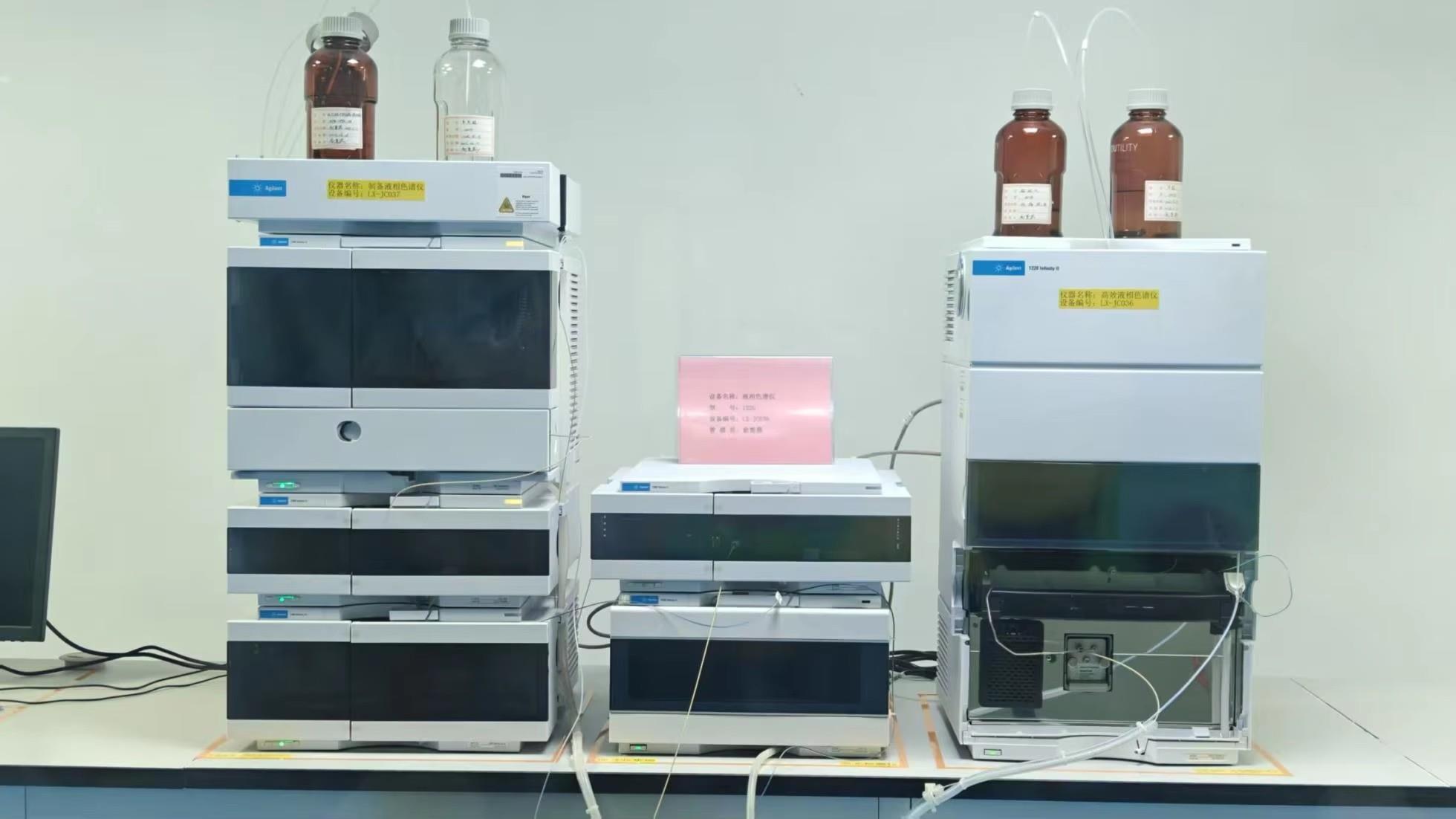
- Advanced In-House QA/QC Laboratory: Equipped with Liquid Chromatography (HPLC), Atomic Absorption, Atomic Fluorescence, and automated Kjeldahl apparatus for rigorous testing.
- Tier-1 Third-Party Verification: Fully certified under BRCGS (Food Safety Global Standard), HACCP, and ISO 22000, and verified onsite by TÜV Rheinland for Fortune 500 supply audits.
Frequently Asked Technical Questions (FAQ) for Freeze-Dried Carrot Sourcing
Critical parameters addressed by our senior food scientists and export logistics directors to assist international buyers during technical auditing and contract drafting.