Featured Freeze-Dried & Extracted Ingredients Portfolio
Engineered for rapid rehydration, maximum cellular nutrient preservation, and zero-compromise sensory crispness. Direct factory supply for contract manufacturing and retail brand scalability.
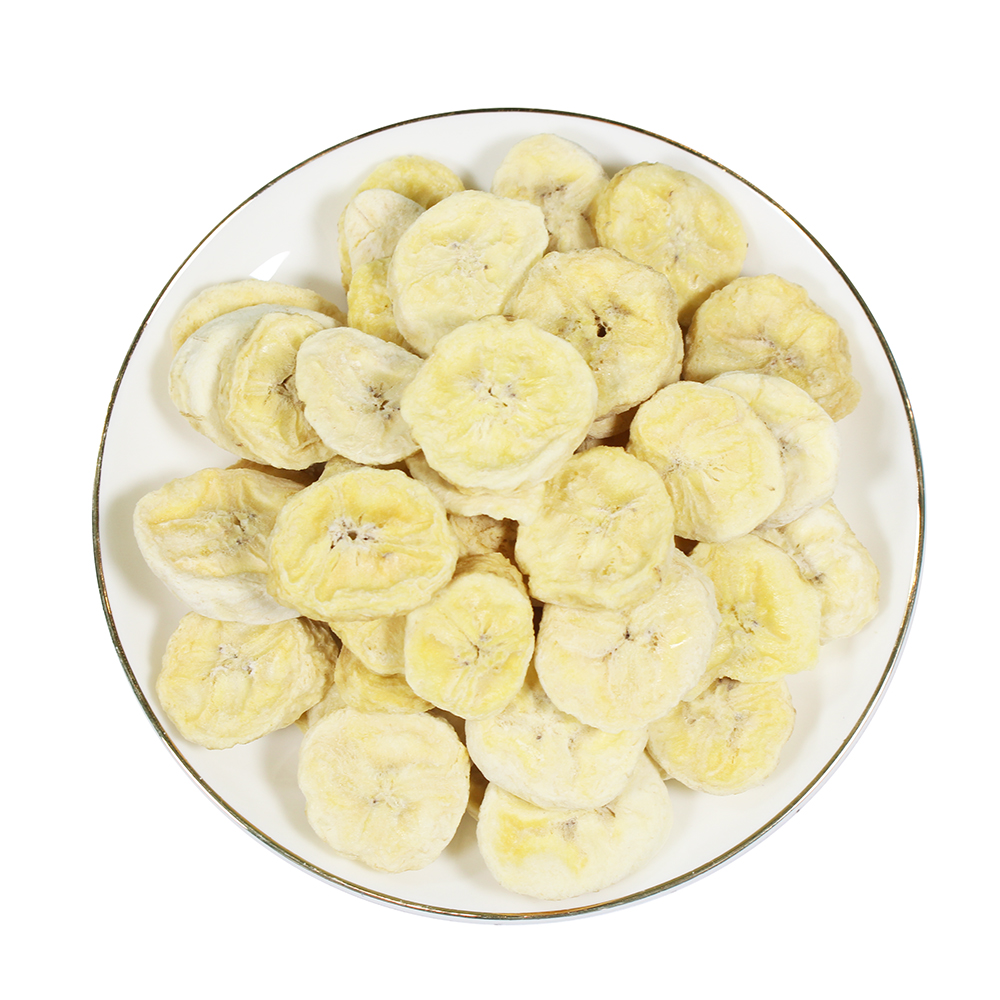
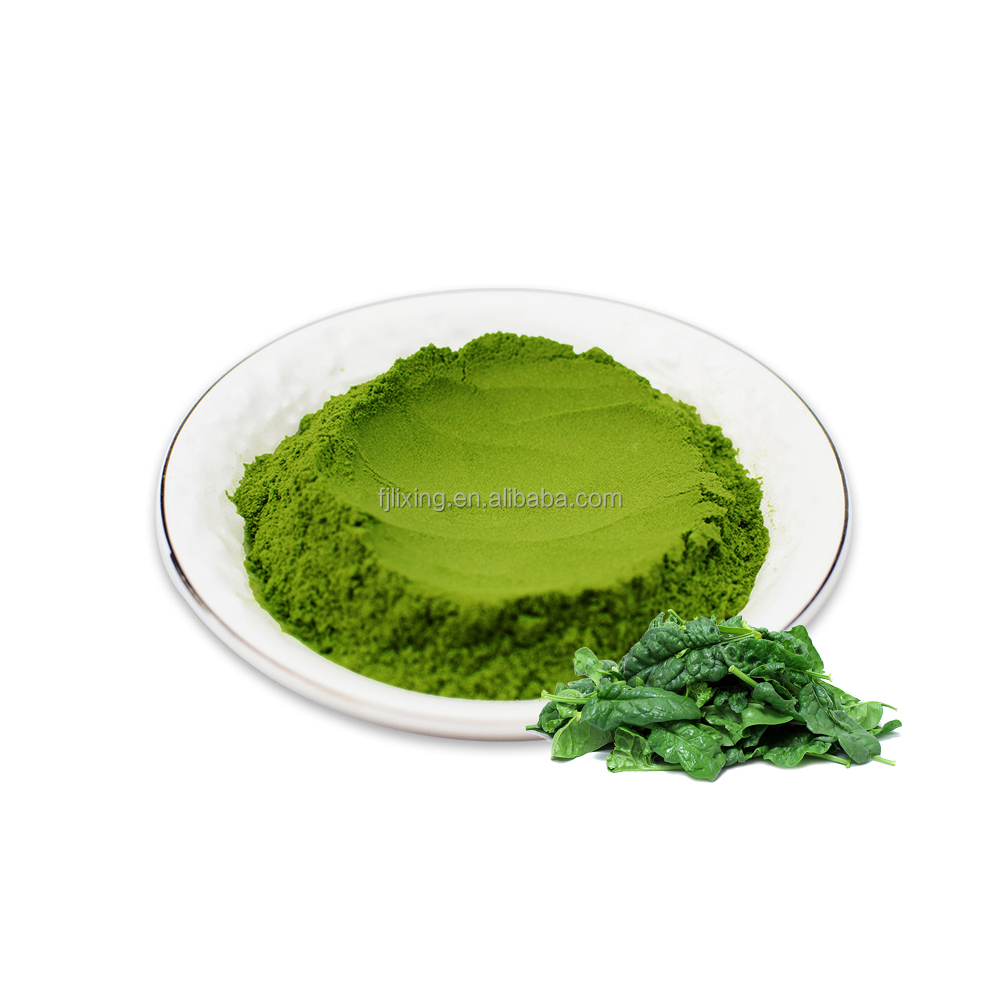
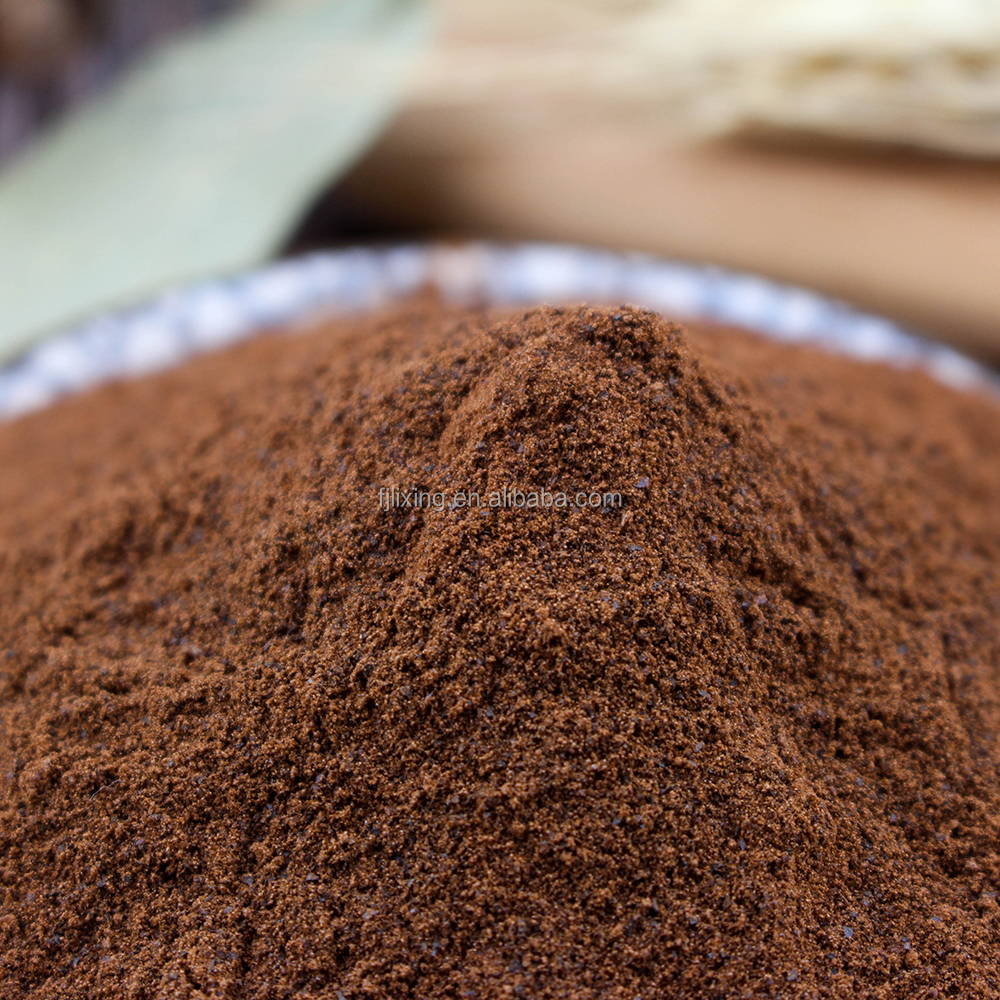
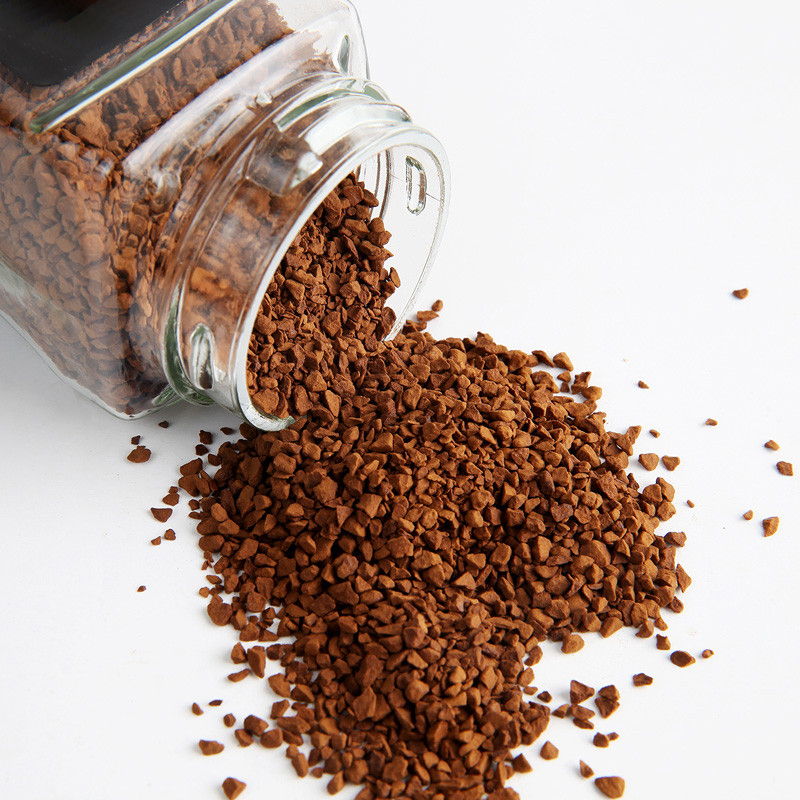
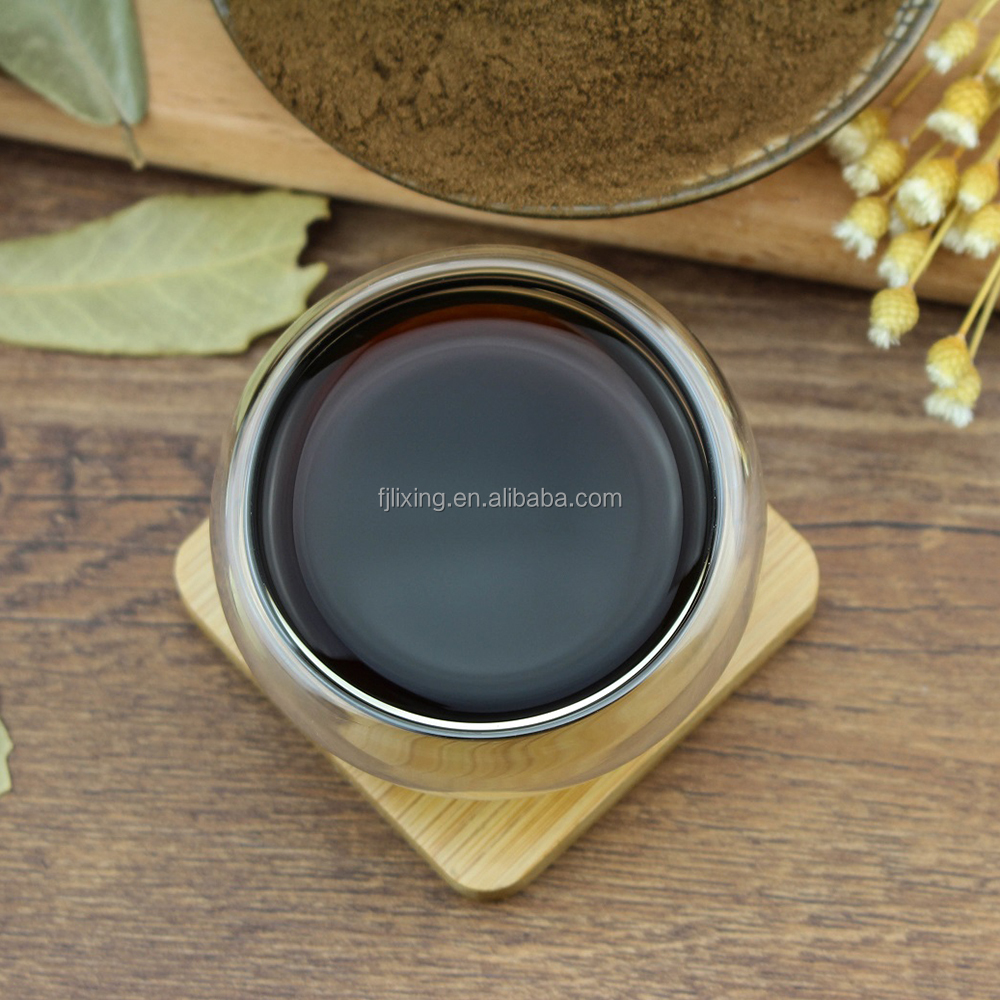
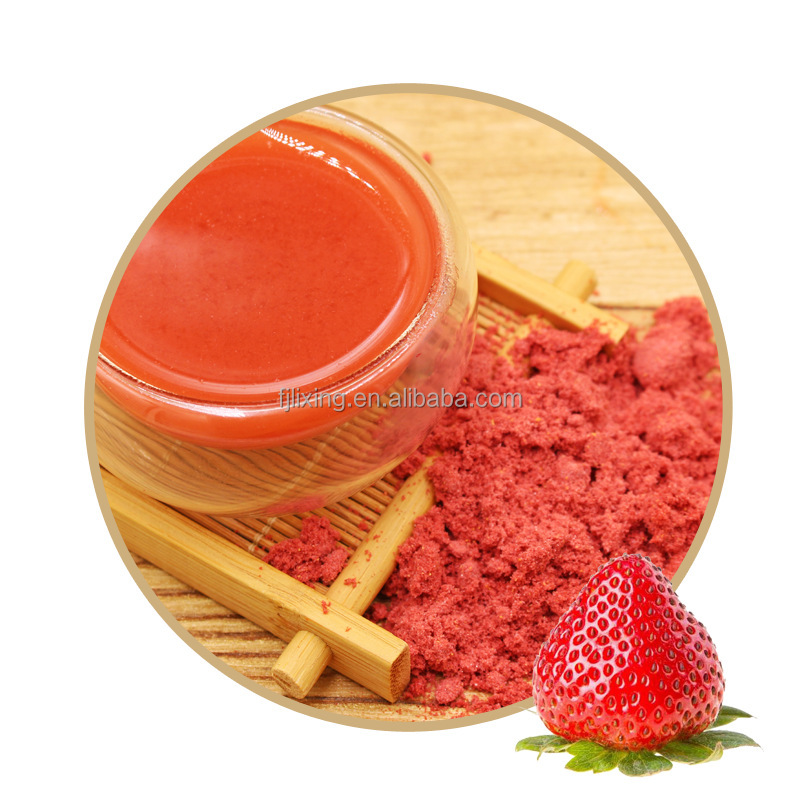
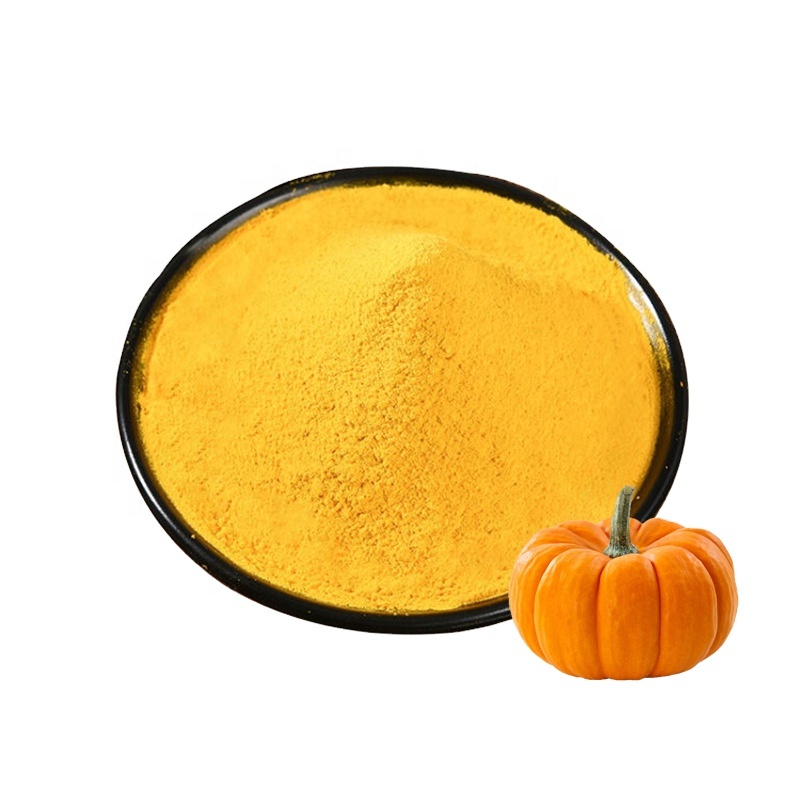
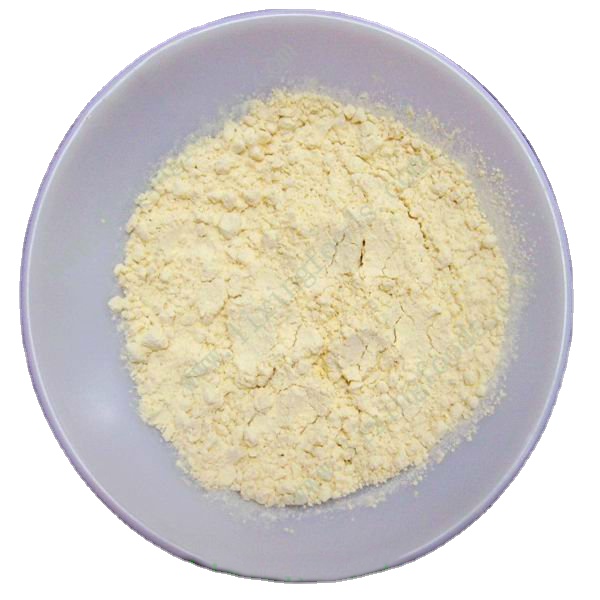
Industrial Lyophilization Architecture: Custom OEM Strawberry Production
Vacuum freeze-drying (Lyophilization) operates at the nexus of thermodynamic phase equilibrium, cellular sublimation, and precise moisture migration. Unlike thermal evaporation which degrades structural parenchyma cells and oxidizes ascorbic acid, our cryogenic lyophilization preserves intact pectin networks, natural vibrant anthocyanins, and original aromatic aldehydes.
Phase Transition & Sublimation
Strawberries (Fragaria × ananassa) are pre-frozen at -38°C to -45°C within 45 minutes to prevent large ice crystal nucleation that can rupture cell walls. Under primary sublimation vacuum pressures of 10 to 30 Pa, ice crystals transition directly into water vapor, leaving a microscopic honeycomb capillary skeleton that yields an unmistakable brittle crunch without structural shrinkage.
Preservation of Anthocyanins & Vitamin C
Pelargonidin-3-glucoside, the primary pigment responsible for the vibrant ruby hue of strawberries, is exceptionally heat- and oxygen-sensitive. By drying in low-oxygen vacuum chambers with mild shelf heating (≤ 55°C) during secondary desorption, we maintain > 92% active bio-availability of Vitamin C and protect against enzymatic browning (polyphenol oxidase suppression).
Water Activity (aw) & Microbial Stability
We target a finished product residual moisture content of ≤ 3.0% with a critical water activity reading of aw < 0.20. At these thermodynamic indices, enzymatic activity cease entirely and mold, aerobic bacteria, and yeasts cannot proliferate, enabling an authentic 18-to-24-month ambient shelf life when sealed in nitrogen-purged high-barrier laminate film.
Custom OEM Freeze Dried Strawberry Specifications Matrix
From whole calibrated strawberries for luxury confectionery enrobing to finely milled free-flowing powder for extruded infant nutrition and dairy formulations. We provide comprehensive OEM/ODM customization across all cuts, particle sizes, and bulk packing solutions.
| Cut / Form Factor | Physical Dimensions | Target Moisture / aw | Key Industrial Applications | Standard Packing Format |
|---|---|---|---|---|
| Whole Berries (Grade A) | 15-25mm / 25-35mm calibrated | ≤ 3.0% / aw < 0.22 | Chocolate panning, luxury snack pouches, gifting | 5-8 kg / Carton + Double PE |
| Strawberry Slices | Thickness: 4-6mm / 6-8mm | ≤ 3.5% / aw < 0.25 | Muesli, granola clusters, oatmeal inclusions, teas | 8-10 kg / Carton + Double PE |
| Dices & Crushed Bits | 1-3mm / 3-5mm / 5-8mm sieving | ≤ 3.0% / aw < 0.20 | Bakery toppers, cookies, ice cream, energy bars | 10 kg / Corrugated Box |
| Micronized Pure Powder | 60-80 mesh / 100-120 mesh | ≤ 2.5% / aw < 0.18 | Beverage premixes, protein shakes, macarons, cosmetics | 15-20 kg / Drum + Foil Liner |
| Probiotic / Yogurt Coated | Custom enrobed formulations | ≤ 4.0% / aw < 0.30 | Functional snacking, toddler finger foods, retail packs | Bulk or Stand-Up Zipper Pouch |
Future Sourcing & Procurement Trends in Lyophilized Fruits (2025–2030)
As enterprise buyers shift from transactional spot purchases toward integrated value-chain resilience, emerging market drivers are transforming contract requirements for OEM freeze-dried strawberry sourcing.
1. Radical Clean Label Transparency
Consumers and regulatory watchdogs in North America and the European Union have accelerated restrictions on artificial azo dyes (Allura Red AC) and added refined sugars. Global food manufacturers increasingly use micronized freeze-dried strawberry powder as a dual-function ingredient: delivering 100% natural red chromaticity alongside legitimate clean-label fruit nutrition claims. Procurement protocols now prioritize unadulterated single-ingredient inputs without carrier agents (like maltodextrin).
2. Consolidation & ESG-Driven Capacity
Freeze drying has historically been an energy-intensive industrial process. As Scope 1, 2, and 3 emission audits become mandatory for Fortune 500 procurement teams, small boutique suppliers face compliance bottlenecks. Tier-1 enterprise buyers are transitioning their supply networks to large-scale manufacturers operating waste-heat recovery systems, vacuum frequency-modulation compressors, and closed-loop solar water heating. Facilities with high chamber volumes (such as our 37 lines) lower carbon expenditure per kilogram of output.
3. Rapid Cold-Water Rehydration In Tea & Ready Meals
Convenience retail and the specialty beverage boom (fruit cold brews, instant functional boba, quick-dissolve fruit tea blocks) require lyophilized fruit matrices that rehydrate instantly without turning mushy. OEM R&D is now focused on micro-porosity engineering: modifying freezing cycle descent rates to govern pore size within the dried strawberry tissues, allowing complete rehydration in ambient water within under 45 seconds.
4. Hybrid Snack Formulations (Candy & Dairy)
Cross-category innovation has bridged the gap between pure dehydrated agricultural products and confectionery treats. Freeze-dried confectionery, freeze-dried yogurt melt cubes infused with whole strawberry pieces, and chocolate-injected lyophilized strawberries (where fat-based cocoa mass is forced into the fruit's internal sublimation pores under pressure) represent the fastest-growing SKU segments across retail convenience channels.
5. Multi-Origin Sourcing Contingency Protocols
Volatile weather patterns in traditional strawberry harvesting belts (California, Spain, Poland) have spurred large food corporations to mitigate risk by establishing reliable OEM partnerships in Fujian, China. With extensive multi-climate agricultural zones, centralized cold-storage buffer depots, and standardized industrial QA labs, Chinese supply lines offer critical stability against seasonal supply shortages.
Enterprise Manufacturing Infrastructure & Rigorous Quality Control
Backed by over two decades of technical dedication, our Zhangzhou manufacturing facility provides audited food safety systems and verifiable industrial volume to ensure your supply integrity never falters.
Class-100,000 Cleanroom Processing
Freeze-dried foods are exceptionally hygroscopic and rapidly absorb ambient humidity. Our unloading, sorting, cutting, sieving, and primary packaging lines operate within pressurized Class-100,000 cleanrooms maintained at < 30% relative humidity (RH). This eliminates cross-contamination and moisture recapture before hermetic sealing.
In-House Analytical Laboratory
Every single batch undergoes testing in our internal analytical laboratory. Equipped with High-Performance Liquid Chromatography (HPLC) for pesticide screening, Atomic Absorption and Atomic Fluorescence Spectrophotometers for heavy metal detection (Lead, Arsenic, Cadmium, Mercury), and Automated Kjeldahl systems to guarantee safety across strict FDA, EFSA, and CFIA standards.
Audited International Certifications
Our operations comply strictly with international quality regimes: BRCGS Global Standard for Food Safety (Grade AA certification), Hazard Analysis Critical Control Point (HACCP), and ISO 22000. For specialized regional access, select production lines carry authentic Halal and Kosher certifications, with on-site facility audits verified by TÜV Rheinland.
Fortune 500 Track Record
We operate as an authorized OEM/ODM supply chain partner for multi-national beverage conglomerates, cereal brands, and tier-one convenience retailers worldwide. Our enterprise supply agreements provide guaranteed lot-to-lot color match, strict microbial thresholds, and uninterrupted shipping schedule commitments.
Turnkey OEM Private Label Capabilities
From custom nitrogen-flushed zipper foil pouches, retail canister packaging, and snack cups to bulk industrial barrier bag-in-box cartons. Our packaging department manages end-to-end design layout, barcode registration, barrier material thickness optimization, and international customs-ready export labeling.
B2B Procurement FAQ: Lyophilized Strawberry Sourcing
Comprehensive answers to common technical, logistics, compliance, and ordering questions from international food brand purchasers and quality assurance teams.
What are the minimum order quantities (MOQ) for custom OEM freeze-dried strawberries? +
Our standard minimum order quantity for bulk industrial ingredients (whole berries, slices, dices, and powder in bulk corrugated cartons with double inner PE liners) begins at 200 kg to 500 kg per SKU. For fully customized private-label retail packaging (such as printed stand-up zipper foil pouches, plastic tubs, or display canisters), MOQs generally start at 10,000 to 30,000 retail units depending on pouch dimensions, packaging material thickness, and print cylinders required. We can provide smaller pilot quantities for new product launches, trial market evaluations, and recipe testing.
How does freeze drying compare directly with air-dried or VF (vacuum fried) strawberry products? +
Vacuum freeze-drying (FD) operates via sublimation at sub-zero temperatures without high heat or added oils. This preserves the strawberry's biological cellular framework, natural vibrant red color, and volatile flavor notes, achieving a crisp texture with residual moisture ≤ 3% and zero added fats. Air-drying (AD) utilizes continuous hot air, which breaks down delicate cell walls, degrades Vitamin C, causes severe shriveling, darkens color, and leaves a chewy, leathery texture with 12-18% moisture. Vacuum frying (VF) relies on oil as a heat-transfer mechanism in a vacuum chamber, resulting in a crunchy texture that contains 15% to 30% residual cooking fat, which conflicts with clean-label, oil-free consumer preferences.
What food safety certifications, audit reports, and test documentation do you provide? +
Our factory operates under fully audited BRCGS Global Food Safety Standard (Issue 9), HACCP, and ISO 22000 management systems. Selected manufacturing lines hold recognized Kosher and Halal certifications. For every commercial batch shipped, we supply a comprehensive Certificate of Analysis (COA) detailing physical dimensions, moisture percentage (≤ 3.0%), water activity, foreign matter inspection results, and full microbiological assays (Total Plate Count, Yeast & Mold, Coliforms, Salmonella, E. coli, Listeria monocytogenes). Independent third-party testing (SGS or Eurofins) for heavy metals and multi-residue pesticide screens compliant with US FDA and EU pesticide MRLs is available on demand.
Can you produce custom strawberry cuts, mesh sizes, and functional infusions? +
Yes. As an integrated OEM/ODM manufacturer, we offer full mechanical flexibility across our sizing and milling lines. We calibrate whole berries (15-22mm small grade, 22-35mm premium grade), cut slices (4mm, 6mm, 8mm precision slicing), dice bits (1-3mm, 3-5mm, 5-8mm cube sieving), and grind micronized powders ranging from 60 mesh to 120 mesh. Furthermore, our R&D team develops custom formulations including probiotic-infused strawberry dices, yogurt-glazed cubes, prebiotic fiber coatings, and confectionery fruit infusions tailored to brand briefs.
What is the expected shelf life and recommended storage environment? +
Our freeze-dried strawberry products offer an expected shelf life of 18 to 24 months from the date of manufacture when stored in their original unopened packaging. Because freeze-dried foods are highly hygroscopic, they must be stored in a cool, dry warehouse environment (≤ 22°C / 72°F and ≤ 50% Relative Humidity) away from direct sunlight, pungent odors, and high-heat sources. Once secondary retail pouches are opened by processors or consumers, they should be promptly resealed to prevent ambient moisture absorption and loss of crispness.
What are the lead times for samples, contract manufacturing, and export shipping? +
Standard product specification samples from current inventory can be dispatched via international air courier within 3 to 5 business days. Custom cut configurations or specialty formulation samples require approximately 7 to 10 working days. Commercial production lead times for standard bulk carton orders range from 15 to 25 days upon formal purchase order confirmation and deposit receipt. Fully customized private-label retail packaging runs require 30 to 40 days for initial cylinder engraving, film production, and packaging. Our deep-water port proximity in Xiamen/Fuzhou ensures fast container loading and regular ocean transit schedules worldwide.
Accelerate Your Commercial Freeze-Dried Product Development
Connect directly with our food scientists, packaging engineers, and export specialists. Request technical specification sheets, heavy metal analytical COAs, custom cut sizes, and trial sample boxes.