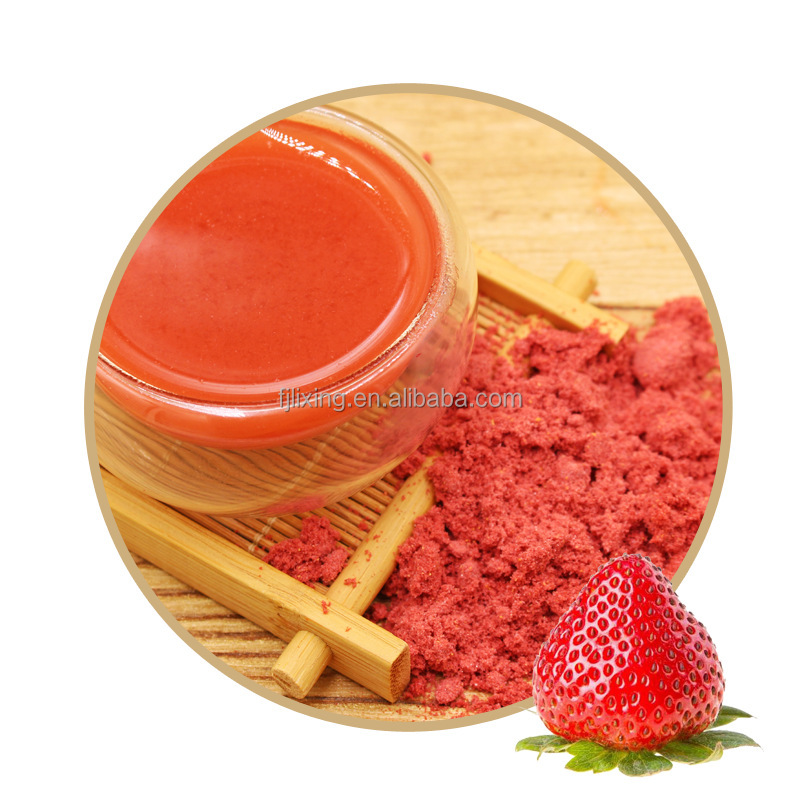
High Quality New Stock Freeze Dried Instant Strawberry Powder
- Mesh Size: 60–120 Mesh
- Moisture: ≤ 3.5%
- Application: Bakery / Dairy / Beverage
Precision vacuum-sublimated ingredients developed under stringent BRCGS, HACCP, and ISO 22000 manufacturing controls.
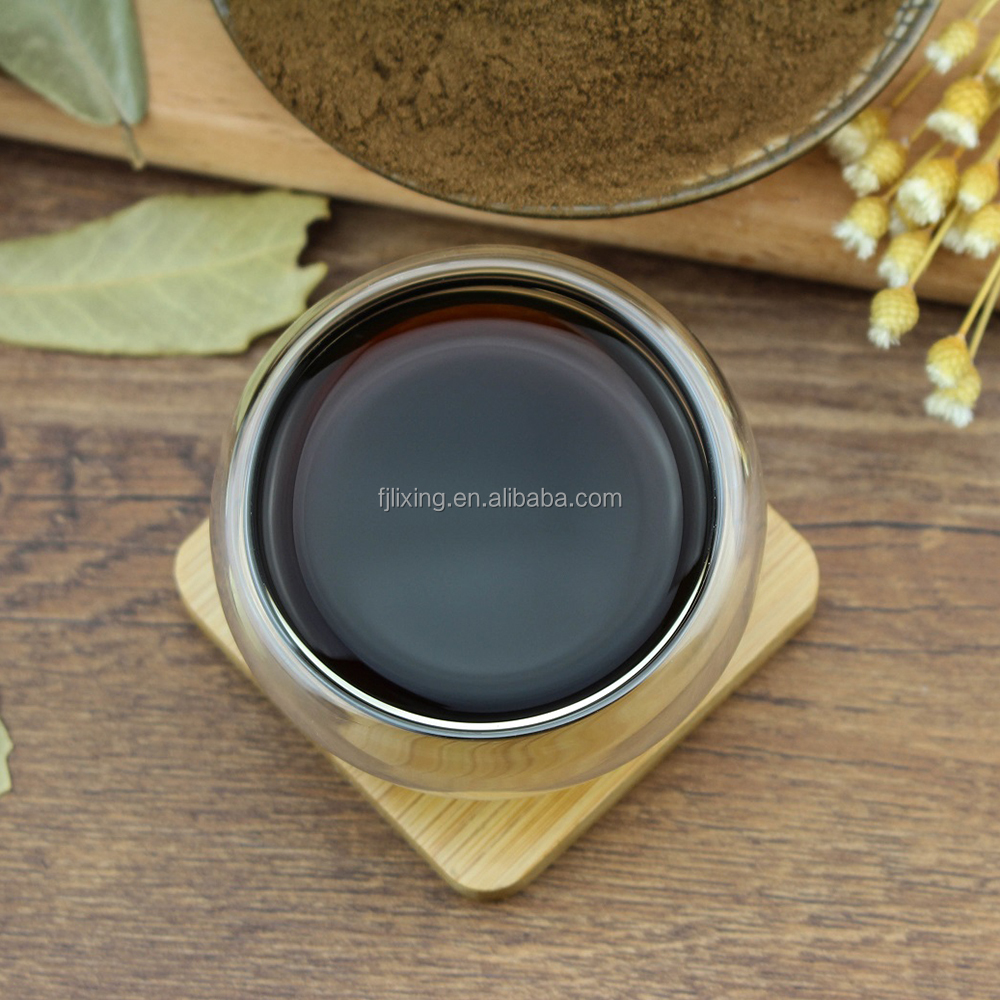
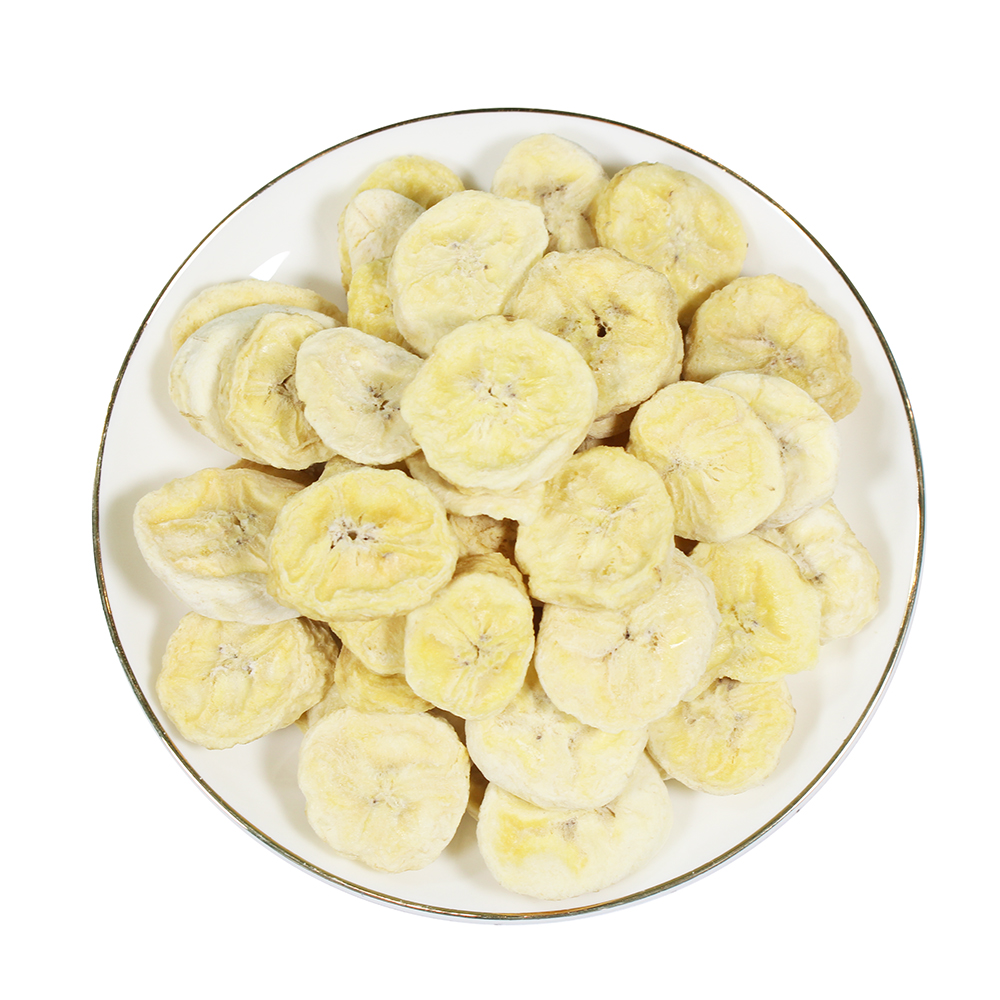
Industrial processing of tropical fruits presents acute physiological challenges, none more demanding than durian (Durio zibethinus). Renowned as the "King of Fruits," the crop possesses an intricate biochemical matrix characterized by complex volatile organosulfur compounds, delicate esters, high monosaccharide density, and lipid concentrations ranging between 3.5% and 5.2% in fresh pulp.
Conventional convective thermal dehydration (hot-air drying) inevitably causes significant cellular collapse, catastrophic thermal degradation of key odorants (notably ethanethiol and ethyl 2-methylbutanoate), and severe non-enzymatic Maillard browning. As an engineered response, industrial vacuum freeze-drying (lyophilization) operates within the thermodynamic sublimative zone—freezing free moisture into ice crystals at -40°C to -48°C, followed by primary and secondary sublimation stages below the triple point of water (0.01°C, 611.65 Pa). This process preserves the original cellular skeleton intact, yields an ultra-low water activity (aw < 0.25), and maintains a clean-label organoleptic profile without chemical stabilizers.
Procurement Benchmark: Authentic vacuum freeze-dried durian relies on controlled eutectic freezing rates to regulate ice crystal nucleation size. This directly determines rehydration capacity, fracture force (crunch profile), and lipid stability against ambient photo-oxidation.
| Analytical Parameter | Fynergy Precision Lyophilized | Standard Hot-Air Dried Durian | Vacuum Fried (VF) Alternative |
|---|---|---|---|
| Residual Moisture Content | ≤ 2.5% – 3.0% | 12.0% – 18.0% | 4.0% – 6.0% |
| Added Lipids / Oil Absorption | 0% (Pure Matrix) | 0% | 15.0% – 25.0% Inherent Fat Load |
| Volatile Ester Retention | > 92% Intact | < 35% (Thermal Loss) | Moderate Thermal Stripping |
| Cellular Geometry Integrity | 100% Intact Sponge Structure | Compacted & Shrunken | Semi-Porous / Oil Impregnated |
| Expected Shelf-Life (Barrier Film) | 18–24 Months | 6–9 Months | 9–12 Months (Rancidity Risk) |
Structural evolution in consumer preferences, functional applications, and regulatory frameworks reshaping commercial freeze-dried durian procurement through 2030.
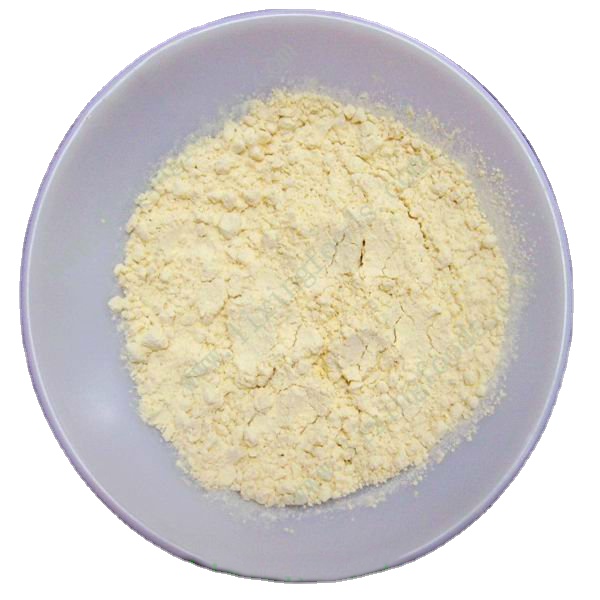
Global brands are shifting from artificial durian aromas to 100% pure freeze-dried fruit powders (60–100 mesh). Lyophilized particles act as an unadulterated flavor base and natural coloring system across premium gelato, aerated ganaches, high-protein Greek yogurts, and instant functional oat premixes without increasing batch water volume.
Modern consumers actively avoid hydrogenated oils, added sugars, and synthetic preservatives. Freeze-dried durian is naturally non-perishable through deep dehydration alone, meeting strict "single-ingredient" compliance targets across North American and Western European retail channels.
Procurement departments are diversifying their portfolios beyond basic durian chunks. Premium programs now demand specific varietal provenance: Thailand Monthong (delivering subtle sweetness, high structural yield, and cost efficiency) alongside Malaysian Musang King (D197) for dark golden profiles and richer, bitter-sweet aromatic depth.
Operating a modernized, audited manufacturing campus in Zhangzhou, Fujian to guarantee continuity of supply for tier-1 distributors and multinational co-packers.
Mass-production occurs inside Class-100,000 cleanroom workshops, eliminating environmental biological risks, yeast/mold spores, and cross-contamination during processing, sizing, and vacuum-sealing stages.
Equipped with 37 high-capacity industrial freeze-drying lines spanning 8,000 m² of vacuum chamber area. Integrated automated packaging systems ensure rapid turnaround times and steady batch uniformity.
Every lot undergoes verification through liquid chromatography, atomic absorption spectrophotometers, and automated Kjeldahl systems to confirm heavy metal compliance, pesticide non-detection, and purity standards.
Technical guidance covering supply constraints, shelf-life verification, formulation parameters, and import-export requirements.