Plant Extract
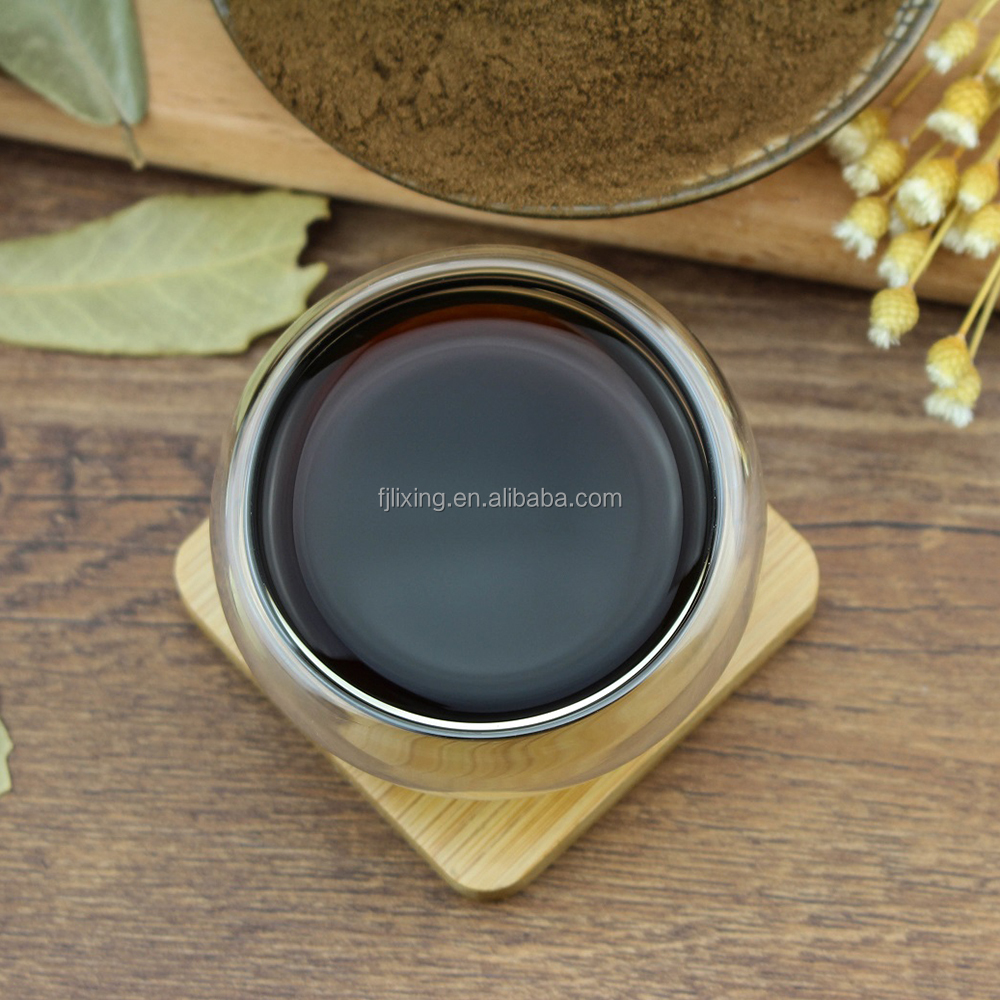
Factory Supply Dried Mesona Chinensis Powder, Mesona Procumbens Extract Powder
- StandardFood Grade / Herb Extract
- Solubility100% Water Soluble
- PackagingBulk Aluminum Bags / Drums
Manufactured under Class-100,000 cleanroom conditions with automated lyophilization parameters, residual moisture control (≤4%), and strict microbiological limits designed for global food brands and ingredient processors.
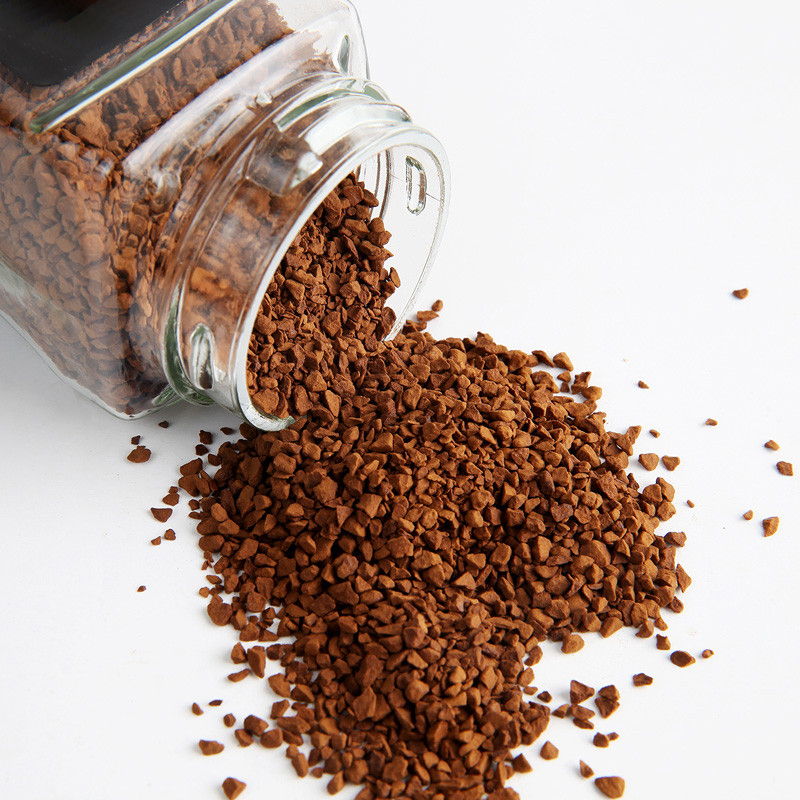
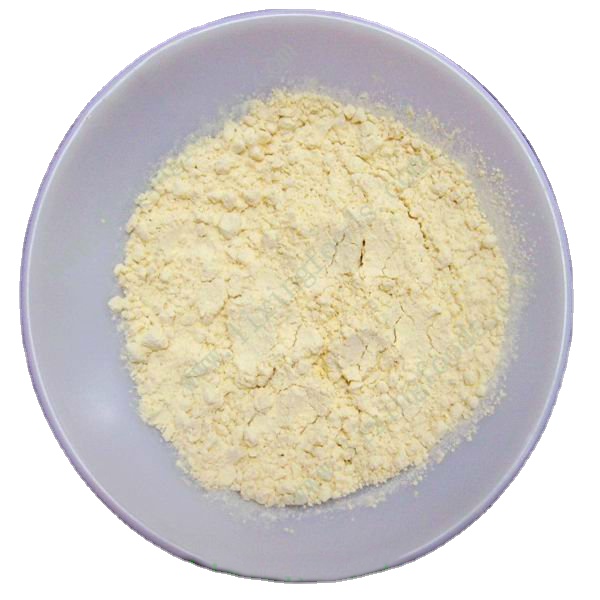
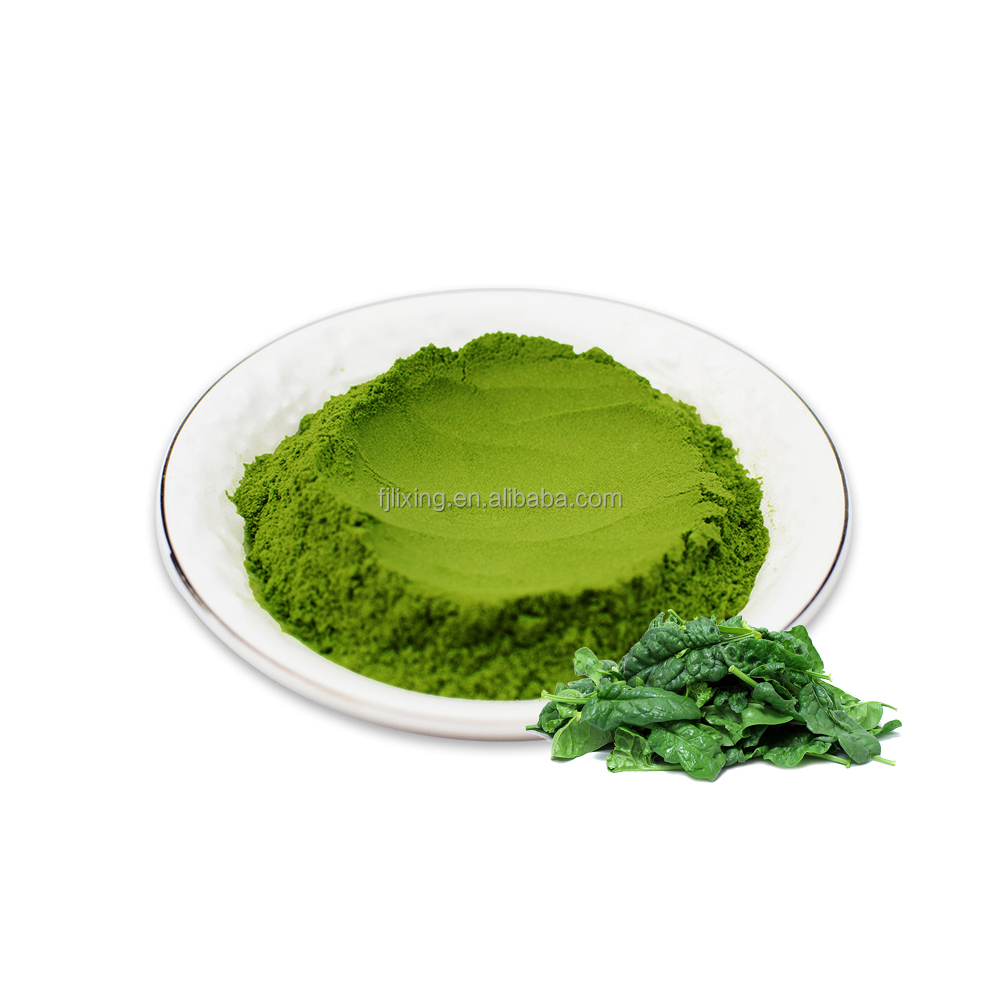
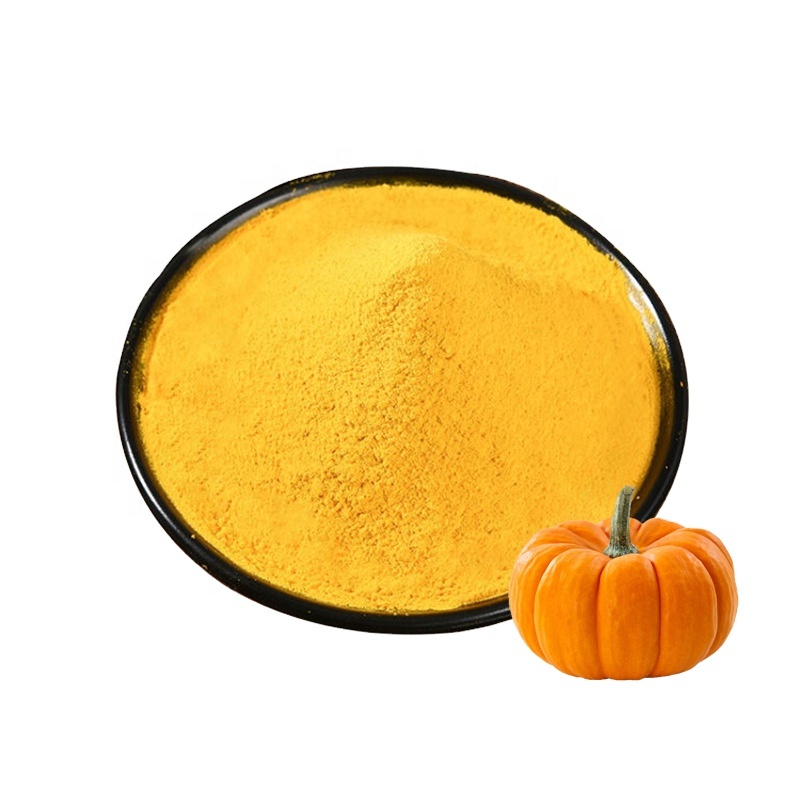
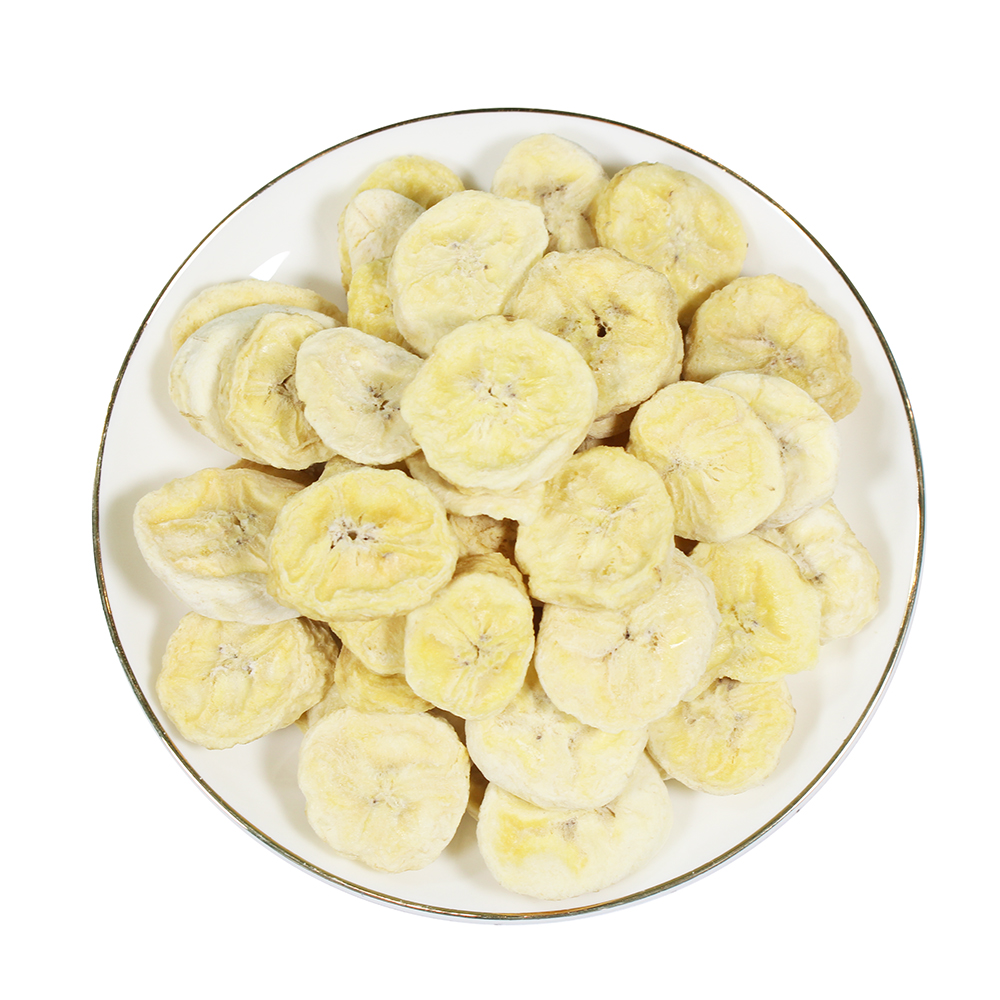
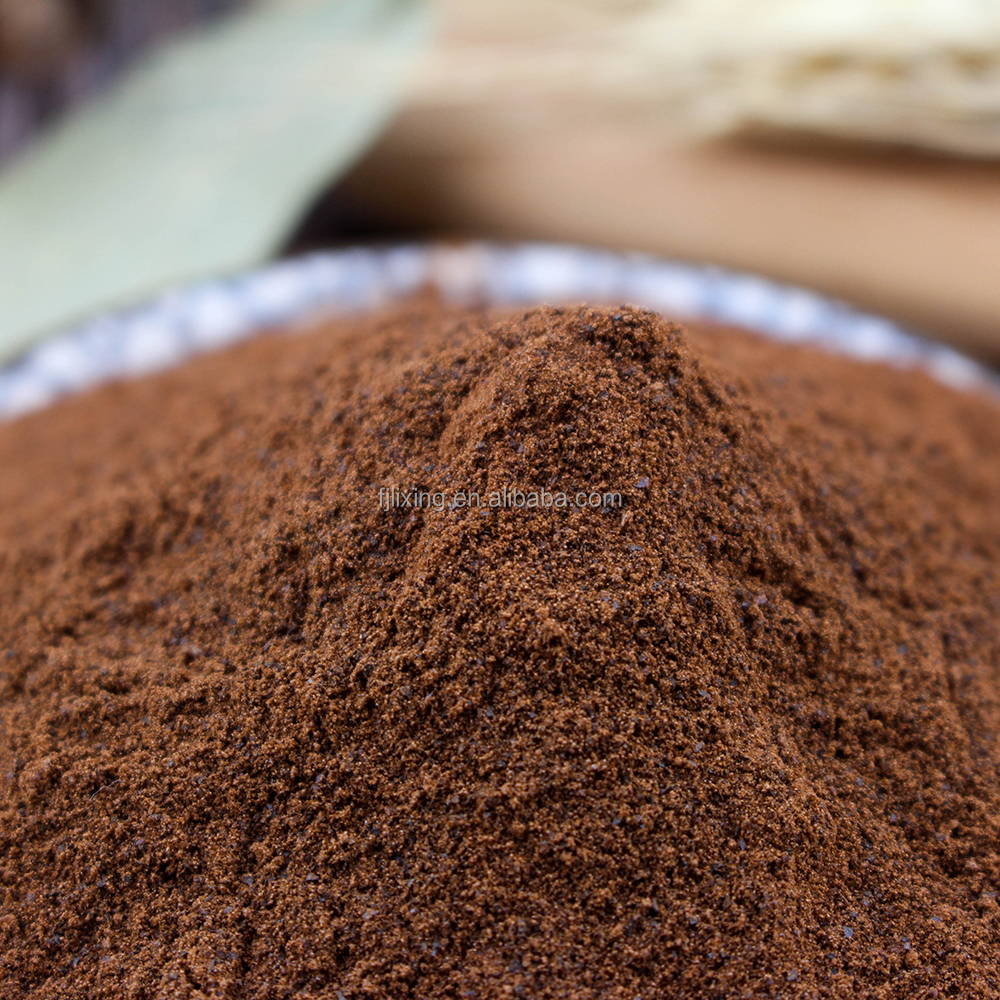
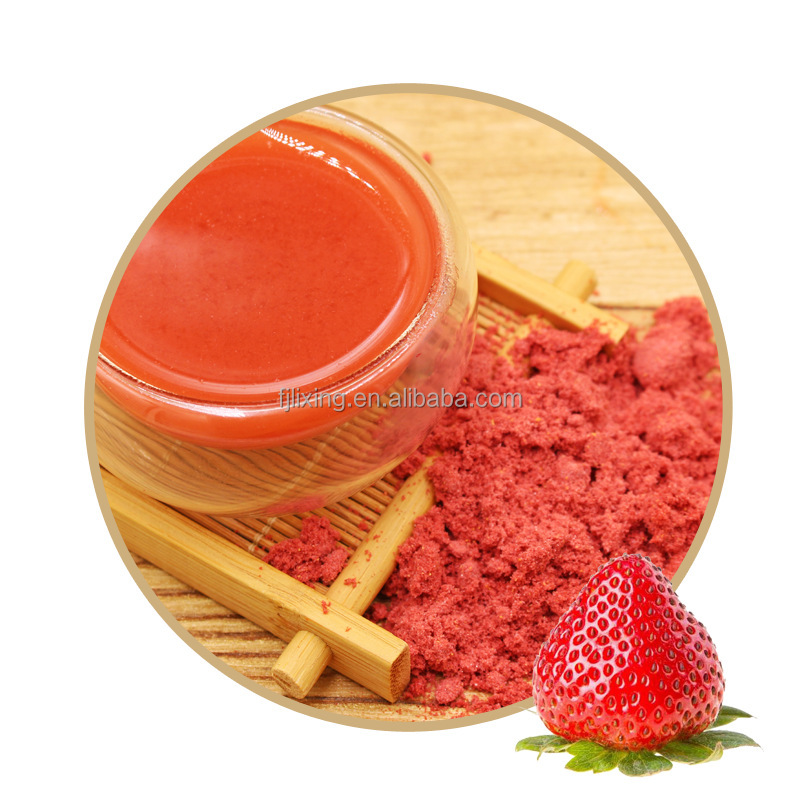
Freeze-Drying Industry Experience
Total Production & Warehouse Footprint
Dedicated Industrial Lyophilization Lines
Vacuum Sublimation Chamber Area
Operating out of Zhangzhou, Fujian—China's primary agricultural hub—Fujian Fynergy Foods Co., Ltd. provides certified, verifiable freeze-drying infrastructure engineered to satisfy demanding audit standards of Fortune 500 enterprises.
Processing takes place within Class-100,000 cleanrooms. Positive air pressure and microbial filtering mitigate foreign matter and cross-contamination risks across both fresh sorting and final vacuum packaging stages.
Equipped with high-performance liquid chromatographs (HPLC), atomic absorption spectrometers, and automated Kjeldahl apparatus. We test each batch for pesticide residues, heavy metals, and moisture prior to release.
Certified to BRCGS (Global Standard for Food Safety), HACCP, and ISO 22000. Onsite-verified by TÜV Rheinland, offering documented lot traceability back to raw contract-farming parcels.
A rigorous examination of biochemical and cellular structure preservation in freeze-dried legumes and agricultural commodities.
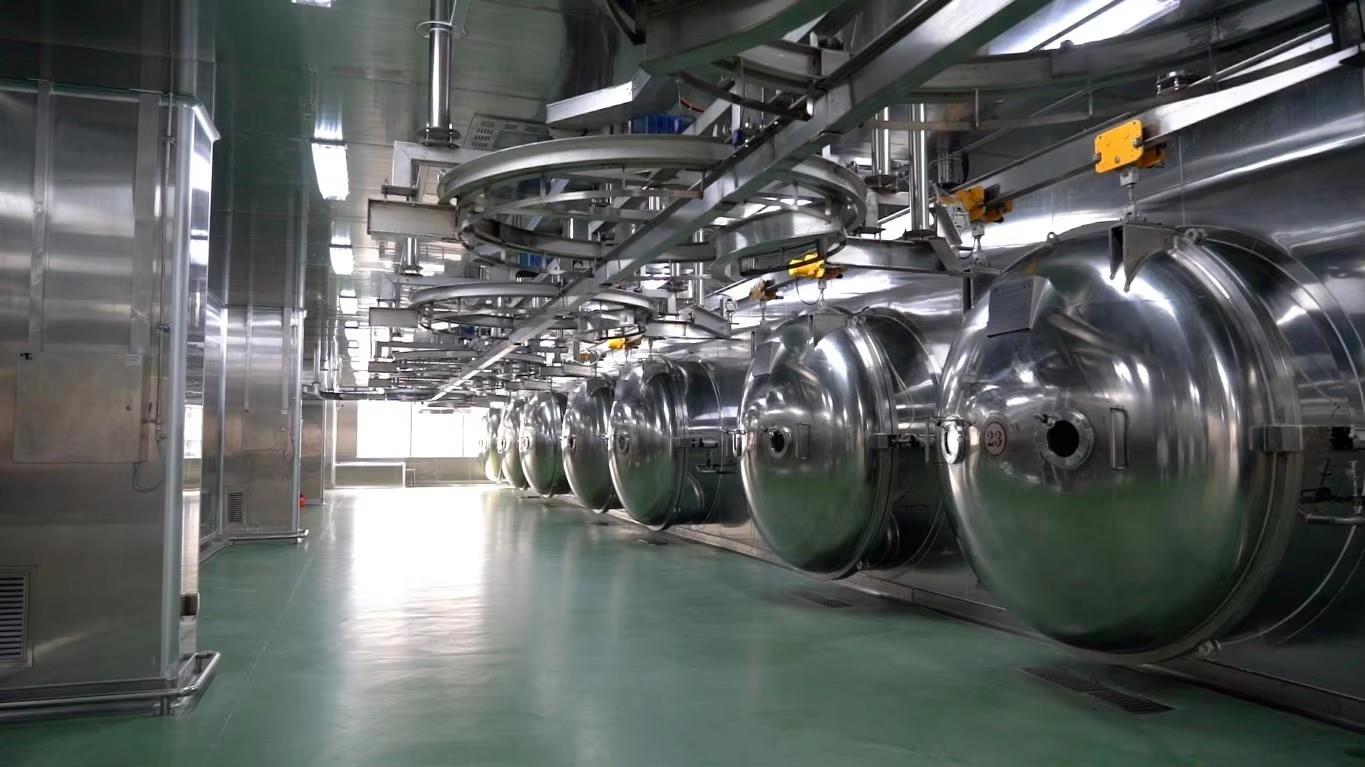
Freeze-drying, or vacuum lyophilization, operates by lowering temperatures to deep-freeze the material (-35°C to -45°C), followed by vacuum sublimation under 10 to 30 Pa. During this cycle, water molecules migrate directly from the solid ice state to water vapor, entirely bypassing the destructive intermediate liquid phase.
In contrast to hot-air drying (AD) or vacuum frying (VF), lyophilization protects cell wall pectins from capillary collapse. This creates an open-pore sponge matrix that preserves original botanical geometry, structural rigidity, and clean bite upon rehydration.
Heat-sensitive micronutrients—notably L-ascorbic acid (Vitamin C), beta-carotene, and natural pigments like chlorophyll—degrade quickly under thermal dehydration exceeding 60°C. Controlled lyophilization preserves over 94% of native enzymatic and dietary antioxidant profiles.
By bringing final moisture down to a tight window of 1.5% to 3.5%, water activity (Aw) drops strictly below 0.30. This suppresses enzymatic browning and microbial proliferation without synthetic stabilizers or sulfur treatments.
| Evaluation Parameter | Freeze-Dried (FD Lyophilized) | Air Dehydrated (AD / Hot-Air) | Vacuum Fried (VF Chips) |
|---|---|---|---|
| Process Temperature | Sub-zero freeze (-40°C), Sublimation <35°C | Thermal exposure 65°C to 95°C | High-temp oil vacuum 90°C to 115°C |
| Nutritional Retention | 92% – 97% native vitamin & antioxidant profile | 35% – 55% (severe thermal degradation) | 50% – 65% (thermal & lipid oxidation) |
| Cellular Structure | Porous sponge-like, original volumetric form | Shrunk, hardened, dense cellular collapse | Rigid, oil-infiltrated cellular structure |
| Rehydration Speed | Under 3–5 minutes in cold/lukewarm water | 15–35 minutes requiring boiling heat | Insoluble / Poor rehydration |
| Residual Moisture / Fat | Moisture ≤ 3.5% | Zero added fat | Moisture 8% – 14% | Low fat | Moisture ≤ 3% | Fat content 15% – 30% |
| Clean-Label Suitability | 100% Single-Ingredient, No Additives | Often requires preservatives (Sulfites) | Requires palm oil or maltose carriers |
Global procurement teams face shifting buyer preferences, tighter clean-label standards, and carbon-efficient supply line mandates. Here is how institutional buyers are adjusting their freeze-dried sourcing strategies.
Modern consumers demand clean, whole-food options in ready-to-eat formats. Freeze-dried green beans, sweet corn, and vegetable blends are increasingly replacing air-dried components in premium instant ramen, backpacking rations, and clinical recovery diets due to their rapid 3-minute rehydration and superior mouthfeel.
Supermarket retailers across North America and Europe are phasing out oil-fried vegetable snacks in favor of 100% pure freeze-dried alternatives. Sourcing contracts favor processing facilities with validated physical blanching lines that preserve color without sodium metabisulfite or synthetic coloring agents.
Supply chain turbulence has increased container shipping and inspection overheads. Tier-1 brands now partner with comprehensive manufacturers like Fynergy who run multi-category operations across fruit, vegetable, coffee, and plant extract lines under a unified quality assurance protocol.
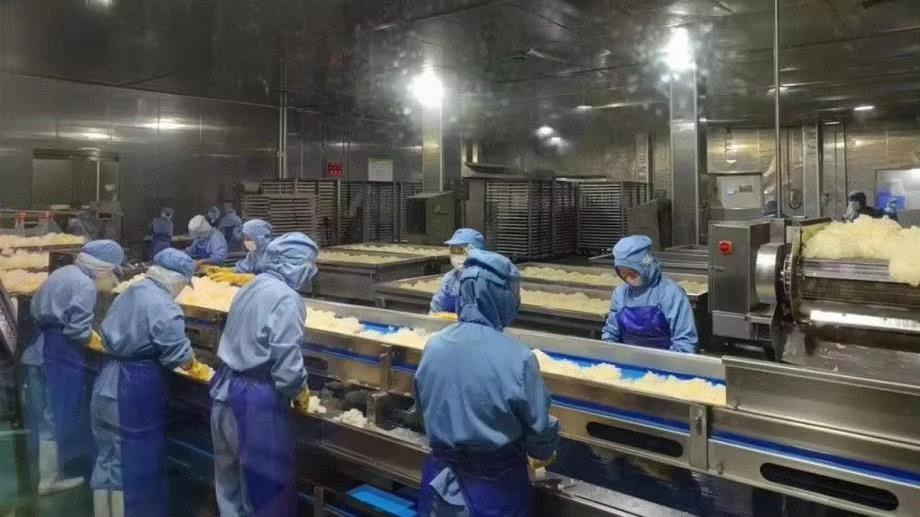
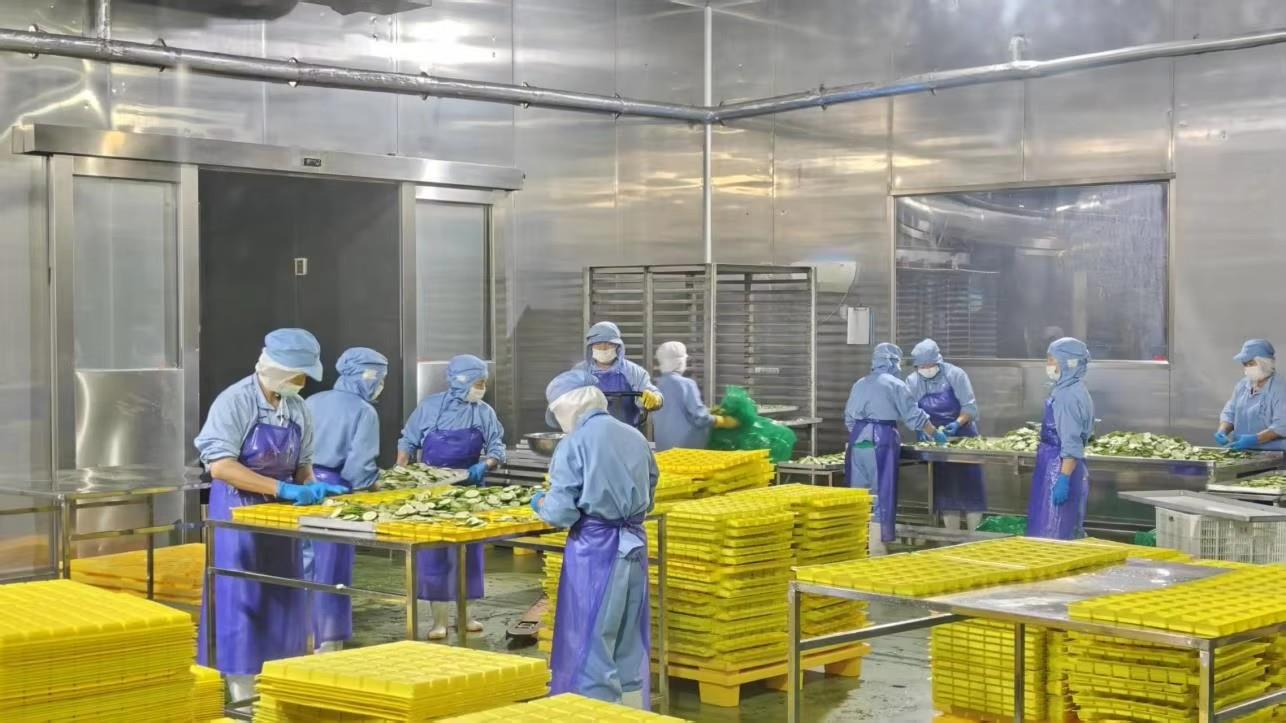
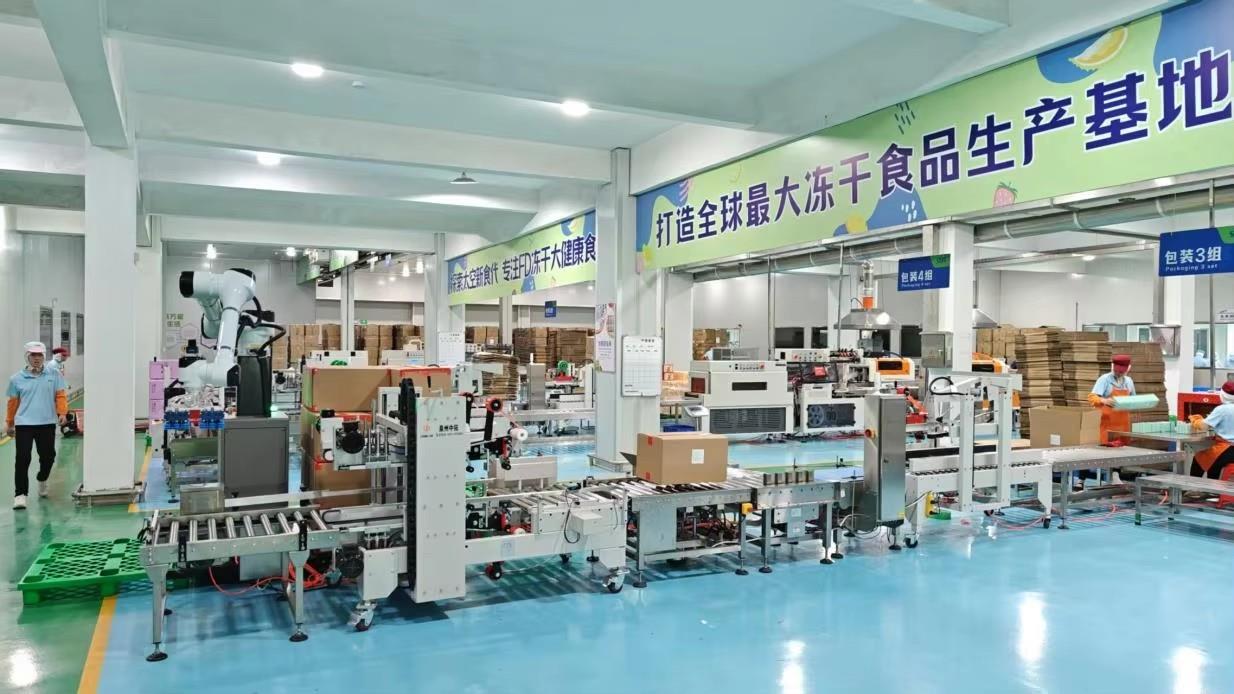
Real-time glimpses into our automated washing, blanching, quick-freezing, vacuum lyophilization, and nitrogen-flushed clean packaging operations.
Direct answers addressing technical parameters, compliance documentation, minimum order quantities, and custom processing options.
Our freeze-dried whole green beans and cross-cut dices follow tight industrial parameters: residual moisture is held strictly below 3.5%, water activity (Aw) ≤ 0.28, total plate count < 10,000 CFU/g, with negative results for Salmonella and E. coli per 25g testing protocols. Color retention is guaranteed through precision enzyme-deactivating steam blanching without artificial additives or sulfite preservatives.
For standard bulk ingredients packed in food-grade poly bags enclosed within heavy-duty corrugated export cartons (typically 5 kg to 10 kg net weight per carton), our baseline MOQ starts at 100 kg to 500 kg per SKU. For full OEM/ODM private-label packaging—including stand-up zip pouches, composite nitrogen-flushed canisters, or single-serve sachets—production runs generally begin at 10,000 to 30,000 retail units depending on material thickness and print complexity.
Yes. As a verified custom manufacturer with 41 authorized patents, we offer custom sizing: whole beans (70–120 mm), uniform cross-cuts (5–10 mm), coarse soup dices, or fine 80–120 mesh powders. Blanching duration can be dialed in to match your desired rehydration elasticity, and we can apply natural seasoning slurries before freeze-drying to create retail-ready functional snacks.
Our facilities are fully certified under BRCGS (Brand Reputation Compliance Global Standards), HACCP, and ISO 22000 management architectures. Furthermore, we maintain active Kosher and Halal certifications on designated processing lines. Every export consignment is accompanied by a batch Certificate of Analysis (COA), Phytosanitary Certificate, and third-party laboratory verification (SGS / Eurofins upon request).
When sealed in high-barrier multi-layer metalized laminate or aluminum foil packaging with high oxygen and water vapor transmission resistance (WVTR < 0.1 g/m²/day), our freeze-dried products achieve an ambient shelf stability of 18 to 24 months. Proper storage requires dry conditions away from direct sunlight, below 25°C and 60% relative humidity.
Standard catalog samples with complete technical dossiers dispatch within 3 business days via air courier. Custom formulation or tailored cut specifications typically require 7 to 10 days for laboratory test batches. Upon commercial order confirmation and artwork sign-off, full container loads (20GP / 40HQ) ship from Xiamen Port within 20 to 28 calendar days.
Whether you require stable bulk raw materials for breakfast cereals, high-rehydration vegetables for instant meals, or turnkey private label retail lines, our engineering and export team is ready to assist.